iPhone SE (2020) vs iPhone XS
Shop iPhone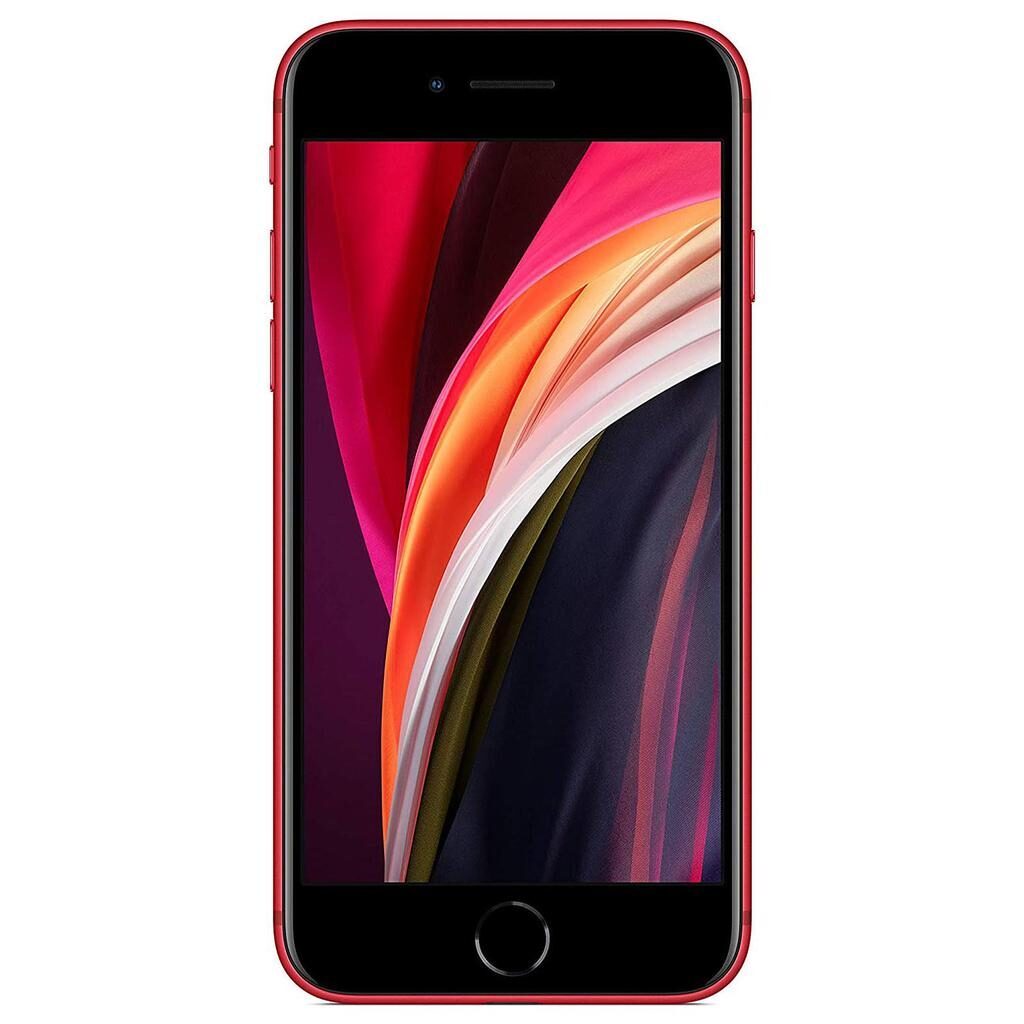
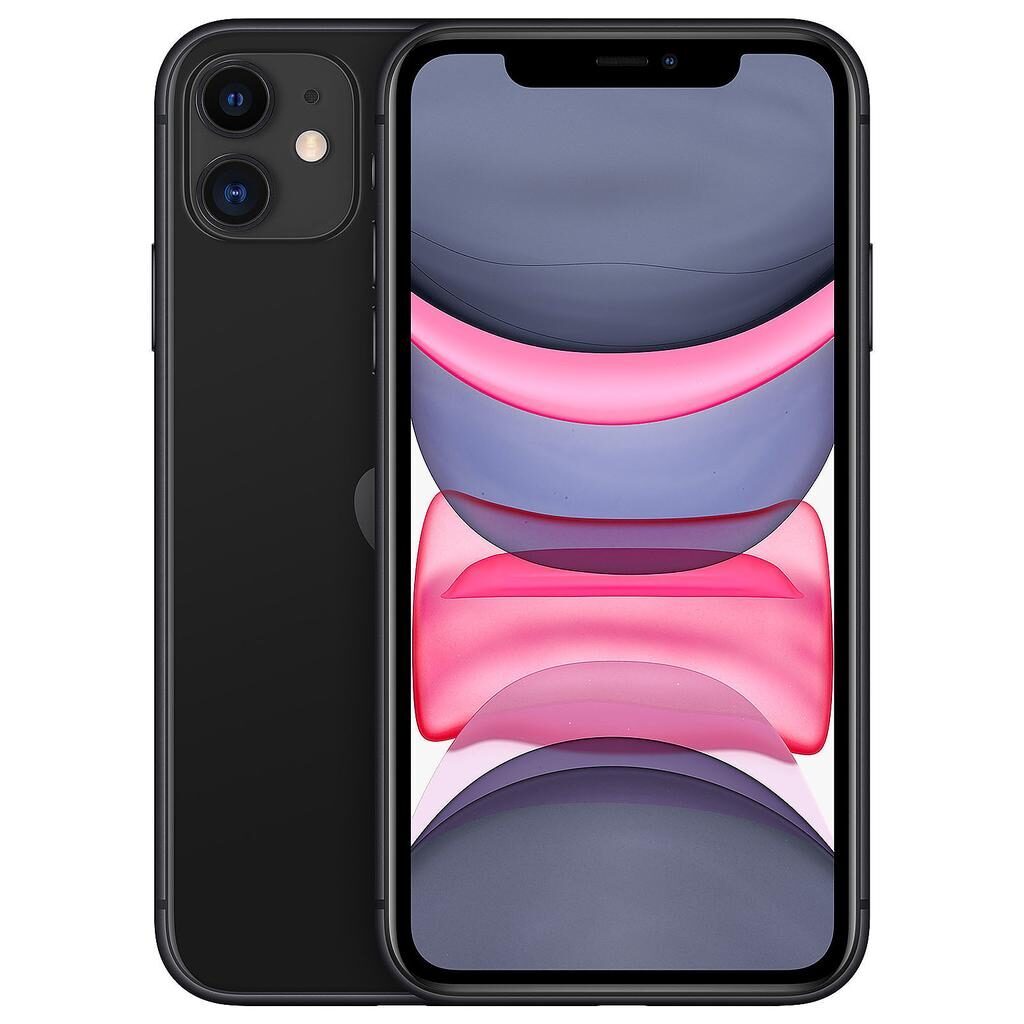
iPhone SE (2020)
Starting at
£75.11£289.00 new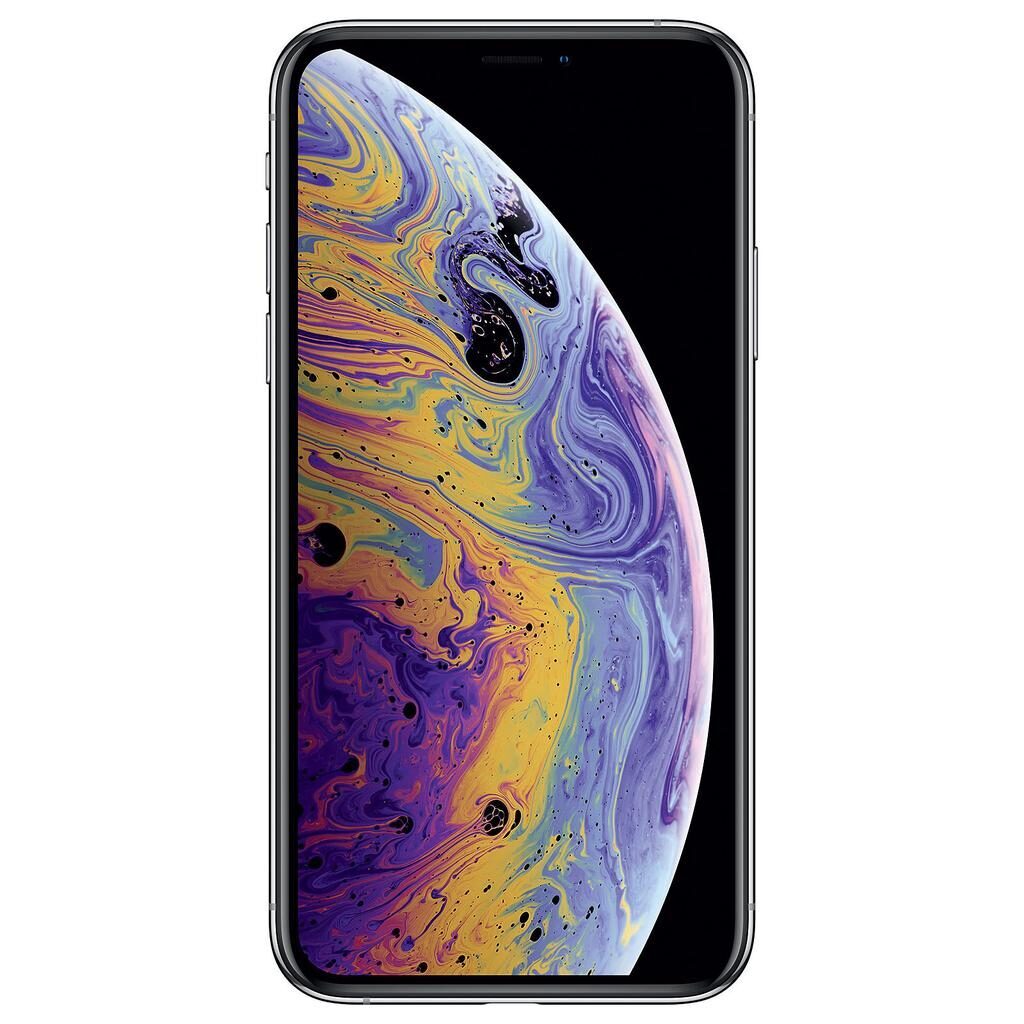
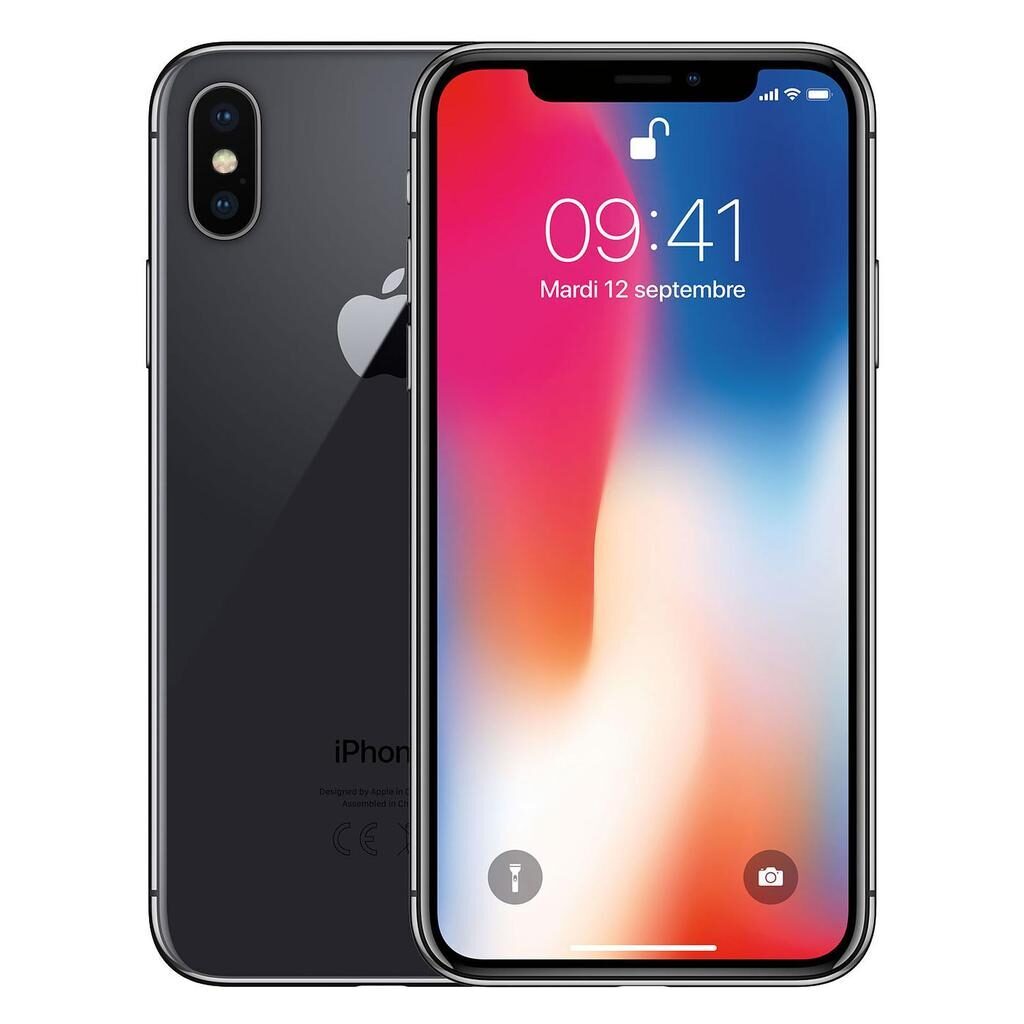
iPhone XS
Starting at
£138.35£559.00 newWhat's the difference between the iPhone SE (2020) and iPhone XS?
iPhone SE (2020) vs iPhone XS comes down to the chipset, RAM and screen size. Refurbished, the iPhone SE (2020) starts at £75.11, £63.24 less than the iPhone XS. The iPhone SE (2020) is the newer model, released in 2020.
Refurbished from
Chipset
RAM
Screen size
Screen type
Software updates
- Chipset: Apple A13 Bionic on the iPhone SE (2020), Apple A12 Bionic on the iPhone XS.
- The iPhone XS has more RAM: 4 GB vs 3 GB.
- The iPhone XS has a bigger screen: 5.8 inch vs 4.7 inch.
iPhone SE (2020) vs iPhone XS specs
The iPhone SE (2020) offers a compact design with a 4.7 inch Retina IPS LCD screen and 3 GB of RAM, making it suitable for everyday use and those who prefer a smaller phone. It comes in three storage options up to 256GB, giving flexibility depending on your needs. The iPhone XS has a larger 5.8 inch Super Retina OLED screen with higher resolution and 4 GB of RAM, providing a more immersive display and smoother multitasking. Choose the SE (2020) if you want a lower priced, smaller device, and the XS if you want a larger, higher resolution screen and a bit more memory for apps.
iPhone SE (2020) vs iPhone XS price
Colour
iPhone SE (2020) vs iPhone XS battery life and software updates
The iPhone SE (2020) was released in 2020 and the iPhone XS in 2018.
Software Compatibility
This means you can expect ongoing software improvements and security patches on either device.
Battery
Foldable
Ip rating
Software updates
Wireless charging
Year of release
iPhone SE (2020) vs iPhone XS performance
Chipset
RAM
iPhone SE (2020) vs iPhone XS screen
Screen size, resolution and type affect how you view content. The iPhone SE (2020) and iPhone XS differ in these areas, which will suit different preferences for display size and quality.
Screen Size and Type
The iPhone SE (2020) has a 4.7 inch Retina IPS LCD screen, which is compact and easy to use with one hand. The iPhone XS features a larger 5.8 inch Super Retina OLED screen, offering a more spacious display ideal for watching videos or browsing. The OLED on the XS delivers deeper blacks and more vibrant colours compared to the SE's LCD.
Resolution
With a resolution of 750 by 1334 pixels, the iPhone SE (2020) provides sharp visuals for everyday tasks. The iPhone XS has a higher resolution of 1125 by 2436 pixels, which means images and text appear crisper and more detailed, benefiting users who prioritise screen clarity.
Resolution
Screen size
Screen type
iPhone SE (2020) vs iPhone XS camera
Camera quality is important for photos and video calls. Both phones share the same megapixel counts for front and main cameras, making them comparable for everyday photography.
Camera Megapixels
Both the iPhone SE (2020) and the iPhone XS have a 7 megapixel front camera and a 12 megapixel main camera. This means they capture similar levels of detail for selfies and photos.
Camera type
Front camera
Main camera
iPhone SE (2020) vs iPhone XS size and design
Other factors like weight, network compatibility, and storage options affect daily use and convenience. Both devices support 4G networks, use Lightning connectors, and offer unlocked versions ready for any UK carrier.
Weight
The iPhone SE (2020) weighs 148 grams, making it lighter and potentially easier to carry or use for long periods. The iPhone XS weighs 177 grams, which reflects its larger size and screen.
Storage Options
The iPhone SE (2020) is available with 64GB, 128GB, or 256GB of storage, giving more choice for different needs. The iPhone XS comes with 64GB or 256GB options, so users choosing the XS decide between standard or larger capacity.
SIM and Network
Both phones support physical SIM cards along with eSIM, allowing flexible mobile network use. They both operate on 4G networks and are unlocked, suitable for use with any UK network provider.
Carrier compatibility
Connector
Depth
Height
Mobile network
Release date
SD card slot
SIM card
Weight
Width
iPhone SE (2020) or iPhone XS: which should you buy?
Buy the iPhone SE (2020) if
- you want to spend less: it starts at £75.11, £63.24 less than the iPhone XS
- you want longer software support (supported, up to iOS 27 vs ended Apr 2026, last iOS 18)
- you want a lighter build (148 g vs 177 g)
Buy the iPhone XS if
- you want more RAM (4 GB vs 3 GB)
- you want a bigger screen (5.8 inch vs 4.7 inch)
- you want an OLED screen
What our customers say
Customers buying the iPhone SE (2020) praise its condition, often describing it as spotless or like new. They appreciate its suitability as a first phone for young users or older relatives, and note the fair pricing. Battery life and performance meet expectations for everyday use, with some mentioning minor screen imperfections only visible without a protector. Many highlight the confidence gained from positive reviews and the convenience of parental controls linking to other Apple devices.
Reviews for the iPhone XS focus on its like-new appearance and smooth performance. Users enjoy the larger screen size and good camera quality. Battery life is reported as lasting well throughout the day, though some mention charging habits. A few note minor cosmetic marks or issues with specific parts, but most are very happy with the phone's condition and functionality. The phone is described as compact despite the larger screen.
Overall, the iPhone SE (2020) appeals to those wanting a lower priced, reliable Apple phone for everyday tasks or as a first device. The iPhone XS suits users who prefer a larger, higher resolution screen with more memory for multitasking and multimedia.
iPhone SE (2020) vs iPhone XS FAQs
iPhone SE (2020) vs iPhone XS comes down to the chipset, RAM and screen size. Chipset: Apple A13 Bionic on the iPhone SE (2020), Apple A12 Bionic on the iPhone XS. The iPhone XS has more RAM: 4 GB vs 3 GB.
The iPhone SE (2020) is cheaper refurbished, from £75.11 compared with £138.35 for the iPhone XS.
Both have the same main camera: 12 megapixels.
The iPhone SE (2020) is still supported and can run iOS 27. Updates for the iPhone XS ended in Apr 2026. Its last version is iOS 18.
The iPhone SE (2020) adds longer software support (supported, up to iOS 27 vs ended Apr 2026, last iOS 18) and a lighter build (148 g vs 177 g). Refurbished, it costs £63.24 less (from £75.11 vs £138.35).
Refurbished, the iPhone SE (2020) comes in 64GB, 128GB and 256GB, and the iPhone XS in 64GB and 256GB.