iPhone SE (2020) vs iPhone XR
Shop iPhone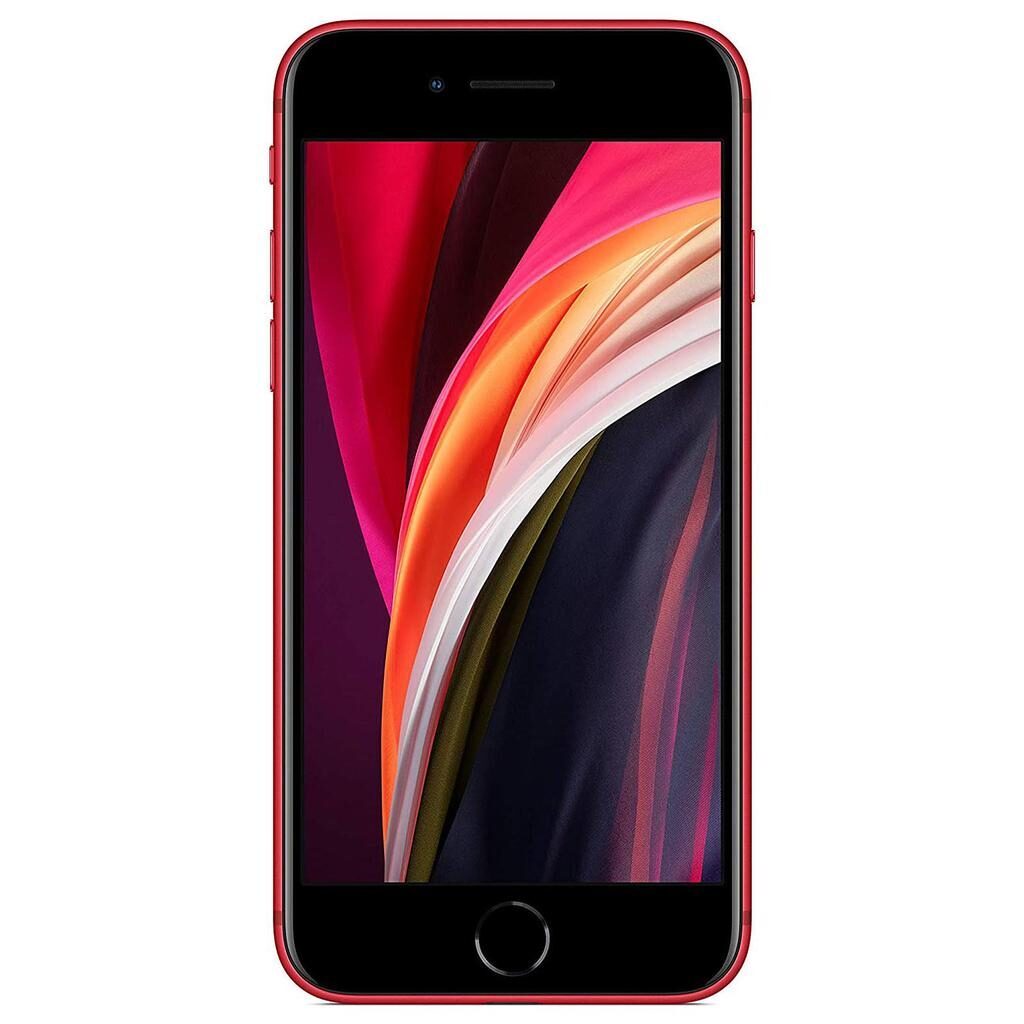
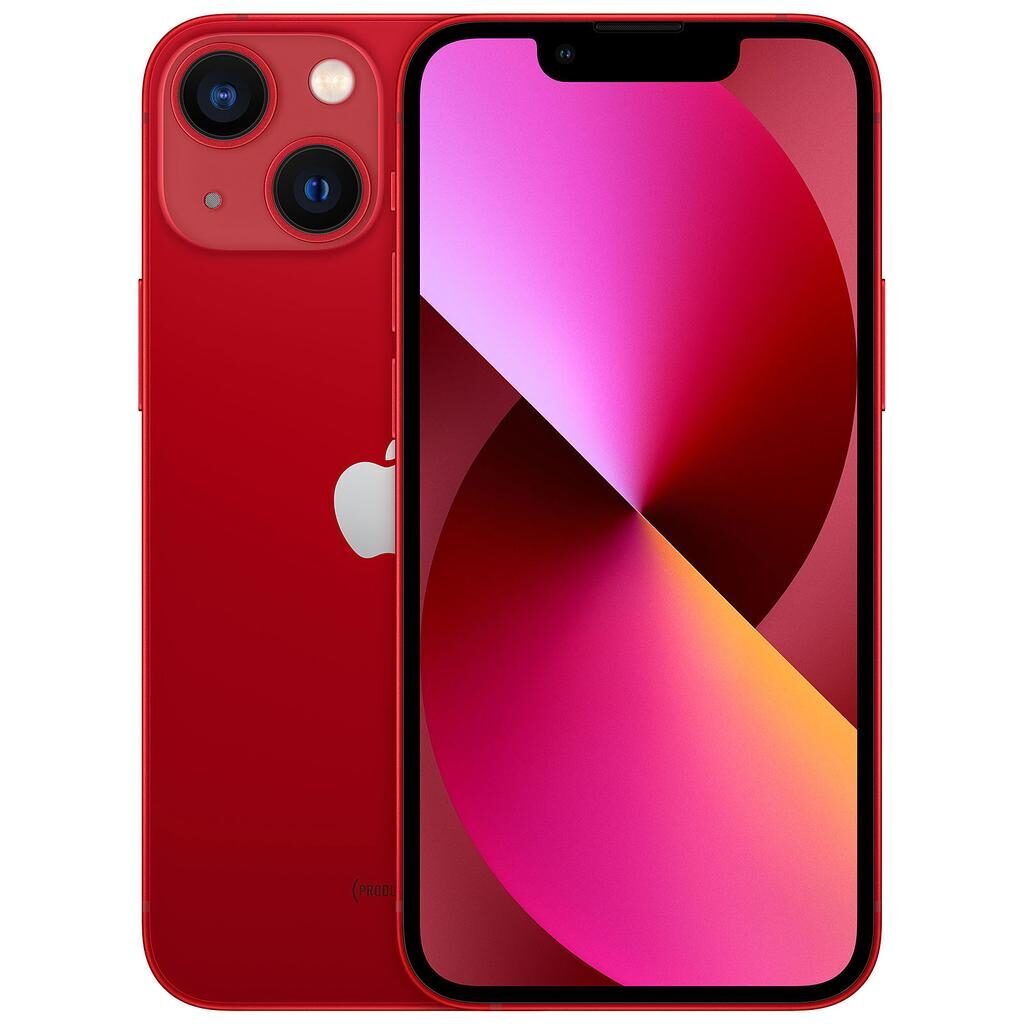
iPhone SE (2020)
Starting at
£75.11£289.00 new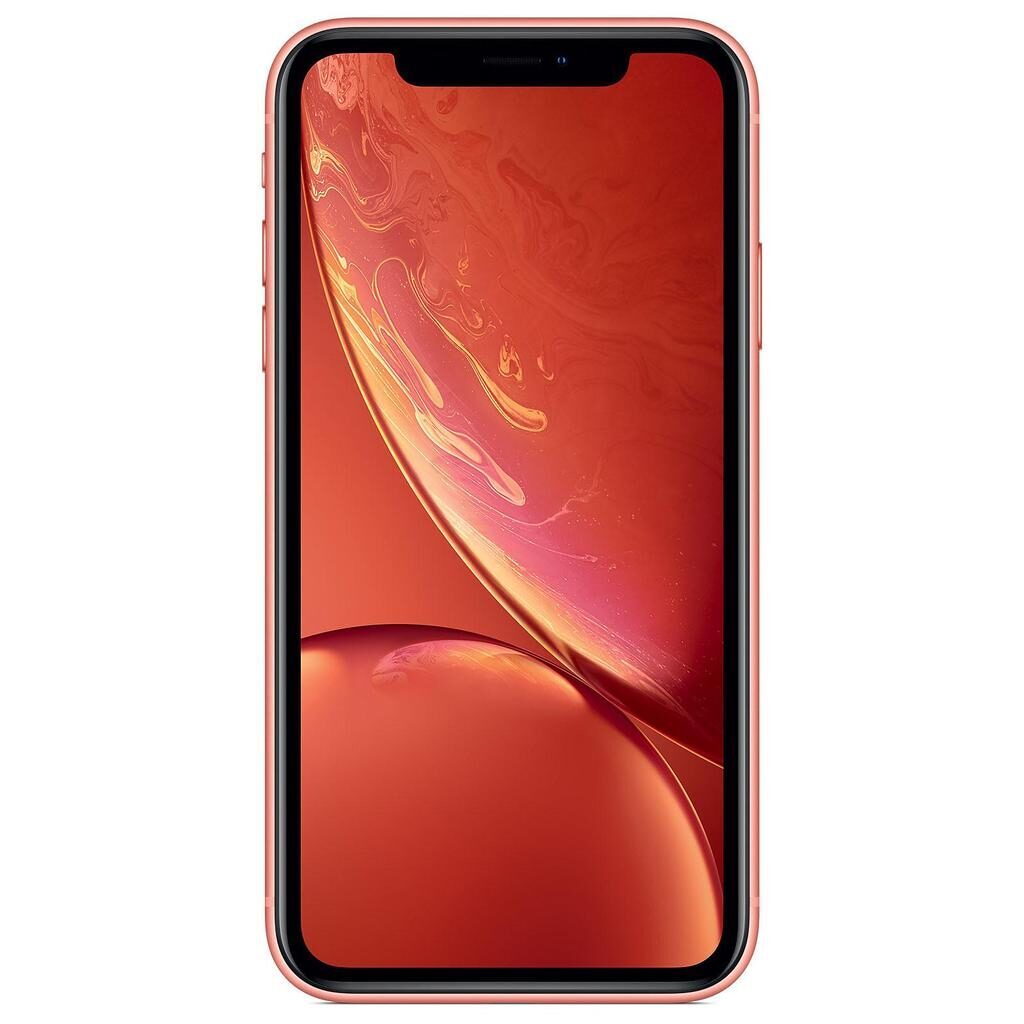
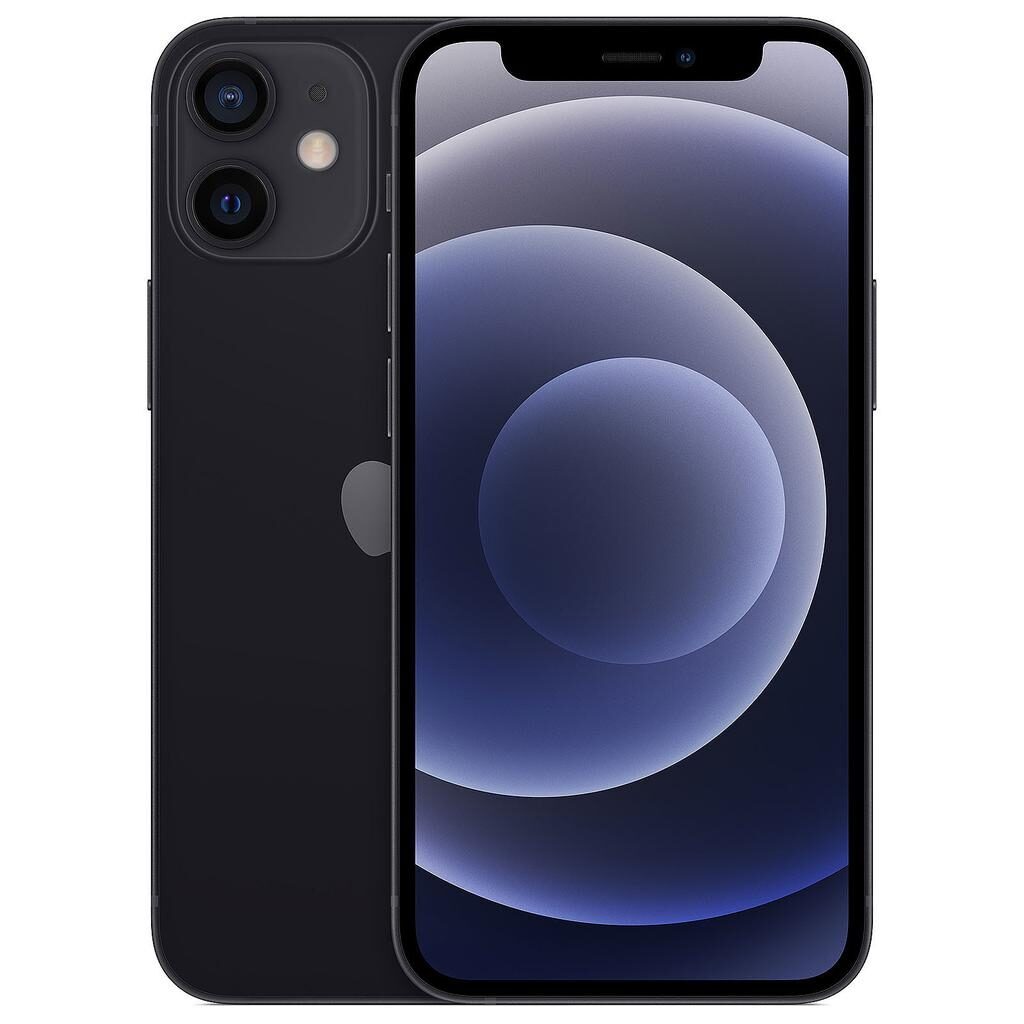
iPhone XR
Starting at
£130.30£399.00 newWhat's the difference between the iPhone SE (2020) and iPhone XR?
iPhone SE (2020) vs iPhone XR comes down to the chipset, screen size and screen type. Refurbished, the iPhone SE (2020) starts at £75.11, £55.19 less than the iPhone XR. The iPhone SE (2020) is the newer model, released in 2020.
Refurbished from
Chipset
Screen size
Screen type
Software updates
Weight
- Chipset: Apple A13 Bionic on the iPhone SE (2020), Apple A12 Bionic (7 nm) on the iPhone XR.
- The iPhone XR has a bigger screen: 6.1 inch vs 4.7 inch.
- Screen type: Retina IPS LCD on the iPhone SE (2020), Liquid Retina IPS LCD on the iPhone XR.
iPhone SE (2020) vs iPhone XR specs
The SE (2020) offers a compact 4.7 inch screen and a lighter build, making it suitable if you prefer a smaller phone that fits easily in one hand. The XR has a larger 6.1 inch display with higher resolution, which is better for watching videos or browsing with more screen space. Both share the same 3 GB RAM, storage options up to 256GB, and similar cameras. The SE (2020) is lighter at 148 g, while the XR weighs 194 g. The choice depends on whether you want a smaller, lighter phone or a larger screen experience.
iPhone SE (2020) vs iPhone XR price
Colour
iPhone SE (2020) vs iPhone XR battery life and software updates
Durability matters when choosing a phone to use daily.
Software Compatibility
This means you can expect ongoing software features and security patches on either model, helping keep your phone up to date for everyday use.
Build and Design
The SE (2020) was released in 2020, while the XR came out in 2018. Both have traditional smartphone forms.
Battery
Foldable
Ip rating
Software updates
Wireless charging
Year of release
iPhone SE (2020) vs iPhone XR performance
Chipset
RAM
iPhone SE (2020) vs iPhone XR screen
Screen quality affects how you view content and interact with your phone. The iPhone SE (2020) and iPhone XR differ in size, resolution, and screen type, which influences your experience with videos, reading, and apps.
Screen Size
The iPhone SE (2020) has a 4.7 inch screen, making it easier to use one handed and more pocket-friendly. The iPhone XR's 6.1 inch screen offers a larger viewing area, which suits users who want more space for watching videos or multitasking.
Screen Resolution
The iPhone SE (2020) displays a resolution of 750 x 1334 pixels, while the iPhone XR has a higher resolution of 828 x 1792 pixels. This means the XR's screen can show sharper images and more detail, which benefits users who prioritise screen clarity.
Screen Type
The SE (2020) uses a Retina IPS LCD screen, while the XR has a Liquid Retina IPS LCD. Both provide clear and bright displays, but the XR's Liquid Retina technology may offer a slightly more vibrant viewing experience.
Resolution
Screen size
Screen type
iPhone SE (2020) vs iPhone XR camera
Camera and front camera quality influence how well you capture photos and video calls. Both phones have similar camera specs, making them suitable for everyday photography and selfies.
Front Camera
Both the iPhone SE (2020) and iPhone XR feature a 7 megapixel front camera. This resolution is good for clear selfies and video calls, ensuring you can keep in touch or take photos with similar quality on both devices.
Main Camera
Each phone has a 12 megapixel main camera. This means the detail captured in photos will be similar across both models, making either device a solid choice for casual photography.
Camera type
Front camera
Main camera
iPhone SE (2020) vs iPhone XR size and design
Other features can influence your daily use, including weight, network compatibility, and storage options. These details help decide which phone fits your lifestyle better.
Weight
The iPhone SE (2020) weighs 148 g, making it noticeably lighter than the iPhone XR at 194 g. If you prefer a phone that feels lighter in your hand or pocket, the SE (2020) is the better fit.
Network and SIM
Both phones are unlocked and support 4G networks. They each use a physical SIM plus eSIM, giving you flexibility with carriers and dual SIM options.
Connector and Storage
Both devices use a Lightning connector for charging and accessories. Storage options are the same for both, with 64GB, 128GB, and 256GB available. This lets you choose the capacity that fits your needs without compromise.
Carrier compatibility
Connector
Depth
Height
Mobile network
Release date
SD card slot
SIM card
Weight
Width
iPhone SE (2020) or iPhone XR: which should you buy?
Buy the iPhone SE (2020) if
- you want to spend less: it starts at £75.11, £55.19 less than the iPhone XR
- you want longer software support (supported, up to iOS 27 vs ended Apr 2026, last iOS 18)
- you want a lighter build (148 g vs 194 g)
Buy the iPhone XR if
- you want a bigger screen (6.1 inch vs 4.7 inch)
What our customers say
Customers who buy the iPhone SE (2020) often praise its condition and performance, describing it as spotless and working perfectly. Many find it ideal as a first phone for children or family members, appreciating its affordable price and reliable operation. Users mention the phone feels like new and performs well for everyday tasks, with battery life typically strong. Some note minor issues with battery recognition but overall are happy with the phone's value and condition.
Reviews for the iPhone XR highlight its excellent condition and smooth performance, with many customers saying it looks like a new phone with no marks. The larger screen size is appreciated, especially by users who find it well suited for reading and media. Battery health is generally good, though some mention unofficial replacement batteries showing warnings. The phone runs well and setup is straightforward, making it a popular choice for gifts or daily use.
Both phones attract positive feedback for being reliable refurbished options. The iPhone SE (2020) suits those who want a lighter, smaller phone for everyday use or as a first device. The iPhone XR appeals to users who prefer a larger screen for media and multitasking, with a slightly more vibrant display.
iPhone SE (2020) vs iPhone XR FAQs
iPhone SE (2020) vs iPhone XR comes down to the chipset, screen size and screen type. Chipset: Apple A13 Bionic on the iPhone SE (2020), Apple A12 Bionic (7 nm) on the iPhone XR. The iPhone XR has a bigger screen: 6.1 inch vs 4.7 inch.
The iPhone SE (2020) is cheaper refurbished, from £75.11 compared with £130.30 for the iPhone XR.
Both have the same main camera: 12 megapixels.
The iPhone SE (2020) is still supported and can run iOS 27. Updates for the iPhone XR ended in Apr 2026. Its last version is iOS 18.
The iPhone SE (2020) adds longer software support (supported, up to iOS 27 vs ended Apr 2026, last iOS 18) and a lighter build (148 g vs 194 g). Refurbished, it costs £55.19 less (from £75.11 vs £130.30).
Both come in 64GB, 128GB and 256GB refurbished.