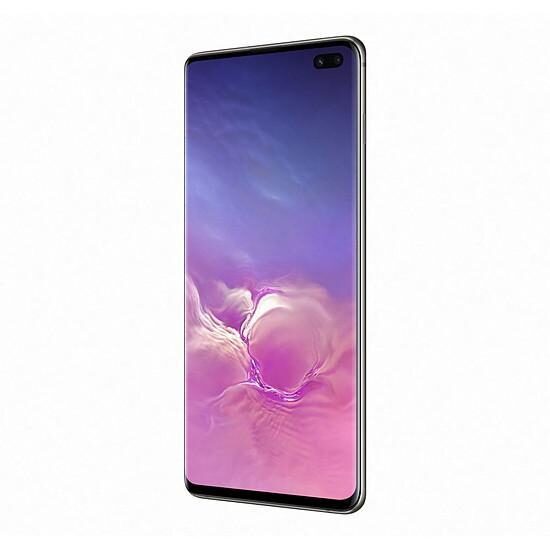
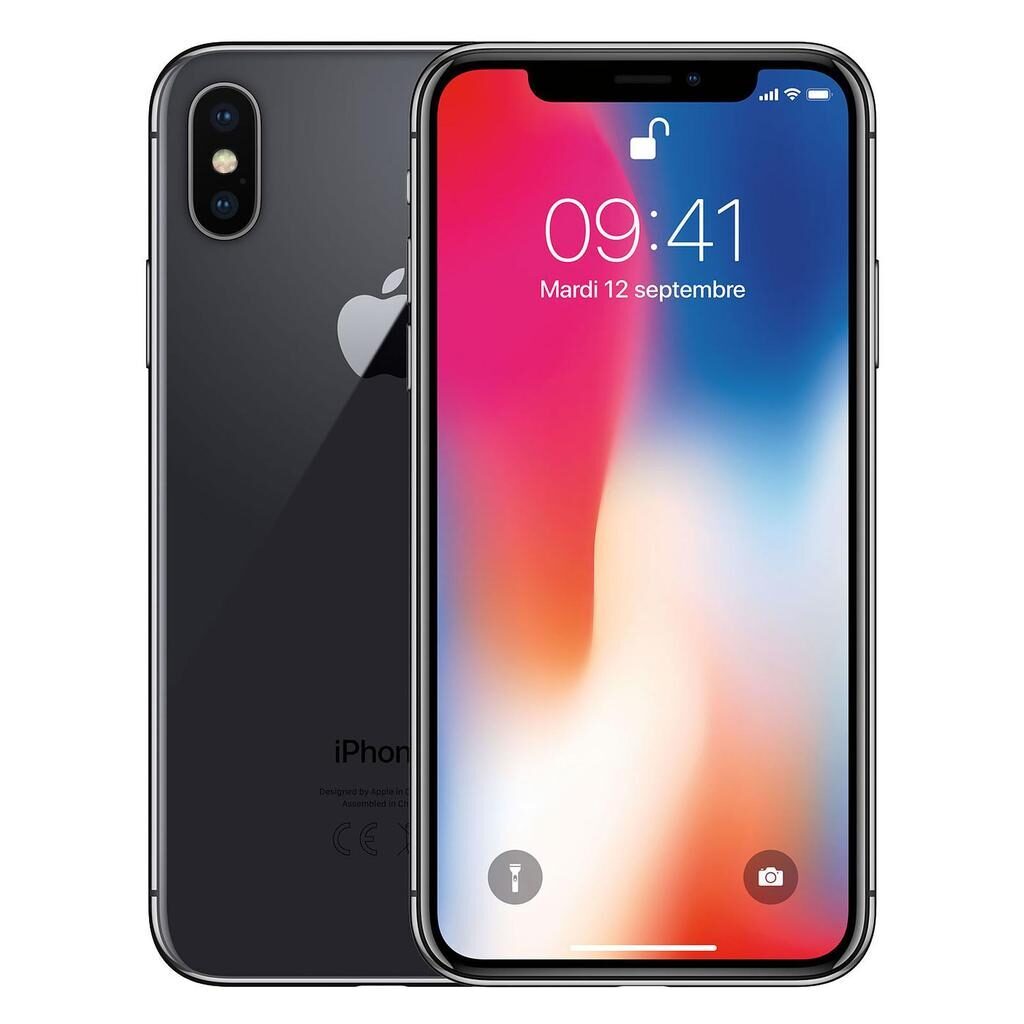
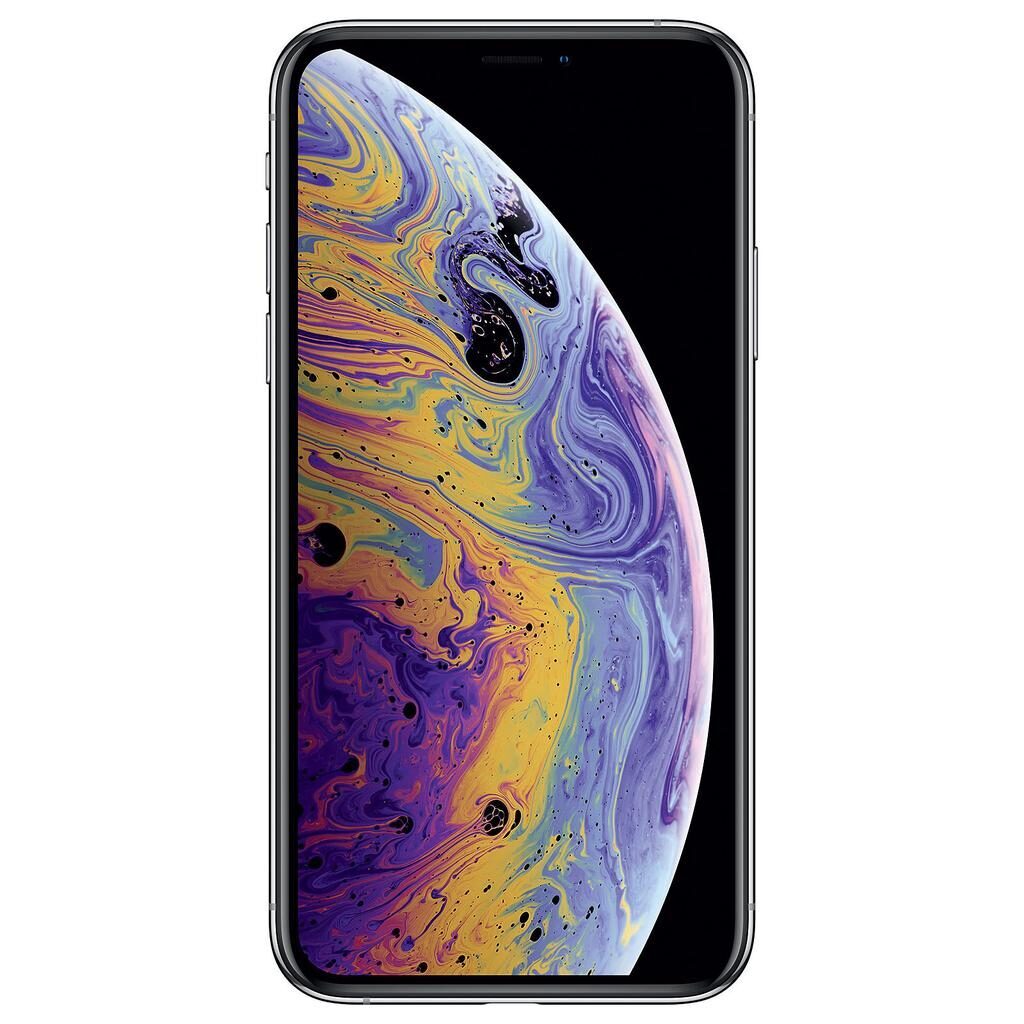
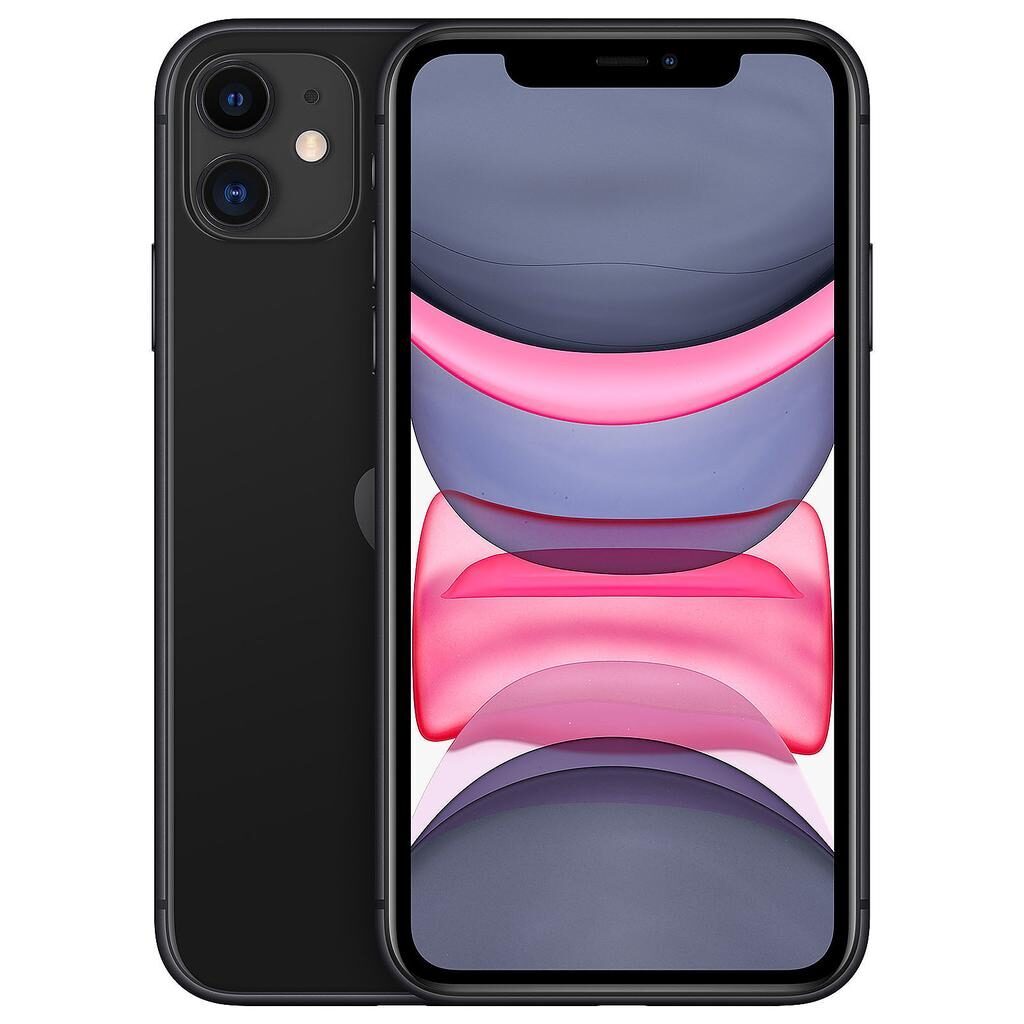
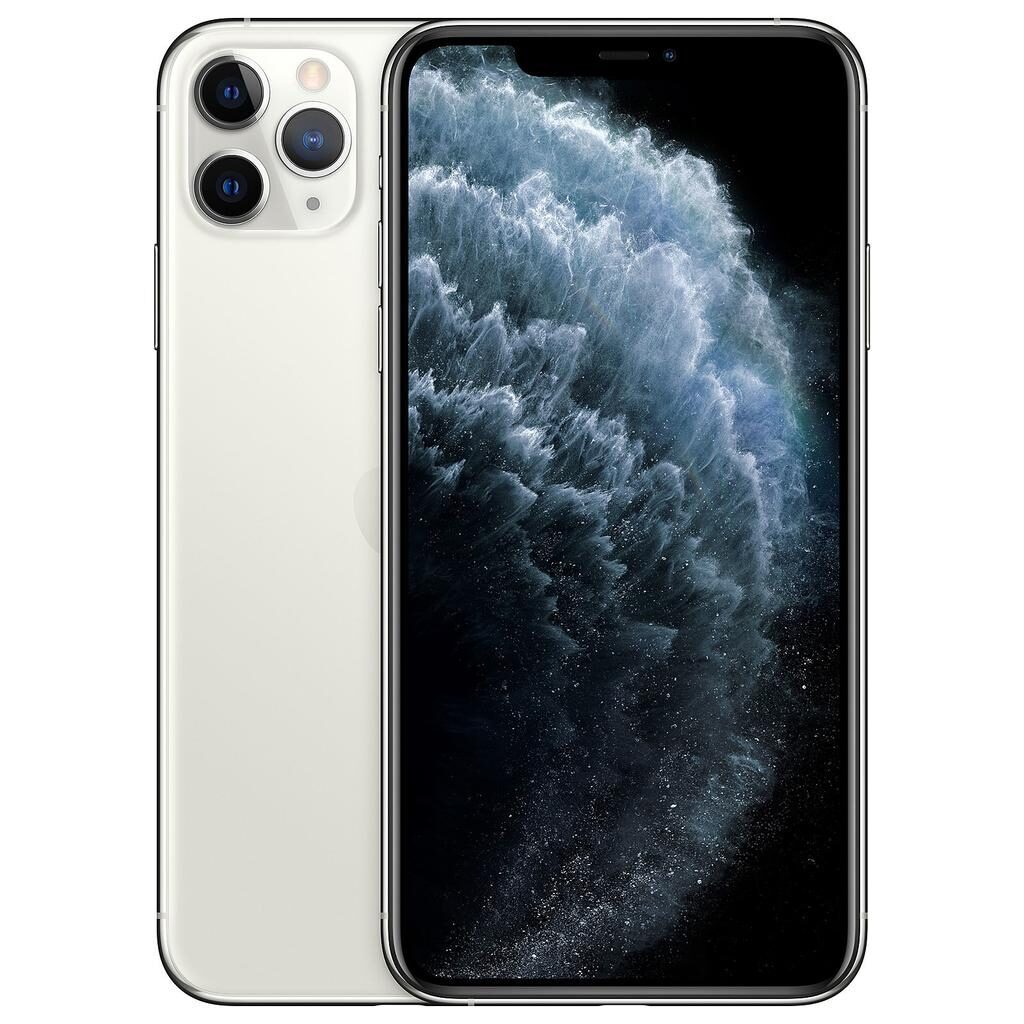
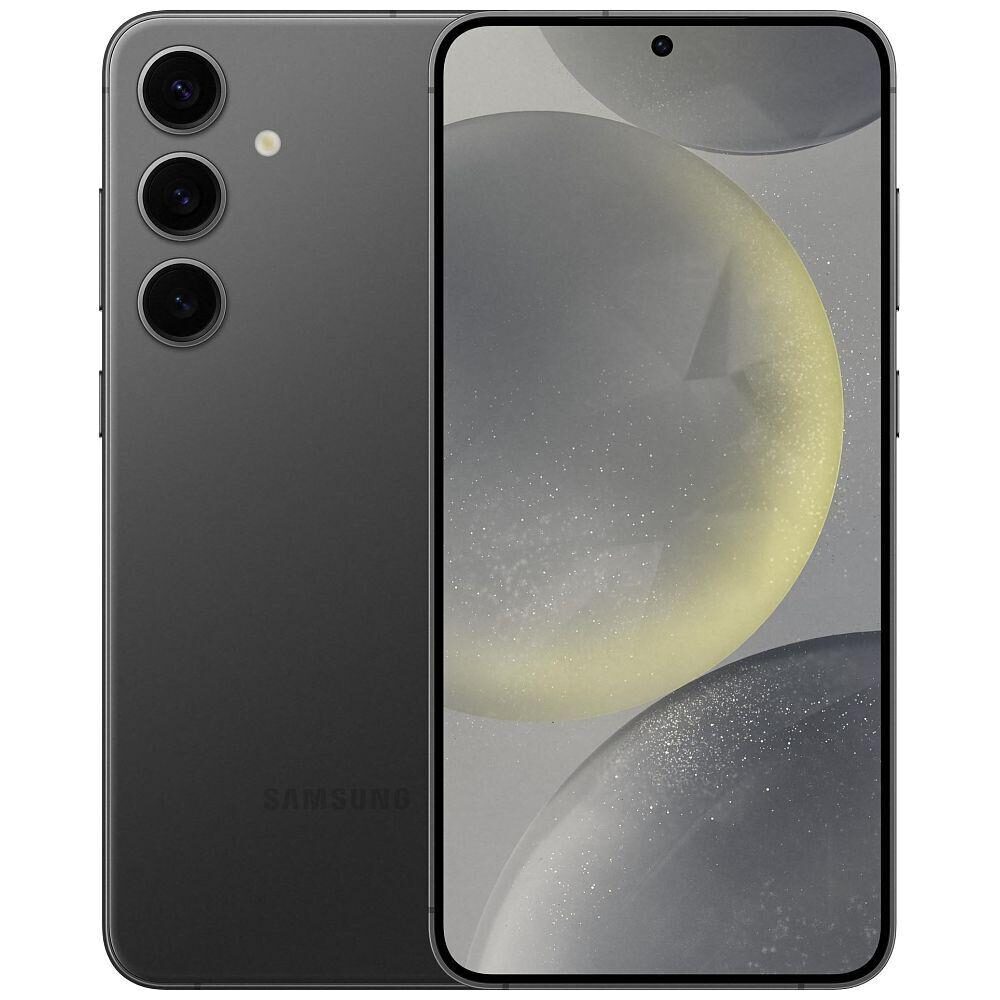
iPhone Air vs iPhone XR
Shop iPhone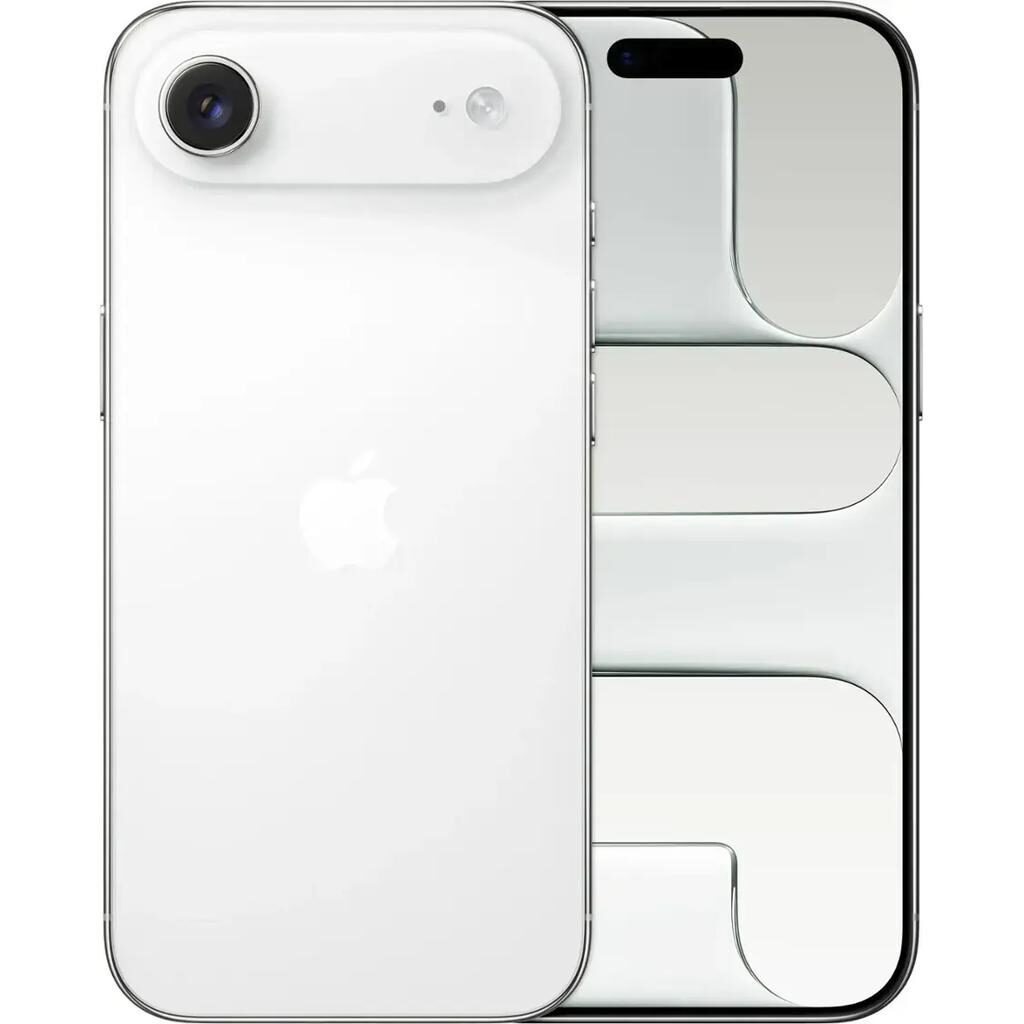
iPhone Air
Starting at
£687.30£999.00 new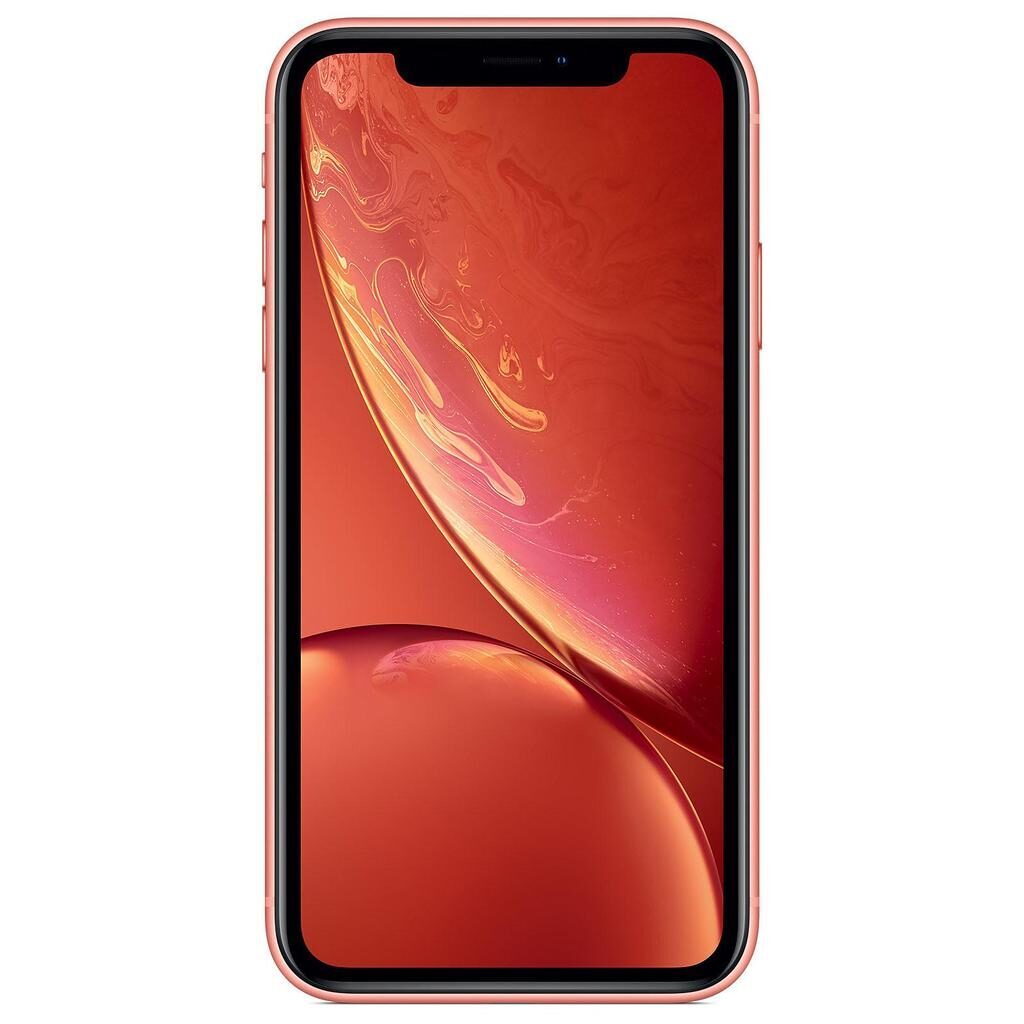
iPhone XR
Starting at
£130.30£399.00 newWhat's the difference between the iPhone Air and iPhone XR?
iPhone Air vs XR comes down to the chipset, RAM and screen size. Refurbished, the iPhone XR starts at £130.30, £557 less than the iPhone Air. The iPhone Air is the newer model, released in 2025.
Refurbished from
Chipset
RAM
Screen size
Screen type
Main camera
- Chipset: Apple A19 Pro on the iPhone Air, Apple A12 Bionic (7 nm) on the iPhone XR.
- The iPhone Air has more RAM: 12 GB vs 3 GB.
- The iPhone Air has a bigger screen: 6.5 inch vs 6.1 inch.
iPhone Air vs iPhone XR specs
The iPhone Air and iPhone XR suit different users based on their features. The iPhone Air offers a larger and higher resolution Super Retina XDR screen, more memory, and stronger cameras, making it a good choice for those who want a more detailed display and photo quality. It supports 5G and uses a USB-C connector, appealing to people who use faster networks and prefer newer charging standards. The iPhone XR is a simpler option with a smaller Liquid Retina IPS LCD screen and fewer megapixels on its cameras. It supports 4G and uses the Lightning connector, fitting buyers looking for a straightforward device with physical SIM support and a lighter price point. Both phones are unlocked and do not fold, but the iPhone Air will receive software updates longer than the iPhone XR.
iPhone Air vs iPhone XR price
Colour
iPhone Air vs iPhone XR battery life and software updates
Durability covers how long these phones will keep up with software and their physical dimensions. The iPhone Air and XR do not fold but differ in software support and release year.
Software Updates
The iPhone Air supports software updates up to iOS 27, which means it will receive new features and security updates for longer. The iPhone XR's software updates ended in April 2026 with iOS 18. If you want a phone that stays current with Apple software for more years, the iPhone Air suits you better.
Physical Size
The iPhone Air is slimmer and lighter, measuring 5.6 mm in depth and weighing 165 g. The iPhone XR is thicker at 8.3 mm and heavier at 194 g. If you prefer a slimmer, lighter phone for easier handling and pocket comfort, the iPhone Air fits that preference.
Battery
Foldable
Ip rating
Software updates
Wireless charging
Year of release
iPhone Air vs iPhone XR performance
Chipset
RAM
iPhone Air vs iPhone XR screen
Screen quality impacts your viewing experience for videos, reading, and daily use. The iPhone Air and iPhone XR have different screen sizes, resolutions, and display technologies.
Screen Size and Resolution
The iPhone Air has a 6.5 inch screen with a resolution of 2736 by 1260 pixels, offering a larger and sharper display. The iPhone XR has a 6.1 inch screen with 828 by 1792 pixels, which is smaller and less sharp. If you watch videos or use apps that benefit from a larger, clearer screen, the iPhone Air is better suited.
Screen Type
The iPhone Air uses a Super Retina XDR display, which typically means more vibrant colours and better contrast. The iPhone XR has a Liquid Retina IPS LCD, which provides accurate colours but less contrast. For rich visuals and a more immersive viewing experience, the iPhone Air is the choice.
Refresh rate
Resolution
Screen size
Screen type
iPhone Air vs iPhone XR camera
Camera quality influences how detailed your photos and selfies will be. The iPhone Air and XR differ in megapixel counts for their front and main cameras.
Front Camera
The iPhone Air has an 18 megapixel front camera, allowing for more detailed selfies and video calls. The iPhone XR's front camera is 7 megapixels, which suits everyday use but with less detail. If you take many selfies or make video calls and want sharper images, the iPhone Air is preferable.
Main Camera
The iPhone Air features a 48 megapixel main camera, capturing photos with greater detail and clarity. The iPhone XR has a 12 megapixel main camera, suitable for typical photos but with fewer pixels. For photography enthusiasts or those who want higher resolution images, the iPhone Air offers more capability.
Camera type
Front camera
Main camera
iPhone Air vs iPhone XR size and design
Other differences include connectivity, physical design, and storage options, which affect how you use the phone day to day.
Network and SIM
The iPhone Air supports 5G mobile networks, giving access to faster data speeds where available. It uses an eSIM only, which is a digital SIM. The iPhone XR supports 4G and offers both a physical SIM and an eSIM, which suits people who want a physical SIM card slot for their network.
Connector Type
The iPhone Air uses a USB-C connector, which is common on many modern devices and can be convenient if you use USB-C chargers or accessories. The iPhone XR uses a Lightning connector, which is standard for many Apple devices from its time.
Storage Options
The iPhone Air is available with larger storage options of 256GB, 512GB and 1TB, suitable for users who store many apps, photos, and videos. The iPhone XR is available with 64GB, 128GB and 256GB, fitting users with more basic storage needs.
Dimensions and Weight
The iPhone Air is taller at 156.2 mm and slightly narrower at 74.7 mm, while the iPhone XR is 150.9 mm tall and 75.7 mm wide. The Air is also lighter by nearly 30 grams. This means the Air feels more slender and lighter in hand.
Carrier compatibility
Connector
Depth
Height
Mobile network
Release date
SD card slot
SIM card
Weight
Width
iPhone Air or iPhone XR: which should you buy?
Buy the iPhone Air if
- you want more RAM (12 GB vs 3 GB)
- you want a bigger screen (6.5 inch vs 6.1 inch)
- you want a higher-resolution main camera (48 megapixels vs 12 megapixels)
Buy the iPhone XR if
- you want to spend less: it starts at £130.30, £557 less than the iPhone Air
What our customers say
Customers who have the iPhone Air say it looks almost brand new and often mention excellent battery health with very few charge cycles. They appreciate the phone's smooth performance and good camera quality, especially for taking photos and staying in touch. Many note the phone's condition as premium and praise its battery life lasting a full day. Some mention the challenge of finding a case that keeps the phone slim but protects it well. Overall, reviews highlight satisfaction with the phone's appearance, performance, and camera.
Reviews of the iPhone XR show customers are happy with its condition, often describing it as looking like new and working well. Battery health is generally good, though some note replacement batteries are not official Apple ones. Customers appreciate the screen size as suitable for everyday use, especially for those who prefer a simpler phone. The phone feels solid and fast for daily tasks, and many find it good value. Setup is described as easy and the phone is recommended for its reliability and condition.
The iPhone Air suits buyers wanting a phone with a larger, sharper screen and stronger cameras who value longer software updates and lighter weight. The iPhone XR fits those who prefer a smaller screen, physical SIM support, and a straightforward device for everyday use with good condition and value.
iPhone Air vs iPhone XR FAQs
iPhone Air vs XR comes down to the chipset, RAM and screen size. Chipset: Apple A19 Pro on the iPhone Air, Apple A12 Bionic (7 nm) on the iPhone XR. The iPhone Air has more RAM: 12 GB vs 3 GB.
The iPhone XR is cheaper refurbished, from £130.30 compared with £687.30 for the iPhone Air.
The iPhone Air has a higher-resolution main camera: 48 megapixels vs 12 megapixels.
The iPhone Air is still supported and can run iOS 27. Updates for the iPhone XR ended in Apr 2026. Its last version is iOS 18.
The iPhone Air adds more RAM (12 GB vs 3 GB), a bigger screen (6.5 inch vs 6.1 inch) and a higher-resolution main camera (48 megapixels vs 12 megapixels). Refurbished, it costs £557 more (from £687.30 vs £130.30).
Refurbished, the iPhone Air comes in 256GB, 512GB and 1TB, and the iPhone XR in 64GB, 128GB and 256GB.