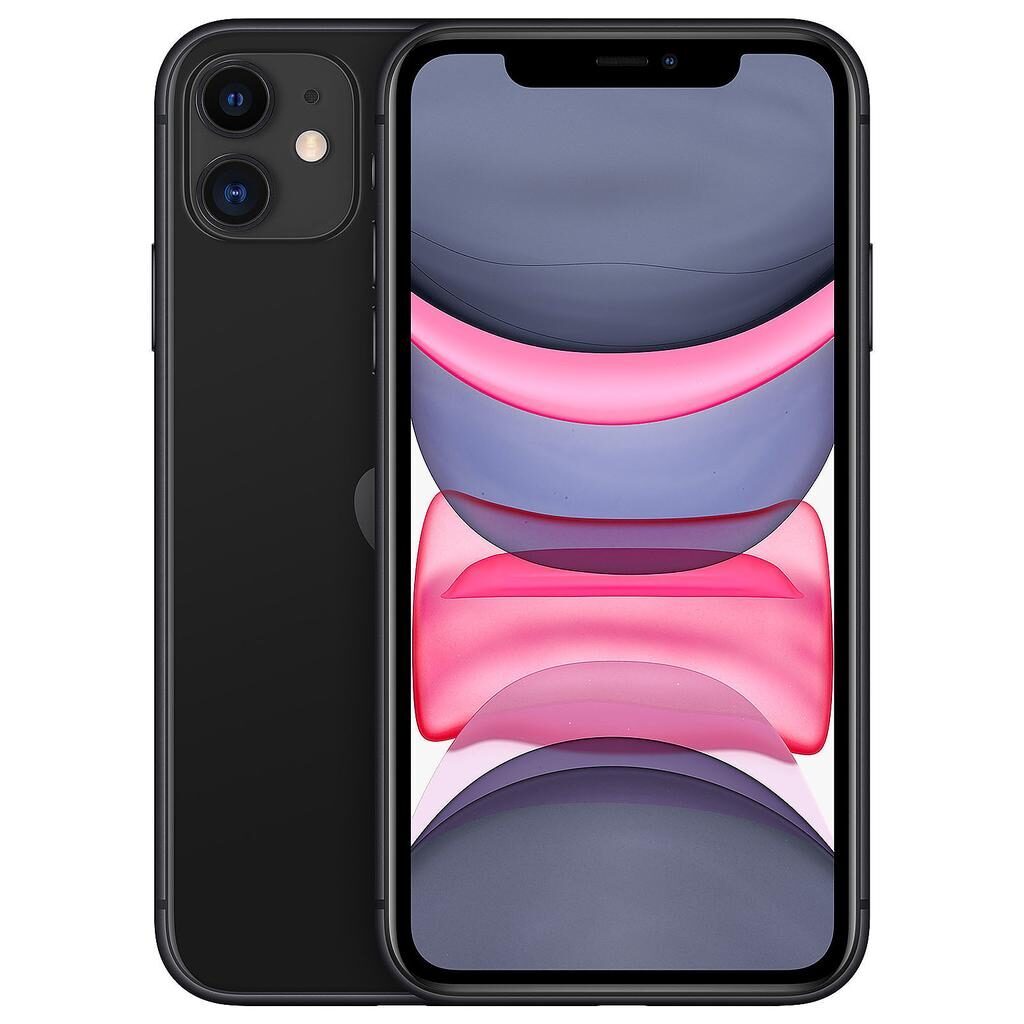
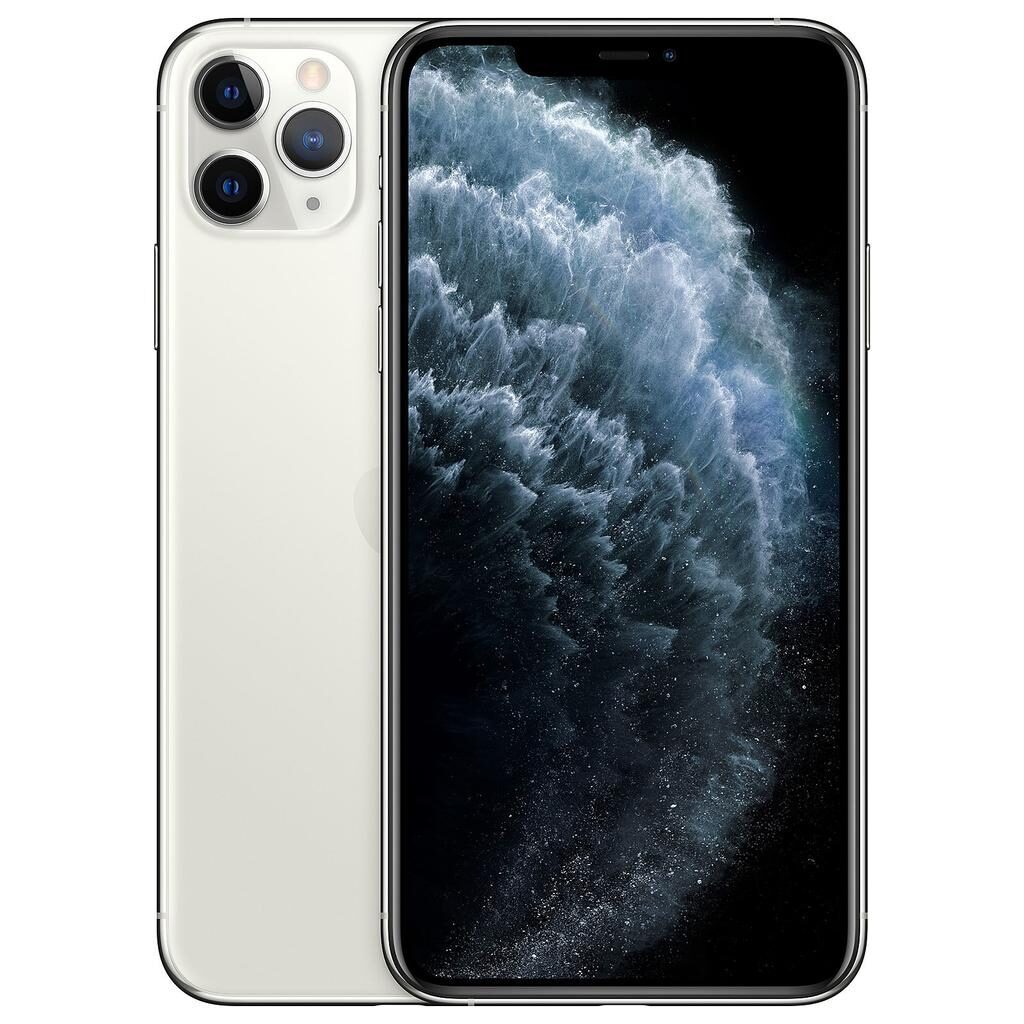
Galaxy S10e vs iPhone XR
Shop Samsung Galaxy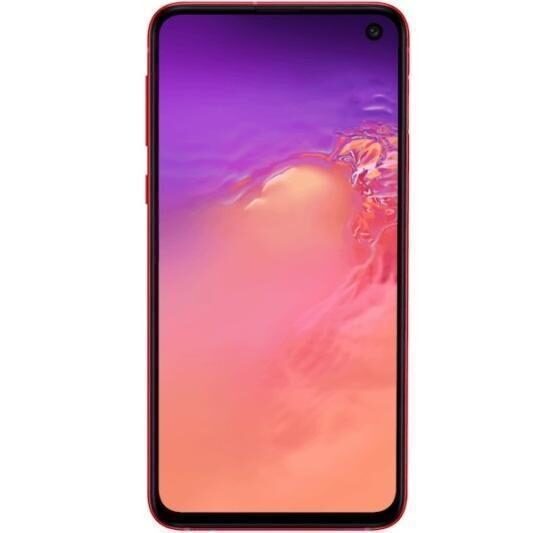
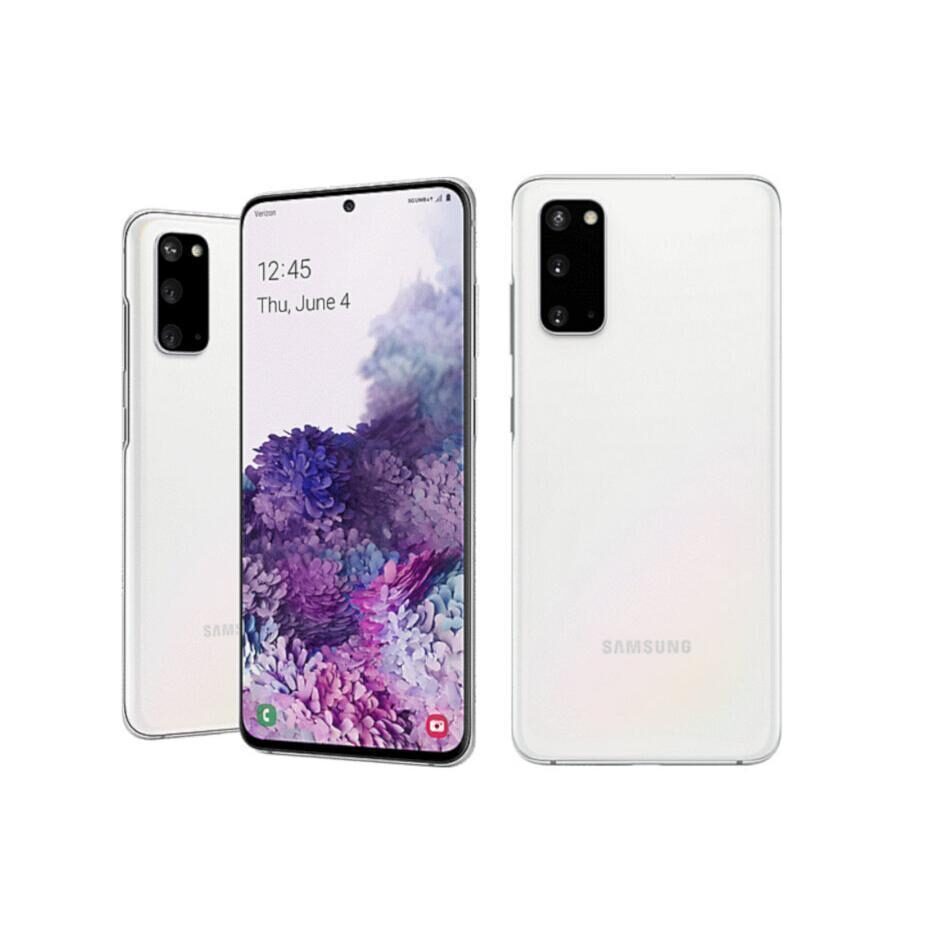
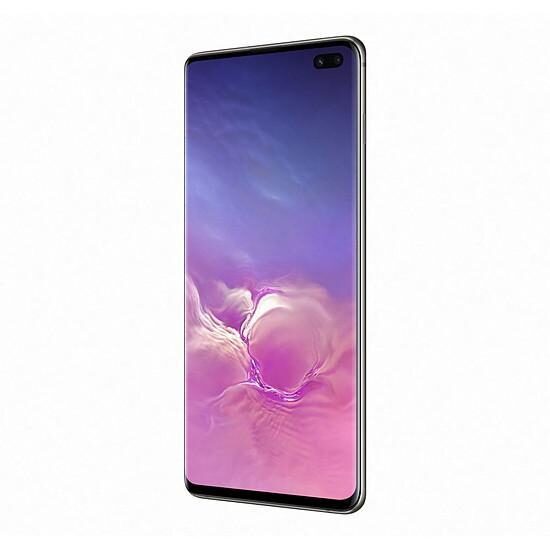
Galaxy S10e
Starting at
£114.20£439.00 new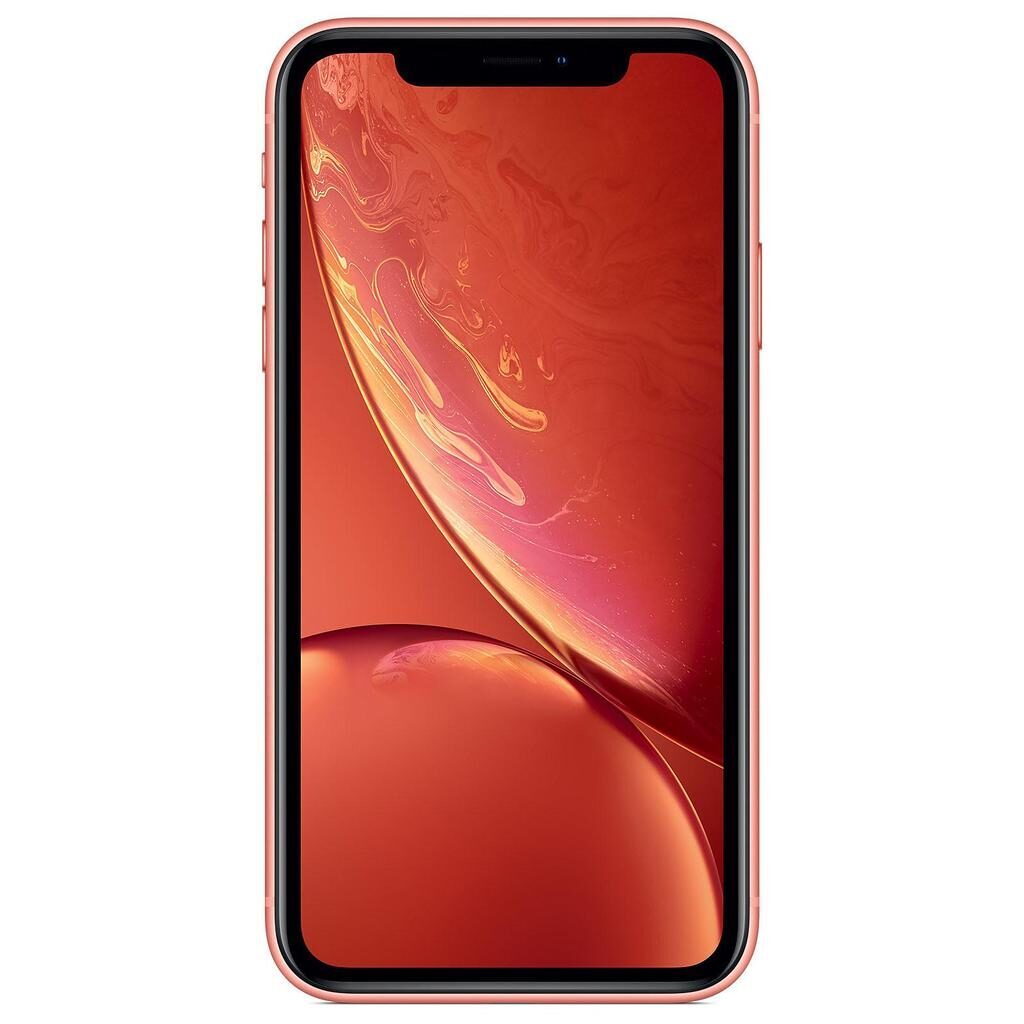
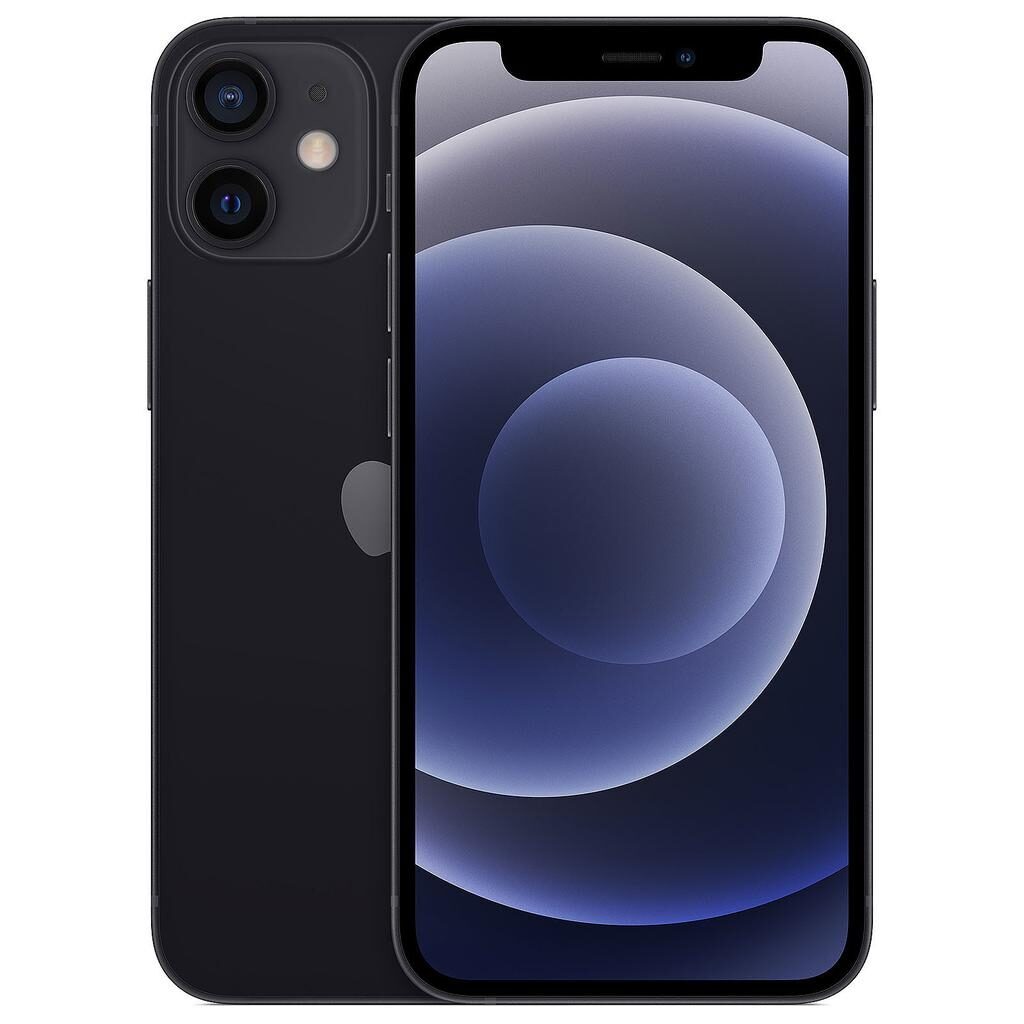
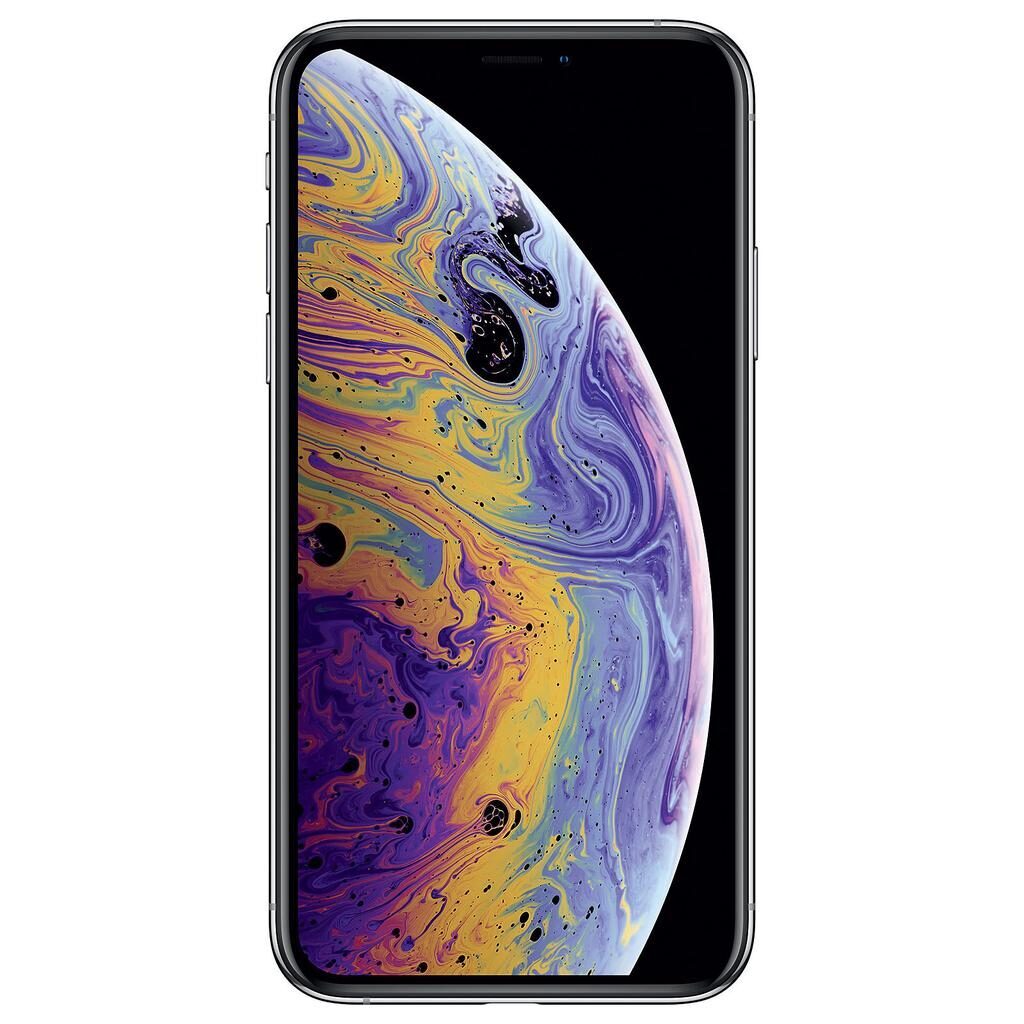
iPhone XR
Starting at
£130.30£399.00 newWhat's the difference between the Galaxy S10e and iPhone XR?
Galaxy S10e vs iPhone XR comes down to the chipset, RAM and battery. Refurbished, the Galaxy S10e starts at £114.20, £16.10 less than the iPhone XR. The Galaxy S10e is the newer model, released in 2019.
Refurbished from
Chipset
RAM
Battery
Screen size
Screen type
- Chipset: Exynos 9820 (8 nm), Qualcomm SM8150 Snapdragon 855 (7 nm) on the Galaxy S10e, Apple A12 Bionic (7 nm) on the iPhone XR.
- The Galaxy S10e has more RAM: 6 GB vs 3 GB.
- The Galaxy S10e has a bigger battery: 3100 mAh vs 2942 mAh.
Galaxy S10e vs iPhone XR specs
The Galaxy S10e and iPhone XR offer different strengths that suit different users. The Galaxy S10e has a slightly smaller but sharper Dynamic AMOLED screen, more RAM, and dual rear cameras, which benefits those who want a compact phone with vibrant visuals and multitasking power. The iPhone XR provides a larger Liquid Retina screen, a variety of storage options up to 256GB, and ongoing software updates, making it a good choice for users who want a bigger display, plenty of storage, and long-term iOS support. Battery capacities and weight also differ slightly, which may influence comfort and daily use preferences. Both phones are unlocked and support 4G, suitable for most UK networks.
Galaxy S10e vs iPhone XR price
Colour
Galaxy S10e vs iPhone XR battery life and software updates
Durability covers battery size, software updates, and operating systems. These factors affect how long a phone lasts each day and how long it stays current with new features and security.
Battery Capacity
The Galaxy S10e has a 3100 mAh battery while the iPhone XR has a 2942 mAh battery. This means the Galaxy S10e may provide slightly longer battery life between charges, which could suit users who need extended use without recharging.
Operating System
The Galaxy S10e runs on Android, offering a flexible and customisable experience. The iPhone XR uses iOS, known for its integration and regular updates. Your choice depends on which system you prefer or already use.
Battery
Foldable
Ip rating
Software updates
Wireless charging
Year of release
Galaxy S10e vs iPhone XR performance
Performance involves the chipset, RAM, and storage options. These define how the phones handle apps, multitasking, and data storage.
Processor Choices
The Galaxy S10e uses either the Exynos 9820 or the Qualcomm Snapdragon 855 chipset, both built on efficient manufacturing processes. The iPhone XR uses the Apple A12 Bionic chipset. Each chipset offers solid performance, but the Galaxy S10e provides two variants depending on the version.
RAM Capacity
With 6 GB of RAM, the Galaxy S10e supports more apps running simultaneously without reloading. The iPhone XR has 3 GB of RAM, which suits everyday use and typical app needs on iOS.
Storage Options
The Galaxy S10e is stocked with 128GB of storage, suitable for many users. The iPhone XR offers a range of storage sizes from 64GB to 256GB, making it a better fit if you need more space for apps, photos, or media.
Chipset
RAM
Galaxy S10e vs iPhone XR screen
Screen quality affects how you view videos, photos, and apps. The devices differ in size, resolution, and screen technology, which influences clarity and colour.
Screen Size
The iPhone XR has a larger 6.1 inch screen, giving more room for videos and reading. The Galaxy S10e has a smaller 5.8 inch screen, which may feel easier to hold and pocket but offers less viewing area.
Resolution
The Galaxy S10e's resolution is 1080 x 2280, sharper than the iPhone XR's 828 x 1792. This means the Galaxy S10e's screen shows more detail and sharper images, which benefits users who appreciate crisp visuals.
Screen Type
The Galaxy S10e features a Dynamic AMOLED screen, known for vibrant colours and deep blacks. The iPhone XR uses a Liquid Retina IPS LCD, which offers accurate colours and good brightness but with different visual characteristics than AMOLED.
Resolution
Screen size
Screen type
Galaxy S10e vs iPhone XR camera
Audiovisual features include cameras and front-facing sensors. These affect how you capture photos and video calls.
Rear Cameras
The Galaxy S10e has a dual rear camera setup, which can offer more versatility when taking photos. The iPhone XR has a single rear camera with the same 12 megapixels as the main camera on the Galaxy S10e, suitable for straightforward photography.
Front Camera
The Galaxy S10e has a 10 megapixel front camera, higher in resolution than the iPhone XR's 7 megapixels. This may result in more detailed selfies and sharper video calls on the Galaxy S10e.
Camera type
Front camera
Main camera
Galaxy S10e vs iPhone XR size and design
Miscellaneous features include physical size, weight, connectors, and network compatibility. These details influence daily comfort and accessory use.
Physical Dimensions and Weight
The Galaxy S10e is smaller and lighter at 142.2 mm tall, 69.9 mm wide, 7.9 mm deep, and 150 g. The iPhone XR is larger and heavier, measuring 150.9 mm tall, 75.7 mm wide, 8.3 mm deep, and 194 g. The Galaxy S10e suits those who prefer compact phones, while the iPhone XR suits users who want a bigger device.
Connector Types
The Galaxy S10e includes both USB-C and a 3.5mm headphone jack, allowing wired headphones and common charging options. The iPhone XR uses a Lightning connector, which is standard for iPhones but requires compatible cables or adapters.
SIM and Network
Both phones support 4G and use physical SIM cards. The iPhone XR also supports eSIM, giving more flexibility if you want to use multiple lines or switch carriers without swapping SIM cards.
Expandable Storage
The Galaxy S10e supports microSDXC cards, allowing you to expand storage beyond the built-in capacity. This is useful if you want to add more space for media and files.
Carrier compatibility
Connector
Depth
Height
Mobile network
SD card slot
SIM card
Weight
Width
Galaxy S10e or iPhone XR: which should you buy?
Buy the Galaxy S10e if
- you want to spend less: it starts at £114.20, £16.10 less than the iPhone XR
- you want more RAM (6 GB vs 3 GB)
- you want a bigger battery (3100 mAh vs 2942 mAh)
Buy the iPhone XR if
- you want a bigger screen (6.1 inch vs 5.8 inch)
What our customers say
Customers who bought the Galaxy S10e often comment on its excellent condition and smooth performance. Many mention the 6 GB of RAM keeps the phone running fast without lag. The compact size and good storage are appreciated for daily use. Some note minor wear or battery life that varies depending on condition, but overall users are very happy with the phone's speed, screen, and feel. The USB-C port and headphone jack are also liked for their convenience.
Customers choosing the iPhone XR highlight its nearly new look and easy setup. The variety of storage options lets users pick what suits them best. The larger screen size is popular, especially with those who prefer more viewing space. Buyers also report smooth operation and good performance with the A12 Bionic chip. Some mention the battery replacement might not be official Apple but it still works well. The eSIM support is an added flexibility appreciated by some.
In summary, the Galaxy S10e fits users wanting a faster multitasking phone with a sharper screen and more physical ports in a smaller size. The iPhone XR suits those who want a bigger display, a range of storage options, and ongoing iOS updates for everyday use.
Galaxy S10e vs iPhone XR FAQs
Galaxy S10e vs iPhone XR comes down to the chipset, RAM and battery. Chipset: Exynos 9820 (8 nm), Qualcomm SM8150 Snapdragon 855 (7 nm) on the Galaxy S10e, Apple A12 Bionic (7 nm) on the iPhone XR. The Galaxy S10e has more RAM: 6 GB vs 3 GB.
The Galaxy S10e is cheaper refurbished, from £114.20 compared with £130.30 for the iPhone XR.
The Galaxy S10e has a bigger battery: 3100 mAh vs 2942 mAh.
Both have the same main camera: 12 megapixels.
Updates for the Galaxy S10e ended in Apr 2023. Updates for the iPhone XR ended in Apr 2026. Its last version is iOS 18.
Refurbished, the Galaxy S10e comes in 128GB, and the iPhone XR in 64GB, 128GB and 256GB.