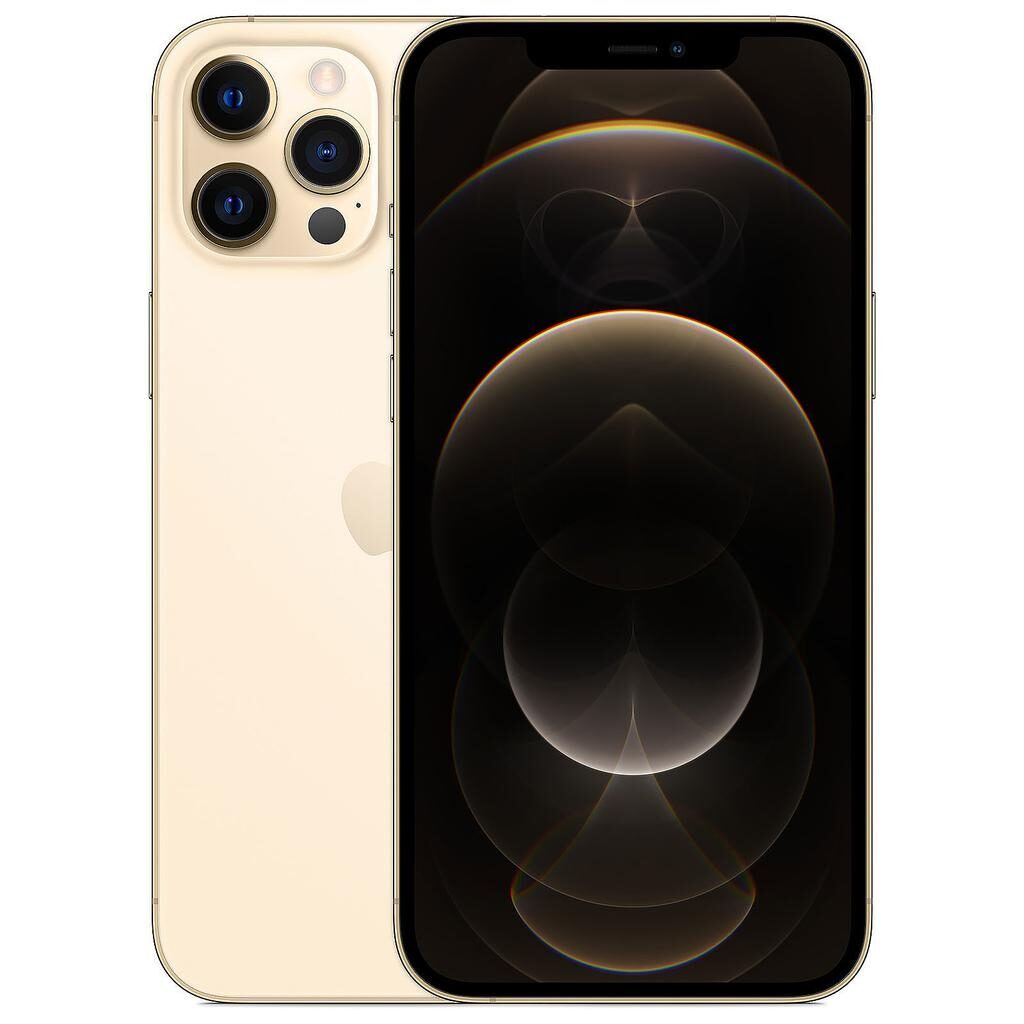
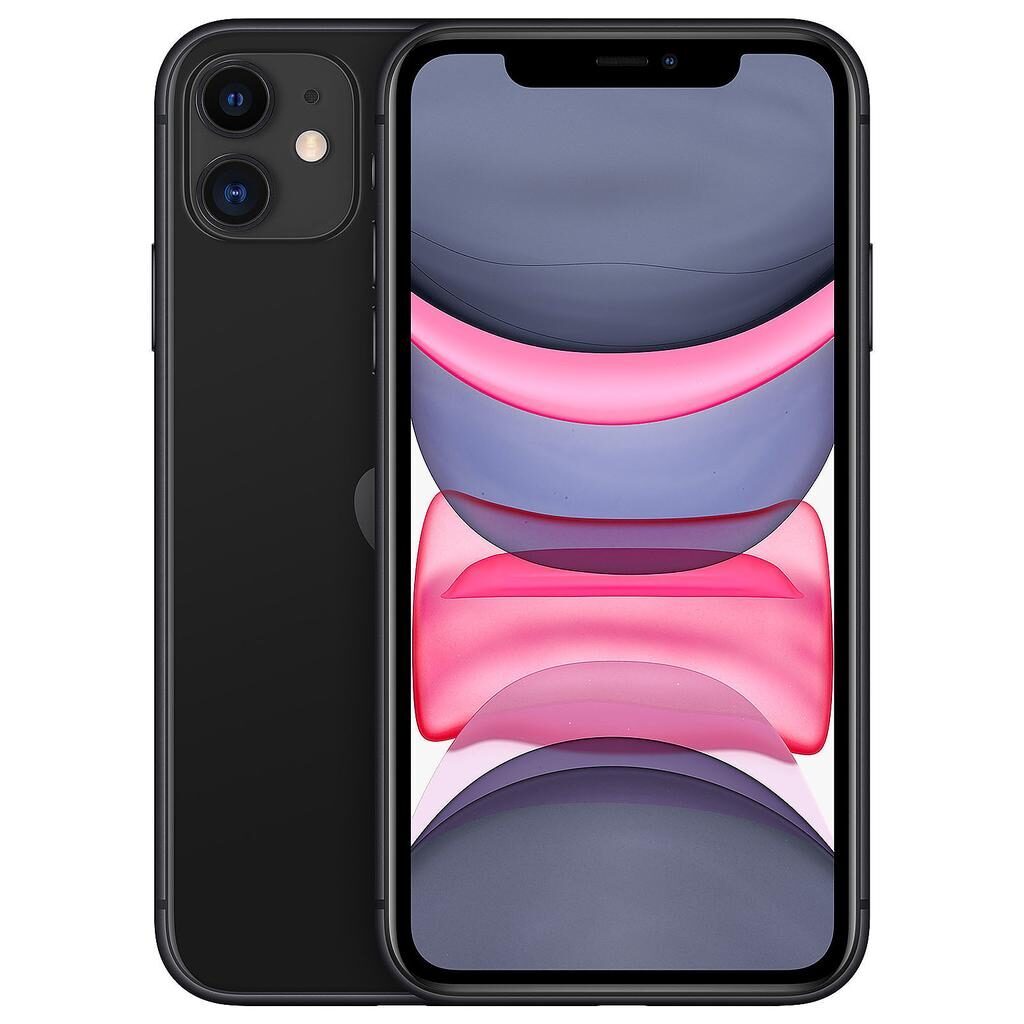
iPhone 17 vs iPhone SE (2020)
Shop iPhone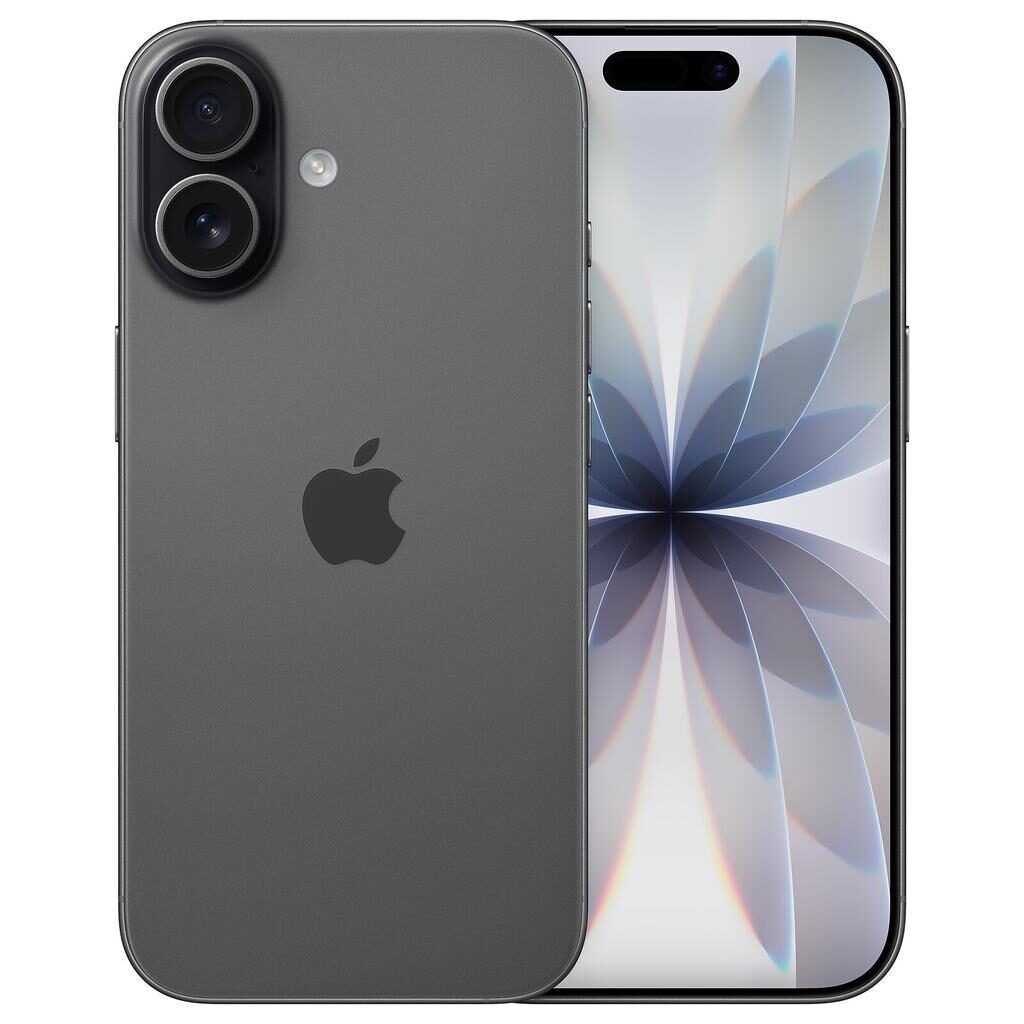
iPhone 17
Starting at
£713.34£799.00 new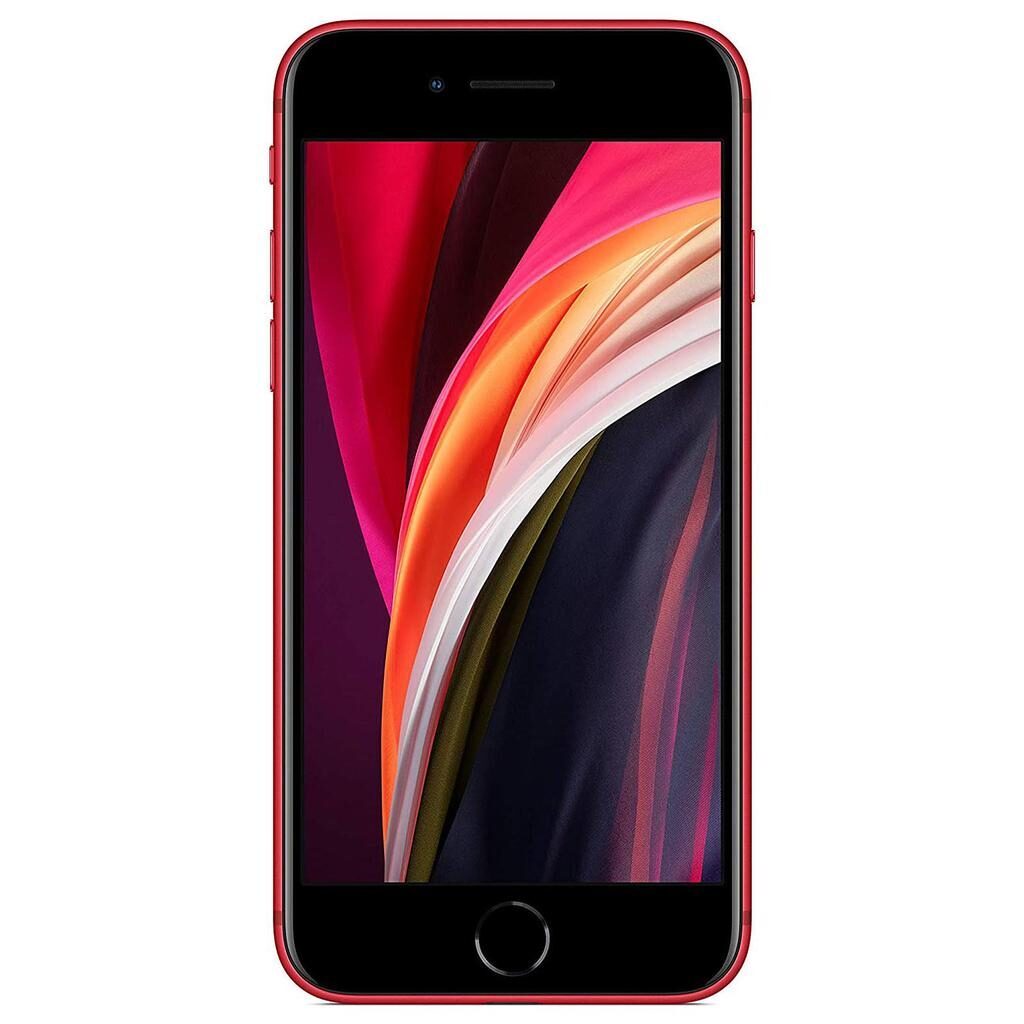
iPhone SE (2020)
Starting at
£75.11£289.00 newWhat's the difference between the iPhone 17 and iPhone SE (2020)?
iPhone 17 vs iPhone SE (2020) comes down to the chipset, RAM and screen size. Refurbished, the iPhone SE (2020) starts at £75.11, £638.23 less than the iPhone 17. The iPhone 17 is the newer model, released in 2025.
Refurbished from
Chipset
RAM
Screen size
Screen type
Main camera
- Chipset: Apple A19 on the iPhone 17, Apple A13 Bionic on the iPhone SE (2020).
- The iPhone 17 has more RAM: 8 GB vs 3 GB.
- The iPhone 17 has a bigger screen: 6.3 inch vs 4.7 inch.
iPhone 17 vs iPhone SE (2020) specs
The iPhone 17 offers a larger, higher-resolution Super Retina XDR screen and more RAM, making it suitable if you want a roomier display and smoother multitasking. The iPhone SE (2020) has a smaller Retina IPS LCD screen, which is easier to handle with one hand and suits simpler daily use. Camera resolution and mobile network support also vary, with the iPhone 17 providing higher megapixels and 5G connectivity, while the SE offers 4G. Both devices are unlocked and support physical SIM and eSIM options, but the iPhone 17 uses USB-C, whereas the SE (2020) uses Lightning connectors.
iPhone 17 vs iPhone SE (2020) price
Colour
iPhone 17 vs iPhone SE (2020) battery life and software updates
Both the iPhone 17 and iPhone SE (2020) share some key qualities here.
Update Compatibility
This means you can expect ongoing software support and access to new features for the apps and services you use. This commonality ensures both devices stay current with security and usability improvements.
OS and Design
Each device runs iOS, providing a familiar and consistent user experience. Neither device is foldable, so both maintain a traditional smartphone design. This suits users who prefer a straightforward, durable phone without moving parts.
Battery
Foldable
Ip rating
Software updates
Wireless charging
Year of release
iPhone 17 vs iPhone SE (2020) performance
Chipset
RAM
iPhone 17 vs iPhone SE (2020) screen
Screen quality influences how you see photos, videos, and apps. The iPhone 17 and iPhone SE (2020) differ in size, resolution, and display technology, which affects clarity and viewing comfort.
Screen Size and Resolution
The iPhone 17 has a 6.3 inch screen with a resolution of 2622 by 1206. This larger, higher-resolution screen provides a spacious and sharp display, ideal for watching videos, reading, and multitasking. The iPhone SE (2020) has a 4.7 inch screen with a resolution of 750 by 1334, which makes it more compact and easier to use with one hand, suitable for everyday tasks and simple navigation.
Screen Type
The iPhone 17 features a Super Retina XDR display, offering vibrant colours and deep contrast. This type of screen suits users who value high-quality visuals for media and photography. The iPhone SE (2020) uses a Retina IPS LCD screen, which delivers clear and accurate colours suitable for general use and reading.
Refresh rate
Resolution
Screen size
Screen type
iPhone 17 vs iPhone SE (2020) camera
Camera quality is key if you often take photos or video calls. The iPhone 17 and iPhone SE (2020) differ in megapixel counts for both front and main cameras, affecting image detail.
Front Camera
The iPhone 17 has an 18 megapixel front camera, capturing more detail in selfies and video calls. This higher resolution suits users who prioritise clear, sharp front-facing photos or frequent video conferencing. The iPhone SE (2020) has a 7 megapixel front camera, which is adequate for everyday video chats and casual selfies.
Main Camera
For the main camera, the iPhone 17 offers 48 megapixels, allowing for detailed and high-resolution photos. This benefits users who often photograph landscapes, events, or want to zoom in without losing clarity. The iPhone SE (2020) provides 12 megapixels, which works well for regular photography and social media sharing.
Front camera
Main camera
iPhone 17 vs iPhone SE (2020) size and design
Other important features include network support, charging ports, and weight. These affect how you connect, carry, and use your device day to day.
Network Compatibility
The iPhone 17 supports 5G networks, offering faster mobile internet speeds where available. This suits users who want quicker downloads, smoother streaming, or future-proofing their mobile connectivity. The iPhone SE (2020) supports 4G networks, which provides reliable speeds for everyday browsing and communication.
Connector Type
The iPhone 17 uses a USB-C connector for charging and accessories. USB-C is widely used and supports faster data transfer and charging options for many modern devices. The iPhone SE (2020) uses a Lightning connector, which is common on earlier iPhones and compatible accessories.
Weight and Portability
The iPhone 17 weighs 177 g, reflecting its larger size and screen. This weight suits users comfortable with a slightly heavier phone offering more screen space. The iPhone SE (2020) weighs 148 g, making it easier to carry and handle for those preferring a lighter device.
SIM Options
Both devices support a physical SIM card plus eSIM. This flexibility allows for multiple mobile plans or easy switching between carriers without changing physical cards.
Storage Options
You can find the iPhone 17 in 256GB and 512GB storage capacities, making it suitable if you store large amounts of photos, apps, or media. The iPhone SE (2020) is available in 64GB, 128GB, and 256GB, offering options for lighter use or those who prefer smaller storage sizes.
Carrier compatibility
Connector
Depth
Height
Mobile network
Release date
SD card slot
SIM card
Weight
Width
iPhone 17 or iPhone SE (2020): which should you buy?
Buy the iPhone 17 if
- you want more RAM (8 GB vs 3 GB)
- you want a bigger screen (6.3 inch vs 4.7 inch)
- you want a higher-resolution main camera (48 megapixels vs 12 megapixels)
Buy the iPhone SE (2020) if
- you want to spend less: it starts at £75.11, £638.23 less than the iPhone 17
- you want a lighter build (148 g vs 177 g)
What our customers say
Customers say the iPhone 17 looks like new and performs smoothly. Many note excellent battery health and no visible wear, comparing it favourably to new phones. The size and speed satisfy those upgrading from earlier models or wanting more screen space and camera detail. Users appreciate the ease of setup and comment on the phone's condition and value for money.
For the iPhone SE (2020), customers often mention it feels like a brand new device and works perfectly for everyday use. It suits people buying their first phone or gifting it to family members. Reviews highlight good condition and reasonable battery life. Some users find it ideal for simpler tasks and appreciate the affordable price.
The iPhone 17 is suited to users who want a larger screen, higher camera resolution, and faster network speeds. The iPhone SE (2020) fits those who prefer a smaller, lighter phone with essential features for everyday use and a lower price point.
iPhone 17 vs iPhone SE (2020) FAQs
iPhone 17 vs iPhone SE (2020) comes down to the chipset, RAM and screen size. Chipset: Apple A19 on the iPhone 17, Apple A13 Bionic on the iPhone SE (2020). The iPhone 17 has more RAM: 8 GB vs 3 GB.
The iPhone SE (2020) is cheaper refurbished, from £75.11 compared with £713.34 for the iPhone 17.
The iPhone 17 has a higher-resolution main camera: 48 megapixels vs 12 megapixels.
The iPhone 17 is still supported and can run iOS 27. The iPhone SE (2020) is still supported and can run iOS 27.
The iPhone 17 adds more RAM (8 GB vs 3 GB), a bigger screen (6.3 inch vs 4.7 inch) and a higher-resolution main camera (48 megapixels vs 12 megapixels). Refurbished, it costs £638.23 more (from £713.34 vs £75.11).
Refurbished, the iPhone 17 comes in 256GB and 512GB, and the iPhone SE (2020) in 64GB, 128GB and 256GB.