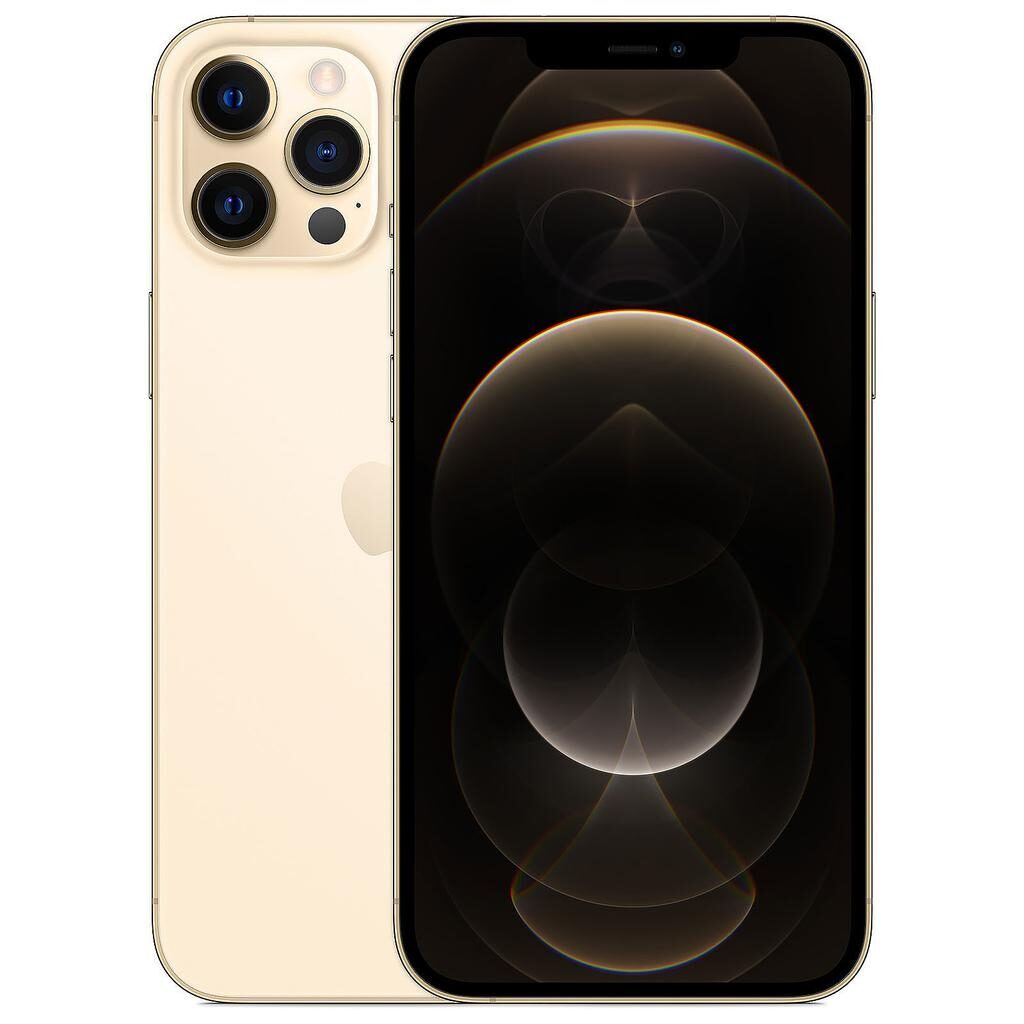
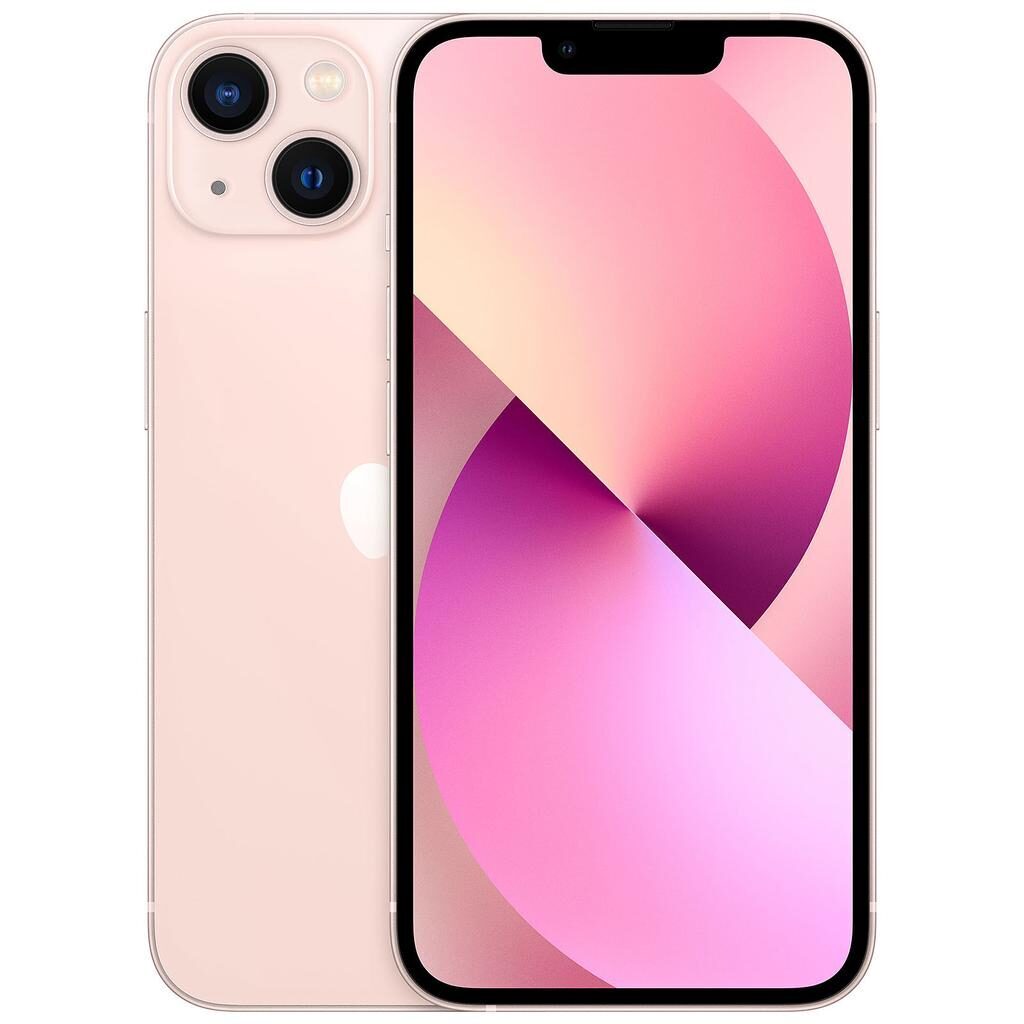
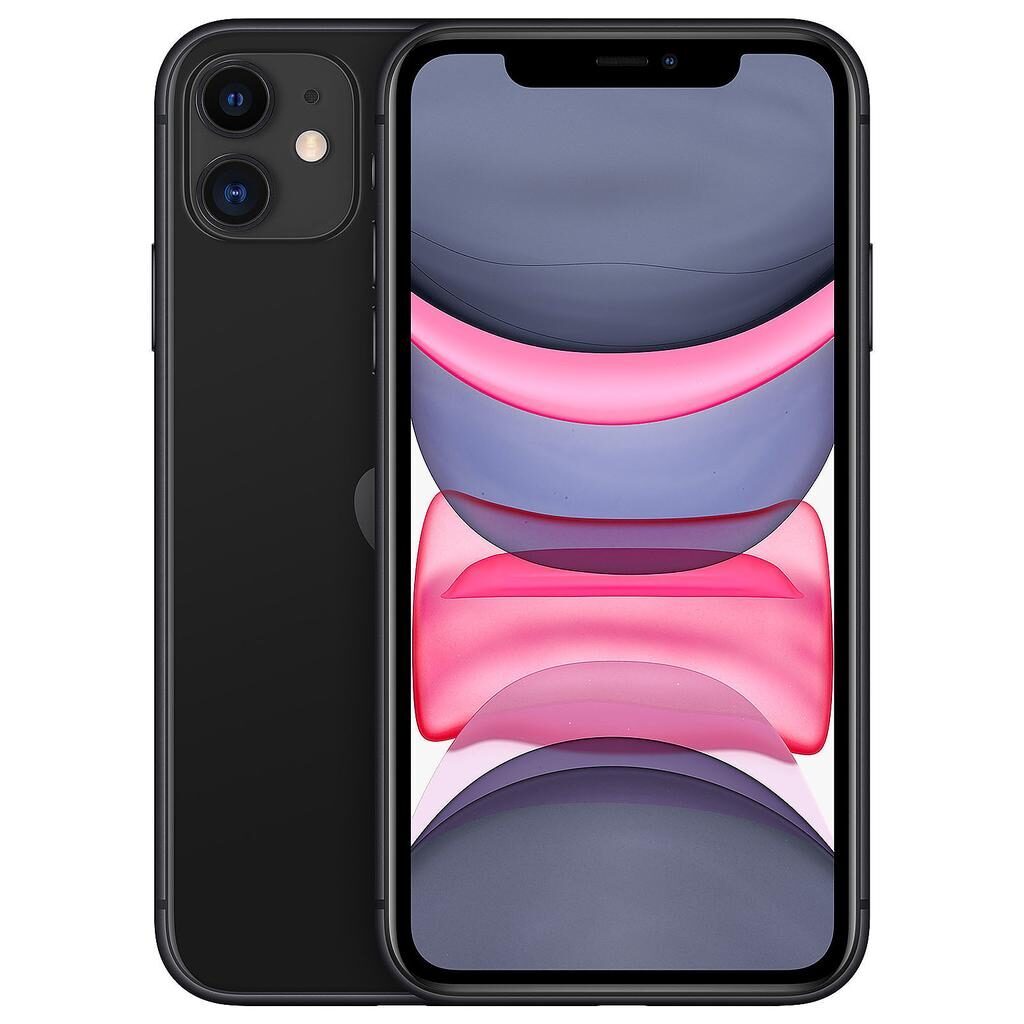
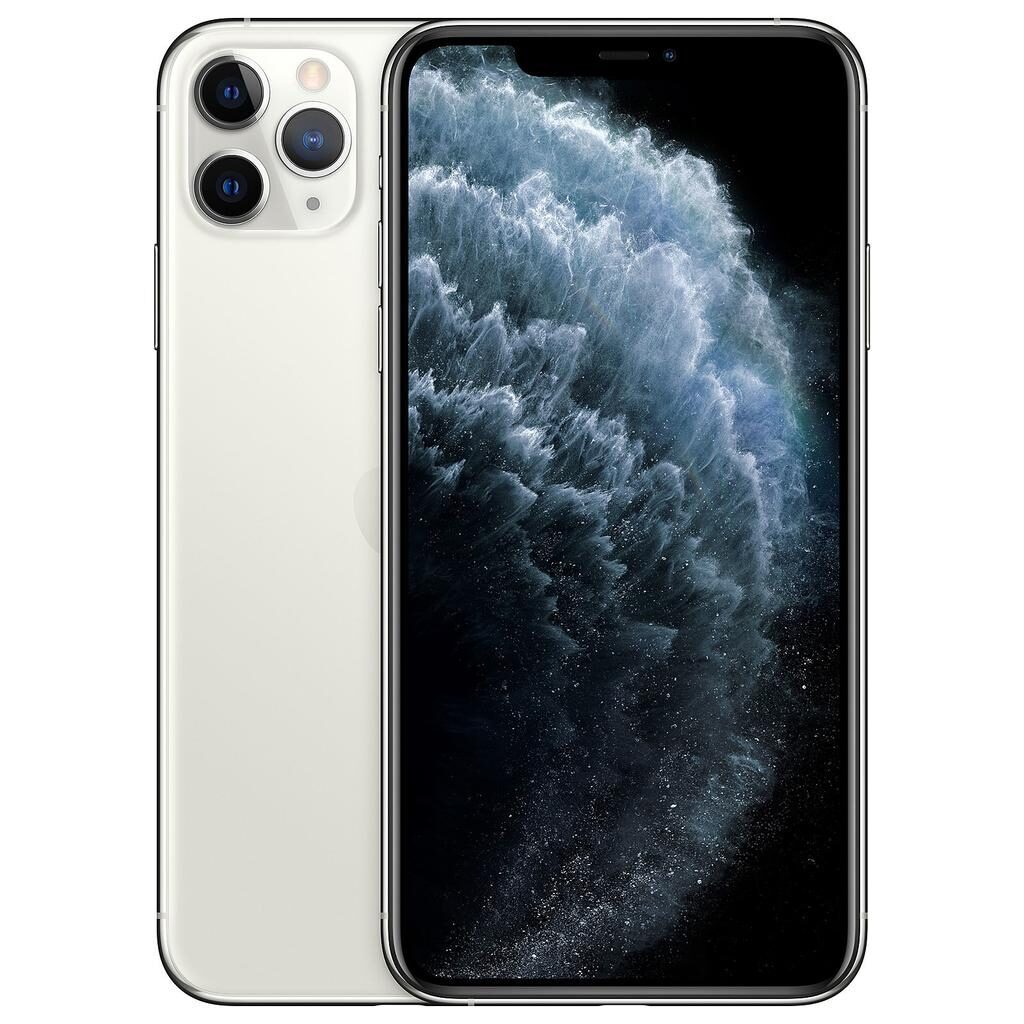
iPhone 17 Pro vs iPhone SE (2020)
Shop iPhone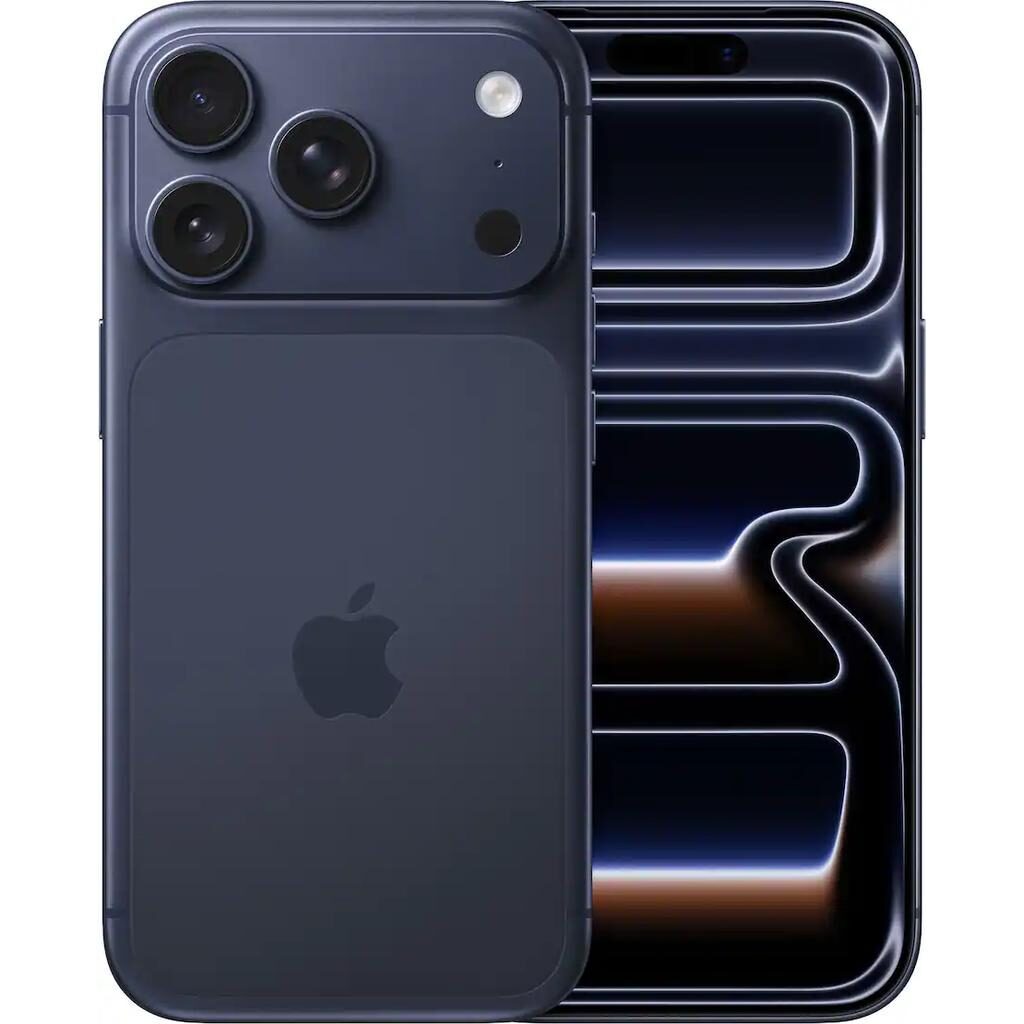
iPhone 17 Pro
Starting at
£1,074.24£1,099.00 new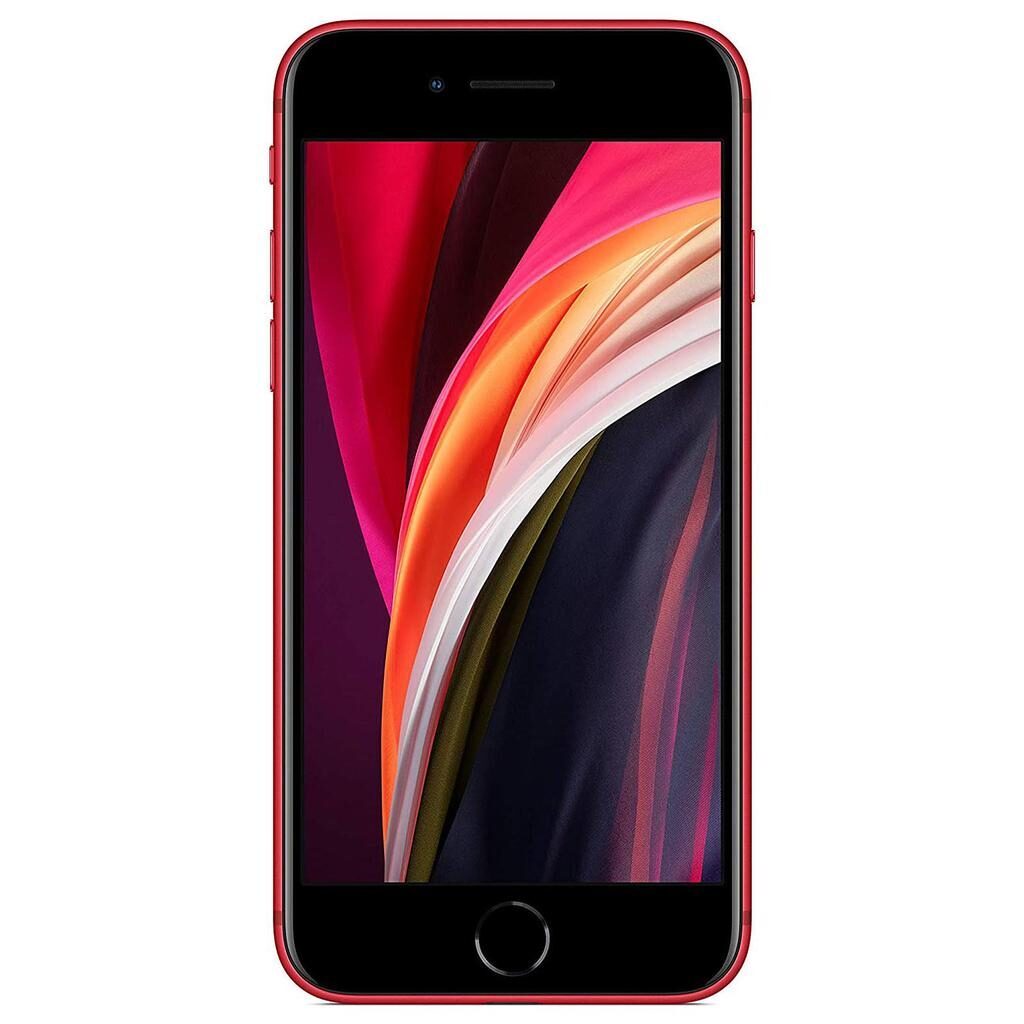
iPhone SE (2020)
Starting at
£75.11£289.00 newWhat's the difference between the iPhone 17 Pro and iPhone SE (2020)?
iPhone 17 Pro vs iPhone SE (2020) comes down to the chipset, RAM and screen size. Refurbished, the iPhone SE (2020) starts at £75.11, £999.13 less than the iPhone 17 Pro. The iPhone 17 Pro is the newer model, released in 2025.
Refurbished from
Chipset
RAM
Screen size
Screen type
Main camera
- Chipset: Apple A19 Pro (3 nm) on the iPhone 17 Pro, Apple A13 Bionic on the iPhone SE (2020).
- The iPhone 17 Pro has more RAM: 12 GB vs 3 GB.
- The iPhone 17 Pro has a bigger screen: 6.3 inch vs 4.7 inch.
iPhone 17 Pro vs iPhone SE (2020) specs
The iPhone 17 Pro and the iPhone SE (2020) differ mainly in screen size and quality, camera resolution, memory, and connectivity options. The iPhone 17 Pro has a larger, higher-resolution Super Retina XDR screen and more RAM, which suits users who want a spacious display for video and multitasking. It also supports 5G and uses USB-C, appealing to those wanting faster network speeds and a modern connector. The iPhone SE (2020) has a smaller screen and fewer megapixels in its cameras, making it suitable for everyday use or as a first phone. It offers physical SIM card support alongside eSIM and uses the Lightning connector.
iPhone 17 Pro vs iPhone SE (2020) price
Colour
iPhone 17 Pro vs iPhone SE (2020) battery life and software updates
Their build style is similar in that neither is foldable, so durability considerations focus on software support and physical design factors.
Latest Software Updates
This means each device can run current apps and features, keeping them useful and secure over time despite differences in release years.
Battery
Foldable
Ip rating
Software updates
Wireless charging
Year of release
iPhone 17 Pro vs iPhone SE (2020) performance
Chipset
RAM
iPhone 17 Pro vs iPhone SE (2020) screen
Screen size, resolution, and type affect how you view content and interact with the device. The iPhone 17 Pro offers a more advanced screen technology and a larger display, which suits users who value screen clarity and space.
Screen Size and Resolution
The iPhone 17 Pro has a 6.3 inch screen with a resolution of 2622x1206, providing a larger and sharper display. This is beneficial for watching videos, reading, or multitasking. The iPhone SE (2020) offers a 4.7 inch screen with 750x1334 resolution, which is more compact and suitable for those who prefer a smaller phone that fits easily in one hand or pocket.
Screen Technology
The iPhone 17 Pro uses Super Retina XDR technology, delivering brighter and more vibrant colours with deeper contrast. The iPhone SE (2020) features a Retina IPS LCD screen, which provides clear and accurate colours but with less brightness and contrast compared to the iPhone 17 Pro.
Refresh rate
Resolution
Screen size
Screen type
iPhone 17 Pro vs iPhone SE (2020) camera
Camera quality is important if you take photos or video often. The resolution of front and main cameras varies, which affects image detail and clarity.
Front Camera Resolution
With an 18 megapixel front camera, the iPhone 17 Pro captures more detail in selfies and video calls. The iPhone SE (2020) has a 7 megapixel front camera, which suits everyday video chats and selfies but with fewer pixels for detail.
Main Camera Resolution
The iPhone 17 Pro's main camera is 48 megapixels, allowing for detailed and high-quality photos. The iPhone SE (2020) offers a 12 megapixel main camera, suitable for general photography needs but with fewer pixels to capture fine details.
Front camera
Main camera
iPhone 17 Pro vs iPhone SE (2020) size and design
Connectivity and physical features vary between these devices, affecting how you use accessories, network services, and SIM cards.
Mobile Network and Connector
The iPhone 17 Pro supports 5G networks for faster mobile internet and uses a USB-C connector, which is common on many modern devices. The iPhone SE (2020) supports 4G and uses a Lightning connector, consistent with many Apple devices from its time.
SIM Card Options
The iPhone 17 Pro uses an eSIM only, meaning it does not have a physical SIM slot. The iPhone SE (2020) supports both a physical SIM and an eSIM, giving more flexibility if you need to swap physical SIM cards.
Weight
Weighing 206 g, the iPhone 17 Pro is heavier than the iPhone SE (2020), which weighs 148 g. The lighter iPhone SE (2020) may be easier to carry and hold for long periods.
Carrier compatibility
Connector
Depth
Height
Mobile network
Release date
SD card slot
SIM card
Weight
Width
iPhone 17 Pro or iPhone SE (2020): which should you buy?
Buy the iPhone 17 Pro if
- you want more RAM (12 GB vs 3 GB)
- you want a bigger screen (6.3 inch vs 4.7 inch)
- you want a higher-resolution main camera (48 megapixels vs 12 megapixels)
Buy the iPhone SE (2020) if
- you want to spend less: it starts at £75.11, £999.13 less than the iPhone 17 Pro
- you want a lighter build (148 g vs 206 g)
What our customers say
Customers buying the iPhone 17 Pro often highlight its excellent condition and battery health, with many saying it looks and works like new. The screen is praised for being clear and bright, especially outdoors, which suits content creators and users who value display quality. Some mention the phone fits comfortably in pockets despite its size. Overall, customers appreciate the premium feel and performance, noting they saved money compared to buying new.
Reviews for the iPhone SE (2020) focus on its suitability as a first phone or a gift, with many appreciating the spotless condition and reliable performance. Users mention it works perfectly for everyday tasks and is a cost-effective choice for those wanting Apple's ecosystem without a high price. The smaller screen and familiar Lightning connector suit those who prefer a compact device.
The iPhone 17 Pro fits users wanting a large, sharp screen and high camera resolution for multitasking and photography. The iPhone SE (2020) suits those who want a simpler, smaller phone for everyday use or as a first device.
iPhone 17 Pro vs iPhone SE (2020) FAQs
iPhone 17 Pro vs iPhone SE (2020) comes down to the chipset, RAM and screen size. Chipset: Apple A19 Pro (3 nm) on the iPhone 17 Pro, Apple A13 Bionic on the iPhone SE (2020). The iPhone 17 Pro has more RAM: 12 GB vs 3 GB.
The iPhone SE (2020) is cheaper refurbished, from £75.11 compared with £1074.24 for the iPhone 17 Pro.
The iPhone 17 Pro has a higher-resolution main camera: 48 megapixels vs 12 megapixels.
The iPhone 17 Pro is still supported and can run iOS 27. The iPhone SE (2020) is still supported and can run iOS 27.
The iPhone 17 Pro adds more RAM (12 GB vs 3 GB), a bigger screen (6.3 inch vs 4.7 inch) and a higher-resolution main camera (48 megapixels vs 12 megapixels). Refurbished, it costs £999.13 more (from £1074.24 vs £75.11).
Refurbished, the iPhone 17 Pro comes in 256GB, 512GB and 1TB, and the iPhone SE (2020) in 64GB, 128GB and 256GB.