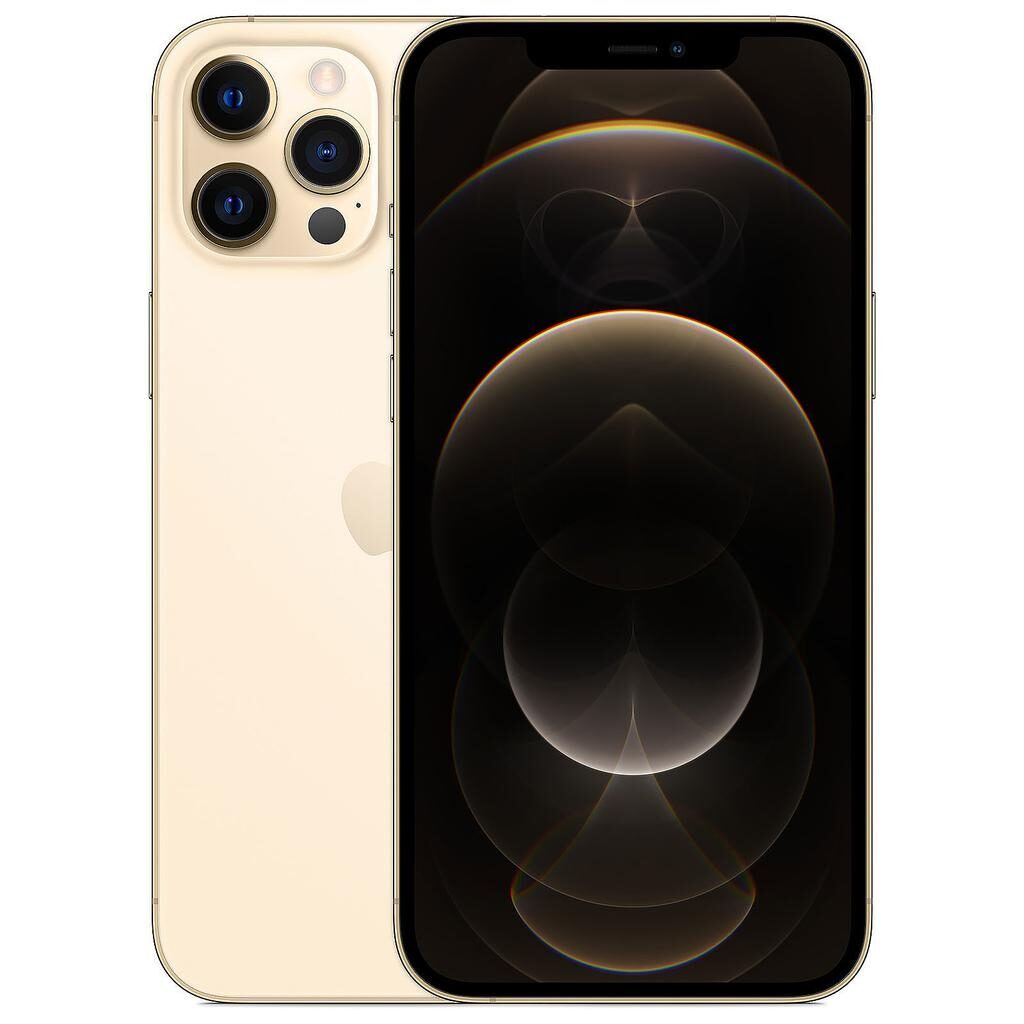
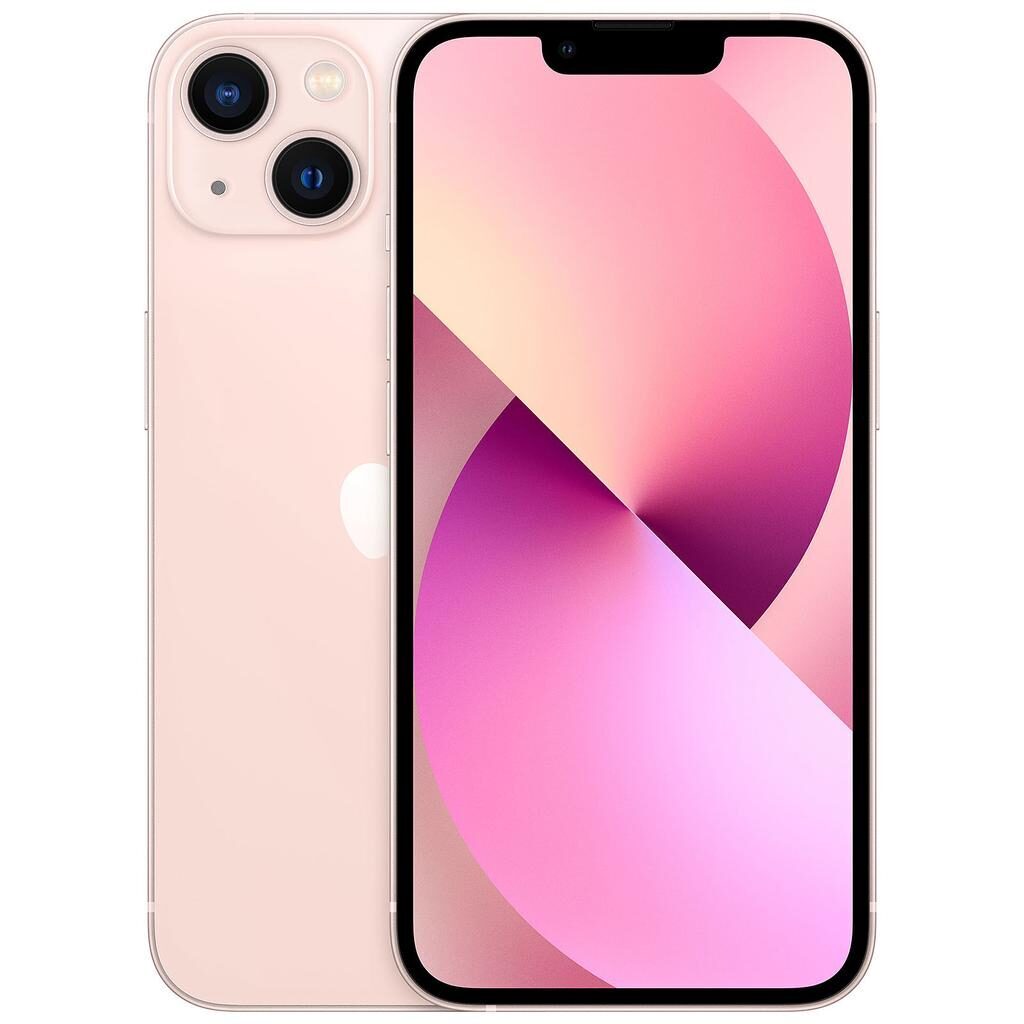
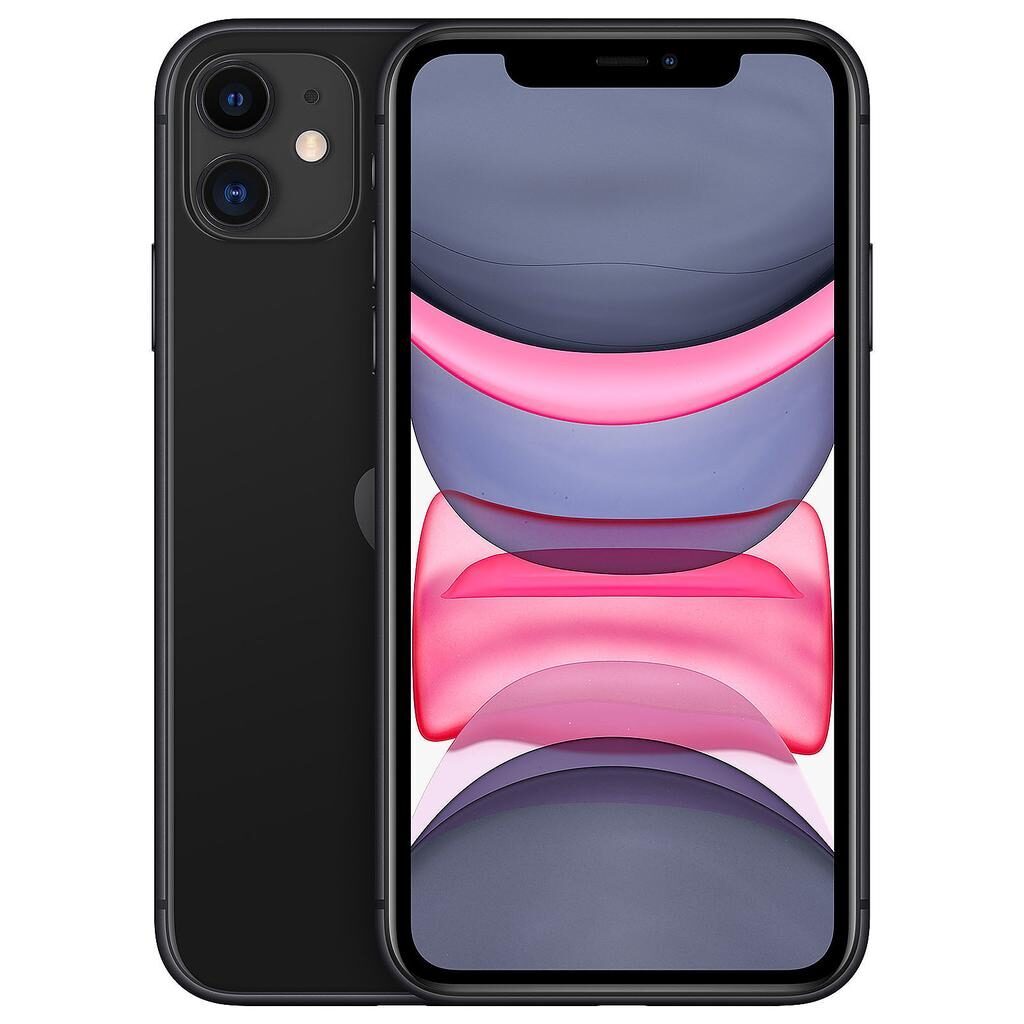
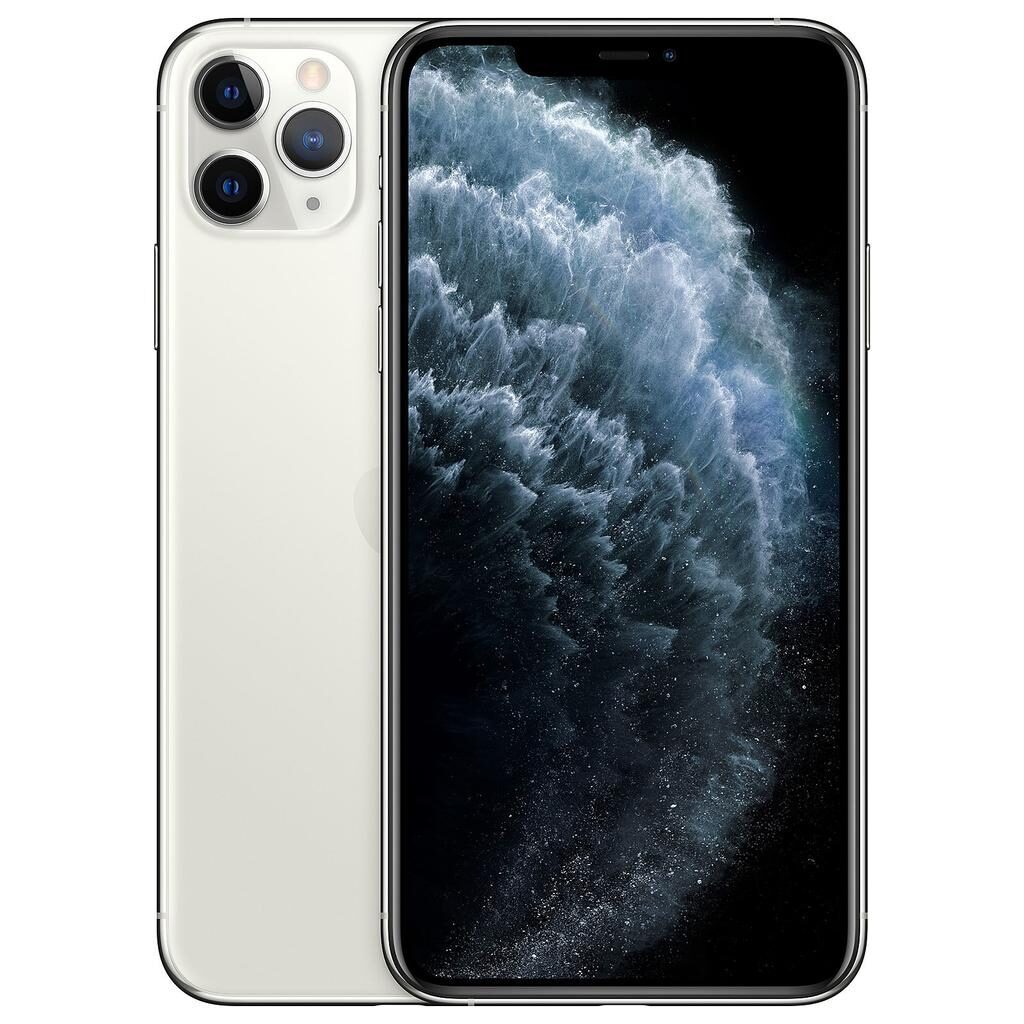
iPhone 16e vs iPhone SE (2020)
Shop iPhone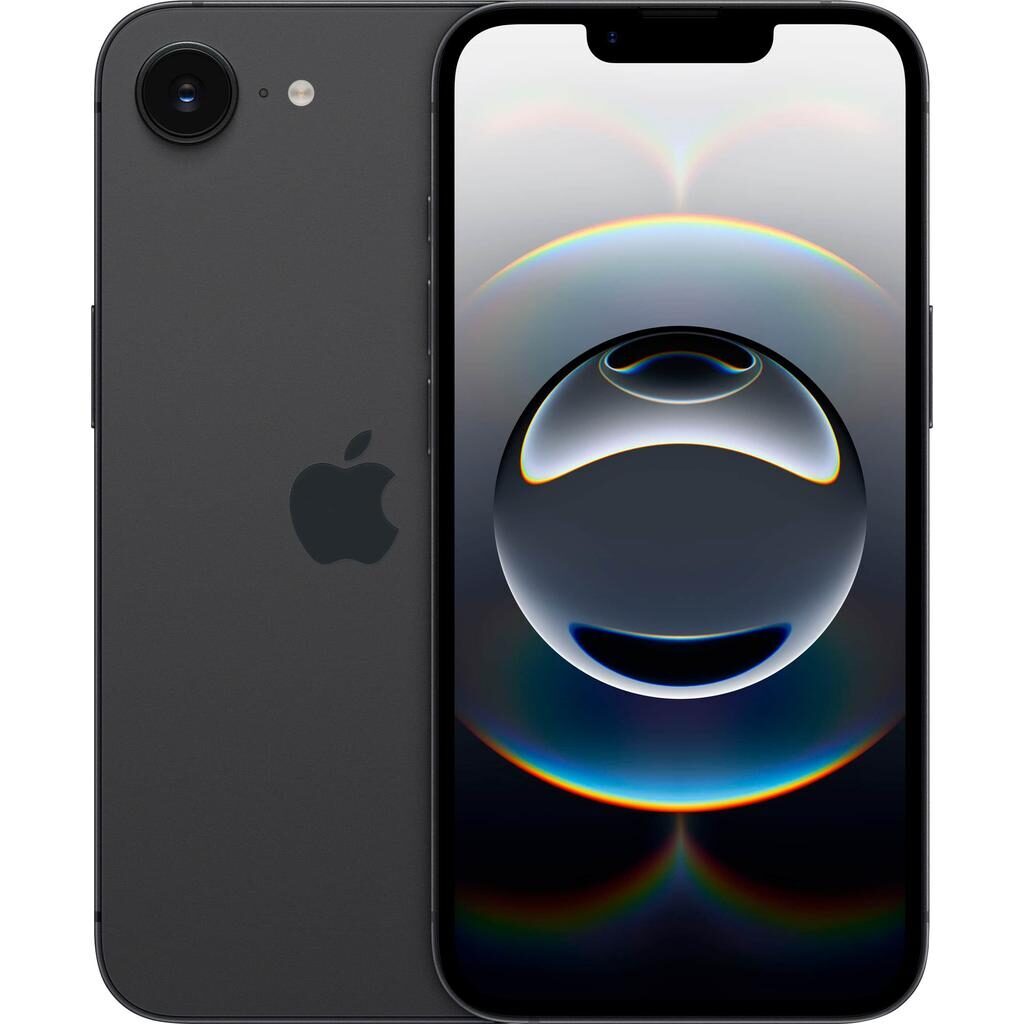
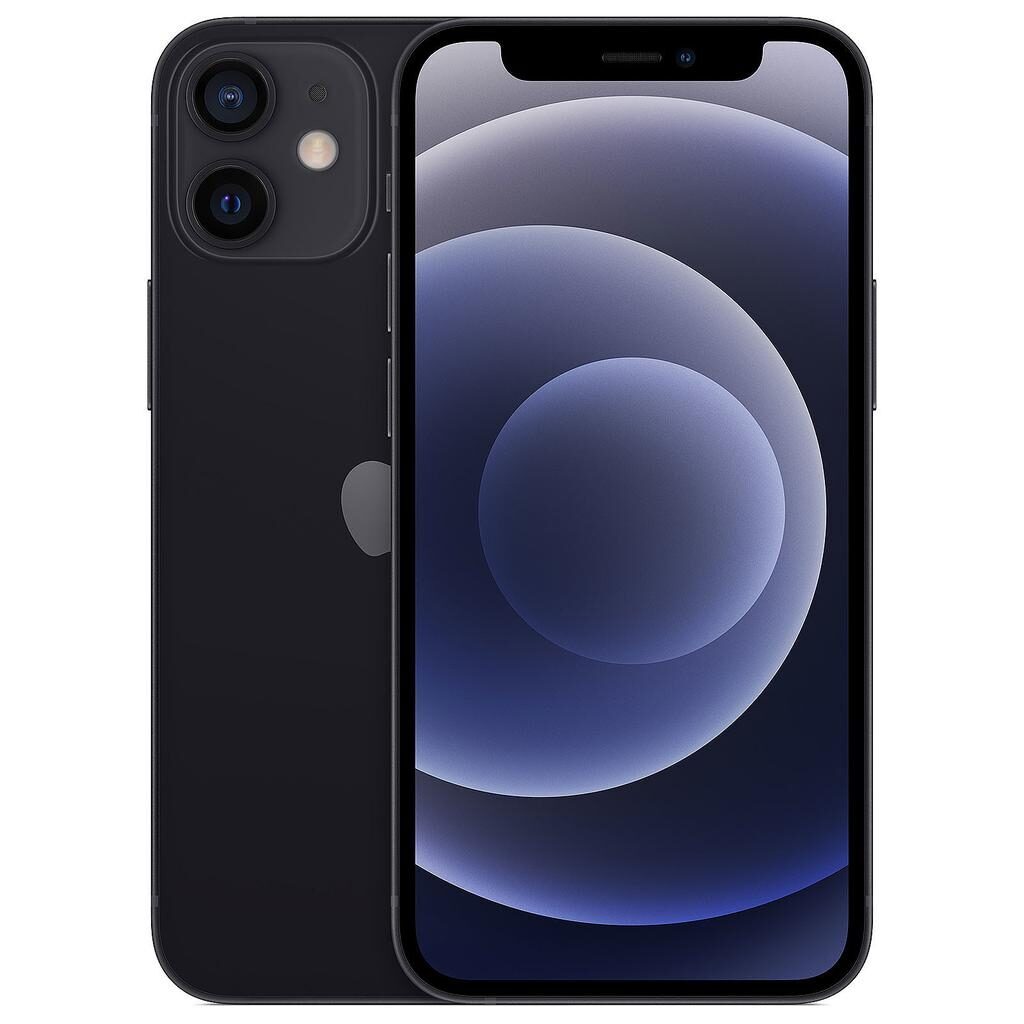
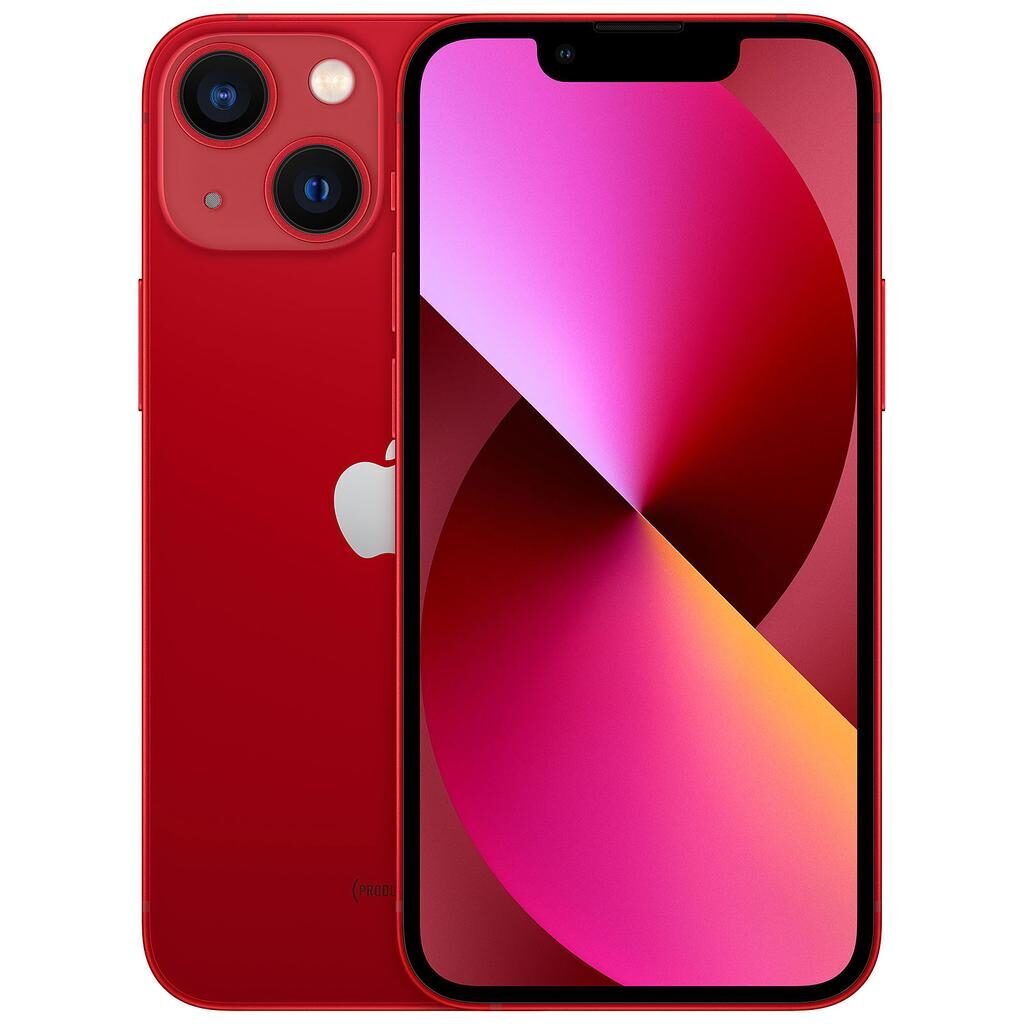
iPhone 16e
Starting at
£478.75£599.00 new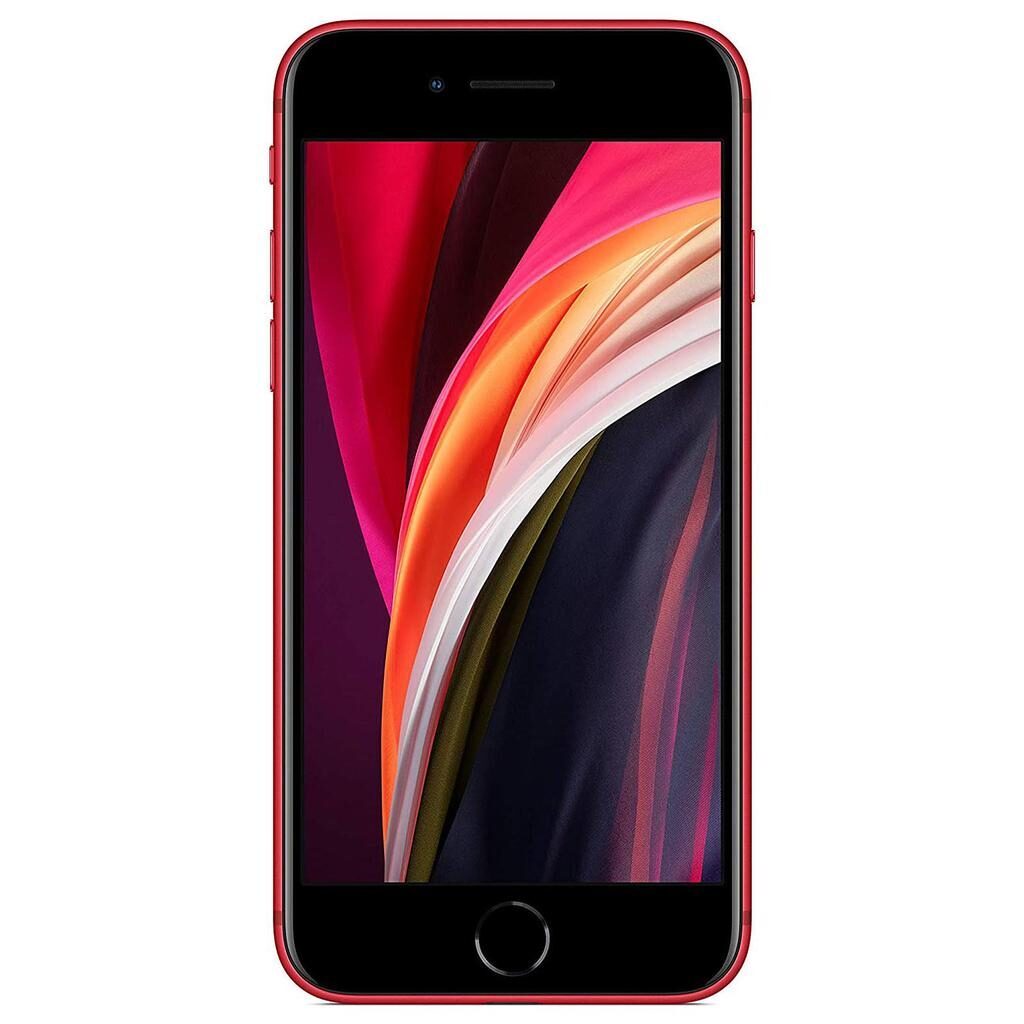
iPhone SE (2020)
Starting at
£75.11£289.00 newWhat's the difference between the iPhone 16e and iPhone SE (2020)?
iPhone 16e vs iPhone SE (2020) comes down to the chipset, RAM and screen size. Refurbished, the iPhone SE (2020) starts at £75.11, £403.64 less than the iPhone 16e. The iPhone 16e is the newer model, released in 2025.
Refurbished from
Chipset
RAM
Screen size
Screen type
Main camera
- Chipset: Apple A18 (3 nm) on the iPhone 16e, Apple A13 Bionic on the iPhone SE (2020).
- The iPhone 16e has more RAM: 8 GB vs 3 GB.
- The iPhone 16e has a bigger screen: 6.1 inch vs 4.7 inch.
iPhone 16e vs iPhone SE (2020) specs
The iPhone 16e and iPhone SE (2020) differ mainly in screen size and quality, camera detail, memory, and connectivity options. The iPhone 16e offers a larger, higher resolution Super Retina XDR OLED screen and a more detailed 12MP front camera, suiting those who want a richer viewing and selfie experience. It also has 8 GB RAM for smoother multitasking, 5G support, and USB-C charging. The iPhone SE (2020) is smaller with a 4.7 inch Retina IPS LCD screen and a 7MP front camera, ideal for everyday use or those preferring a compact phone. It has 3 GB RAM and 4G network support. Both phones are unlocked and support physical SIM plus eSIM. Your choice depends on whether you prioritise screen and camera quality or a simpler, smaller device.
iPhone 16e vs iPhone SE (2020) price
Colour
iPhone 16e vs iPhone SE (2020) battery life and software updates
Both phones run iOS and share basic durability features, such as not being foldable. Their release years differ, which is useful context but does not affect durability directly.
Operating System
Both the iPhone 16e and iPhone SE (2020) run iOS, ensuring a familiar and consistent user experience for those used to Apple devices.
Foldability
Neither device is foldable, so both offer a traditional smartphone form factor that feels solid and familiar in the hand.
Release Year Context
The iPhone 16e was released in 2025 and the iPhone SE (2020) in 2020. This difference provides context for their specifications and features without implying any durability advantage.
Battery
Foldable
Ip rating
Software updates
Wireless charging
Year of release
iPhone 16e vs iPhone SE (2020) performance
Chipset
RAM
iPhone 16e vs iPhone SE (2020) screen
Screen size, resolution, and technology differ notably between these two iPhones, affecting how you experience media, apps, and daily use.
Screen Size
The iPhone 16e has a 6.1 inch screen, offering more room for watching videos, browsing, and gaming. The iPhone SE (2020) has a smaller 4.7 inch display, which suits those who prefer a compact phone that is easier to handle with one hand.
Resolution and Detail
With a resolution of 2532 by 1170, the iPhone 16e delivers a sharper and more detailed image, ideal for users who watch high-quality video or look for crisp text. The iPhone SE (2020) has a 750 by 1334 resolution, which is suitable for everyday tasks and standard video viewing.
Screen Type
The iPhone 16e features a Super Retina XDR OLED screen, which provides richer colours and deeper blacks for a more vivid visual experience. The iPhone SE (2020) uses a Retina IPS LCD, offering bright and accurate colours with a traditional display style.
Resolution
Screen size
Screen type
iPhone 16e vs iPhone SE (2020) camera
Front cameras differ in resolution, which affects the detail you can capture in selfies and video calls.
Front Camera Resolution
The iPhone 16e's TrueDepth 12MP front camera captures more detail, which benefits selfies and face recognition features. The iPhone SE (2020) has a 7 megapixel front camera, suitable for clear video calls and everyday selfies.
Front camera
Main camera
iPhone 16e vs iPhone SE (2020) size and design
Connectivity and convenience features vary between the two iPhones, which can influence how you use and charge the devices.
Carrier Compatibility
Both phones are unlocked, allowing you to choose or change your network provider freely without restrictions.
Charging Connector
The iPhone 16e uses a USB-C connector, which is common for many modern devices and can simplify charging if you have compatible cables. The iPhone SE (2020) uses the Lightning connector, standard for many Apple accessories.
Mobile Network
The iPhone 16e supports 5G networks, providing faster data speeds where available. The iPhone SE (2020) supports 4G, suitable for reliable mobile internet in most areas.
SIM Card Options
Both devices support a physical SIM card plus eSIM, giving flexibility in managing personal and work numbers or switching carriers without changing SIM cards.
Weight
Weighing 167 grams, the iPhone 16e is slightly heavier than the iPhone SE (2020), which weighs 148 grams. This difference reflects the larger screen and battery in the 16e and may affect how each phone feels in your hand.
Carrier compatibility
Connector
Depth
Height
Mobile network
Release date
SD card slot
SIM card
Weight
Width
iPhone 16e or iPhone SE (2020): which should you buy?
Buy the iPhone 16e if
- you want more RAM (8 GB vs 3 GB)
- you want a bigger screen (6.1 inch vs 4.7 inch)
- you want an OLED screen
Buy the iPhone SE (2020) if
- you want to spend less: it starts at £75.11, £403.64 less than the iPhone 16e
- you want a lighter build (148 g vs 167 g)
What our customers say
Customers praise the iPhone 16e for its like-new condition and smooth performance. Many note the ease or minor challenges of transferring data, with some highlighting its better speed, battery life, and camera compared to older iPhones. The larger screen and improved camera quality are appreciated, and customers value the unlocked status and eSIM functionality. Several mention the phone looks almost unused and has strong battery health, supporting a feeling of freshness and reliability.
The iPhone SE (2020) is popular as a straightforward, reliable phone, especially for first users or gifts. Customers are pleased with the condition, battery life, and ease of use. The phone's compact size suits those wanting a simpler device. Some buyers comment on very good screen quality and solid performance for everyday use. A few mention minor issues with battery health recognition or screen replacements but still find the phone works well.
Overall, the iPhone 16e suits those who want a larger, sharper display, higher camera resolution, and faster connectivity. The iPhone SE (2020) suits buyers who prefer a smaller device with straightforward features and dependable performance at a lower price.
iPhone 16e vs iPhone SE (2020) FAQs
iPhone 16e vs iPhone SE (2020) comes down to the chipset, RAM and screen size. Chipset: Apple A18 (3 nm) on the iPhone 16e, Apple A13 Bionic on the iPhone SE (2020). The iPhone 16e has more RAM: 8 GB vs 3 GB.
The iPhone SE (2020) is cheaper refurbished, from £75.11 compared with £478.75 for the iPhone 16e.
The iPhone 16e has a higher-resolution main camera: 48 megapixels vs 12 megapixels.
The iPhone 16e is still supported and can run iOS 27. The iPhone SE (2020) is still supported and can run iOS 27.
The iPhone 16e adds more RAM (8 GB vs 3 GB), a bigger screen (6.1 inch vs 4.7 inch) and an OLED screen. Refurbished, it costs £403.64 more (from £478.75 vs £75.11).
Refurbished, the iPhone 16e comes in 128GB, 256GB and 512GB, and the iPhone SE (2020) in 64GB, 128GB and 256GB.