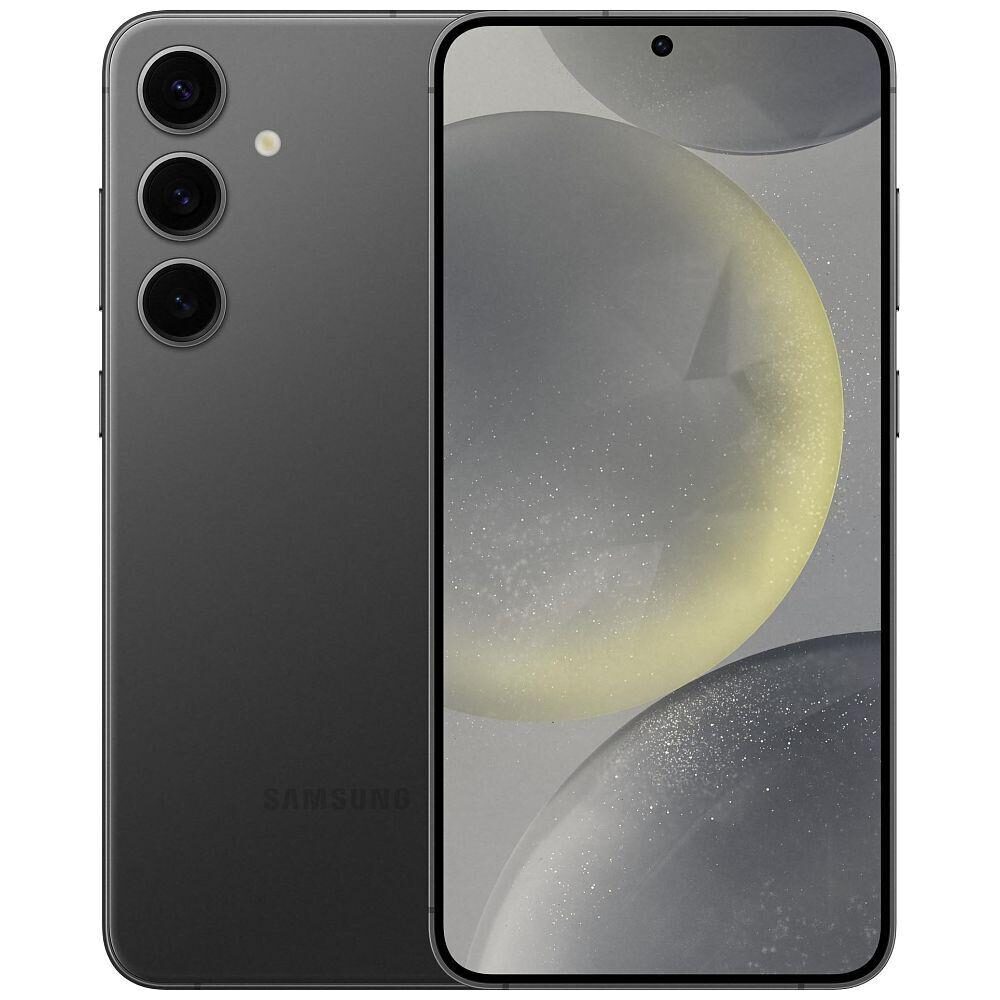
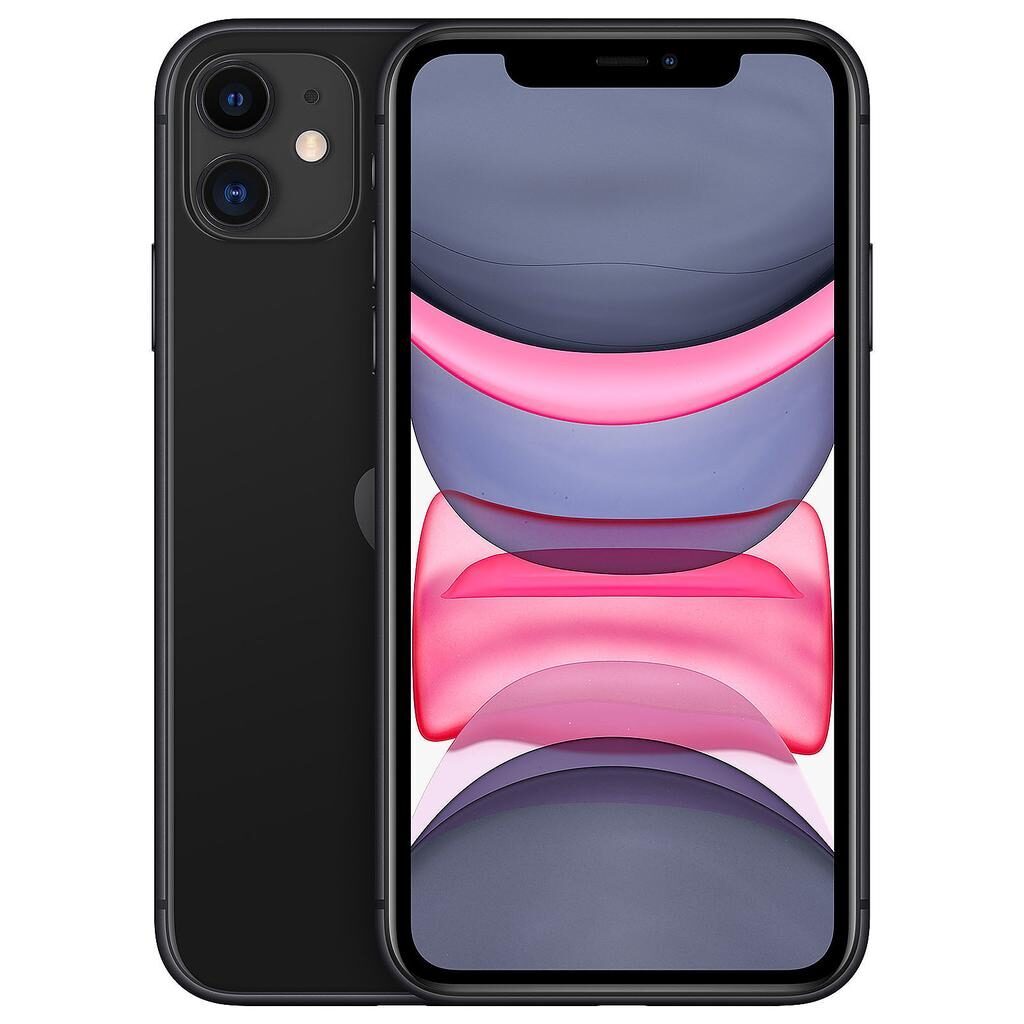
iPhone 16 vs iPhone SE (2020)
Shop iPhone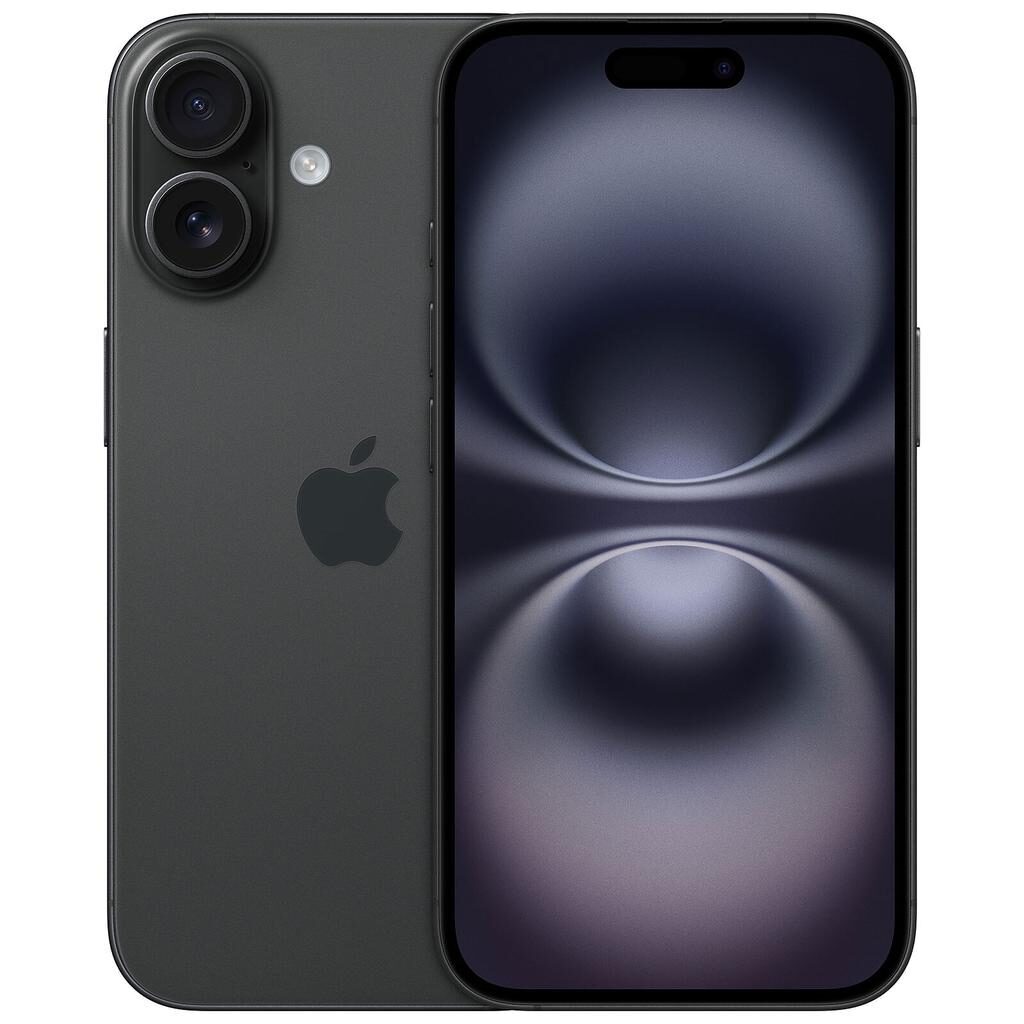
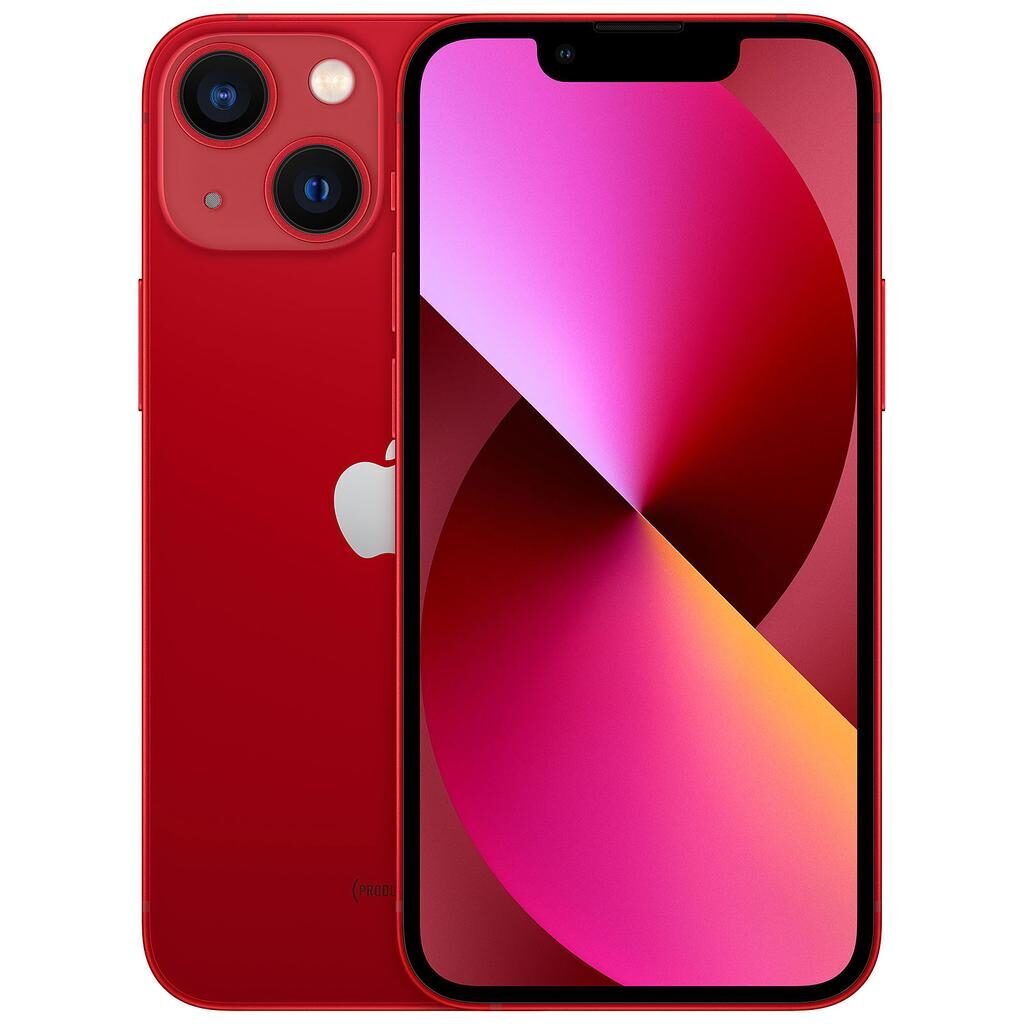
iPhone 16
Starting at
£577.65£699.00 new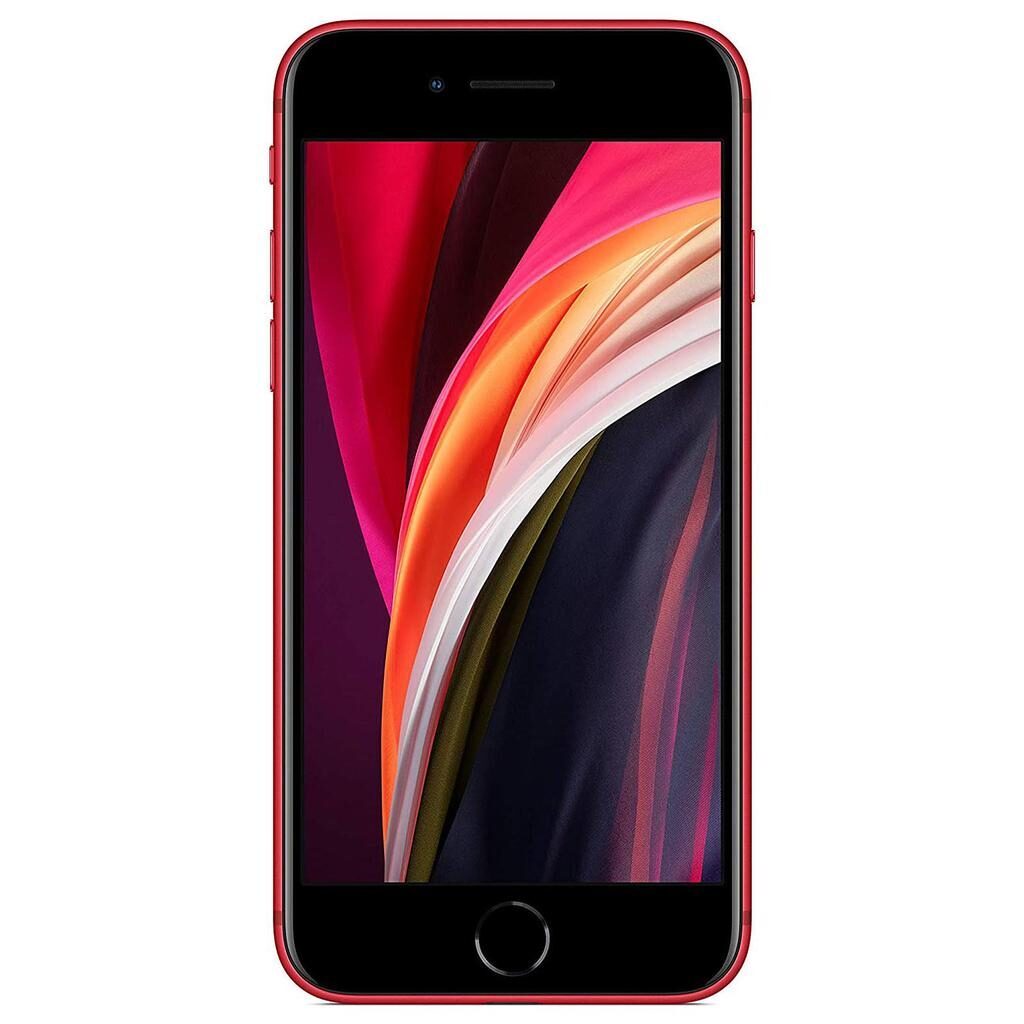
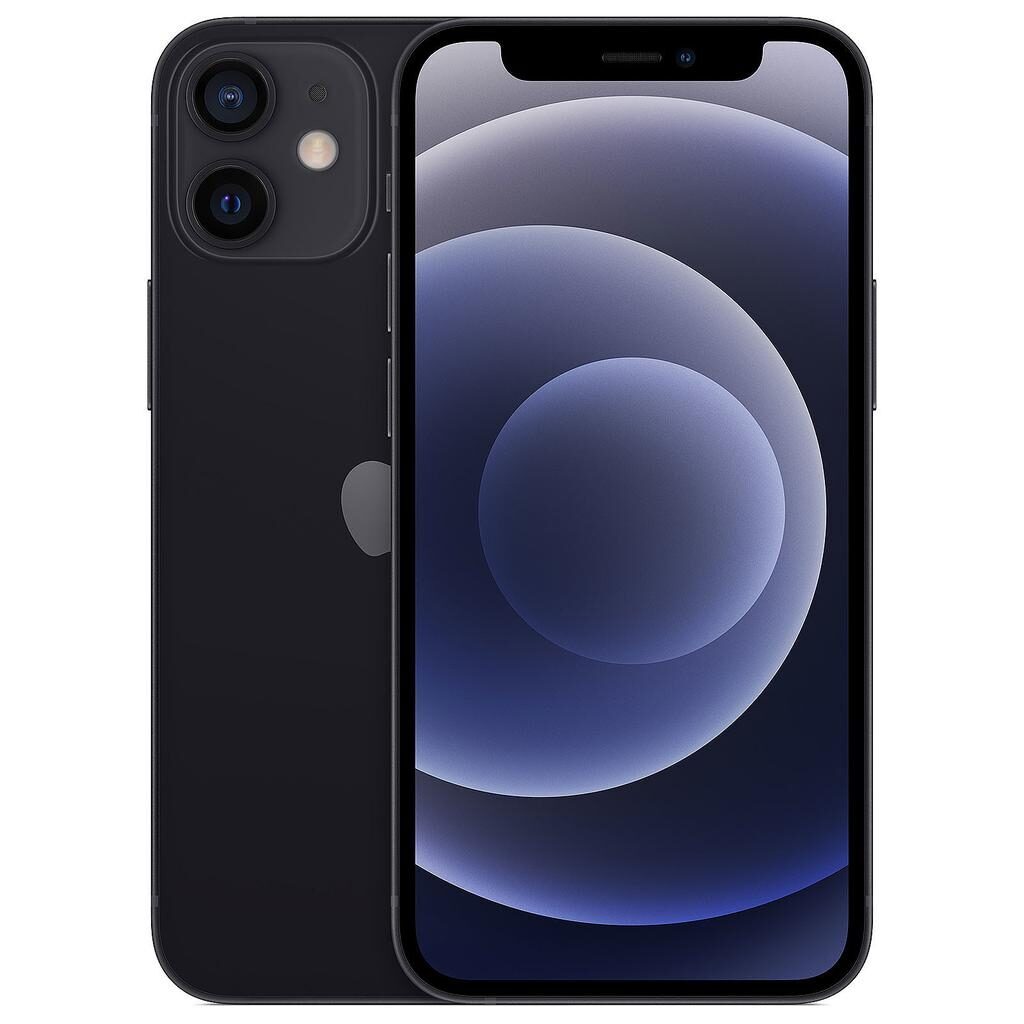
iPhone SE (2020)
Starting at
£75.11£289.00 newWhat's the difference between the iPhone 16 and iPhone SE (2020)?
iPhone 16 vs iPhone SE (2020) comes down to the chipset, RAM and screen size. Refurbished, the iPhone SE (2020) starts at £75.11, £502.54 less than the iPhone 16. The iPhone 16 is the newer model, released in 2024.
Refurbished from
Chipset
RAM
Screen size
Screen type
Main camera
- Chipset: Apple A18 (3 nm) on the iPhone 16, Apple A13 Bionic on the iPhone SE (2020).
- The iPhone 16 has more RAM: 8 GB vs 3 GB.
- The iPhone 16 has a bigger screen: 6.1 inch vs 4.7 inch.
iPhone 16 vs iPhone SE (2020) specs
The iPhone 16 and iPhone SE (2020) differ in screen, camera, memory, and connectivity features. The iPhone 16 has a larger 6.1 inch OLED screen with higher resolution, making it more suited for watching videos and detailed viewing. It offers more RAM and higher megapixel cameras for smoother multitasking and sharper photos. The iPhone 16 supports 5G and uses USB-C, while the iPhone SE (2020) supports 4G and uses Lightning. The SE's smaller screen and simpler design suit those who prefer a compact phone for everyday tasks. Each device matches different user needs, from enhanced multimedia to straightforward use.
iPhone 16 vs iPhone SE (2020) price
Colour
iPhone 16 vs iPhone SE (2020) battery life and software updates
Durability covers software updates, foldability, operating system versions, and release years.
Operating System Versions
The iPhone 16 runs iOS 18. The iPhone SE (2020) runs iOS.
Battery
Foldable
Ip rating
OS at launch
Software updates
Wireless charging
Year of release
iPhone 16 vs iPhone SE (2020) performance
Chipset
RAM
iPhone 16 vs iPhone SE (2020) screen
Screen quality includes size, type, and resolution, all of which affect how you see content and interact with your device. The iPhone 16 offers a larger and sharper display with advanced screen technology.
Screen Size
The iPhone 16 has a 6.1 inch screen, providing more room for browsing, gaming, and video watching. The iPhone SE (2020) has a 4.7 inch screen, which is easier to handle with one hand and fits comfortably in smaller pockets.
Screen Resolution
The iPhone 16 has a resolution of 1179 by 2556 pixels, delivering crisp and detailed images. The iPhone SE (2020) has a resolution of 750 by 1334 pixels, suitable for everyday tasks and clear visuals on a smaller display.
Screen Technology
The iPhone 16 uses a Super Retina XDR OLED screen, which typically offers deeper blacks and more vibrant colours. The iPhone SE (2020) features a Retina IPS LCD screen, which provides reliable colour accuracy and brightness for general use.
Refresh rate
Resolution
Screen size
Screen type
iPhone 16 vs iPhone SE (2020) camera
Audiovisual features focus on front and main camera specifications. These affect photo quality and video calls, with differences that matter depending on your use of photography and video.
Front Camera
The iPhone 16 has a 12 megapixel front camera, which captures more detail for selfies and video calls. The iPhone SE (2020) has a 7 megapixel front camera, suitable for clear everyday video chats and casual selfies.
Main Camera
The iPhone 16 features a 48 megapixel main camera, offering higher resolution photos with more detail and clarity. The iPhone SE (2020) comes with a 12 megapixel main camera, which is good for standard photography and everyday snapshots.
Camera type
Front camera
Main camera
iPhone 16 vs iPhone SE (2020) size and design
Miscellaneous specs include connectivity, physical features, and storage options that affect how you use the phone in daily life.
Mobile Network and Connector
The iPhone SE (2020) supports 4G and uses a Lightning connector, which is standard for many Apple devices.
Carrier and SIM Options
Both phones are unlocked and support a physical SIM plus eSIM, offering flexibility in choosing or switching carriers.
Storage Variants
The iPhone 16 comes in 128GB, 256GB, and 512GB storage options, making it suitable for users needing more space for apps, photos, and media. The iPhone SE (2020) offers 64GB, 128GB, and 256GB options, which suit users with lighter storage needs.
Weight
The iPhone 16 weighs 170 g, offering a solid feel in hand, while the iPhone SE (2020) is lighter at 148 g, which may be preferable for those who want a more compact and lighter device.
Carrier compatibility
Connector
Depth
Height
Mobile network
Release date
SD card slot
SIM card
Weight
Width
iPhone 16 or iPhone SE (2020): which should you buy?
Buy the iPhone 16 if
- you want more RAM (8 GB vs 3 GB)
- you want a bigger screen (6.1 inch vs 4.7 inch)
- you want an OLED screen
Buy the iPhone SE (2020) if
- you want to spend less: it starts at £75.11, £502.54 less than the iPhone 16
- you want a lighter build (148 g vs 170 g)
What our customers say
Customers who bought the iPhone 16 frequently mention its like-new condition and excellent battery health often at 100 percent. They appreciate its smooth performance and report that it works without problems or defects. The larger screen and camera quality are seen as big upgrades. Many buyers highlight the phone's excellent condition with no marks or scratches and express satisfaction with its speed and battery life. Some note it feels as good as new and the device suits those looking for a high-quality refurbished phone with generous storage options.
Users of the iPhone SE (2020) appreciate its spotless condition and reliable performance. It is often chosen as a first phone or a straightforward replacement device. Customers mention its suitability for everyday use with good battery life and a screen that looks nearly new. The SE is seen as a practical device for those who want a simple Apple phone with solid features. Some buyers highlight its affordability and ease of use making it a good option for younger users or those seeking a compact phone.
The iPhone 16 suits users who prioritise screen size, camera quality, and faster network connectivity. The iPhone SE (2020) is well suited for users who want a smaller phone for everyday tasks and value simplicity. Both phones offer good software support and reliable performance for their respective audiences.
iPhone 16 vs iPhone SE (2020) FAQs
iPhone 16 vs iPhone SE (2020) comes down to the chipset, RAM and screen size. Chipset: Apple A18 (3 nm) on the iPhone 16, Apple A13 Bionic on the iPhone SE (2020). The iPhone 16 has more RAM: 8 GB vs 3 GB.
The iPhone SE (2020) is cheaper refurbished, from £75.11 compared with £577.65 for the iPhone 16.
The iPhone 16 has a higher-resolution main camera: 48 megapixels vs 12 megapixels.
The iPhone 16 is still supported and can run iOS 27. The iPhone SE (2020) is still supported and can run iOS 27.
The iPhone 16 adds more RAM (8 GB vs 3 GB), a bigger screen (6.1 inch vs 4.7 inch) and an OLED screen. Refurbished, it costs £502.54 more (from £577.65 vs £75.11).
Refurbished, the iPhone 16 comes in 128GB, 256GB and 512GB, and the iPhone SE (2020) in 64GB, 128GB and 256GB.