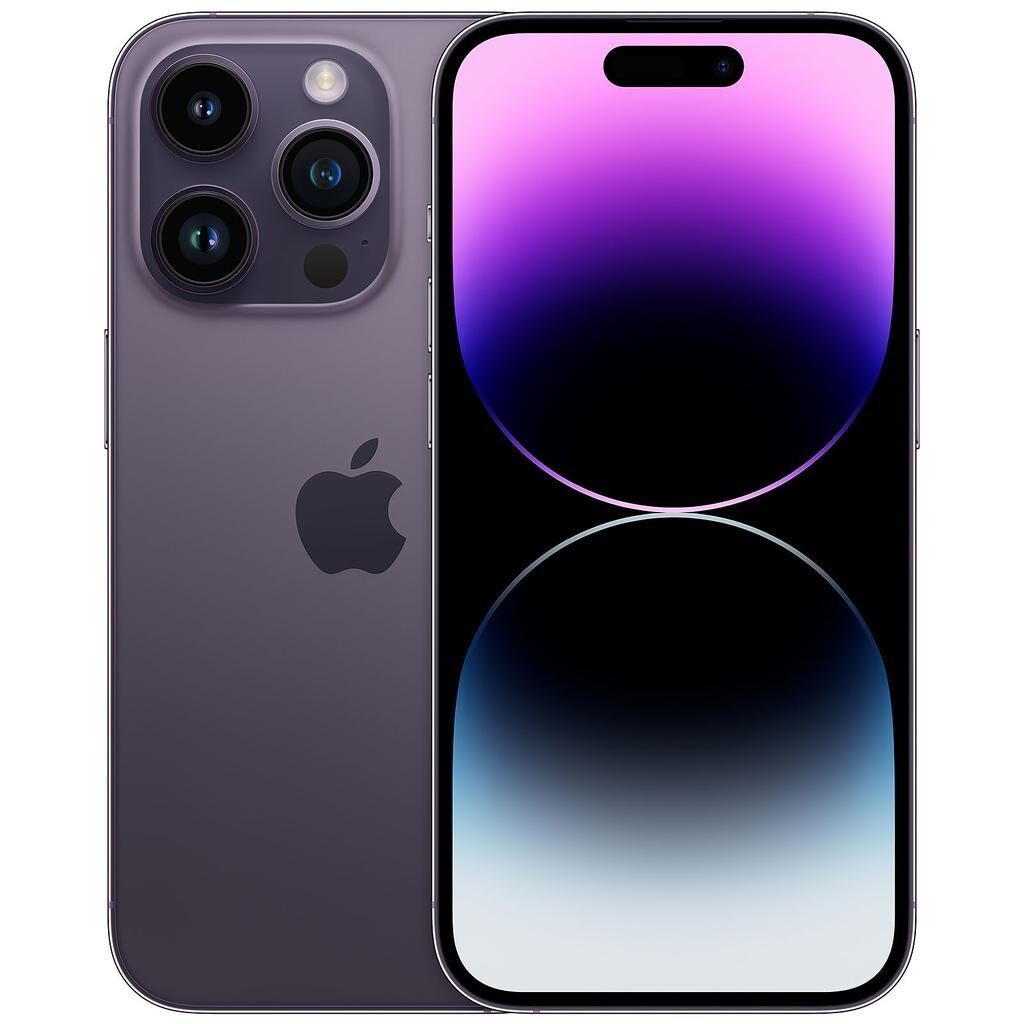
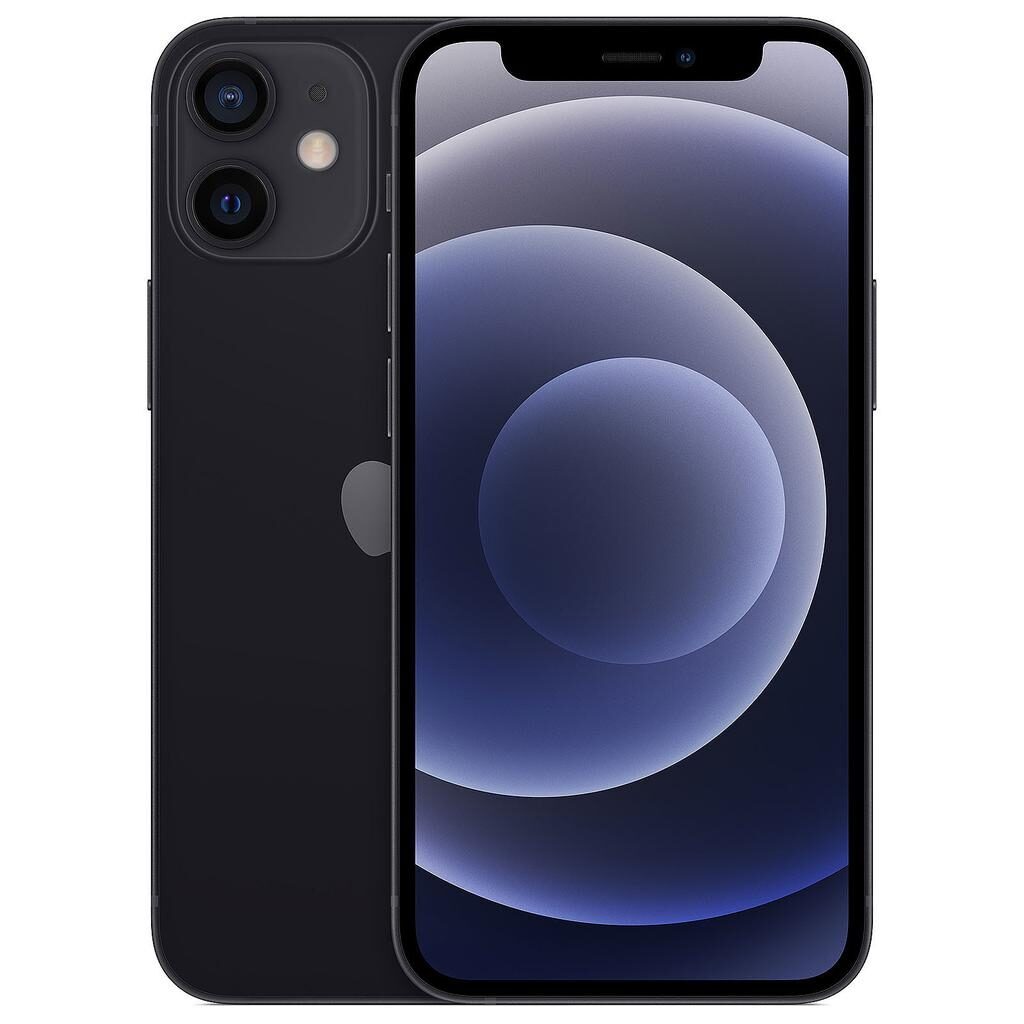
iPhone 15 Pro vs iPhone SE (2020)
Shop iPhone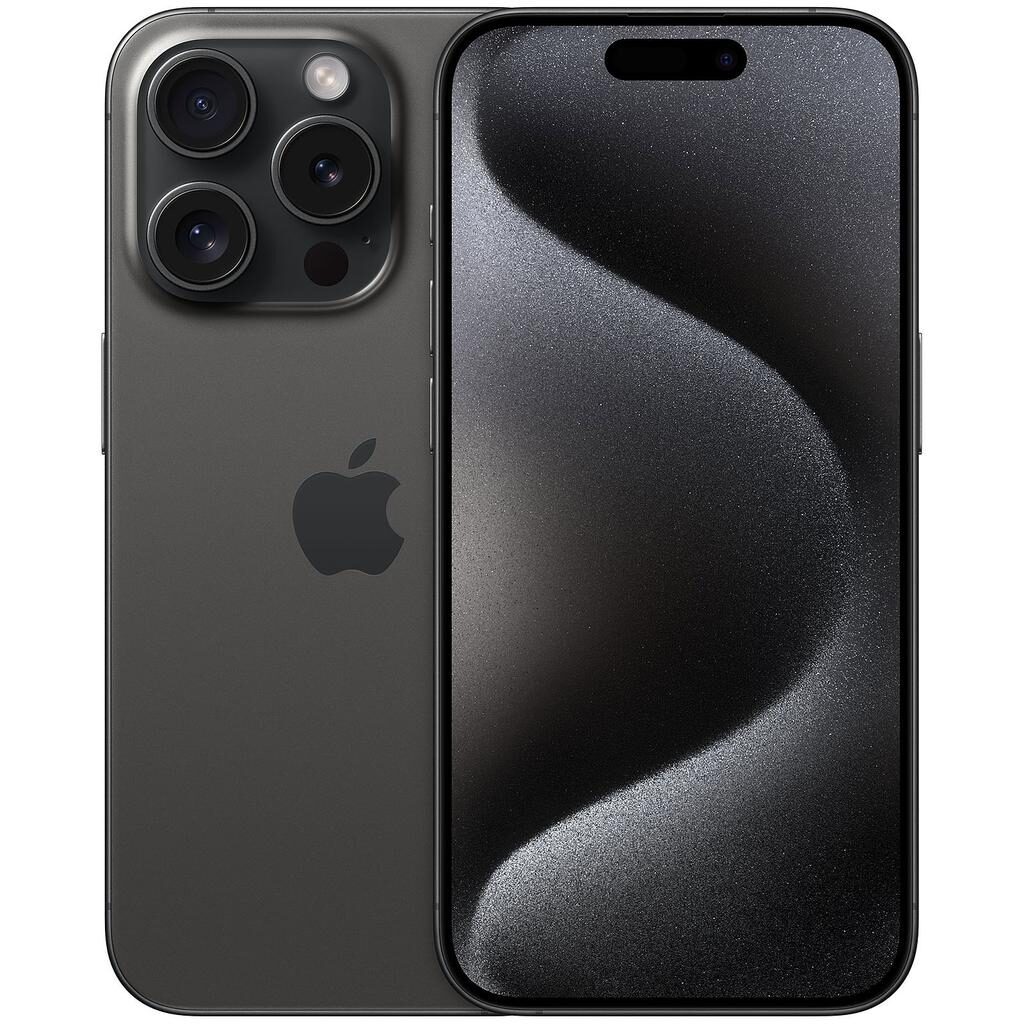
iPhone 15 Pro
Starting at
£542.00£1,099.00 new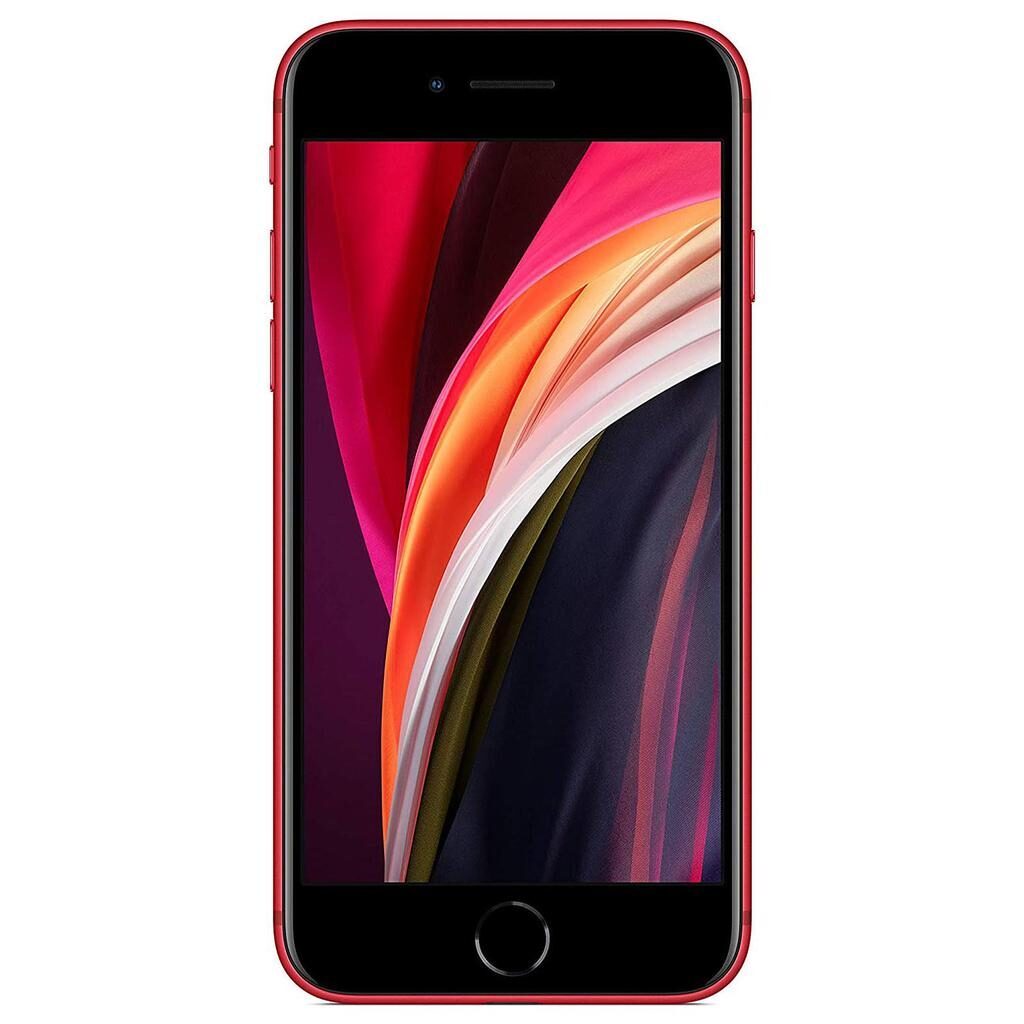
iPhone SE (2020)
Starting at
£75.11£289.00 newWhat's the difference between the iPhone 15 Pro and iPhone SE (2020)?
iPhone 15 Pro vs iPhone SE (2020) comes down to the chipset, RAM and screen size. Refurbished, the iPhone SE (2020) starts at £75.11, £466.89 less than the iPhone 15 Pro. The iPhone 15 Pro is the newer model, released in 2023.
Refurbished from
Chipset
RAM
Screen size
Screen type
Main camera
- Chipset: Apple A17 Pro on the iPhone 15 Pro, Apple A13 Bionic on the iPhone SE (2020).
- The iPhone 15 Pro has more RAM: 8 GB vs 3 GB.
- The iPhone 15 Pro has a bigger screen: 6.1 inch vs 4.7 inch.
iPhone 15 Pro vs iPhone SE (2020) specs
The iPhone 15 Pro offers a larger, higher-resolution OLED screen ideal for watching videos or browsing with more detail. It also has more memory for keeping multiple apps active. The cameras on the 15 Pro deliver higher megapixel counts, supporting sharper photos and videos. The 15 Pro supports 5G and uses a USB-C connector, while the SE works on 4G and retains the Lightning port. The SE's smaller screen and simpler features suit those looking for an easy-to-use phone or a lower priced option. Both support unlocked carriers, but the SE uses a physical SIM alongside eSIM, which may appeal if you prefer a physical card. Weight differences are small enough to consider comfort preferences.
iPhone 15 Pro vs iPhone SE (2020) price
Colour
iPhone 15 Pro vs iPhone SE (2020) battery life and software updates
Durability covers software updates and basic design features relevant to daily use.
Software Updates
This means you get current security patches and features regardless of which model you choose.
Battery
Foldable
Ip rating
Software updates
Wireless charging
Year of release
iPhone 15 Pro vs iPhone SE (2020) performance
Chipset
RAM
iPhone 15 Pro vs iPhone SE (2020) screen
Screen quality impacts how you see content, from photos to apps. Differences in size, resolution and screen technology affect clarity and viewing comfort.
Screen Size
The iPhone 15 Pro has a 6.1 inch screen, providing more room for watching videos, reading, and multitasking. The iPhone SE (2020) has a 4.7 inch screen, which suits those who prefer a compact phone that fits easily in one hand or a pocket.
Resolution and Detail
With a resolution of 1179 by 2556 pixels, the iPhone 15 Pro delivers a sharper and more detailed display. The iPhone SE (2020) has a resolution of 750 by 1334 pixels, which works well for everyday tasks but offers less pixel density.
Screen Technology
The iPhone 15 Pro uses an LTPO Super Retina XDR OLED screen, known for vibrant colours and deep blacks. The iPhone SE (2020) features a Retina IPS LCD screen, which provides good colour accuracy and brightness but with a different visual experience.
Refresh rate
Resolution
Screen size
Screen type
iPhone 15 Pro vs iPhone SE (2020) camera
Camera quality is important for capturing photos and video calls. Higher megapixels can capture more detail, which matters if you often crop images or print photos.
Front Camera
The iPhone 15 Pro's front camera has 12 megapixels, offering more detail for selfies and video calls. The iPhone SE (2020) has a 7 megapixel front camera, suitable for everyday video chatting.
Main Camera
The iPhone 15 Pro has a 48 megapixel main camera, which captures more detail and can produce sharper images or videos. The iPhone SE (2020) features a 12 megapixel main camera that works well for casual photography.
Front camera
Main camera
iPhone 15 Pro vs iPhone SE (2020) size and design
Other practical differences include network support, connectors, SIM options and weight. These affect daily convenience and connectivity.
Network Compatibility
The iPhone 15 Pro supports 5G networks, which can deliver faster data speeds where 5G coverage is available. The iPhone SE (2020) works on 4G networks, providing reliable connectivity for general use.
Connector Type
The iPhone SE (2020) uses the Lightning connector, common on many Apple devices.
SIM Card Options
The iPhone 15 Pro uses an eSIM only, which lets you activate a mobile plan without a physical SIM card. The iPhone SE (2020) offers both a physical SIM and an eSIM, giving flexibility if you prefer using a physical SIM card.
Weight
The iPhone SE (2020) weighs 148 g, making it slightly lighter and potentially easier to hold for long periods. The iPhone 15 Pro weighs 171 g, which is still comfortable but reflects its larger screen and features.
Carrier compatibility
Connector
Depth
Height
Mobile network
Release date
SD card slot
SIM card
Weight
Width
iPhone 15 Pro or iPhone SE (2020): which should you buy?
Buy the iPhone 15 Pro if
- you want more RAM (8 GB vs 3 GB)
- you want a bigger screen (6.1 inch vs 4.7 inch)
- you want an OLED screen
Buy the iPhone SE (2020) if
- you want to spend less: it starts at £75.11, £466.89 less than the iPhone 15 Pro
- you want a lighter build (148 g vs 187 g)
What our customers say
Customers who bought the iPhone 15 Pro often mention that it looks nearly new with strong battery health. Many appreciate the smooth performance and clear screen, noting that the camera quality is excellent for photos and videos. The device suits those who want a flagship experience without paying new prices. Some reviews highlight that the phone feels like new even after being refurbished, with only minor cosmetic marks in a few cases. Users also like supporting the environment by choosing refurbished.
Buyers of the iPhone SE (2020) value its simplicity and affordability. It is popular as a first phone for younger users or as a reliable device for those who prefer a smaller screen. Customers find the condition and battery life very good, often commenting that the phone works perfectly and looks almost new. Some mention minor cosmetic issues that do not affect use. The SE fits well for everyday tasks and customers appreciate the easy and affordable access to an Apple device.
Overall, the iPhone 15 Pro suits those wanting a larger screen, faster network, and higher camera resolution. The iPhone SE (2020) is a solid choice for users who prefer a more compact phone with straightforward features and a lower price.
iPhone 15 Pro vs iPhone SE (2020) FAQs
iPhone 15 Pro vs iPhone SE (2020) comes down to the chipset, RAM and screen size. Chipset: Apple A17 Pro on the iPhone 15 Pro, Apple A13 Bionic on the iPhone SE (2020). The iPhone 15 Pro has more RAM: 8 GB vs 3 GB.
The iPhone SE (2020) is cheaper refurbished, from £75.11 compared with £542 for the iPhone 15 Pro.
The iPhone 15 Pro has a higher-resolution main camera: 48 megapixels vs 12 megapixels.
The iPhone 15 Pro is still supported and can run iOS 27. The iPhone SE (2020) is still supported and can run iOS 27.
The iPhone 15 Pro adds more RAM (8 GB vs 3 GB), a bigger screen (6.1 inch vs 4.7 inch) and an OLED screen. Refurbished, it costs £466.89 more (from £542 vs £75.11).
Refurbished, the iPhone 15 Pro comes in 128GB, 256GB, 512GB and 1TB, and the iPhone SE (2020) in 64GB, 128GB and 256GB.