iPhone 14 Pro vs iPhone SE (2020)
Shop iPhone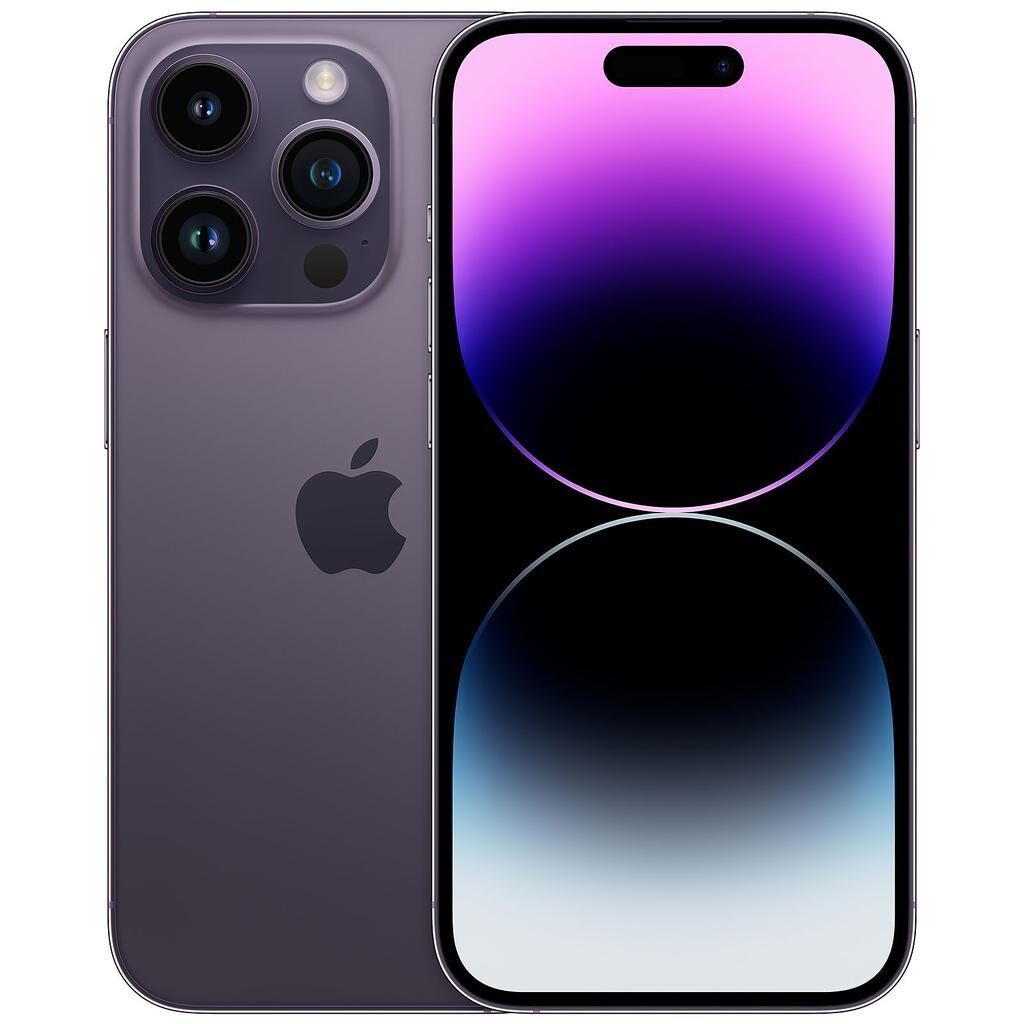
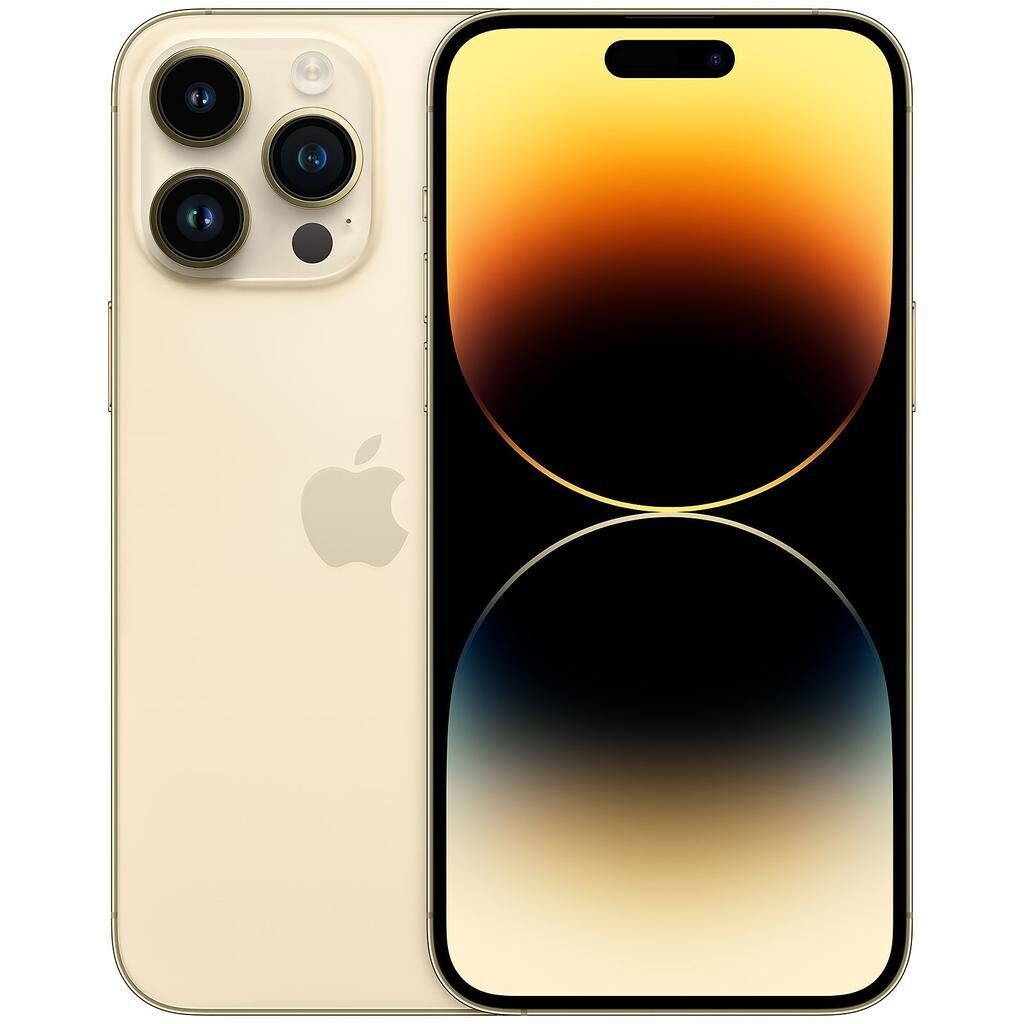
iPhone 14 Pro
Starting at
£426.31£1,099.00 new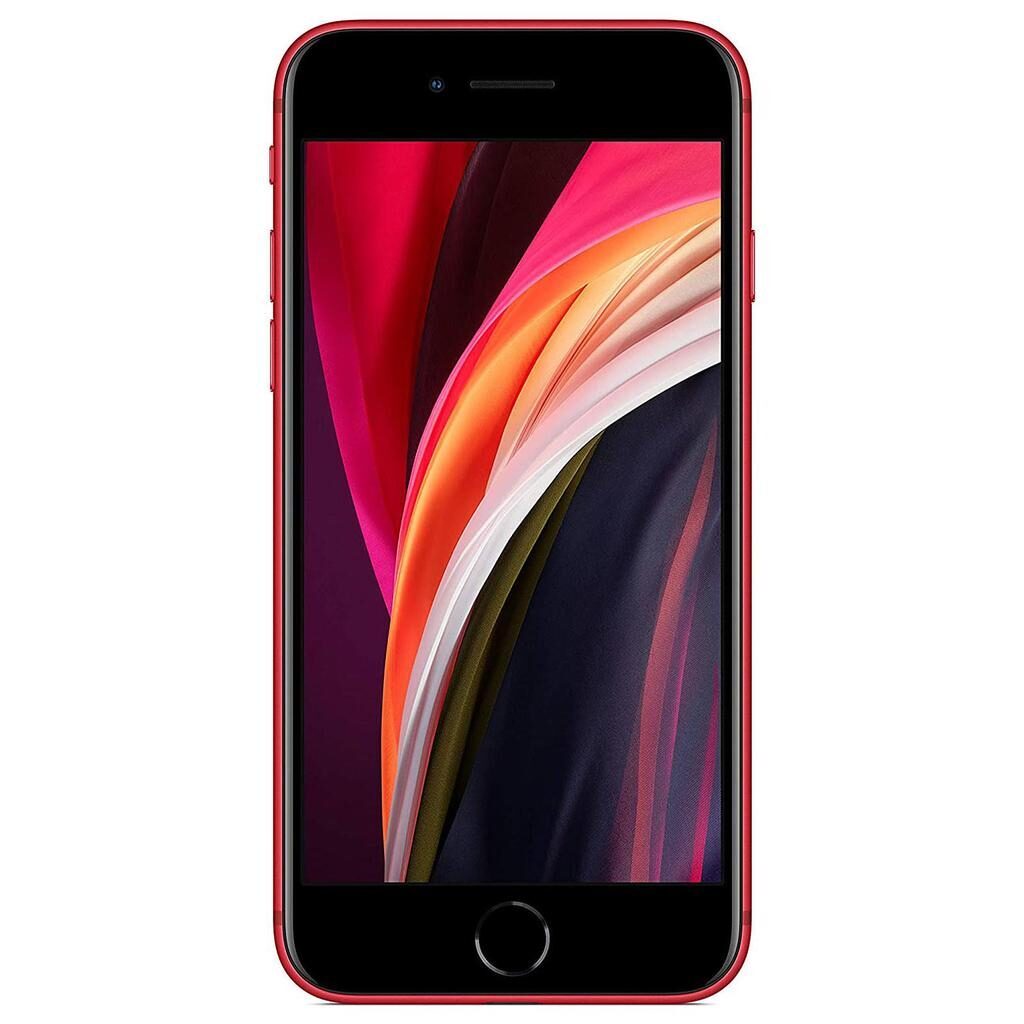
iPhone SE (2020)
Starting at
£75.11£289.00 newWhat's the difference between the iPhone 14 Pro and iPhone SE (2020)?
iPhone 14 Pro vs iPhone SE (2020) comes down to the chipset, RAM and screen size. Refurbished, the iPhone SE (2020) starts at £75.11, £351.20 less than the iPhone 14 Pro. The iPhone 14 Pro is the newer model, released in 2022.
Refurbished from
Chipset
RAM
Screen size
Screen type
Main camera
- Chipset: Apple A16 Bionic (4 nm) on the iPhone 14 Pro, Apple A13 Bionic on the iPhone SE (2020).
- The iPhone 14 Pro has more RAM: 6 GB vs 3 GB.
- The iPhone 14 Pro has a bigger screen: 6.1 inch vs 4.7 inch.
iPhone 14 Pro vs iPhone SE (2020) specs
The iPhone 14 Pro and iPhone SE (2020) differ in several key areas that suit different users. The iPhone 14 Pro offers a larger, higher resolution OLED screen and more memory, making it better for multitasking and media. Its cameras have higher megapixels, which helps capture more detail. The SE (2020) has a smaller screen and less RAM but supports both physical and eSIM SIM cards, which some may prefer. The 14 Pro supports 5G networks, while the SE works on 4G. Storage options are wider on the 14 Pro, reaching up to 1TB. Choose the 14 Pro for a feature-rich experience and the SE (2020) for simpler everyday use with Apple's ecosystem.
iPhone 14 Pro vs iPhone SE (2020) price
Colour
iPhone 14 Pro vs iPhone SE (2020) battery life and software updates
Durability covers software updates and basic design features. Neither device is foldable.
Software Support
This means you will have access to current iOS features and security patches on either phone.
Physical Design
Neither phone is foldable, so both follow a traditional smartphone design that fits standard cases and accessories. This makes handling and protection straightforward.
Battery
Foldable
Ip rating
Software updates
Wireless charging
Year of release
iPhone 14 Pro vs iPhone SE (2020) performance
Chipset
RAM
iPhone 14 Pro vs iPhone SE (2020) screen
Screen quality affects how you see content and interact with the device. The two phones differ in size, resolution, and screen technology, which influences clarity, colour, and viewing space.
Screen Size
The iPhone 14 Pro features a 6.1 inch screen, providing more room for watching videos, browsing, and typing. The iPhone SE (2020) has a smaller 4.7 inch screen, which suits those who prefer a compact phone that fits easily in one hand.
Resolution and Type
The 14 Pro's screen resolution is 1179 by 2556 pixels on an LTPO Super Retina XDR OLED display. This technology typically delivers deeper blacks and more vibrant colours. The SE (2020) has a 750 by 1334 pixel Retina IPS LCD screen, which offers good clarity for everyday use but with fewer pixels and a different display technology that is less vivid.
Refresh rate
Resolution
Screen size
Screen type
iPhone 14 Pro vs iPhone SE (2020) camera
Camera quality is important for capturing photos and video calls. The two phones differ significantly in front and main camera megapixels, which affects image detail and clarity.
Front Camera
The iPhone 14 Pro's front camera has 12 megapixels, which supports sharper selfies and clearer video calls. The SE (2020) front camera has 7 megapixels, which works well for everyday video chats but with less detail.
Main Camera
For main photography, the 14 Pro offers a 48 megapixel camera, capturing more detail and potentially allowing more cropping or enlarging of photos. The SE (2020) has a 12 megapixel main camera, suitable for general photography and casual use.
Front camera
Main camera
iPhone 14 Pro vs iPhone SE (2020) size and design
Miscellaneous features include network compatibility, SIM options, and physical characteristics that influence daily use and connectivity.
Mobile Network
The iPhone 14 Pro supports 5G networks, offering faster data speeds where 5G coverage is available. The iPhone SE (2020) operates on 4G networks, which are widely available and reliable for everyday use.
SIM Card Options
The SE (2020) supports both a physical SIM card and eSIM, providing flexibility if you want to switch SIMs or use multiple lines. The 14 Pro uses eSIM only, which may suit users comfortable managing virtual SIMs.
Weight
Both phones are close in weight: the iPhone 14 Pro weighs 150 grams and the SE (2020) weighs 148 grams, making them both light enough for comfortable daily use.
Storage Options
The iPhone 14 Pro offers a range of storage options from 128GB up to 1TB, catering to users who need large space for apps, media, and files. The SE (2020) comes in 64GB, 128GB, and 256GB, which suits everyday use and moderate storage needs.
Carrier compatibility
Connector
Depth
Height
Mobile network
Release date
SD card slot
SIM card
Weight
Width
iPhone 14 Pro or iPhone SE (2020): which should you buy?
Buy the iPhone 14 Pro if
- you want more RAM (6 GB vs 3 GB)
- you want a bigger screen (6.1 inch vs 4.7 inch)
- you want an OLED screen
Buy the iPhone SE (2020) if
- you want to spend less: it starts at £75.11, £351.20 less than the iPhone 14 Pro
- you want a lighter build (148 g vs 206 g)
What our customers say
Customers buying the iPhone 14 Pro say it looks like new and performs well. Many highlight the phone's clean condition, good battery health even in fair condition, and clear, bright display. They mention smooth performance and premium feel, with some noting minor scuffs hidden by cases. Buyers appreciate the fast, responsive experience and good battery life. Some find the 14 Pro a great value for its condition and enjoy the larger screen and camera quality.
For the iPhone SE (2020), customers often buy it as a first phone for younger users or gifts for family. They praise its spotless condition and reliable performance for everyday tasks. Battery life is generally good, and the phone is described as working perfectly with a clean screen. Some mention small scuffs in fair condition but still consider it a good buy. The SE (2020) suits buyers who want a compact, straightforward iPhone at a reasonable price.
Overall, customers see the iPhone 14 Pro as suited to those who want a phone with more screen space, camera detail, and storage. The SE (2020) fits users looking for a smaller, simpler iPhone for everyday use within the Apple system.
iPhone 14 Pro vs iPhone SE (2020) FAQs
iPhone 14 Pro vs iPhone SE (2020) comes down to the chipset, RAM and screen size. Chipset: Apple A16 Bionic (4 nm) on the iPhone 14 Pro, Apple A13 Bionic on the iPhone SE (2020). The iPhone 14 Pro has more RAM: 6 GB vs 3 GB.
The iPhone SE (2020) is cheaper refurbished, from £75.11 compared with £426.31 for the iPhone 14 Pro.
The iPhone 14 Pro has a higher-resolution main camera: 48 megapixels vs 12 megapixels.
The iPhone 14 Pro is still supported and can run iOS 27. The iPhone SE (2020) is still supported and can run iOS 27.
The iPhone 14 Pro adds more RAM (6 GB vs 3 GB), a bigger screen (6.1 inch vs 4.7 inch) and an OLED screen. Refurbished, it costs £351.20 more (from £426.31 vs £75.11).
Refurbished, the iPhone 14 Pro comes in 128GB, 256GB, 512GB and 1TB, and the iPhone SE (2020) in 64GB, 128GB and 256GB.