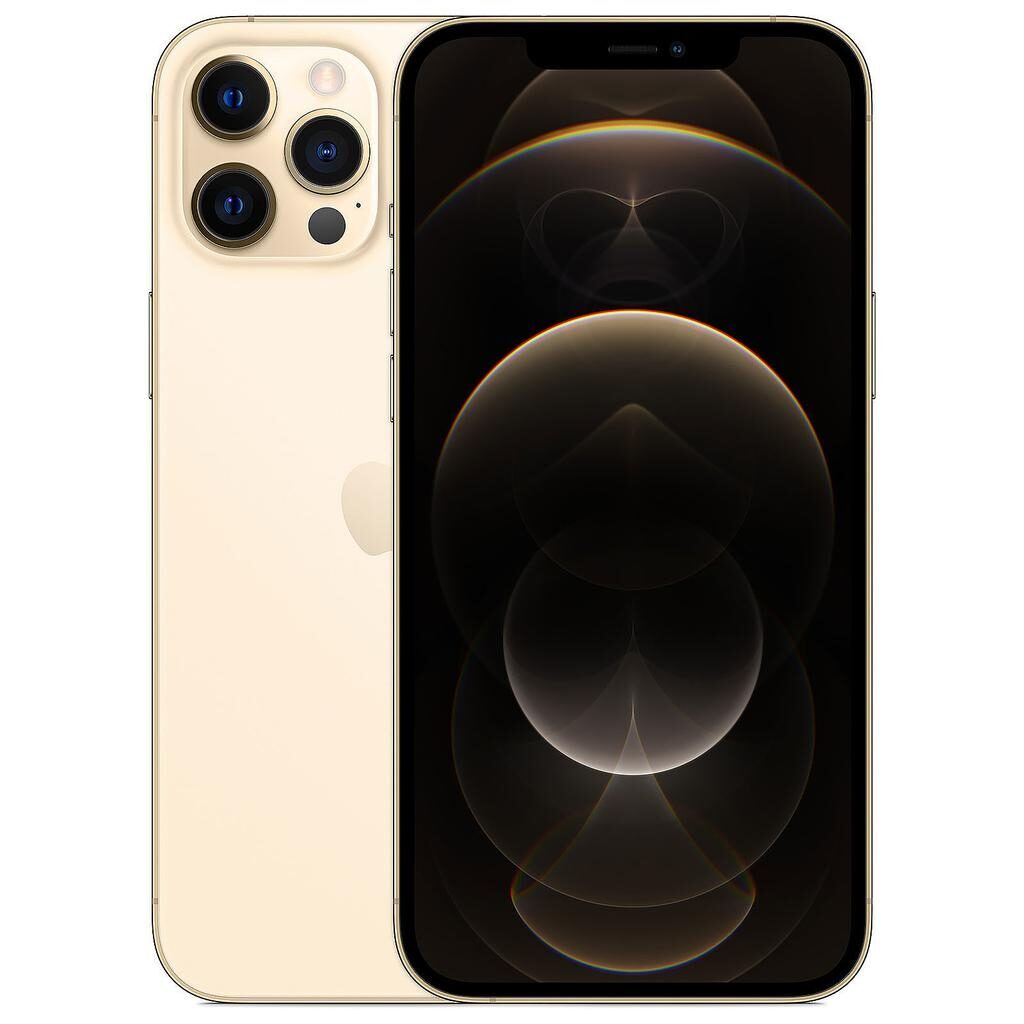
iPhone 13 Pro Max vs iPhone SE (2020)
Shop iPhone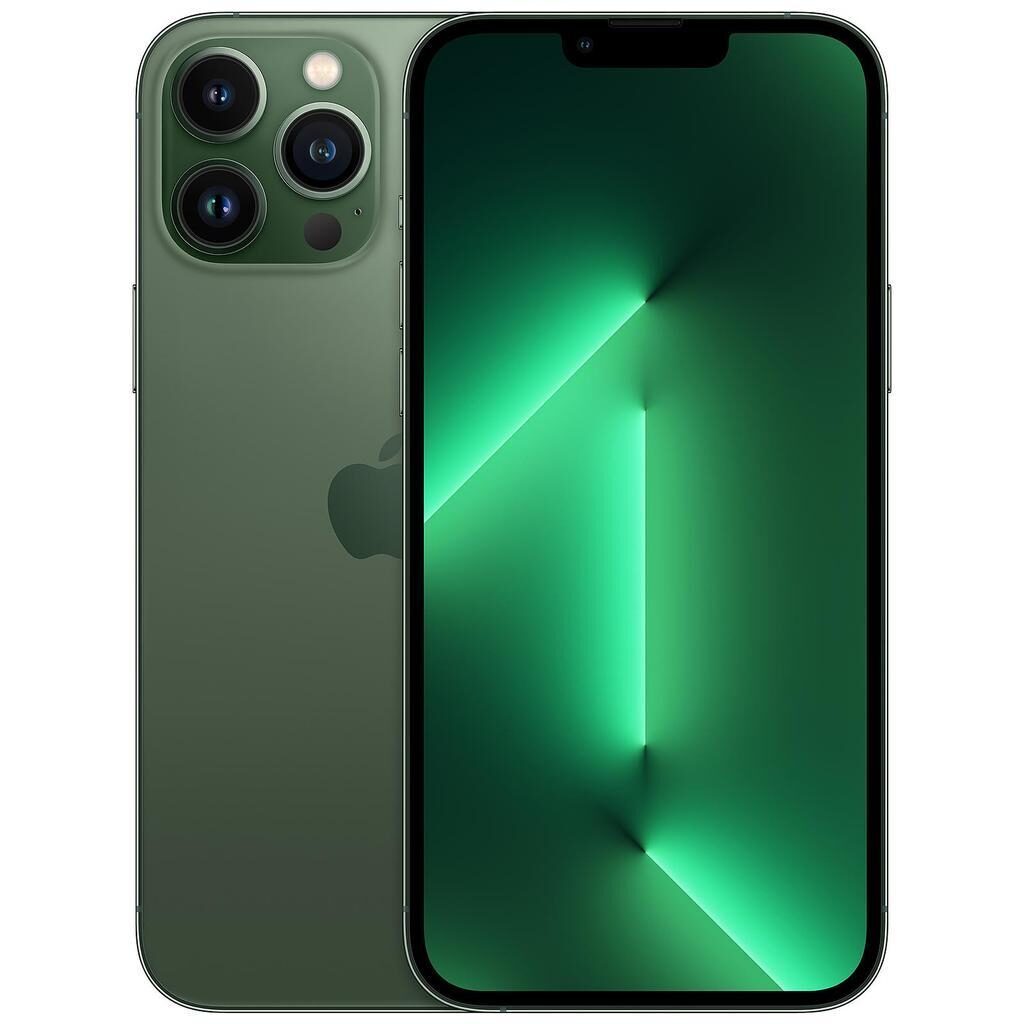
iPhone 13 Pro Max
Starting at
£418.75£1,049.00 new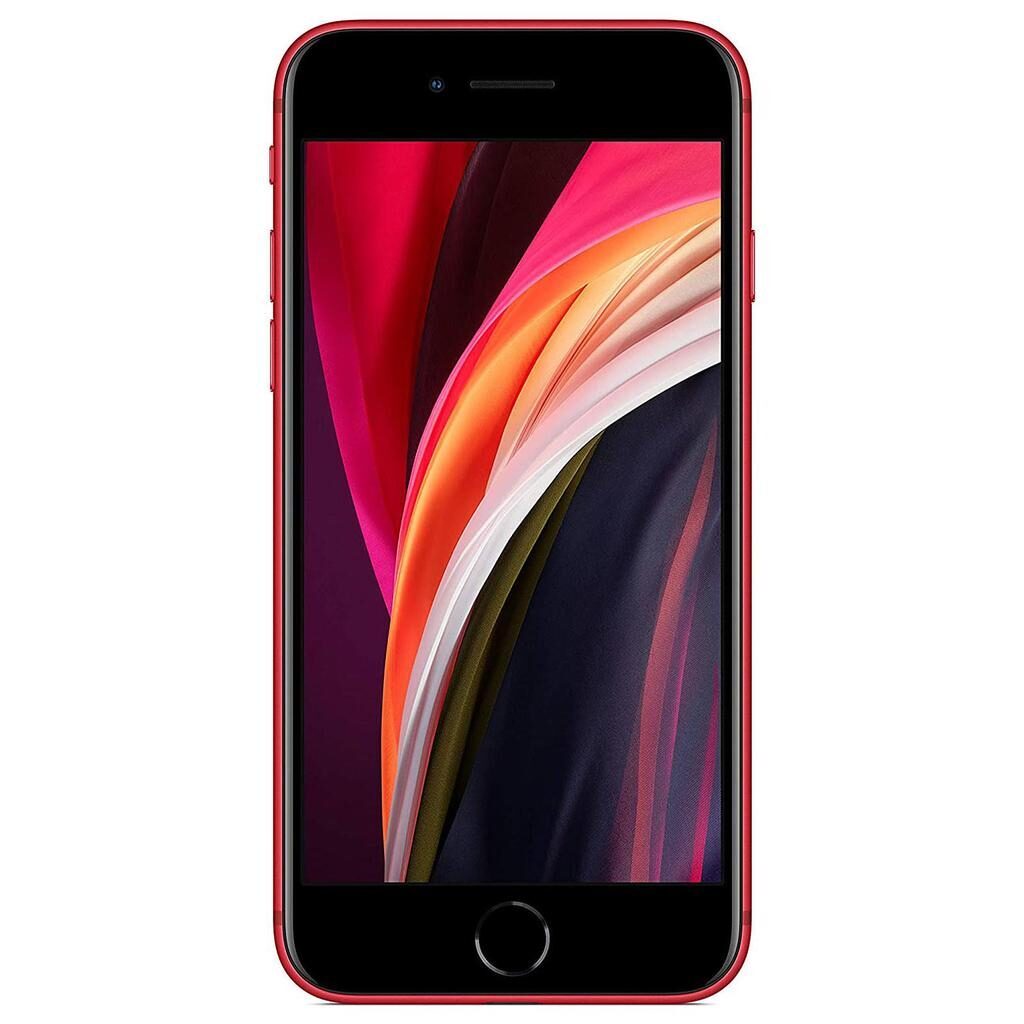
iPhone SE (2020)
Starting at
£75.11£289.00 newWhat's the difference between the iPhone 13 Pro Max and iPhone SE (2020)?
iPhone 13 Pro Max vs iPhone SE (2020) comes down to the chipset, RAM and screen size. Refurbished, the iPhone SE (2020) starts at £75.11, £343.64 less than the iPhone 13 Pro Max.
Refurbished from
Chipset
RAM
Screen size
Screen type
Front camera
- Chipset: Apple A15 Bionic (5 nm) on the iPhone 13 Pro Max, Apple A13 Bionic on the iPhone SE (2020).
- The iPhone 13 Pro Max has more RAM: 6 GB vs 3 GB.
- The iPhone 13 Pro Max has a bigger screen: 6.7 inch vs 4.7 inch.
iPhone 13 Pro Max vs iPhone SE (2020) specs
The iPhone 13 Pro Max and iPhone SE (2020) suit different types of users based on their features. The iPhone 13 Pro Max offers a larger OLED screen with higher resolution and more RAM, making it well suited for those who want a spacious display and smoother multitasking. Its 5G connectivity and dual physical SIM slots add flexibility for network use. The iPhone SE (2020) is smaller with a Retina IPS LCD screen and runs on 4G, making it a simpler option for everyday use or those who prefer a compact phone. Weight and storage options also differ, catering to different preferences and needs.
iPhone 13 Pro Max vs iPhone SE (2020) price
Colour
iPhone 13 Pro Max vs iPhone SE (2020) battery life and software updates
Durability considerations include software support and physical robustness. The iPhone 13 Pro Max appeared in 2021 and the iPhone SE (2020) in 2020.
Latest iOS Compatibility
This is important if you want your phone to stay relevant for everyday use over time.
Battery
Foldable
Ip rating
OS at launch
Software updates
Wireless charging
Year of release
iPhone 13 Pro Max vs iPhone SE (2020) performance
Chipset
RAM
iPhone 13 Pro Max vs iPhone SE (2020) screen
Screen quality affects how you view content and interact with your device. The two iPhones differ in size, resolution, and screen technology, which will suit different user preferences and needs.
Screen Size
The iPhone 13 Pro Max has a 6.7 inch screen, offering a roomier display for watching videos, browsing, and gaming. The iPhone SE (2020) has a 4.7 inch screen, which fits comfortably in one hand and suits users who want a more compact phone.
Screen Resolution
With a resolution of 2778x1284, the iPhone 13 Pro Max provides a sharper and more detailed image, ideal for users who value clarity in photos and videos. The iPhone SE (2020) has a 750x1334 resolution, which is well suited for everyday tasks and standard viewing.
Screen Technology
The iPhone 13 Pro Max uses an OLED screen, known for deeper blacks and more vivid colours, enhancing media consumption. The iPhone SE (2020) features a Retina IPS LCD screen, which delivers accurate colours and brightness but with a different display feel suited to straightforward use.
Refresh rate
Resolution
Screen size
Screen type
iPhone 13 Pro Max vs iPhone SE (2020) camera
Camera quality plays a role in capturing photos and selfies. Both devices have the same megapixel count on their main cameras but differ in front camera resolution.
Front Camera
The iPhone 13 Pro Max has a 12 megapixel front camera, which captures more detail in selfies and video calls. This suits users who prioritise higher quality front-facing photos. The iPhone SE (2020) has a 7 megapixel front camera, sufficient for everyday selfies and video chats.
Main Camera
Both devices have a 12 megapixel main camera, providing consistent photo resolution for general photography needs. This means either phone can deliver good quality pictures for regular use.
Camera type
Front camera
Main camera
iPhone 13 Pro Max vs iPhone SE (2020) size and design
Other features affect how you connect and carry the phone. Differences in network support, SIM options, weight, and storage give each device unique advantages depending on your priorities.
Mobile Network
The iPhone 13 Pro Max supports 5G, offering faster mobile data speeds where available, which benefits users who want improved network performance. The iPhone SE (2020) supports 4G, suitable for users who do not require 5G connectivity or want to keep costs lower.
SIM Card Setup
The iPhone 13 Pro Max uses dual physical SIM cards, which is convenient for users who want to manage two physical numbers simultaneously. The iPhone SE (2020) combines a physical SIM with an eSIM, providing flexibility for one physical and one digital line.
Weight
Weighing 240 g, the iPhone 13 Pro Max is noticeably heavier, matching its larger size and screen. The iPhone SE (2020) at 148 g is lighter and easier to carry in a pocket or small bag, suiting those who prefer a lighter device.
Storage Options
The iPhone 13 Pro Max offers storage options from 128GB up to 1TB, ideal for users who need ample space for apps, media, and files. The iPhone SE (2020) comes in 64GB, 128GB, and 256GB versions, covering everyday storage needs without the highest capacities.
Connector and Carrier
Both devices use the Lightning connector and come unlocked, giving you freedom to choose your network and accessories without restriction.
Carrier compatibility
Connector
Depth
Height
Mobile network
Release date
SD card slot
SIM card
Weight
Width
iPhone 13 Pro Max or iPhone SE (2020): which should you buy?
Buy the iPhone 13 Pro Max if
- you want more RAM (6 GB vs 3 GB)
- you want a bigger screen (6.7 inch vs 4.7 inch)
- you want an OLED screen
Buy the iPhone SE (2020) if
- you want to spend less: it starts at £75.11, £343.64 less than the iPhone 13 Pro Max
- you want a lighter build (148 g vs 240 g)
What our customers say
Customers who buy the iPhone 13 Pro Max often note its excellent condition and how it feels like new despite being refurbished. Many mention sharp, clear displays and smooth performance across apps. Battery life is highlighted as strong, and the camera quality impresses users who appreciate detailed photos. Some customers appreciate the unlocked SIM and the ability to use the phone internationally. Overall, those who choose the iPhone 13 Pro Max enjoy a large screen and a device that handles everyday tasks with ease.
Customers of the iPhone SE (2020) frequently comment on its spotless condition and value for money. The size is considered manageable for first-time phone users or those wanting a simpler device. Many appreciate how it runs well for everyday activities and how the battery life and screen quality meet their needs. Some mention its suitability as a gift or a phone for family members who prefer a straightforward Apple device. The iPhone SE (2020) fits well for users who want a reliable iPhone without extra features.
Both devices appeal to different users: the iPhone 13 Pro Max suits those looking for a larger, more feature-rich phone, while the iPhone SE (2020) fits users who want a compact, practical Apple phone for everyday use.
iPhone 13 Pro Max vs iPhone SE (2020) FAQs
iPhone 13 Pro Max vs iPhone SE (2020) comes down to the chipset, RAM and screen size. Chipset: Apple A15 Bionic (5 nm) on the iPhone 13 Pro Max, Apple A13 Bionic on the iPhone SE (2020). The iPhone 13 Pro Max has more RAM: 6 GB vs 3 GB.
The iPhone SE (2020) is cheaper refurbished, from £75.11 compared with £418.75 for the iPhone 13 Pro Max.
Both have the same main camera: 12 megapixels.
The iPhone 13 Pro Max is still supported and can run iOS 27. The iPhone SE (2020) is still supported and can run iOS 27.
Refurbished, the iPhone 13 Pro Max comes in 128GB, 256GB, 512GB and 1TB, and the iPhone SE (2020) in 64GB, 128GB and 256GB.