iPhone 12 vs iPhone 6S
Shop iPhone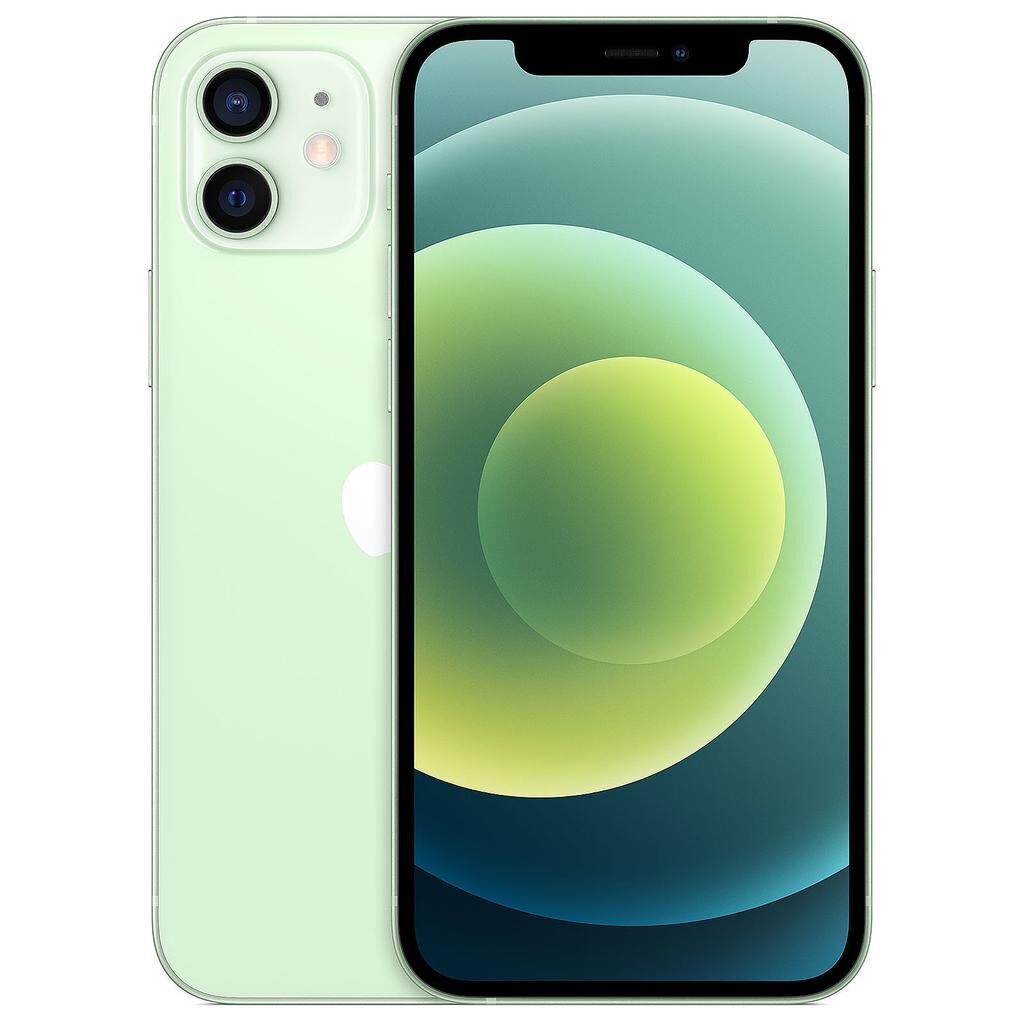
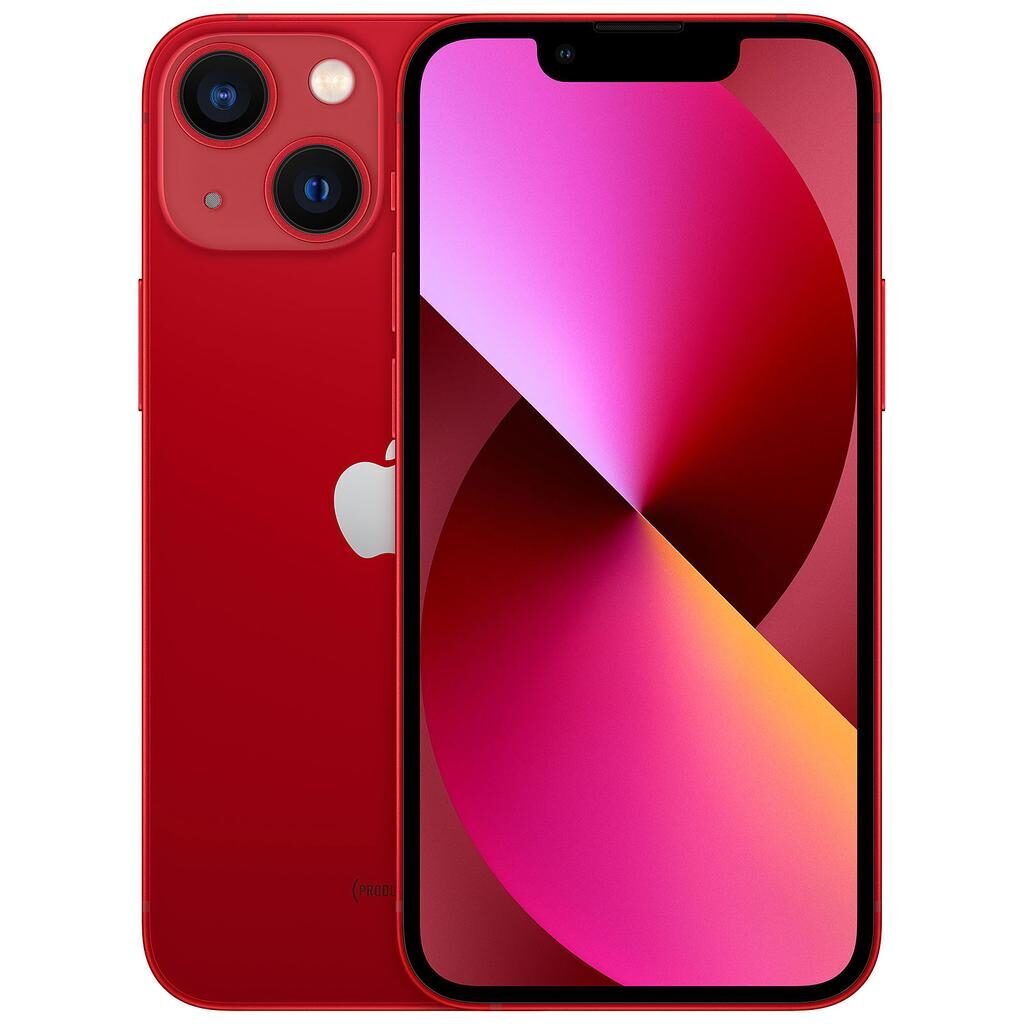
iPhone 12
Starting at
£170.00£649.00 new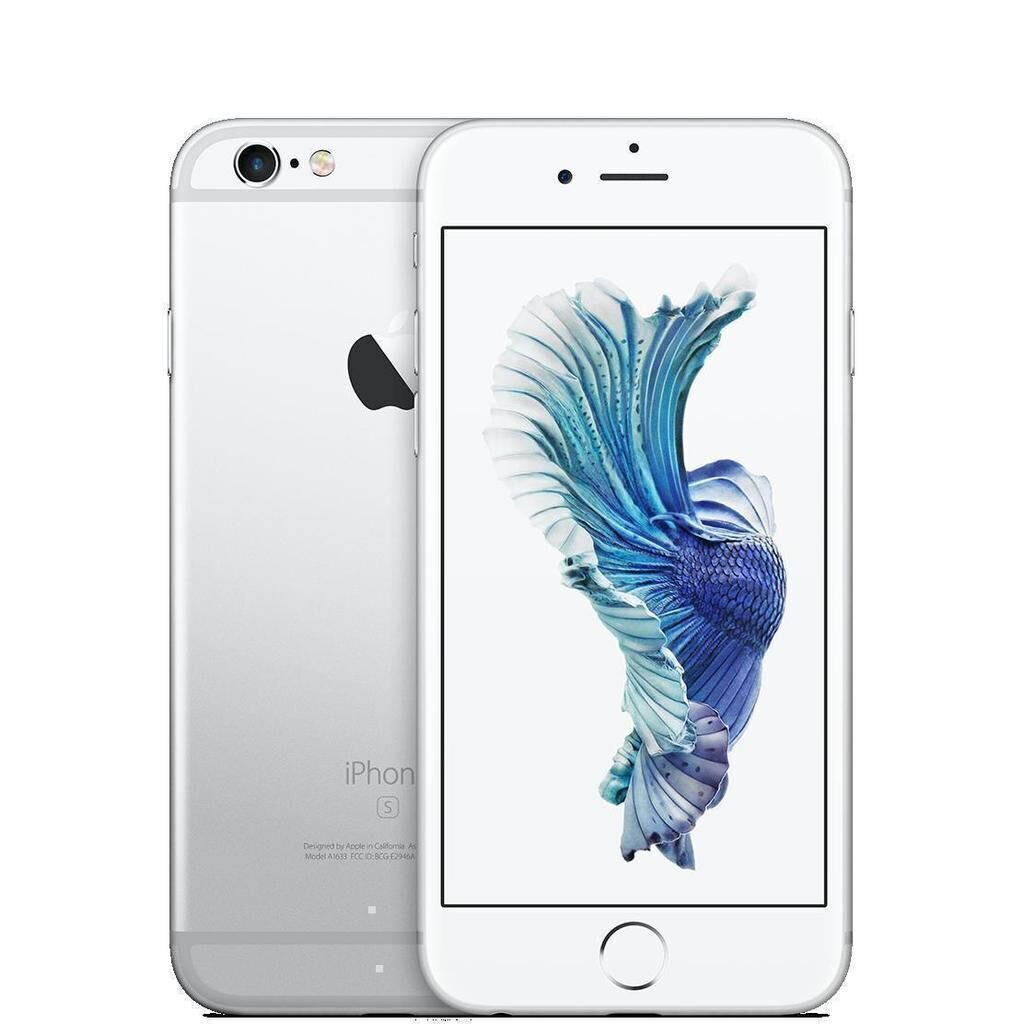
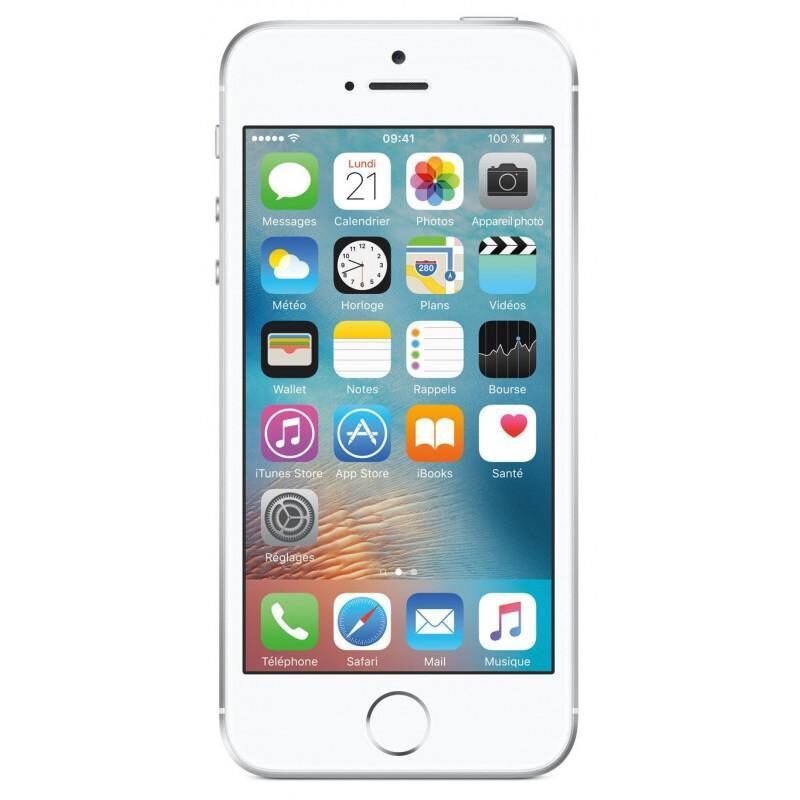
iPhone 6S
Starting at
£32.09£149.00 newWhat's the difference between the iPhone 12 and iPhone 6S?
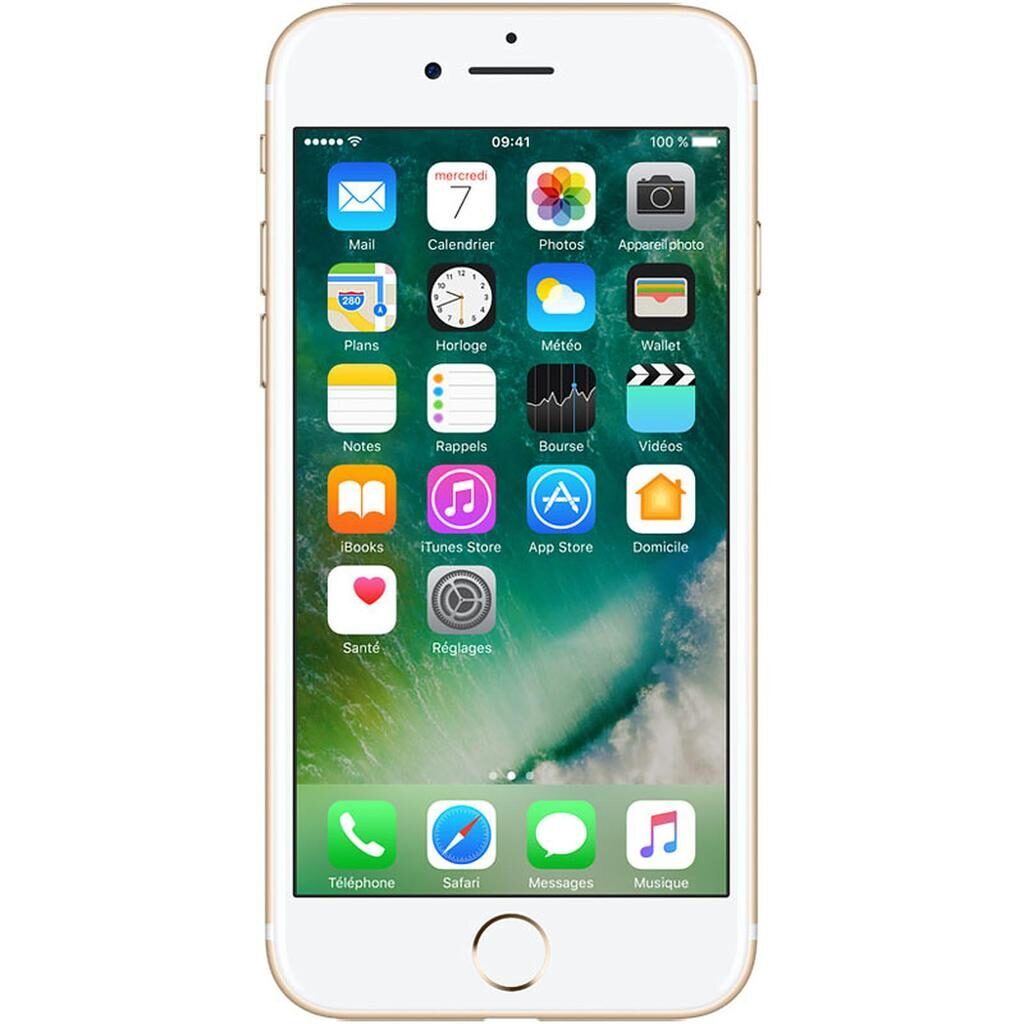
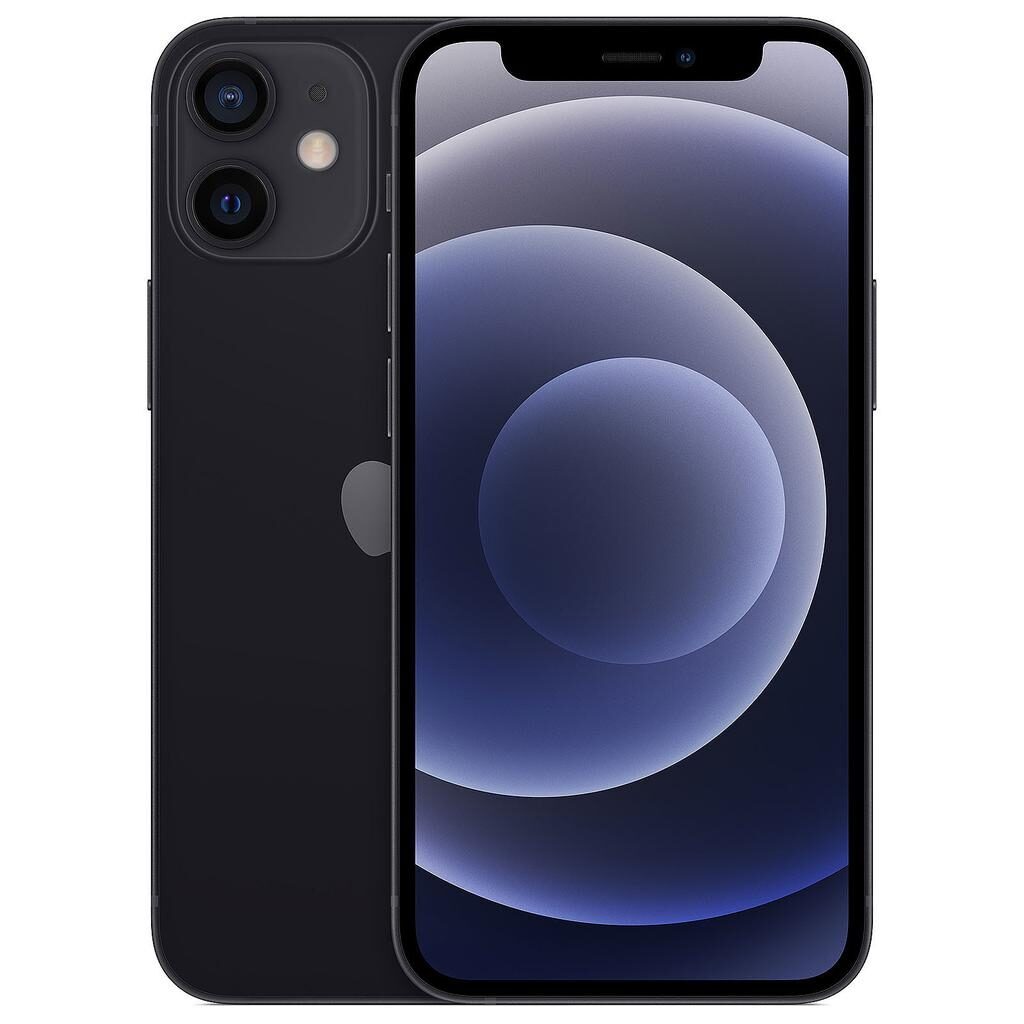
iPhone 12 vs 6S comes down to the chipset, RAM and battery. Refurbished, the iPhone 6S starts at £32.09, £137.91 less than the iPhone 12. The iPhone 12 is the newer model, released in 2020.
Refurbished from
Chipset
RAM
Battery
Screen size
Screen type
- Chipset: Apple A14 Bionic (5 nm) on the iPhone 12, Apple A9 APL0898 on the iPhone 6S.
- The iPhone 12 has more RAM: 4 GB vs 2 GB.
- The iPhone 12 has a bigger battery: 2815 mAh vs 1715 mAh.
iPhone 12 vs iPhone 6S specs
The iPhone 12 and iPhone 6S differ in several key areas that suit different users. The iPhone 12 offers a larger and sharper Super Retina XDR OLED screen, more RAM, and a more powerful chipset, making it suitable for users who want smoother multitasking and better photo and video quality. The iPhone 6S has a smaller screen and fewer features but includes a headphone jack and a physical SIM card slot only. It suits users looking for a compact phone with basic functions at a lower price and smaller storage options.
iPhone 12 vs iPhone 6S price
Colour
iPhone 12 vs iPhone 6S battery life and software updates
Durability covers battery capacity, software support, and physical design factors that affect daily use and longevity.
Battery Capacity
The iPhone 12 has a 2815 mAh battery, which provides more power for longer usage between charges. This suits users who rely heavily on their phone throughout the day. The iPhone 6S has a 1715 mAh battery, which may need more frequent charging and works well for lighter daily use or as a secondary device.
Software Updates
This benefits users who want to keep their phone current for longer.
Battery
Foldable
Ip rating
Software updates
Wireless charging
Year of release
iPhone 12 vs iPhone 6S performance
Performance differences focus on the chipset power, RAM, and storage options available. These affect how well the phone handles apps, multitasking, and storage needs.
Chipset and RAM
The iPhone 12 is powered by the Apple A14 Bionic chipset with 4 GB of RAM, providing smooth performance for multitasking, gaming, and demanding apps. This makes it suitable for users who want a fast and responsive device. The iPhone 6S has the Apple A9 chipset with 2 GB of RAM, which supports everyday use and basic apps well but is better suited for simpler tasks.
Storage Options
The iPhone 12 is available in 64GB, 128GB, and 256GB options, offering ample space for apps, photos, and media. This suits users who store a lot of content or use their phone for work and entertainment. The iPhone 6S offers 16GB, 32GB, and 64GB options, fitting users with lighter storage needs or those who prefer a lower priced option.
Chipset
RAM
iPhone 12 vs iPhone 6S screen
Screen quality affects how you view photos, videos, and apps. The two devices have different screen sizes, resolutions, and display technologies that appeal to different preferences.
Screen Size and Resolution
The iPhone 12 has a 6.1 inch screen with a resolution of 1170 x 2532 pixels, providing a larger and more detailed display. This suits users who watch videos, read, or browse with more screen space. The iPhone 6S has a 4.7 inch screen at 750 x 1334 pixels, which fits those who prefer a compact phone that is easier to hold and use with one hand.
Screen Type
The iPhone 12 uses a Super Retina XDR OLED screen, offering richer colours and deeper blacks for a more vibrant viewing experience. This is ideal for users who value high-quality visuals. The iPhone 6S has an IPS LCD screen, which provides clear and consistent colours suited to everyday use.
Refresh rate
Resolution
Screen size
Screen type
iPhone 12 vs iPhone 6S camera
Audiovisual features include camera setups and front camera resolution. These impact photography and video calls.
Camera Setup
The iPhone 12 has a double main camera system, allowing for more versatile photography options such as wide and ultra-wide shots. This suits users interested in capturing a variety of scenes. The iPhone 6S has a single main camera, which works well for straightforward photography needs.
Front Camera
The iPhone 12 features a 12 megapixel front camera, ideal for sharper selfies and clearer video calls. The iPhone 6S has a 5 megapixel front camera, suitable for basic selfies and video chats.
Main Camera Resolution
Both devices have a 12 megapixel main camera, delivering detailed photos for everyday use.
Camera type
Front camera
Main camera
iPhone 12 vs iPhone 6S size and design
Miscellaneous differences include network compatibility, connectors, dimensions, and SIM card options, which affect how you use the phone day to day.
Network and SIM
The iPhone 12 supports 5G networks and uses both a physical SIM and eSIM, offering flexibility for network choices and faster data speeds. This suits users who want to take advantage of newer mobile networks. The iPhone 6S works on 4G networks with a physical SIM only, fitting users with simpler network needs.
Connectors
Both devices use a Lightning connector for charging and data. The iPhone 6S also has a 3.5mm headphone jack, which suits users who prefer wired headphones without adapters.
Size and Weight
The iPhone 12 measures 146.7 mm by 71.5 mm by 7.4 mm and weighs 164 g, offering a larger device with a slightly thicker profile. The iPhone 6S is smaller at 138.3 mm by 67.1 mm by 7.1 mm and lighter at 143 g, fitting users who want a compact and lighter phone.
Carrier compatibility
Connector
Depth
Height
Mobile network
Release date
SD card slot
SIM card
Weight
Width
iPhone 12 or iPhone 6S: which should you buy?
Buy the iPhone 12 if
- you want more RAM (4 GB vs 2 GB)
- you want a bigger battery (2815 mAh vs 1715 mAh)
- you want a bigger screen (6.1 inch vs 4.7 inch)
Buy the iPhone 6S if
- you want to spend less: it starts at £32.09, £137.91 less than the iPhone 12
- you want a lighter build (143 g vs 162 g)
- you want a headphone jack
What our customers say
Customers who chose the iPhone 12 praise its condition, often noting it looks like a new phone with no marks or scratches. Many appreciate the smooth performance powered by the A14 Bionic chip and the 4 GB RAM, describing apps opening instantly and multitasking working well. Several customers mention ordering a new battery with their phone, resulting in longer battery life and a premium feel. The iPhone 12's screen and camera receive positive remarks, and users find it suitable for everyday use including social media and photo editing. The included accessories like a screen protector, case, and SIM removal tool add to the experience.
Those who purchased the iPhone 6S highlight its excellent condition and value for money. Many find it a good fit for simple smartphone needs, mentioning the device feels like brand new and is easy to use. Battery health is important to some customers, with varied experiences but some reporting all-day battery life. The compact size and lighter weight are appreciated, especially as a gift or for users who want a smaller phone. The 12 megapixel main camera and 5 megapixel front camera meet basic photography needs well.
The iPhone 12 suits customers who want a larger screen, stronger performance, and longer software support, while the iPhone 6S appeals to those seeking a simpler, smaller phone with basic features at a lower price.
iPhone 12 vs iPhone 6S FAQs
iPhone 12 vs 6S comes down to the chipset, RAM and battery. Chipset: Apple A14 Bionic (5 nm) on the iPhone 12, Apple A9 APL0898 on the iPhone 6S. The iPhone 12 has more RAM: 4 GB vs 2 GB.
The iPhone 6S is cheaper refurbished, from £32.09 compared with £170 for the iPhone 12.
The iPhone 12 has a bigger battery: 2815 mAh vs 1715 mAh.
Both have the same main camera: 12 megapixels.
The iPhone 12 is still supported and can run iOS 27. Updates for the iPhone 6S ended in Mar 2025. Its last version is iOS 15.
The iPhone 12 adds more RAM (4 GB vs 2 GB), a bigger battery (2815 mAh vs 1715 mAh) and a bigger screen (6.1 inch vs 4.7 inch). Refurbished, it costs £137.91 more (from £170 vs £32.09).
Refurbished, the iPhone 12 comes in 64GB, 128GB and 256GB, and the iPhone 6S in 16GB, 32GB and 64GB.