Google Pixel 8 vs OnePlus 10 Pro
Shop Google Pixel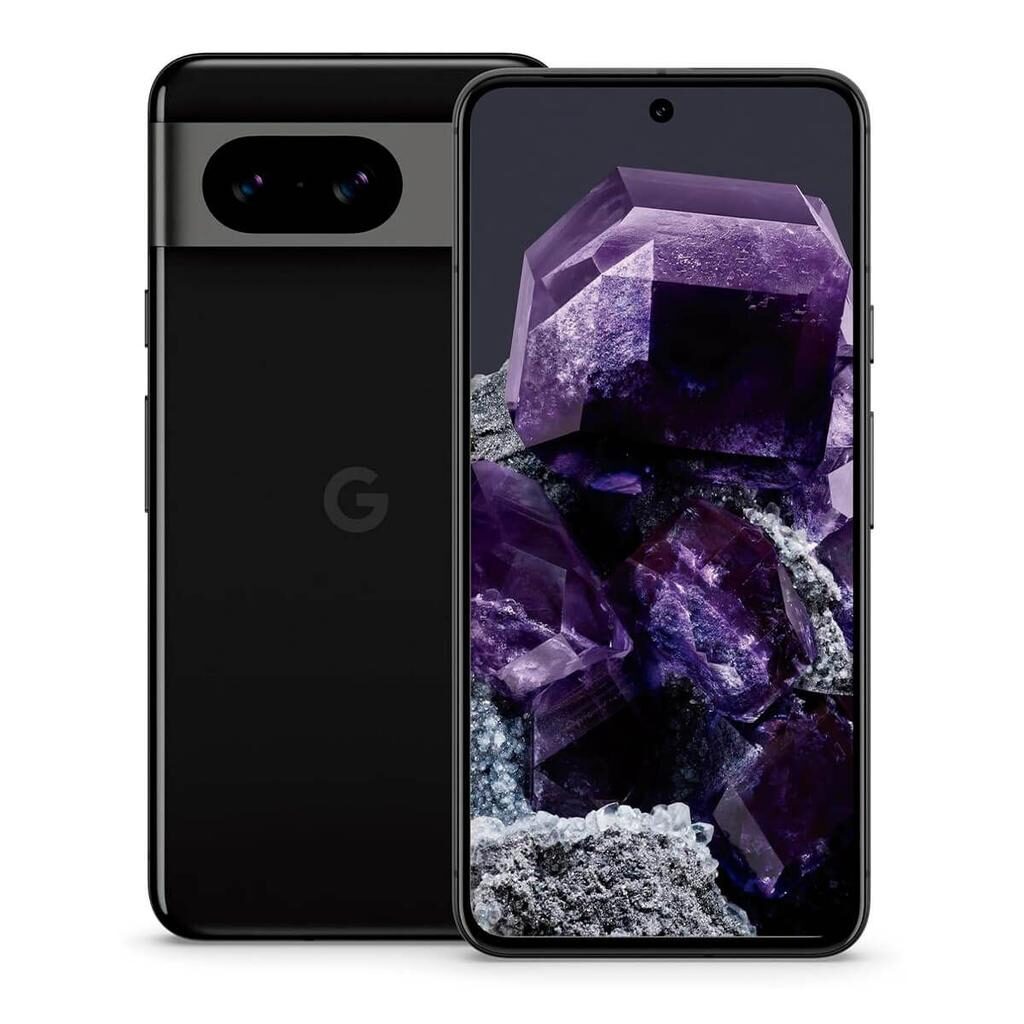
Google Pixel 8
Starting at
£205.00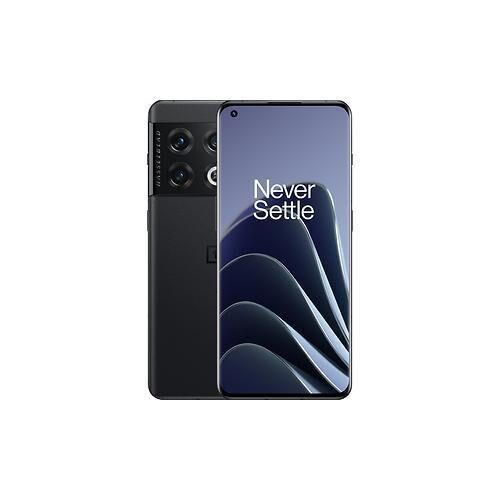
OnePlus 10 Pro
Starting at
£271.00What's the difference between the Google Pixel 8 and OnePlus 10 Pro?
Google Pixel 8 vs OnePlus 10 Pro comes down to the chipset, battery and screen size. Refurbished, the Google Pixel 8 starts at £205, £66 less than the OnePlus 10 Pro. The Google Pixel 8 is the newer model, released in 2023.
Refurbished from
Chipset
Battery
Screen size
Screen type
Main camera
- Chipset: Google Tensor G3 (4 nm) on the Google Pixel 8, Qualcomm SM8450 Snapdragon 8 Gen 1 (4 nm) on the OnePlus 10 Pro.
- The OnePlus 10 Pro has a bigger battery: 5000 mAh vs 4575 mAh.
- The OnePlus 10 Pro has a bigger screen: 6.7 inch vs 6.2 inch.
Google Pixel 8 vs OnePlus 10 Pro specs
The Google Pixel 8 and OnePlus 10 Pro offer different strengths that suit distinct needs. The Pixel 8 has a smaller screen and lower resolution, making it a good choice if you prefer a compact phone that fits easily in one hand. It runs Android 14 with the Google Tensor G3 chip, and its 4575 mAh battery suits everyday use. The OnePlus 10 Pro has a larger, higher resolution screen with an LTPO2 Fluid AMOLED display, making it better for immersive video and gaming. Its 5000 mAh battery supports longer use between charges. The cameras differ too: Pixel 8's main camera has more megapixels while the OnePlus front camera captures more detail. Both have 8 GB RAM and similar storage options. Your choice depends on screen size preference, battery needs, and camera use.
Google Pixel 8 vs OnePlus 10 Pro price
Colour
- BlackSold out
- GreySold out
- Rose GoldSold out
- GreenSold out
- BlackSold out
Storage
- 128GBSold out
- 256GBSold out
- 128GBSold out
- 256GBSold out
Google Pixel 8 vs OnePlus 10 Pro battery life and software updates
Battery capacity and operating system shape how long and how smoothly a phone runs. The Pixel 8 and OnePlus 10 Pro differ in these areas which affects daily endurance and software experience.
Battery Capacity
The OnePlus 10 Pro has a 5000 mAh battery, which is larger than the Pixel 8's 4575 mAh. This means the OnePlus will generally last longer between charges which is helpful if you use your phone heavily throughout the day or prefer fewer charging breaks. The Pixel 8's battery is still sufficient for typical daily use, especially with its smaller screen.
Operating System
The OnePlus 10 Pro runs Android without a specified version so the Pixel 8 may provide a more current software experience. This can impact app compatibility and new functionalities.
Battery
Fast charging
Foldable
Ip rating
OS at launch
Software updates
Wireless charging
Year of release
Google Pixel 8 vs OnePlus 10 Pro performance
Performance depends on the chipset, RAM, and storage options. Both phones have 8 GB RAM and similar storage sizes available, but their chipsets differ which affects processing power and efficiency.
Chipset Differences
The Pixel 8 uses the Google Tensor G3 chipset built on a 4 nm process, while the OnePlus 10 Pro uses the Qualcomm SM8450 Snapdragon 8 Gen 1, also 4 nm. Both chipsets offer strong performance for everyday use including multitasking and gaming. Your experience may vary depending on how apps and games are optimised for each chipset.
Memory and Storage
Both phones come with 8 GB of RAM which keeps everyday apps running smoothly and supports multitasking. They also offer 128 GB and 256 GB storage options, providing flexibility based on how much space you need for apps, photos, and files.
Chipset
RAM
Google Pixel 8 vs OnePlus 10 Pro screen
Screen size, resolution, and type impact how you view content. Both phones refresh at 120 Hz making animations and scrolling feel smooth but they differ in size and clarity.
Screen Size and Type
The OnePlus 10 Pro has a larger 6.7 inch LTPO2 Fluid AMOLED screen which offers a more spacious display suited for watching videos, gaming, or browsing. The Pixel 8 has a smaller 6.2 inch OLED screen making it easier to handle one-handed and pocket. The screen type on the OnePlus supports variable refresh rates which can help save battery during less demanding tasks.
Resolution and Detail
The OnePlus 10 Pro offers a higher resolution of 1440 x 3216 pixels delivering sharper and more detailed images. The Pixel 8 has a resolution of 1080 x 2400 pixels which still provides clear visuals but with less pixel density. If you prioritise very sharp text and images, the OnePlus screen may suit you better.
Refresh rate
Resolution
Screen size
Screen type
Google Pixel 8 vs OnePlus 10 Pro camera
Camera quality is important for photography and video calls. The two phones have different strengths in their front and main cameras that influence what kind of shots you can take.
Front Camera Resolution
The OnePlus 10 Pro has a 32 megapixel front camera capturing more detail for selfies and video chats. The Pixel 8's front camera has 10.5 megapixels which still takes good quality images but with fewer pixels. Choose the OnePlus if you often take detailed selfies or use your front camera for professional calls.
Main Camera Detail
The Pixel 8's main camera offers 50 megapixels, slightly higher than the OnePlus 10 Pro's 48 megapixels. This means the Pixel 8 can capture more detail in photos which benefits those who prioritise photography quality in various lighting conditions.
Front camera
Main camera
Google Pixel 8 vs OnePlus 10 Pro size and design
Other practical differences include size, weight, SIM options, and connector type. These affect daily handling, network use, and accessory compatibility.
Size and Weight
The Pixel 8 is smaller and lighter at 150.5 mm tall, 70.8 mm wide, and 187 g making it easier to carry and use with one hand. The OnePlus 10 Pro is taller and wider at 163 mm by 73.9 mm and weighs 201 g offering a more substantial feel. Your choice depends on whether you prefer compactness or a larger device.
SIM Card Options
The Pixel 8 supports one physical SIM and an eSIM which lets you use two numbers without needing two physical cards. The OnePlus 10 Pro supports dual physical SIM cards useful if you prefer swapping SIMs or have two separate physical lines.
Connector Type
Both phones use USB Type-C connectors, but the OnePlus 10 Pro specifies USB Type-C 3.1 which can offer faster data transfer speeds with compatible accessories. This can be relevant if you often connect your phone to other devices or transfer large files.
Carrier compatibility
Connector
Depth
Height
Mobile network
Release date
SD card slot
SIM card
Weight
Width
Google Pixel 8 or OnePlus 10 Pro: which should you buy?
Buy the Google Pixel 8 if
- you want to spend less: it starts at £205, £66 less than the OnePlus 10 Pro
- you want a higher-resolution main camera (50 megapixels vs 48 megapixels)
- you want a lighter build (187 g vs 200.5 g)
Buy the OnePlus 10 Pro if
- you want a bigger battery (5000 mAh vs 4575 mAh)
- you want a bigger screen (6.7 inch vs 6.2 inch)
- you want a higher-resolution front camera (32 megapixels vs 10.5 megapixels)
What our customers say
Customers who chose the Google Pixel 8 appreciate its like-new condition, compact size, and camera quality. Many mention the phone feels fast and clean with solid battery life. Some upgrading from other Android phones find the Pixel 8 easy to use and enjoy the smaller screen. Several reviews highlight the camera's performance and good photo quality with compliments on picture detail. The Pixel 8 suits customers who want a reliable, smaller phone with the latest Android 14 experience and a camera that captures detailed shots.
OnePlus 10 Pro customers often note the large, high-resolution screen and overall good quality. Some mention battery life as a downside while others are pleased with the device's performance and condition. The larger screen is suitable for users who prefer more display area for media and apps. A few reviews mention issues with battery or screen responsiveness but many find the phone looks like new and performs well for daily use.
Overall, the Pixel 8 fits buyers looking for a compact phone with up-to-date software and strong photography, while the OnePlus 10 Pro is suited to those who want a bigger, sharper screen and dual physical SIM support.
Google Pixel 8 vs OnePlus 10 Pro FAQs
Google Pixel 8 vs OnePlus 10 Pro comes down to the chipset, battery and screen size. Chipset: Google Tensor G3 (4 nm) on the Google Pixel 8, Qualcomm SM8450 Snapdragon 8 Gen 1 (4 nm) on the OnePlus 10 Pro. The OnePlus 10 Pro has a bigger battery: 5000 mAh vs 4575 mAh.
The Google Pixel 8 is cheaper refurbished, from £205 compared with £271 for the OnePlus 10 Pro.
The OnePlus 10 Pro has a bigger battery: 5000 mAh vs 4575 mAh.
The Google Pixel 8 has a higher-resolution main camera: 50 megapixels vs 48 megapixels.
The Google Pixel 8 gets updates until Oct 2030. We don't have published update dates for the OnePlus 10 Pro.
Both come in 128GB and 256GB refurbished.