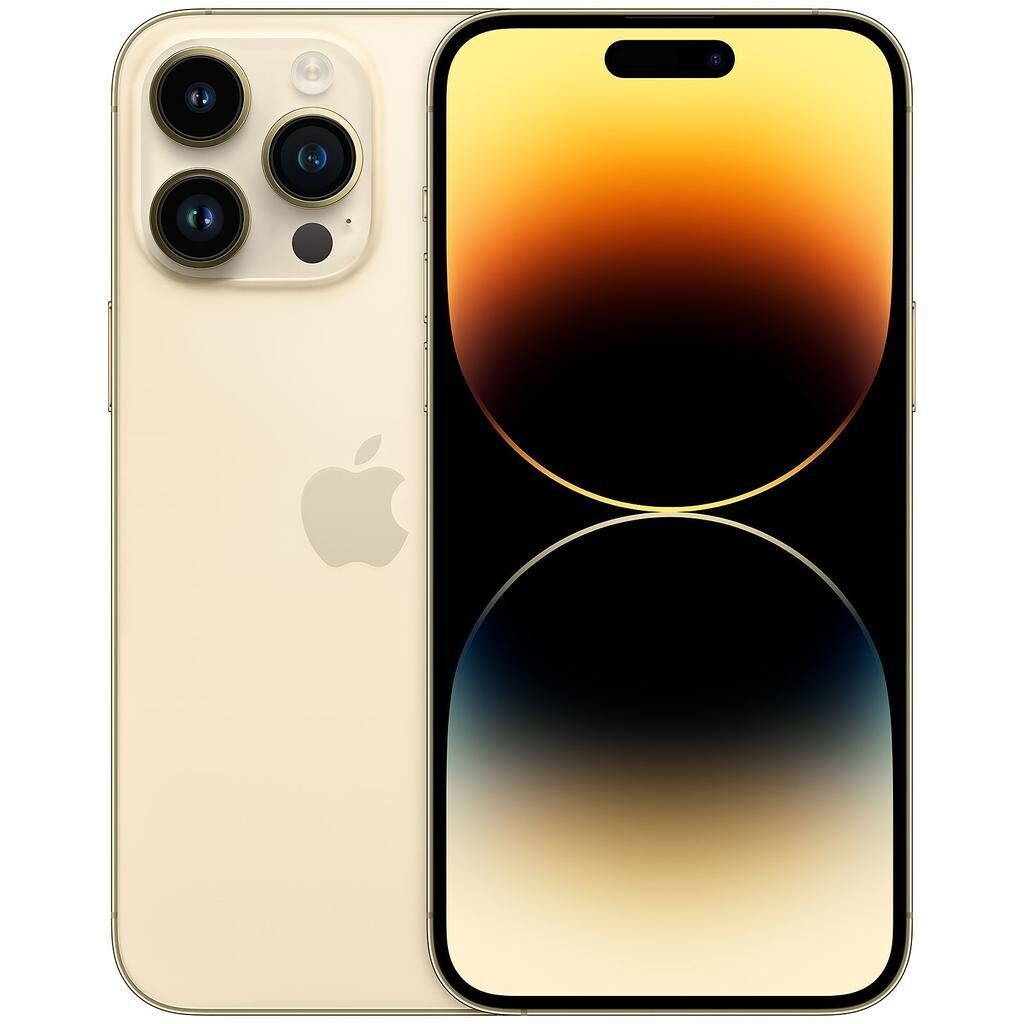
Google Pixel 8 vs iPhone 15 Pro Max
Shop Google Pixel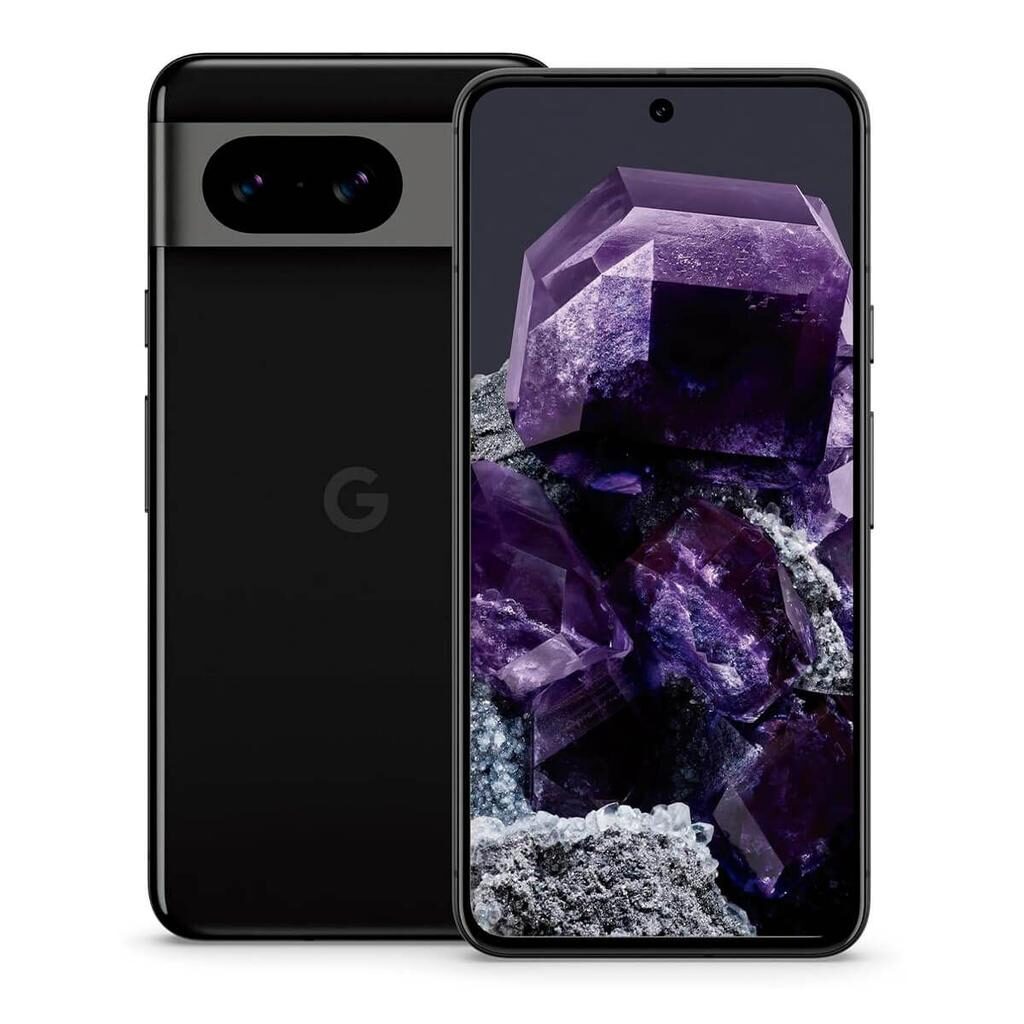
Google Pixel 8
Starting at
£205.00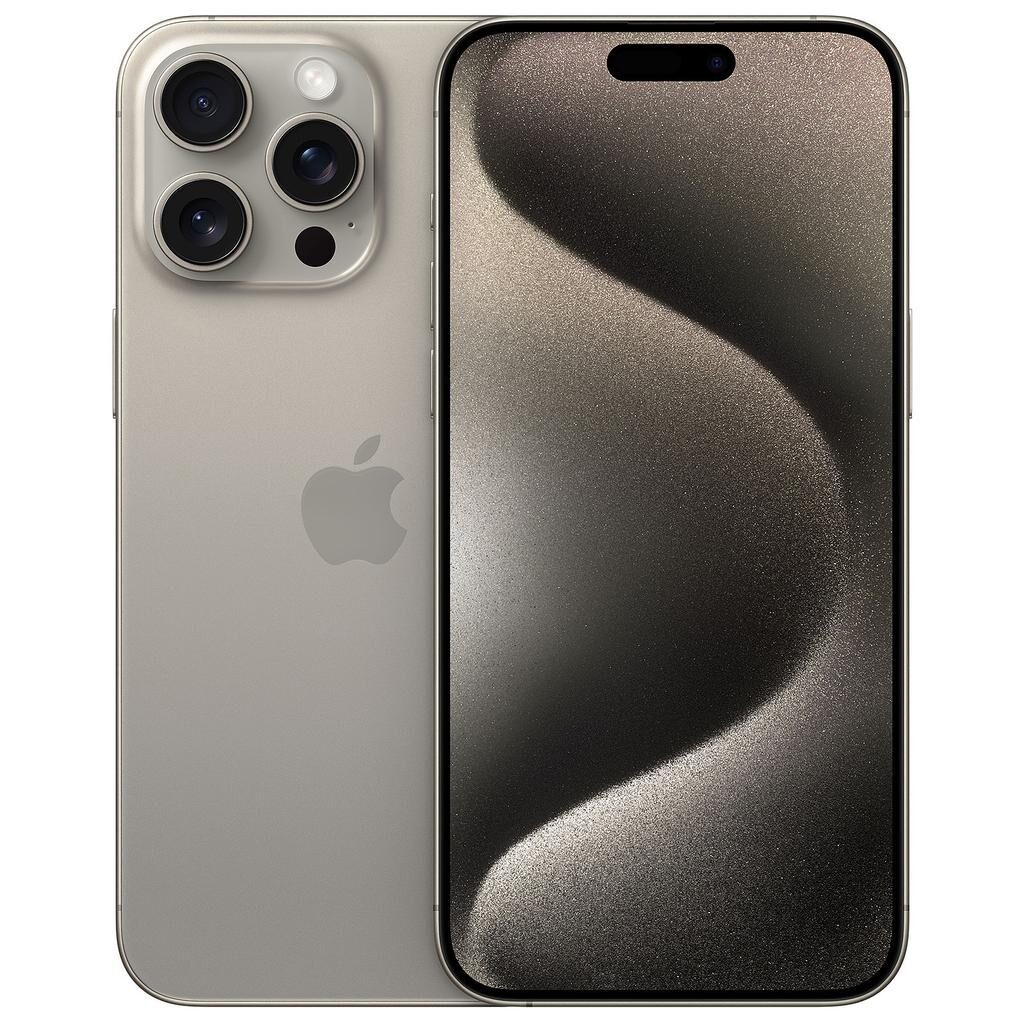
iPhone 15 Pro Max
Starting at
£577.65£1,199.00 newWhat's the difference between the Google Pixel 8 and iPhone 15 Pro Max?
Google Pixel 8 vs iPhone 15 Pro Max comes down to the chipset, battery and screen size. Refurbished, the Google Pixel 8 starts at £205, £372.65 less than the iPhone 15 Pro Max.
Refurbished from
Chipset
Battery
Screen size
Screen type
Main camera
- Chipset: Google Tensor G3 (4 nm) on the Google Pixel 8, Apple A17 Pro (3 nm) on the iPhone 15 Pro Max.
- The Google Pixel 8 has a bigger battery: 4575 mAh vs 4441 mAh.
- The iPhone 15 Pro Max has a bigger screen: 6.7 inch vs 6.2 inch.
Google Pixel 8 vs iPhone 15 Pro Max specs
The Google Pixel 8 and iPhone 15 Pro Max both launched in 2023 but offer different strengths. The Pixel 8 suits buyers who prefer a smaller, lighter phone with a straightforward Android 14 experience and a slightly larger battery. The iPhone 15 Pro Max provides a larger, higher-resolution screen, more extensive storage options, and a premium iOS operating system. Performance varies with the Pixel 8 using Google's Tensor G3 chipset and the iPhone 15 Pro Max featuring Apple's A17 Pro chip. Camera choices differ with the Pixel 8 offering a higher megapixel main camera and the iPhone 15 Pro Max having a slightly more detailed front camera. Overall, the Pixel 8 fits those valuing compactness and clean Android, while the iPhone 15 Pro Max suits users wanting a bigger display and more storage.
Google Pixel 8 vs iPhone 15 Pro Max price
Colour
- BlackSold out
- GreySold out
- Rose GoldSold out
- GreenSold out
Storage
- 128GBSold out
- 256GBSold out
Google Pixel 8 vs iPhone 15 Pro Max battery life and software updates
Durability covers battery capacity, operating system, and release year. These affect how long the phone runs on a charge and the software environment you will use daily.
Battery Capacity
The Google Pixel 8 has a 4575 mAh battery, slightly larger than the iPhone 15 Pro Max's 4441 mAh. This means the Pixel 8 may hold its charge a bit longer between charges, which could suit users who prioritise extended battery life during a busy day.
Operating System
The iPhone 15 Pro Max uses iOS, known for its smooth integration with other Apple devices and a wide range of apps. Your choice depends on whether you prefer the Android or iOS ecosystem.
Release Year
Both phones were released in 2023, so they offer recent hardware and software. This ensures current support and updates from their respective manufacturers.
Battery
Fast charging
Foldable
Ip rating
OS at launch
Software updates
Wireless charging
Year of release
Google Pixel 8 vs iPhone 15 Pro Max performance
Performance depends on chipset, RAM, and available storage, affecting speed, multitasking, and space for apps and files.
Chipset Differences
The Google Pixel 8 features the Google Tensor G3 chipset built on a 4 nm process, while the iPhone 15 Pro Max uses the Apple A17 Pro chipset built on a 3 nm process. Different chipsets may perform differently depending on tasks, with the Pixel 8 optimised for Android and Google services, and the iPhone engineered to work closely with iOS.
RAM Capacity
Both phones offer 8 GB of RAM. This capacity helps keep everyday apps running smoothly and supports multitasking, so you can switch between apps without delays.
Storage Options
The Google Pixel 8 comes in 128GB and 256GB storage options, suitable for everyday use with plenty of room for photos, apps, and media. The iPhone 15 Pro Max offers more storage variants: 256GB, 512GB, and 1TB, which is ideal if you want extra space for large files, videos, or extensive app libraries.
Chipset
RAM
Google Pixel 8 vs iPhone 15 Pro Max screen
Screen quality influences how you view photos, videos, and apps. Size, resolution, and panel technology affect clarity, colour, and smoothness.
Screen Size and Resolution
The Google Pixel 8 has a 6.2 inch screen with 1080 x 2400 resolution, which is compact and easy to handle with one hand. The iPhone 15 Pro Max offers a larger 6.7 inch display with a higher 1290 x 2796 resolution, providing more room and sharper details for watching videos or multitasking.
Screen Technology
The Pixel 8 uses an OLED screen, known for good contrast and vibrant colours. The iPhone 15 Pro Max features an LTPO Super Retina XDR OLED, which supports adaptive refresh rates and improved power efficiency, offering a premium viewing experience especially in varied lighting conditions.
Refresh Rate
Both phones have a 120 Hz refresh rate, which means smooth scrolling and animations. This is beneficial when gaming or browsing, making interactions feel responsive.
Refresh rate
Resolution
Screen size
Screen type
Google Pixel 8 vs iPhone 15 Pro Max camera
Audiovisual features focus on cameras that capture your selfies and main photos. These specs show differences in megapixels that affect image detail.
Front Camera Detail
The iPhone 15 Pro Max has a 12 megapixel front camera, which offers slightly more detail for selfies and video calls compared to the Pixel 8's 10.5 megapixels. This may suit those who prioritise high-quality front-facing photos.
Main Camera Resolution
The Google Pixel 8 provides a 50 megapixel main camera, capturing more detail for everyday photos. The iPhone 15 Pro Max has a 48 megapixel main camera, which balances resolution with other camera features to produce high-quality images.
Camera type
Front camera
Main camera
Google Pixel 8 vs iPhone 15 Pro Max size and design
Miscellaneous specs cover design, connectivity, and network features that affect how the phone fits in your daily life.
Size and Weight
The Google Pixel 8 is smaller and lighter, measuring 150.5 mm in height, 70.8 mm in width, and weighing 187 g. The iPhone 15 Pro Max is larger and heavier at 159.9 mm tall, 76.7 mm wide, and 221 g. Pixel 8 is easier to use one-handed and fits more comfortably in smaller pockets, while the iPhone 15 Pro Max offers a bigger presence in hand and on screen.
Carrier and Network
Both phones are unlocked and support 5G networks, giving you flexibility with carriers and access to fast mobile data where available.
SIM Card Options
Both devices offer a physical SIM and eSIM, providing options for dual SIM use, which is useful for balancing work and personal numbers or travelling abroad.
Connector Type
Both phones use USB-C connectors for charging and data transfer, which is common and convenient as it fits many modern accessories.
Phone Thickness
The iPhone 15 Pro Max is slightly slimmer at 8.3 mm compared to the Pixel 8's 8.9 mm thickness. This may contribute to a sleeker feel in hand.
Carrier compatibility
Connector
Depth
Height
Mobile network
Release date
SD card slot
SIM card
Weight
Width
Google Pixel 8 or iPhone 15 Pro Max: which should you buy?
Buy the Google Pixel 8 if
- you want to spend less: it starts at £205, £372.65 less than the iPhone 15 Pro Max
- you want a bigger battery (4575 mAh vs 4441 mAh)
- you want a higher-resolution main camera (50 megapixels vs 48 megapixels)
Buy the iPhone 15 Pro Max if
- you want a bigger screen (6.7 inch vs 6.2 inch)
- you want a higher-resolution front camera (12 megapixels vs 10.5 megapixels)
What our customers say
Customers who chose the Google Pixel 8 highlight its like-new condition and solid battery life. Many praise the phone for being fast, clean, and comfortable to use with its smaller size and good screen quality. The camera is appreciated for producing great pictures, and several buyers note a smooth experience moving from older Android devices. Some mention minor issues like a missing SIM tool or occasional fingerprint sensor sensitivity with screen protectors, but overall satisfaction is high. The Pixel 8 is favoured by those who want a compact phone with reliable Android performance and good value.
Buyers of the iPhone 15 Pro Max often comment on how the phone looks like new with minimal signs of wear and good battery health, sometimes over 85%. The larger screen and excellent camera quality are frequently mentioned as strong points. Several customers appreciate the available higher storage options and the smooth iOS experience. Some note the phone can get warm during initial app downloads but settles quickly. The iPhone 15 Pro Max suits those who prefer a premium, larger iPhone with plenty of storage and a sharp display.
Overall, the Pixel 8 appeals to users who want a smaller, lighter Android phone with a strong camera and battery. The iPhone 15 Pro Max fits those who seek a larger screen, more storage, and the iOS ecosystem in a high-end device.
Google Pixel 8 vs iPhone 15 Pro Max FAQs
Google Pixel 8 vs iPhone 15 Pro Max comes down to the chipset, battery and screen size. Chipset: Google Tensor G3 (4 nm) on the Google Pixel 8, Apple A17 Pro (3 nm) on the iPhone 15 Pro Max. The Google Pixel 8 has a bigger battery: 4575 mAh vs 4441 mAh.
The Google Pixel 8 is cheaper refurbished, from £205 compared with £577.65 for the iPhone 15 Pro Max.
The Google Pixel 8 has a bigger battery: 4575 mAh vs 4441 mAh.
The Google Pixel 8 has a higher-resolution main camera: 50 megapixels vs 48 megapixels.
The Google Pixel 8 gets updates until Oct 2030. The iPhone 15 Pro Max is still supported and can run iOS 27.
Refurbished, the Google Pixel 8 comes in 128GB and 256GB, and the iPhone 15 Pro Max in 256GB, 512GB and 1TB.