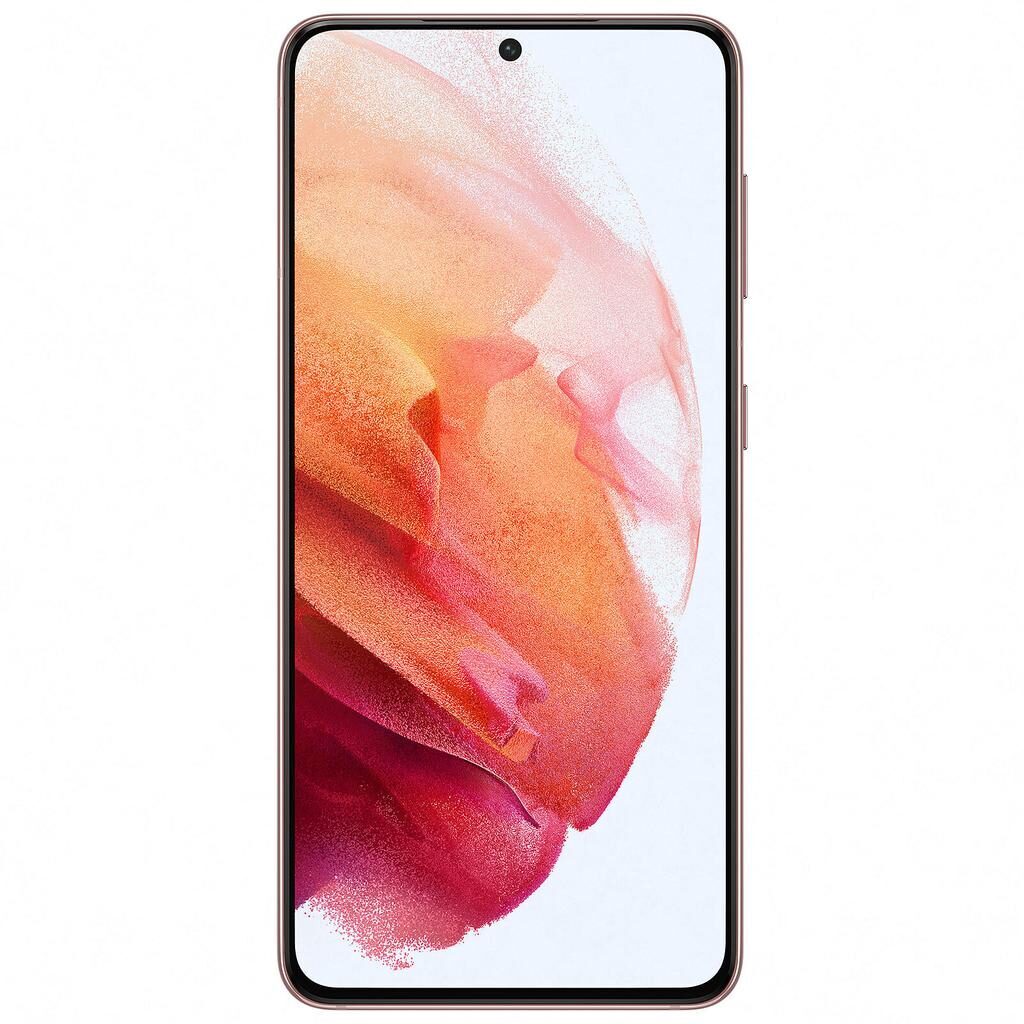
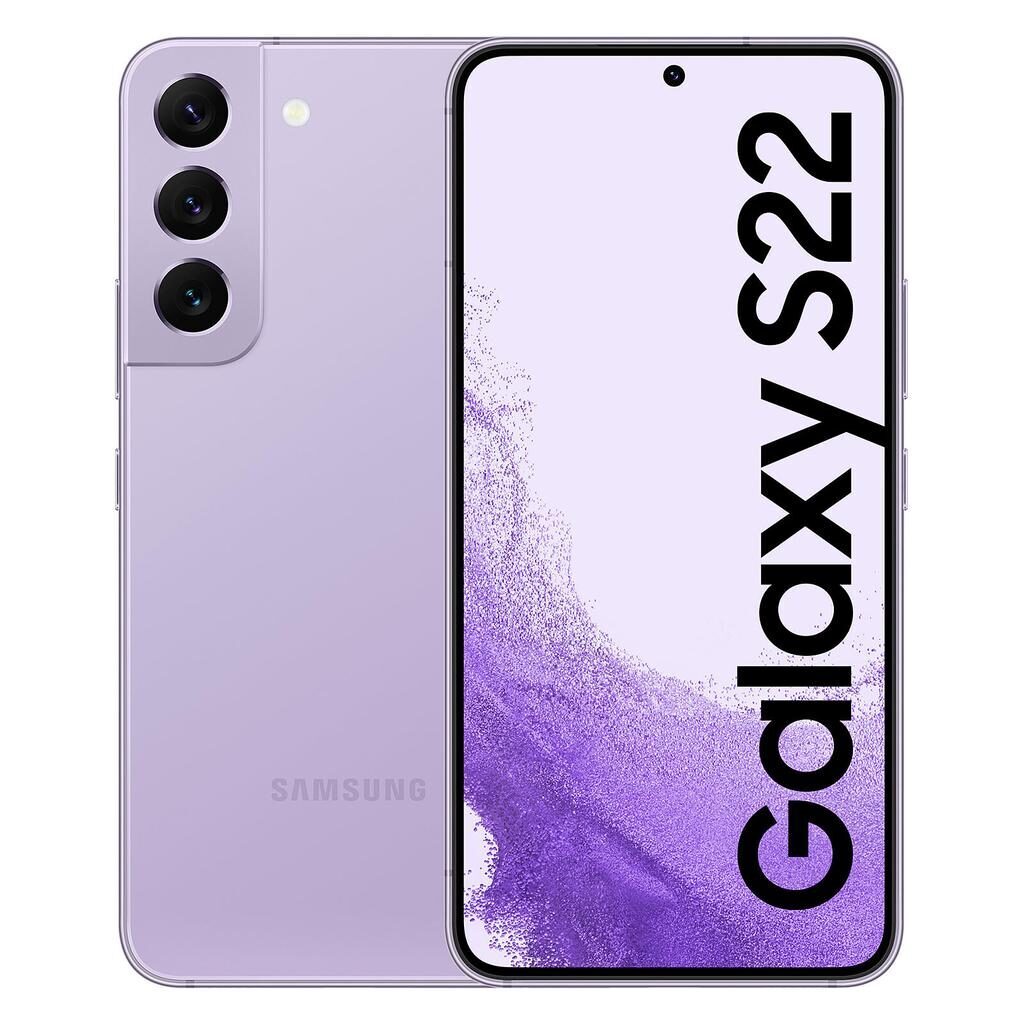
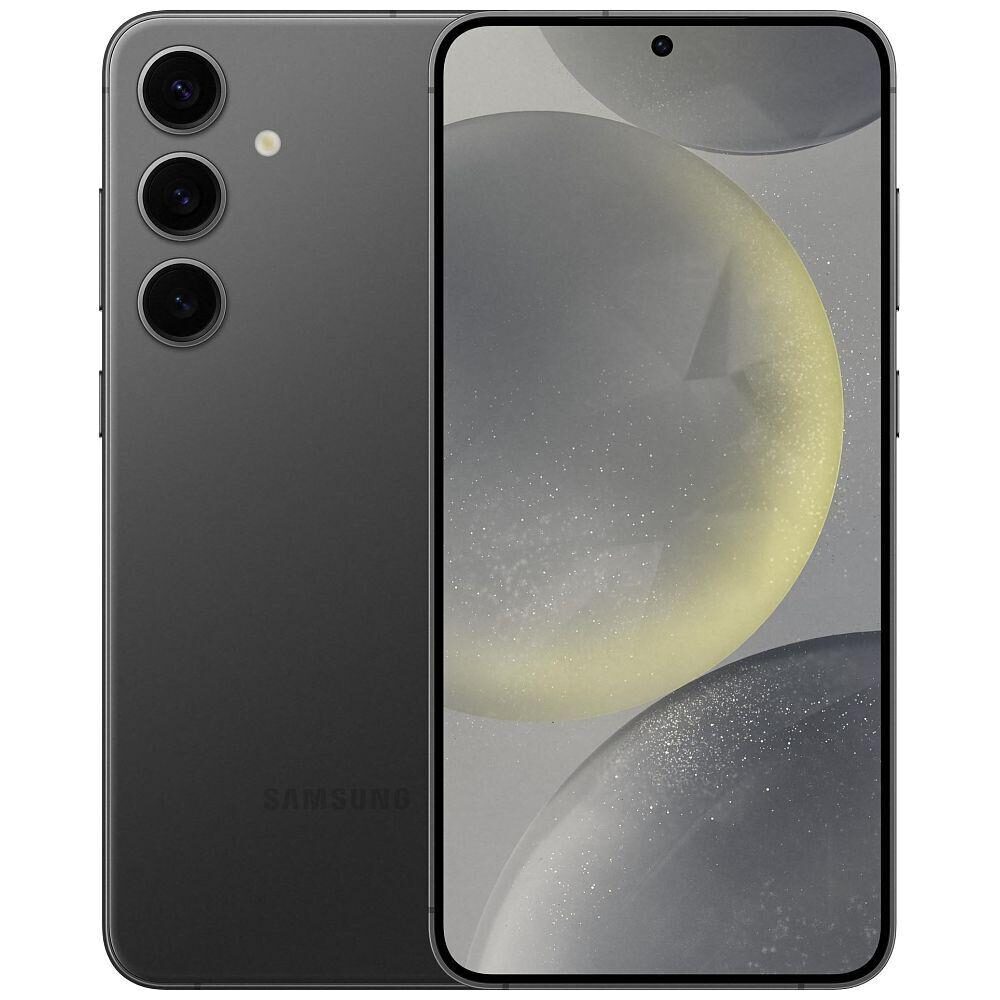
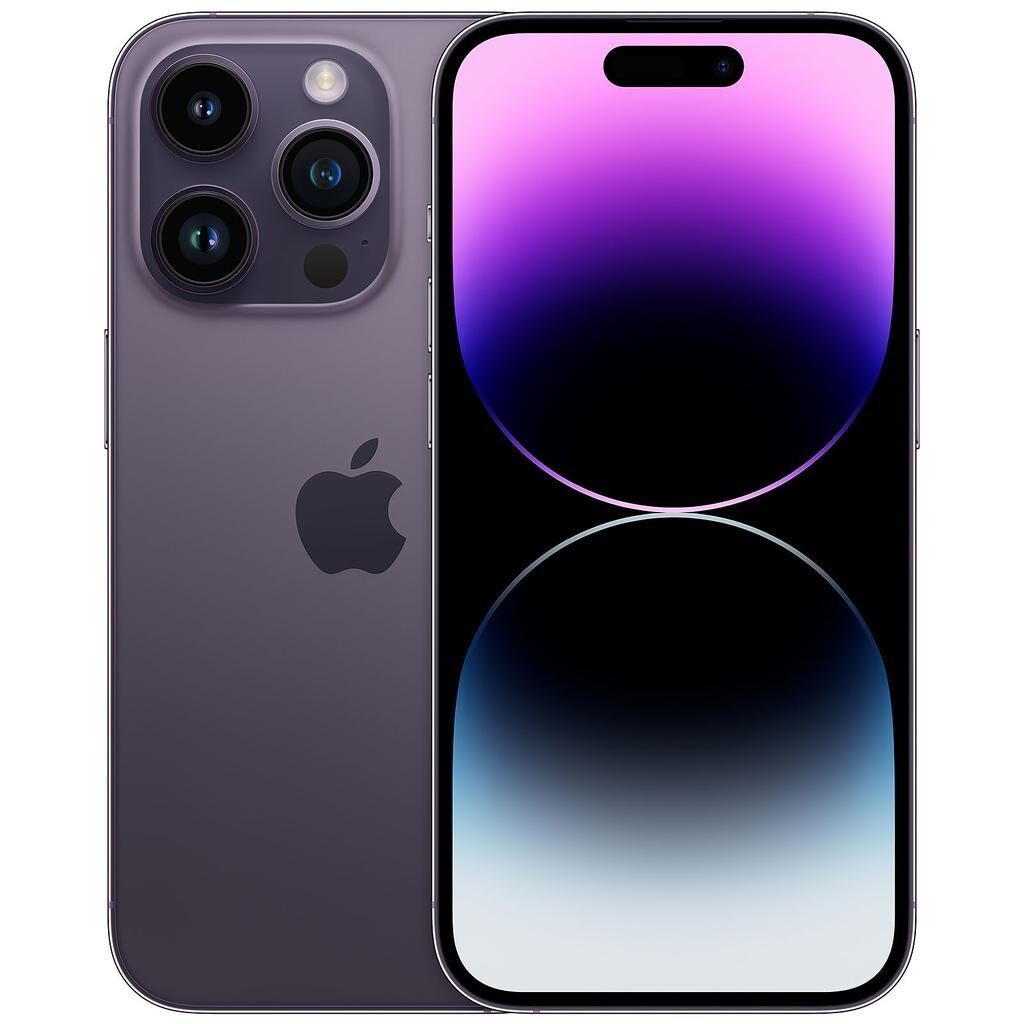
Google Pixel 7 vs Google Pixel 8
Shop Google Pixel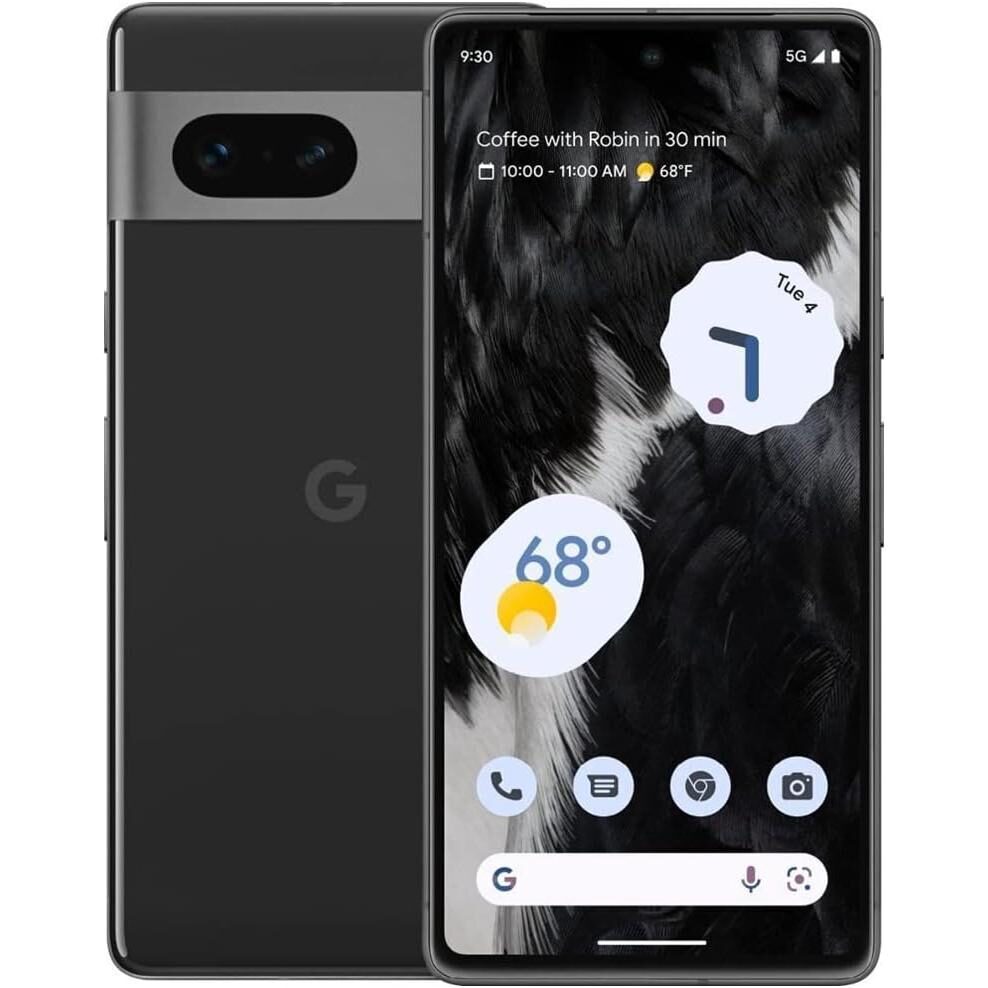
Google Pixel 7
Starting at
£150.00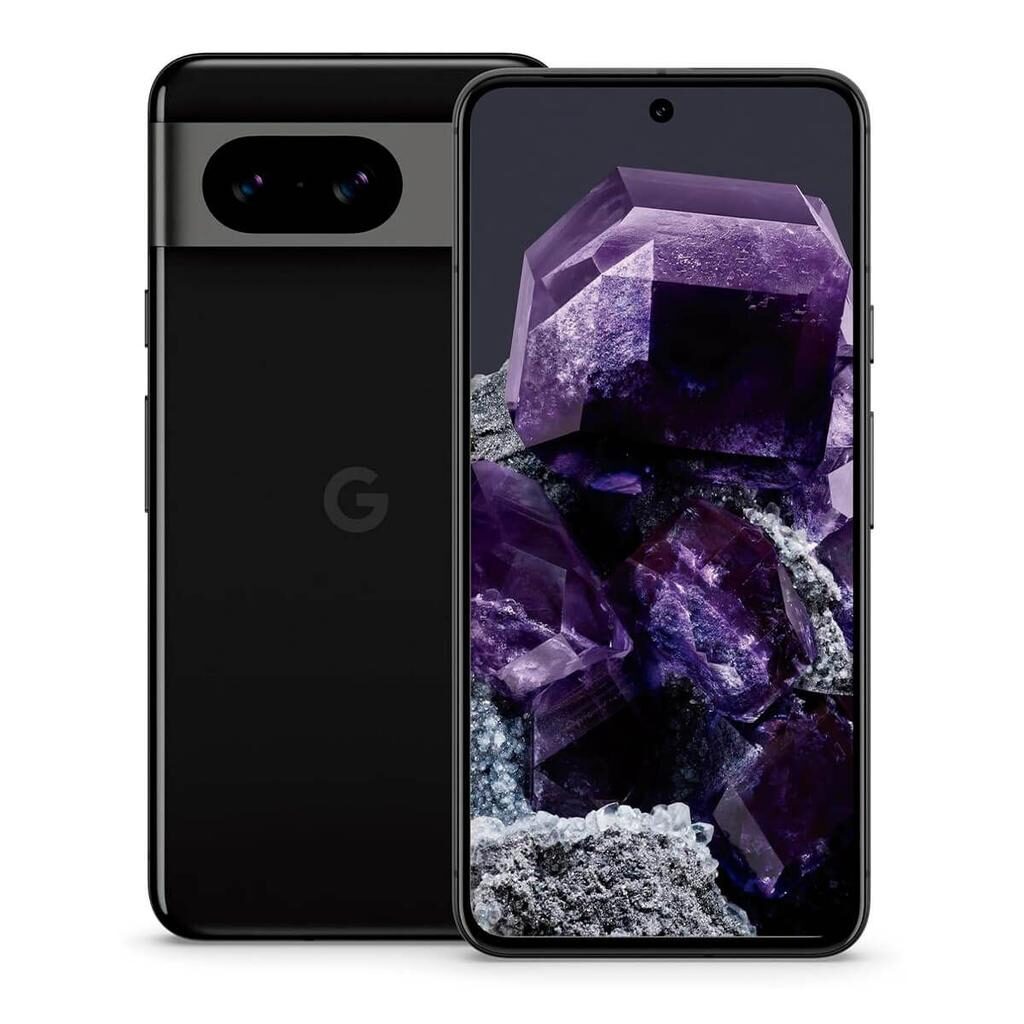
Google Pixel 8
Starting at
£205.00What's the difference between the Google Pixel 7 and Google Pixel 8?
Google Pixel 7 vs 8 comes down to the chipset, battery and screen size. Refurbished, the Google Pixel 7 starts at £150, £55 less than the Google Pixel 8. The Google Pixel 8 is the newer model, released in 2023.
Refurbished from
Chipset
Battery
Screen size
Screen type
Refresh rate
- Chipset: Google Tensor G2 on the Google Pixel 7, Google Tensor G3 (4 nm) on the Google Pixel 8.
- The Google Pixel 8 has a bigger battery: 4575 mAh vs 4355 mAh.
- Screen size: 6.3 inch on the Google Pixel 7, 6.2 inch on the Google Pixel 8.
Google Pixel 7 vs Google Pixel 8 specs
The Google Pixel 7 and Pixel 8 share many features but differ in key areas that suit different users. The Pixel 7 features a slightly larger screen with a 90 Hz refresh rate, while the Pixel 8 has a smaller screen with a smoother 120 Hz refresh rate and an OLED display. The Pixel 8 is lighter and more compact, which suits users seeking a smaller phone. Both have similar cameras and storage options, so photo quality and space will be comparable. Choose the Pixel 7 if you prefer a bigger display and a bit more battery capacity.
Google Pixel 7 vs Google Pixel 8 price
Colour
- BlackSold out
- GreenSold out
- WhiteSold out
- BlackSold out
- GreySold out
- Rose GoldSold out
- GreenSold out
Storage
- 128GBSold out
- 256GBSold out
- 128GBSold out
- 256GBSold out
Google Pixel 7 vs Google Pixel 8 battery life and software updates
Battery capacity and operating system affect how long the phone lasts each day and the software experience over time. Both phones offer solid stamina and up-to-date Android versions with some differences.
Battery Capacity
The Google Pixel 8 has a 4575 mAh battery, slightly larger than the Pixel 7's 4355 mAh. This means the Pixel 8 may provide longer usage between charges, which suits users who need extra endurance. The Pixel 7 still offers a good battery size for most daily needs.
Operating System
The Pixel 7 runs Android, without a specified version.
Battery
Fast charging
Foldable
Ip rating
OS at launch
Software updates
Wireless charging
Year of release
Google Pixel 7 vs Google Pixel 8 performance
Performance depends on the chipset and memory. Both phones have 8 GB RAM, keeping everyday apps running smoothly, but the Pixel 8 uses a newer chipset which may handle tasks more efficiently.
Chipset
The Pixel 8 features the Google Tensor G3 (4 nm) chipset, a newer generation than the Pixel 7's Google Tensor G2. This can offer improved speed and efficiency for tasks like gaming, multitasking, and AI features. Users wanting a faster and more responsive phone will appreciate the Pixel 8's chipset.
Memory and Storage
Both phones come with 8 GB of RAM, supporting smooth multitasking and app performance. Storage options are the same for both, with 128GB and 256GB choices available. This balance suits users who want ample space for apps, photos, and files without external storage.
Chipset
RAM
Google Pixel 7 vs Google Pixel 8 screen
Screen quality impacts viewing comfort and visual smoothness. While both phones have the same resolution, differences in size, refresh rate, and screen type create distinct viewing experiences.
Refresh Rate
The Pixel 8 offers a 120 Hz refresh rate, providing smoother scrolling and animations compared to the Pixel 7's 90 Hz. This makes the Pixel 8 better suited for those who notice and appreciate fluid motion in games, videos, and everyday use.
Screen Size and Type
The Pixel 7 has a larger 6.3 inch AMOLED screen, offering more space for watching videos and browsing. The Pixel 8 has a slightly smaller 6.2 inch OLED screen, which still delivers vibrant colours and deep blacks but in a more compact form. Choose the Pixel 7 for a roomier display, or the Pixel 8 for a smaller, sharper screen experience.
Refresh rate
Resolution
Screen size
Screen type
Google Pixel 7 vs Google Pixel 8 camera
Camera and front-facing camera specs show that both phones capture detailed photos, with minor differences in front camera resolution.
Front Camera
The Pixel 7 has a 10.8 megapixel front camera, slightly higher in resolution than the Pixel 8's 10.5 megapixels. This small difference may appeal to those who value higher detail in selfies or video calls.
Main Camera
Both phones have a 50 megapixel main camera, so photo quality for everyday photography should be similar. This makes either phone a strong choice for photography enthusiasts.
Front camera
Main camera
Google Pixel 7 vs Google Pixel 8 size and design
Dimensions, weight, and connectivity affect comfort and convenience. Both phones support 5G and use USB Type-C, but their size and weight vary.
Size and Weight
The Pixel 8 is smaller and lighter at 150.5 mm height and 187 g weight versus the Pixel 7's 155.6 mm height and 197 g. This makes the Pixel 8 more pocket-friendly and easier to hold for extended periods. The Pixel 7's slightly larger size suits users who prefer a bigger handset.
Other Dimensions
The Pixel 8 is narrower at 70.8 mm wide compared to 73.2 mm for the Pixel 7, and slightly thicker at 8.9 mm versus 8.7 mm. These subtle changes contribute to the Pixel 8's compact feel.
Connectivity and SIM
Both phones are unlocked, support 5G, have USB Type-C connectors, and use a combination of physical SIM and eSIM. This makes either suitable for flexible network use.
Storage Expansion
Neither phone has an SD card slot, so storage relies on built-in options.
Carrier compatibility
Connector
Depth
Height
Mobile network
Release date
SD card slot
SIM card
Weight
Width
Google Pixel 7 or Google Pixel 8: which should you buy?
Buy the Google Pixel 7 if
- you want to spend less: it starts at £150, £55 less than the Google Pixel 8
- you want a higher-resolution front camera (10.8 megapixels vs 10.5 megapixels)
Buy the Google Pixel 8 if
- you want a bigger battery (4575 mAh vs 4355 mAh)
- you want a smoother screen (120 Hz vs 90 Hz)
- you want longer software support (until Oct 2030 vs until Oct 2027)
What our customers say
Customers of the Google Pixel 7 praise its clean condition and reliable performance. Many highlight the ease of setup and smooth software experience. The camera quality is repeatedly noted as very good, capturing clear photos, and the battery life holds up well for daily use. Some customers mention the phone looks almost new even in fair or good condition. The Pixel 7 is appreciated for saving money while delivering solid speed and storage, with many happy to recommend it for environmental reasons and value.
Reviews for the Google Pixel 8 emphasise how like new the phone looks and performs. Customers often mention the phone is fast and holds charge well. The camera receives compliments for producing fantastic pictures, with users happy with the overall speed and compact size. Some note minor issues like a less sensitive fingerprint sensor with a screen protector or missing accessories, but these do not overshadow the positive feedback. Overall, the Pixel 8 is seen as a smart choice for those wanting a recent model with strong performance.
Both phones suit buyers looking for quality refurbished devices with good battery life and camera capabilities. The Pixel 7 appeals to those wanting a slightly larger screen and a dependable all-rounder. The Pixel 8 suits people who prefer a smaller, lighter phone with the latest Android version and a smoother display.
Google Pixel 7 vs Google Pixel 8 FAQs
Google Pixel 7 vs 8 comes down to the chipset, battery and screen size. Chipset: Google Tensor G2 on the Google Pixel 7, Google Tensor G3 (4 nm) on the Google Pixel 8. The Google Pixel 8 has a bigger battery: 4575 mAh vs 4355 mAh.
The Google Pixel 7 is cheaper refurbished, from £150 compared with £205 for the Google Pixel 8.
The Google Pixel 8 has a bigger battery: 4575 mAh vs 4355 mAh.
Both have the same main camera: 50 megapixels.
The Google Pixel 7 gets updates until Oct 2027. The Google Pixel 8 gets updates until Oct 2030.
The Google Pixel 8 adds a bigger battery (4575 mAh vs 4355 mAh), a smoother screen (120 Hz vs 90 Hz) and longer software support (until Oct 2030 vs until Oct 2027). Refurbished, it costs £55 more (from £205 vs £150).
Both come in 128GB and 256GB refurbished.