Google Pixel 7 Pro vs Google Pixel 8
Shop Google Pixel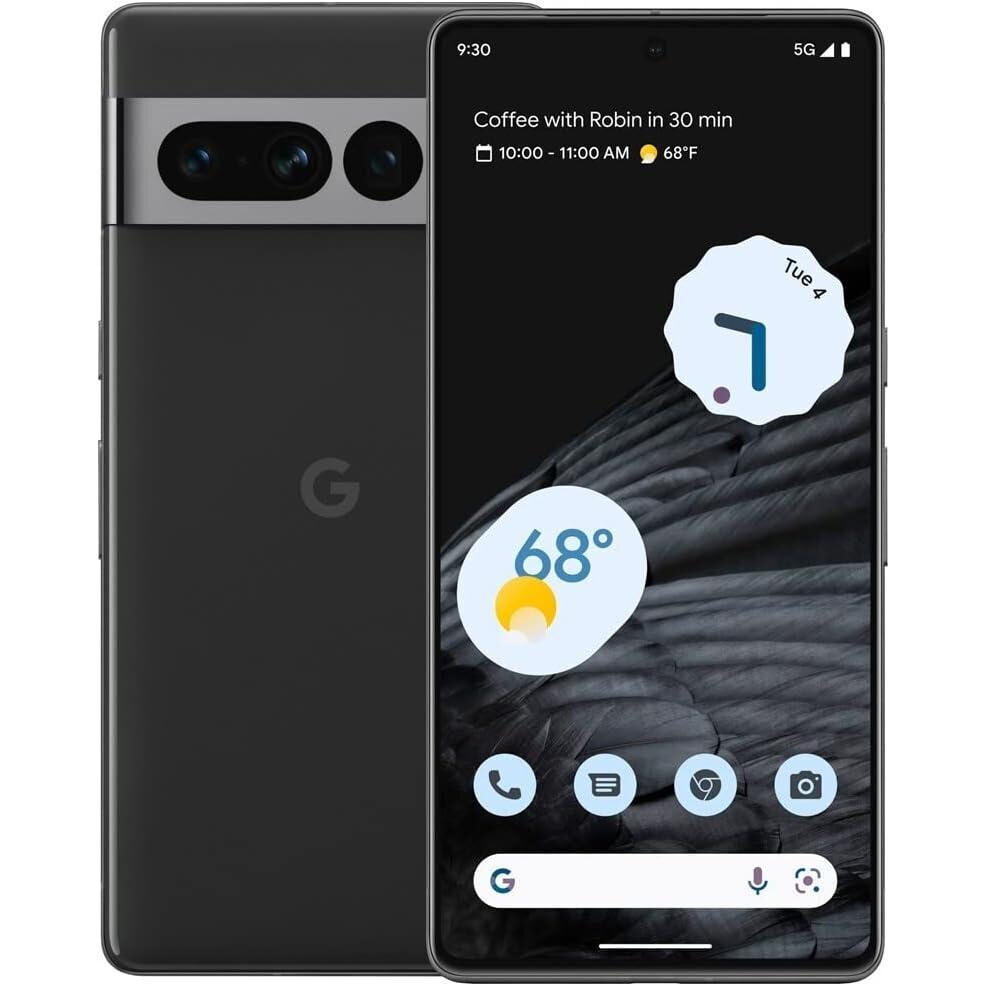
Google Pixel 7 Pro
Starting at
£172.75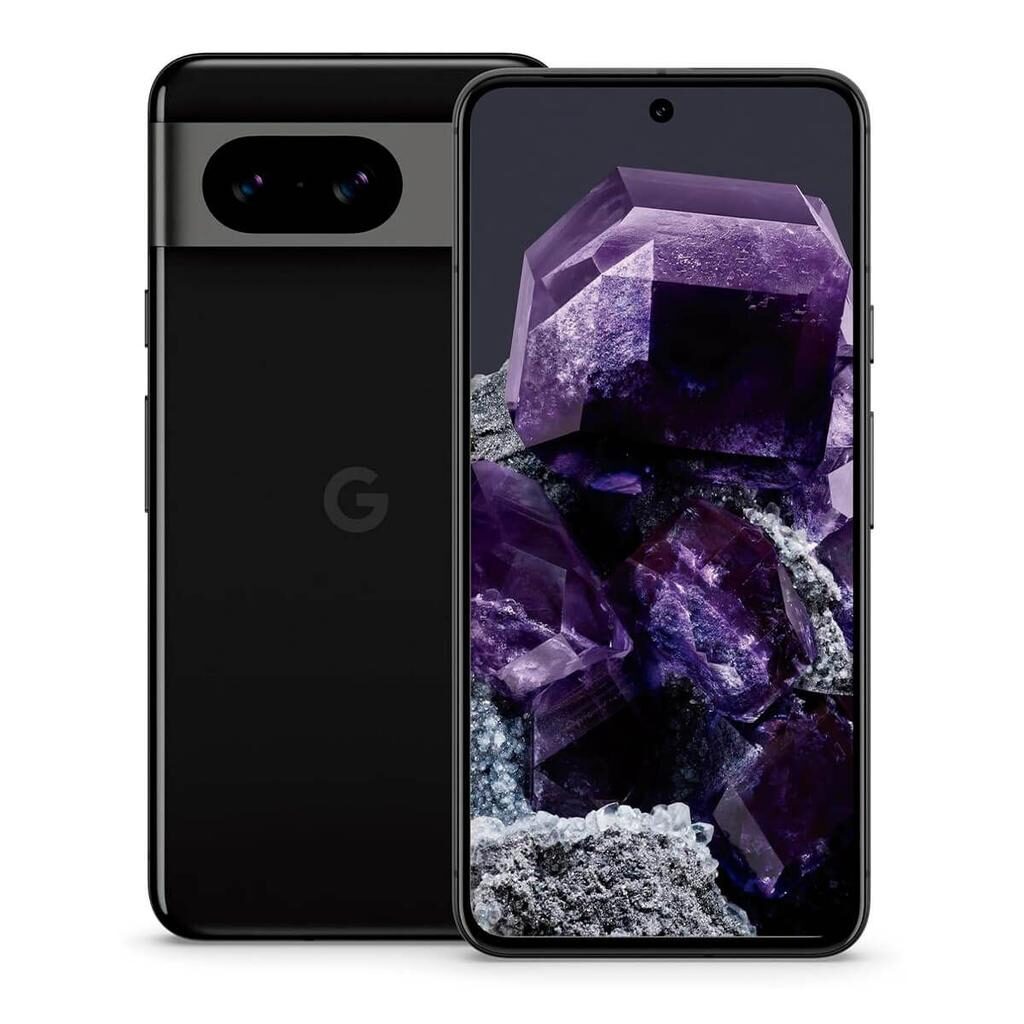
Google Pixel 8
Starting at
£205.00What's the difference between the Google Pixel 7 Pro and Google Pixel 8?
Google Pixel 7 Pro vs 8 comes down to the chipset, battery and screen size. Refurbished, the Google Pixel 7 Pro starts at £172.75, £32.25 less than the Google Pixel 8. The Google Pixel 8 is the newer model, released in 2023.
Refurbished from
Chipset
Battery
Screen size
Screen type
Front camera
- Chipset: Google Tensor G2 (5 nm) on the Google Pixel 7 Pro, Google Tensor G3 (4 nm) on the Google Pixel 8.
- The Google Pixel 7 Pro has a bigger battery: 5000 mAh vs 4575 mAh.
- The Google Pixel 7 Pro has a bigger screen: 6.7 inch vs 6.2 inch.
Google Pixel 7 Pro vs Google Pixel 8 specs
The Google Pixel 7 Pro and Google Pixel 8 differ mainly in screen size and resolution, chipset, battery capacity, and software version. The Pixel 7 Pro has a larger 6.7 inch LTPO AMOLED screen with higher resolution and a bigger 5000 mAh battery, which suits those who want more screen space and longer battery life in one device. Both devices have the same RAM and camera megapixels, so performance and photography remain strong on either model.
Google Pixel 7 Pro vs Google Pixel 8 price
Colour
- BlackSold out
- GreySold out
- WhiteSold out
- BlackSold out
- GreySold out
- Rose GoldSold out
- GreenSold out
Storage
- 128GBSold out
- 256GBSold out
- 128GBSold out
- 256GBSold out
Google Pixel 7 Pro vs Google Pixel 8 battery life and software updates
Durability covers battery size and operating system version, which influence how long the device runs between charges and how up to date the software experience is.
Battery Capacity
The Google Pixel 7 Pro has a 5000 mAh battery, offering more capacity for longer use between charges. This suits users who spend more time away from power sources or prefer extended screen-on time. The Google Pixel 8 has a 4575 mAh battery, which is smaller but still supports a full day of typical use.
Battery
Fast charging
Foldable
Ip rating
OS at launch
Software updates
Wireless charging
Year of release
Google Pixel 7 Pro vs Google Pixel 8 performance
Performance depends on the chipset and RAM, which determine speed and multitasking ability for everyday apps and more demanding tasks.
Chipset Generation
The Pixel 7 Pro uses the Google Tensor G2 chipset built on a 5 nm process, while the Pixel 8 features the newer Google Tensor G3 chipset on a 4 nm process. The smaller process size in the Pixel 8's chipset can bring efficiency improvements and possibly smoother performance for demanding apps or multitasking.
RAM Size
Both devices include 8 GB of RAM, which is sufficient to keep everyday apps running smoothly and handle multitasking well. This RAM amount meets the needs of most users looking for reliable performance.
Storage Options
Both Pixel 7 Pro and Pixel 8 are available with 128GB or 256GB of internal storage, giving you flexibility to choose the amount of space for apps, media, and files based on your needs.
Chipset
RAM
Google Pixel 7 Pro vs Google Pixel 8 screen
Screen quality involves size, resolution, refresh rate, and display technology, all of which affect viewing experience and how the screen feels in use.
Screen Size and Resolution
The Pixel 7 Pro has a larger 6.7 inch screen with a resolution of 1440 x 3120 pixels, offering more room and sharper detail. This is ideal if you watch videos, play games, or prefer a bigger display for productivity. The Pixel 8 has a smaller 6.2 inch screen at 1080 x 2400 pixels, which fits more comfortably in one hand and in pockets while still providing good clarity.
Refresh Rate and Screen Type
Both phones support a 120 Hz refresh rate, making scrolling and animations appear smooth. The Pixel 7 Pro uses an LTPO AMOLED screen, which can adjust its refresh rate to save battery. The Pixel 8 uses an OLED screen, which delivers vibrant colours and contrast.
Refresh rate
Resolution
Screen size
Screen type
Google Pixel 7 Pro vs Google Pixel 8 camera
Audiovisual features include the front and main cameras, which determine selfie quality and photo resolution.
Camera Megapixels
Both devices have a 50 megapixel main camera, so they capture similar levels of detail in photos. The front camera on the Pixel 7 Pro has 10.8 megapixels, slightly higher than the Pixel 8's 10.5 megapixels. This difference may appeal if you prioritise sharper selfies.
Front camera
Main camera
Google Pixel 7 Pro vs Google Pixel 8 size and design
Other factors like size, weight, connectivity, and network compatibility affect everyday handling and compatibility with carriers.
Physical Dimensions and Weight
The Pixel 7 Pro measures 162.9 mm in height, 76.6 mm in width, and weighs 212 g, making it a larger and heavier device suited for those comfortable with bigger phones. The Pixel 8 is smaller at 150.5 mm tall, 70.8 mm wide, and lighter at 187 g, which suits users who want a more compact phone that is easier to hold.
Carrier and SIM Support
Both phones are unlocked and support 5G networks. They include physical SIM plus eSIM options, giving flexibility to switch carriers or use dual SIM setups without restrictions.
Connector Type
The Pixel 7 Pro has a USB-C connector, while the Pixel 8 uses USB Type-C. Both support common charging and data transfer standards compatible with many accessories.
Storage Expansion
Neither device includes an SD card slot, so storage capacity depends on the internal options you choose.
Device Thickness
Both phones share the same depth of 8.9 mm, so their thickness should feel similar in the hand despite other size differences.
Carrier compatibility
Connector
Depth
Height
Mobile network
Release date
SD card slot
SIM card
Weight
Width
Google Pixel 7 Pro or Google Pixel 8: which should you buy?
Buy the Google Pixel 7 Pro if
- you want to spend less: it starts at £172.75, £32.25 less than the Google Pixel 8
- you want a bigger battery (5000 mAh vs 4575 mAh)
- you want a bigger screen (6.7 inch vs 6.2 inch)
Buy the Google Pixel 8 if
- you want longer software support (until Oct 2030 vs until Oct 2027)
- you want a lighter build (187 g vs 212 g)
What our customers say
Customers who bought the Google Pixel 7 Pro appreciate its large screen, good battery life, and camera quality. Many say the phones look nearly new even in fair or very good condition, with some noting the battery holds up well for daily use. The bigger size and sharp screen make it a favourite for those who want a high-end experience. Users also mention it runs smoothly without freezing.
Pixel 8 customers highlight the phone's clean, almost new condition and are happy with its size and speed. The smaller screen fits better in one hand and the faster chipset is noticeable. Some mention the camera is fantastic and battery life is good. A few note minor issues like SIM tool absence or fingerprint sensor sensitivity with screen protectors, but overall satisfaction with performance and design is high.
Both phones suit different preferences: the Pixel 7 Pro is preferred by those who want a larger display and longer battery, while the Pixel 8 appeals to buyers looking for a newer chipset, the latest Android version, and a more compact device.
Google Pixel 7 Pro vs Google Pixel 8 FAQs
Google Pixel 7 Pro vs 8 comes down to the chipset, battery and screen size. Chipset: Google Tensor G2 (5 nm) on the Google Pixel 7 Pro, Google Tensor G3 (4 nm) on the Google Pixel 8. The Google Pixel 7 Pro has a bigger battery: 5000 mAh vs 4575 mAh.
The Google Pixel 7 Pro is cheaper refurbished, from £172.75 compared with £205 for the Google Pixel 8.
The Google Pixel 7 Pro has a bigger battery: 5000 mAh vs 4575 mAh.
Both have the same main camera: 50 megapixels.
The Google Pixel 7 Pro gets updates until Oct 2027. The Google Pixel 8 gets updates until Oct 2030.
The Google Pixel 8 adds longer software support (until Oct 2030 vs until Oct 2027) and a lighter build (187 g vs 212 g). Refurbished, it costs £32.25 more (from £205 vs £172.75).
Both come in 128GB and 256GB refurbished.