Google Pixel 5 vs iPhone 11 Pro
Shop Google Pixel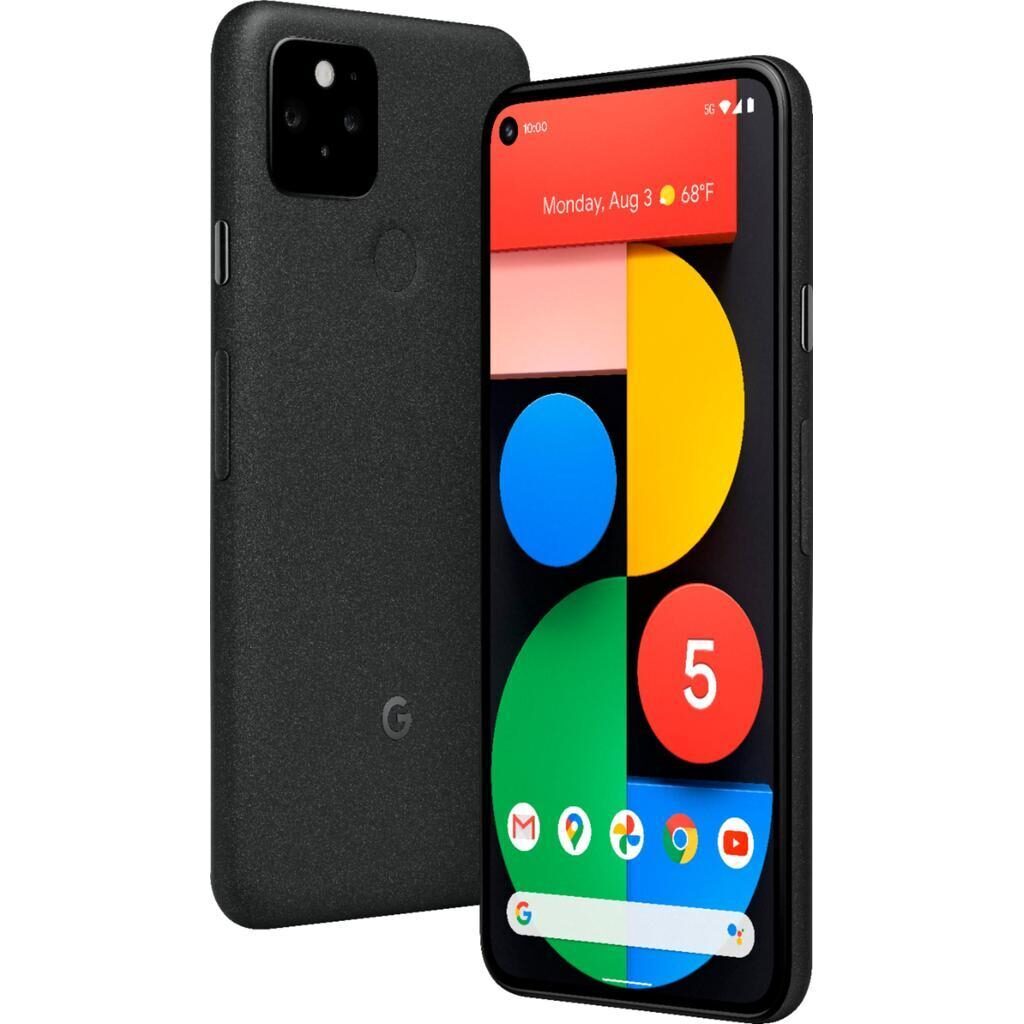
Google Pixel 5
Starting at
£122.00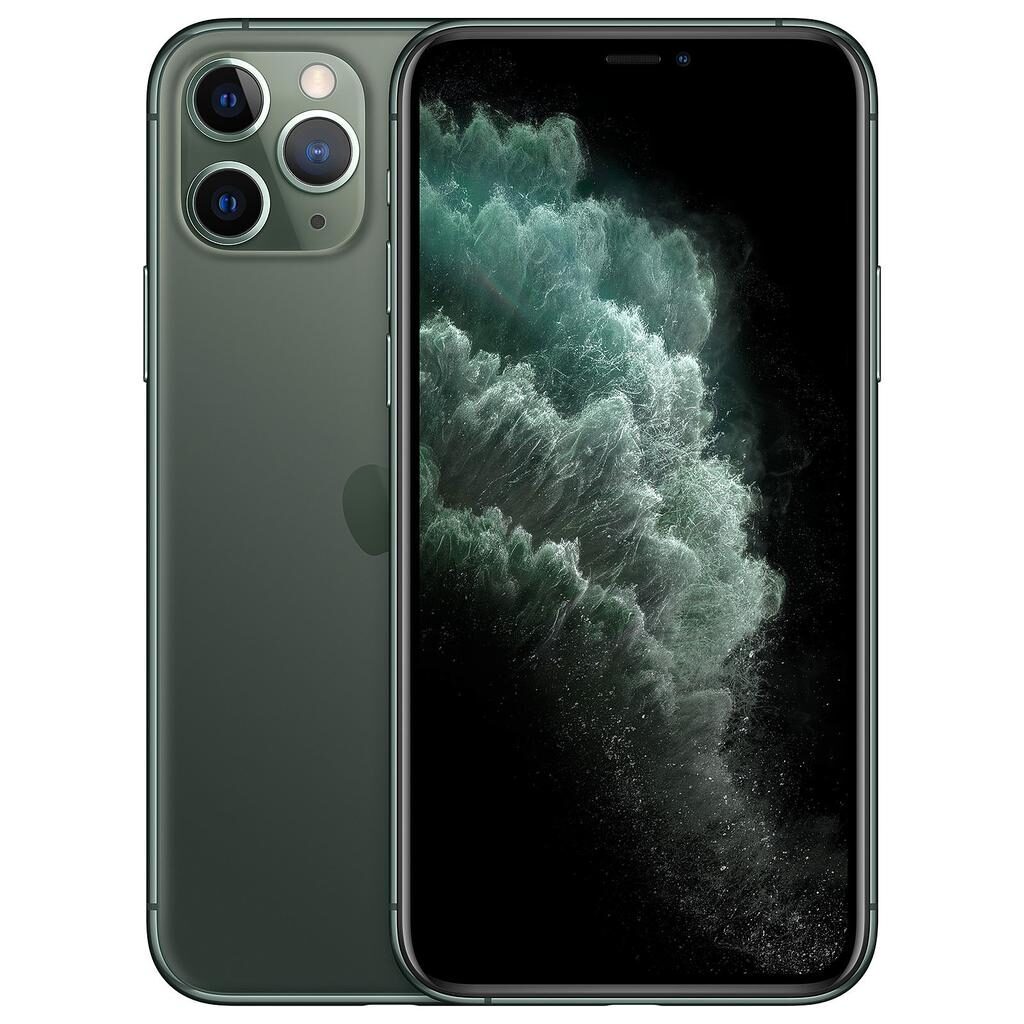
iPhone 11 Pro
Starting at
£199.73£639.00 newWhat's the difference between the Google Pixel 5 and iPhone 11 Pro?
Google Pixel 5 vs iPhone 11 Pro comes down to the chipset, RAM and screen size. Refurbished, the Google Pixel 5 starts at £122, £77.73 less than the iPhone 11 Pro. The Google Pixel 5 is the newer model, released in 2020.
Refurbished from
Chipset
RAM
Screen size
Screen type
Refresh rate
- Chipset: Qualcomm SM7250 Snapdragon 765G 5G (7 nm) on the Google Pixel 5, Apple A13 Bionic (7 nm+) on the iPhone 11 Pro.
- The Google Pixel 5 has more RAM: 8 GB vs 4 GB.
- The Google Pixel 5 has a bigger screen: 6 inch vs 5.8 inch.
Google Pixel 5 vs iPhone 11 Pro specs
The Google Pixel 5 and iPhone 11 Pro offer distinct strengths for different users. Google Pixel 5 runs Android with 8 GB RAM and supports 5G, suiting those who want faster mobile networks and more memory for multitasking. It has a larger 6 inch OLED screen with a 90 Hz refresh rate, making it appealing for smoother scrolling and media viewing. The iPhone 11 Pro uses iOS, has a triple rear camera setup, and options for more storage capacity, which fits buyers wanting higher storage choices and a versatile camera system. Your choice depends on your preference for operating system, camera needs, screen experience, and storage size.
Google Pixel 5 vs iPhone 11 Pro price
Colour
Storage
Google Pixel 5 vs iPhone 11 Pro battery life and software updates
Durability covers software updates, operating systems and basic design features. Their different operating systems offer distinct user experiences.
Latest Software Updates
This means you can expect continued security and feature improvements on either device, helping them stay current over time.
Operating System
Google Pixel 5 runs on Android, which offers a wide range of customisation options and integration with Google services. The iPhone 11 Pro uses iOS, known for its smooth interface and tight integration with other Apple products. Your choice here depends on which ecosystem you prefer.
Battery
Fast charging
Foldable
Ip rating
Software updates
Wireless charging
Year of release
Google Pixel 5 vs iPhone 11 Pro performance
Performance centres on the chipset, RAM and storage options. These affect speed, multitasking and how much you can store on the device.
Processor Differences
Google Pixel 5 uses the Qualcomm SM7250 Snapdragon 765G 5G chipset, while the iPhone 11 Pro has the Apple A13 Bionic. Both chipsets are built on 7 nm technology, but each offers a different balance of power and efficiency suited to their operating systems.
Memory Capacity
Google Pixel 5 comes with 8 GB of RAM, which is helpful if you keep many apps open or multitask frequently. The iPhone 11 Pro has 4 GB of RAM, which supports smooth performance in iOS, where memory management differs from Android.
Storage Options
Google Pixel 5 is available with 128GB of storage, offering ample space for apps and media. The iPhone 11 Pro offers a wider range of storage choices at 64GB, 256GB and 512GB, so you can select a capacity that fits how much content you want to keep on the device.
Chipset
RAM
Google Pixel 5 vs iPhone 11 Pro screen
Screen quality influences how you view media and interact with apps. Both devices use OLED technology but differ in size, resolution and refresh rate.
Screen Size and Resolution
Google Pixel 5 has a 6 inch OLED screen with a resolution of 1080 by 2340 pixels, providing a sizeable display for videos and browsing. The iPhone 11 Pro has a slightly smaller 5.8 inch Super Retina XDR OLED screen with a resolution of 1125 by 2436 pixels, giving it a bit more pixel density for sharp text and images.
Refresh Rate
Google Pixel 5 features a 90 Hz refresh rate, which leads to smoother animations and scrolling especially noticeable when navigating menus or playing games. The iPhone 11 Pro has a 60 Hz refresh rate, which is standard and well suited for everyday use.
Refresh rate
Resolution
Screen size
Screen type
Google Pixel 5 vs iPhone 11 Pro camera
Audiovisual features cover cameras and front-facing sensors. These affect the quality and versatility of photos and selfies.
Rear Camera Setup
Google Pixel 5 has a double rear camera setup with a 12.2 megapixel main sensor. The iPhone 11 Pro offers a triple rear camera system with a 12 megapixel main camera, giving it an extra lens for more shooting options.
Front Camera Resolution
Google Pixel 5 includes an 8 megapixel front camera, suitable for everyday selfies and video calls. The iPhone 11 Pro has a 12 megapixel front camera, which captures more detail in selfies and supports advanced imaging features.
Camera type
Front camera
Main camera
Google Pixel 5 vs iPhone 11 Pro size and design
Other differences cover network compatibility, connectors, size and weight. These impact convenience and how the devices fit your lifestyle.
Mobile Network
Google Pixel 5 supports 5G networks, providing faster mobile internet speeds where 5G coverage is available. The iPhone 11 Pro supports 4G, which is still widely available and reliable for everyday use.
Connector Type
Google Pixel 5 uses a USB-C connector, standard for many modern devices and accessories. The iPhone 11 Pro uses Apple's Lightning connector, which works with Apple-specific cables and accessories.
Device Size and Weight
Google Pixel 5 measures 144.7 mm in height, 70.4 mm in width, and weighs 151 g, making it slightly taller, narrower and lighter. The iPhone 11 Pro is 144 mm tall, 71.4 mm wide, and weighs 188 g, which may feel more substantial in hand.
SIM Card Options
Both devices support a physical SIM and an eSIM, allowing flexible mobile plans and easier switching between networks.
Carrier compatibility
Connector
Depth
Height
Mobile network
Release date
SD card slot
SIM card
Weight
Width
Google Pixel 5 or iPhone 11 Pro: which should you buy?
Buy the Google Pixel 5 if
- you want to spend less: it starts at £122, £77.73 less than the iPhone 11 Pro
- you want more RAM (8 GB vs 4 GB)
- you want a bigger screen (6 inch vs 5.8 inch)
Buy the iPhone 11 Pro if
- you want a higher-resolution front camera (12 megapixels vs 8 megapixels)
- you want longer software support (supported, up to iOS 27 vs ended Nov 2023, last Android 14)
What our customers say
Customers appreciate the Google Pixel 5 for its condition and performance as a refurbished device. Many find it works well with good battery life and no visible defects. Some users highlight the ease of use for everyday tasks and value the phone for its reliability once set up. A few reviewers mention occasional issues, but overall it meets expectations for a refurbished smartphone and suits those who want a lighter, larger screen device with Android.
The iPhone 11 Pro receives praise for its almost new appearance and reliable battery life even in refurbished condition. Customers comment on the quality of the screen and camera system, with some noting the phone feels reliable and performs well for their needs. A few users mention minor flaws or occasional restarts, but many find it an excellent refurbished option, especially for those who prefer iOS and want a device with multiple storage sizes and a triple camera setup.
Both devices appeal to different users: Google Pixel 5 fits those who want a larger, smoother screen and 5G connectivity, while iPhone 11 Pro suits buyers seeking a versatile camera system and various storage capacities within the iOS ecosystem.
Google Pixel 5 vs iPhone 11 Pro FAQs
Google Pixel 5 vs iPhone 11 Pro comes down to the chipset, RAM and screen size. Chipset: Qualcomm SM7250 Snapdragon 765G 5G (7 nm) on the Google Pixel 5, Apple A13 Bionic (7 nm+) on the iPhone 11 Pro. The Google Pixel 5 has more RAM: 8 GB vs 4 GB.
The Google Pixel 5 is cheaper refurbished, from £122 compared with £199.73 for the iPhone 11 Pro.
The Google Pixel 5 has 12.2 megapixels and the iPhone 11 Pro has 12 megapixels.
Updates for the Google Pixel 5 ended in Nov 2023. Its last version is Android 14. The iPhone 11 Pro is still supported and can run iOS 27.
Refurbished, the Google Pixel 5 comes in 128GB, and the iPhone 11 Pro in 64GB, 256GB and 512GB.