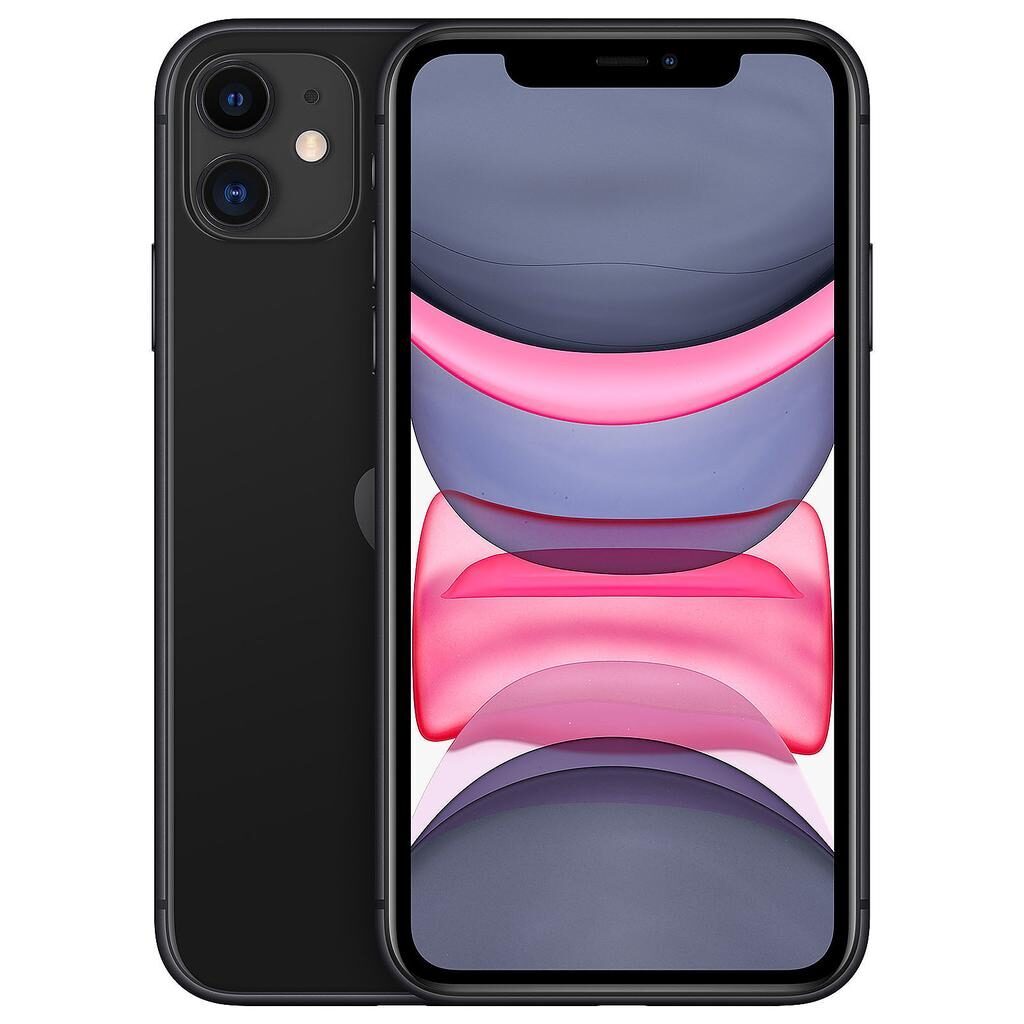
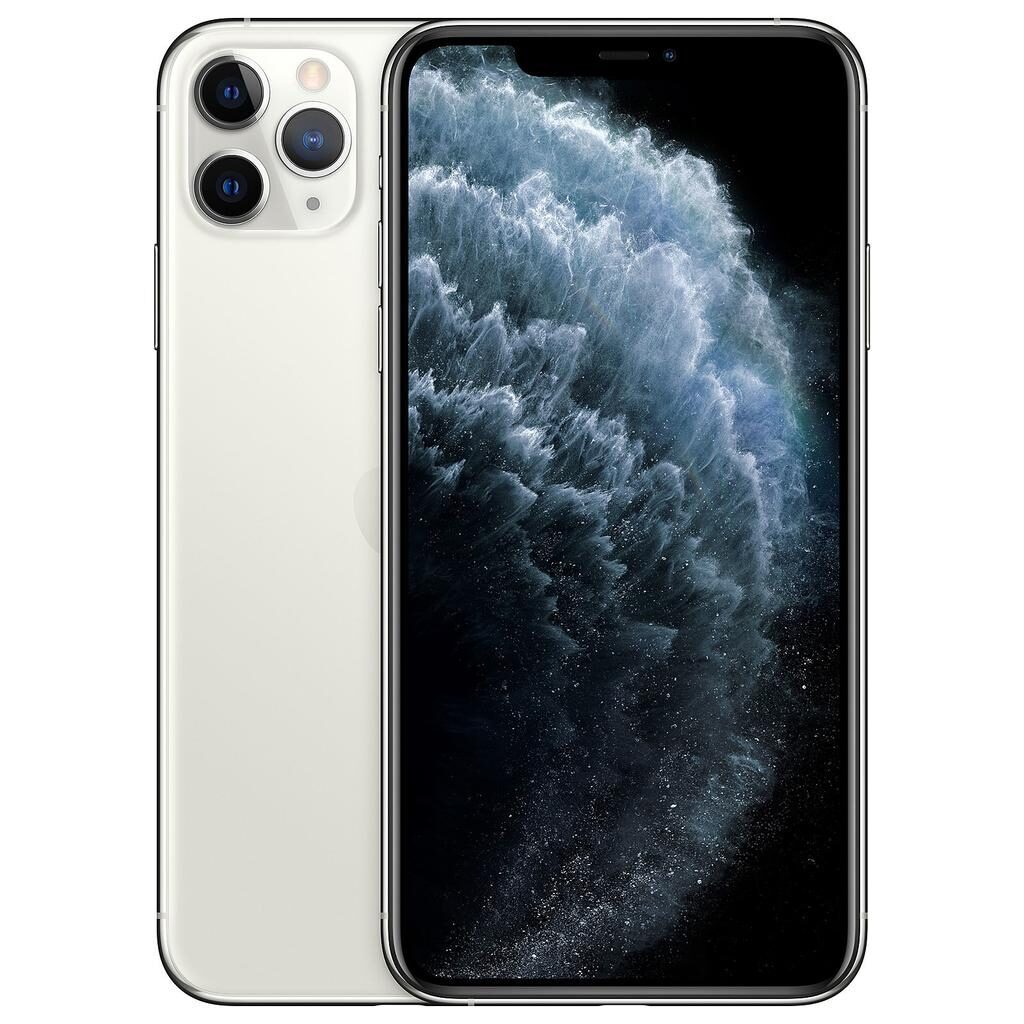
Galaxy S9 vs iPhone 11 Pro
Shop Samsung Galaxy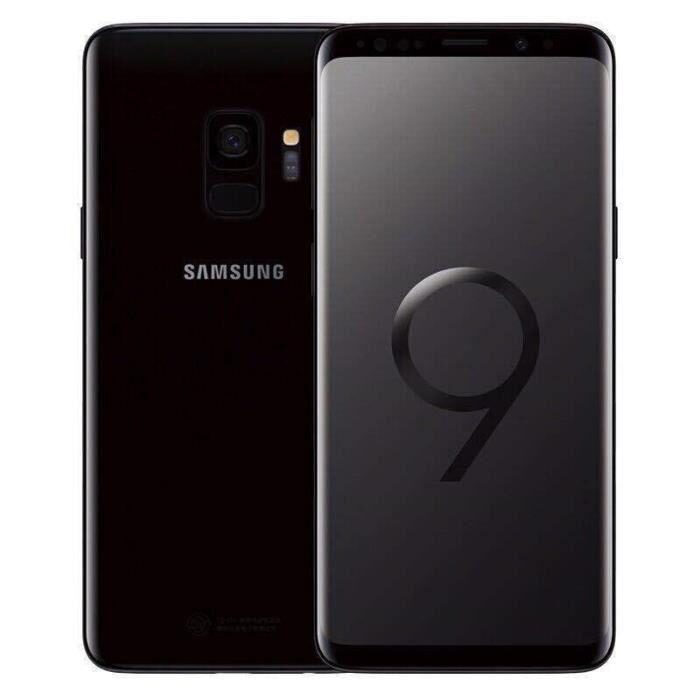
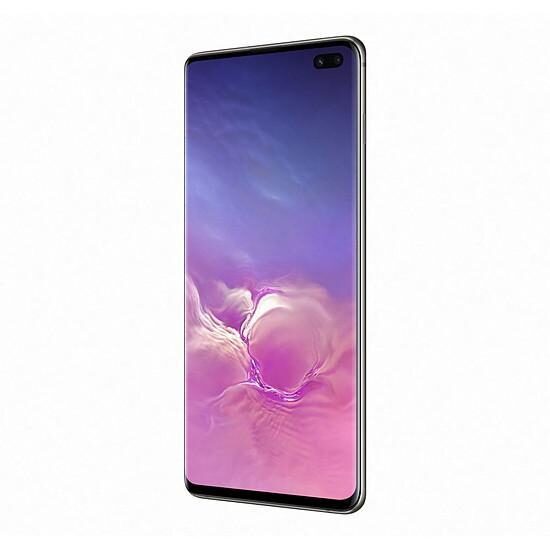
Galaxy S9
Starting at
£116.50£449.00 new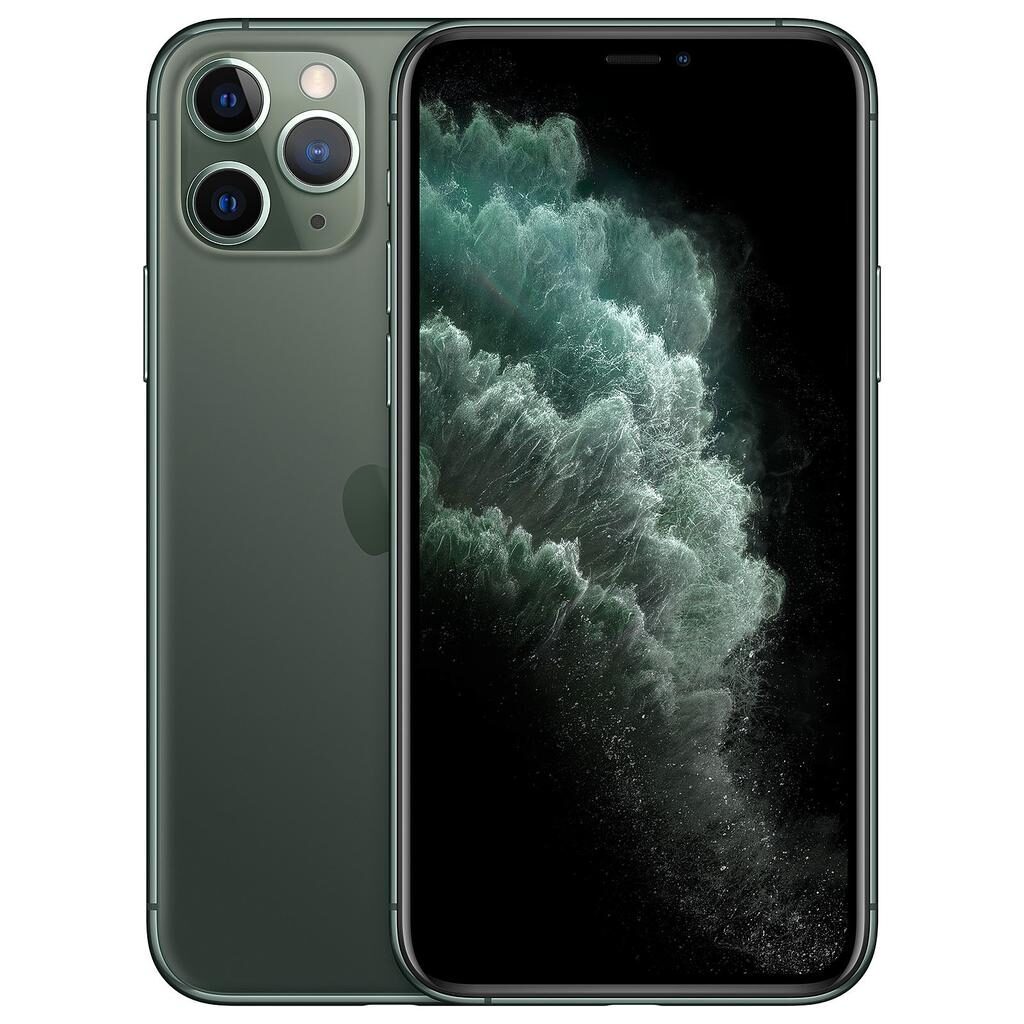
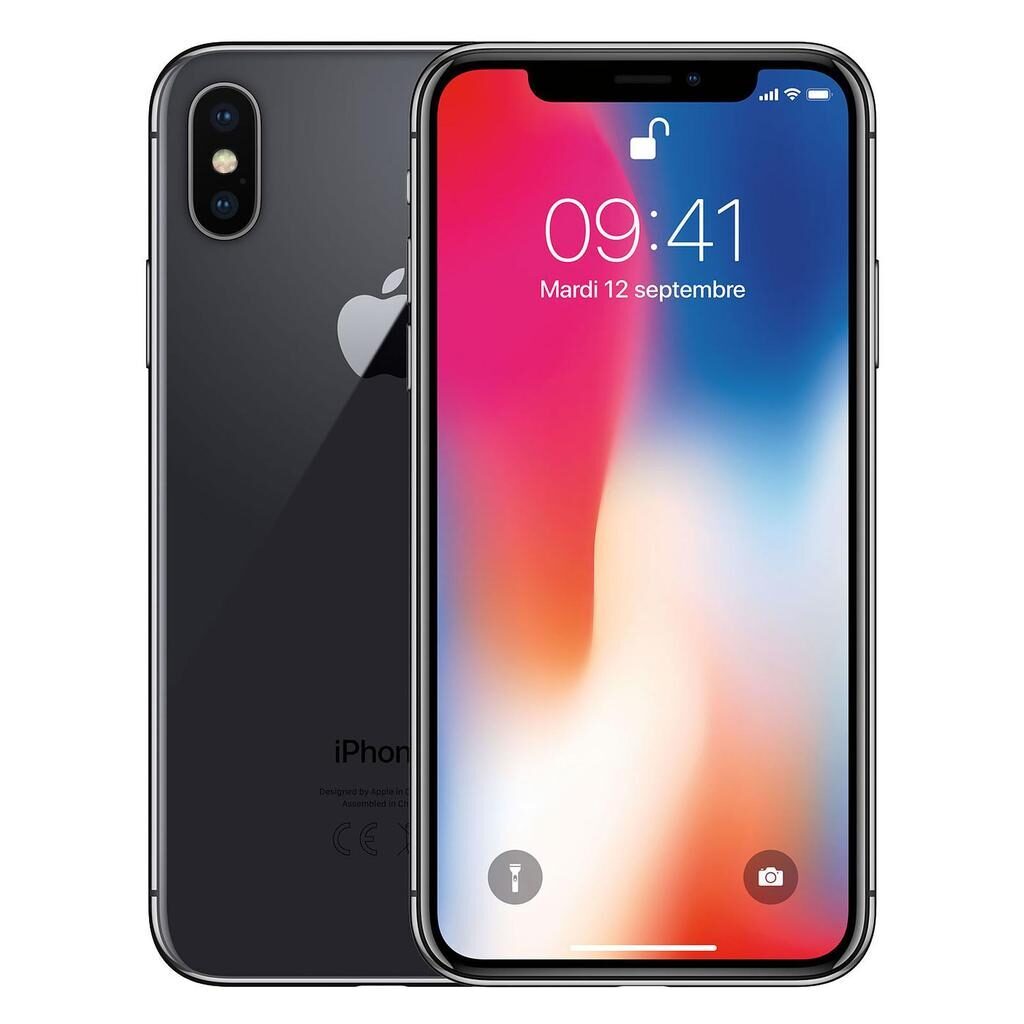
iPhone 11 Pro
Starting at
£199.73£639.00 newWhat's the difference between the Galaxy S9 and iPhone 11 Pro?
Galaxy S9 vs iPhone 11 Pro comes down to the screen type, front camera and software updates. Refurbished, the Galaxy S9 starts at £116.50, £83.23 less than the iPhone 11 Pro. The iPhone 11 Pro is the newer model, released in 2019.
Refurbished from
Screen type
Front camera
Software updates
Weight
Connector
- Screen type: Super AMOLED on the Galaxy S9, Super Retina XDR OLED on the iPhone 11 Pro.
- The iPhone 11 Pro has a higher-resolution front camera: 12 megapixels vs 8 megapixels.
- The iPhone 11 Pro has longer software support: supported, up to iOS 27 vs ended Apr 2022.
Galaxy S9 vs iPhone 11 Pro specs
The Galaxy S9 and iPhone 11 Pro are both compact smartphones with 5.8-inch screens, suitable for those who prefer smaller devices. The Galaxy S9 runs Android and offers a higher screen resolution and a microSD card slot for expandable storage. It has a more advanced triple rear camera system and a higher-resolution front camera, which benefits those who prioritise photography. Storage options for the iPhone 11 Pro go up to 512GB, while the Galaxy S9 is available up to 128GB. Audio connectivity and SIM options also differ, suiting different preferences and needs.
Galaxy S9 vs iPhone 11 Pro price
Colour
Galaxy S9 vs iPhone 11 Pro battery life and software updates
Durability involves software updates, operating systems, and design dimensions, all of which affect long-term use and comfort. The Galaxy S9 and iPhone 11 Pro differ in software support and operating system, which influences how they stay current and function over time.
Software Updates
This matters if you want ongoing improvements and security patches.
Operating System
The Galaxy S9 runs Android, which offers wide customisation and app variety. The iPhone 11 Pro runs iOS, known for its smooth integration with other Apple devices and frequent software updates. Your choice depends on which operating system you prefer to use daily.
Physical Size
The Galaxy S9 is slightly slimmer at 8.5 mm depth compared to the iPhone 11 Pro at 8.1 mm. The Galaxy S9 is also lighter at 163 g versus 188 g. Both phones are very close in height and width, making them comfortable to hold and pocket-friendly.
Battery
Foldable
Ip rating
Software updates
Wireless charging
Year of release
Galaxy S9 vs iPhone 11 Pro performance
Chipset
RAM
Galaxy S9 vs iPhone 11 Pro screen
Screen quality affects how you view content, with differences in resolution and screen technology shaping the display experience. Both phones have the same screen size but vary in resolution and type.
Screen Resolution
The Galaxy S9 has a higher resolution of 1440 x 2960 pixels, which provides a sharper and more detailed display. This is useful if you watch high-definition videos or work with detailed images. The iPhone 11 Pro has a resolution of 1125 x 2436 pixels, still excellent for everyday use.
Screen Type
The Galaxy S9 uses a Super AMOLED screen, known for vibrant colours and deep blacks. The iPhone 11 Pro features a Super Retina XDR OLED screen, which delivers bright highlights and high contrast for vivid visuals. Both screens offer rich colour, but the iPhone's technology emphasises brightness and contrast.
Refresh rate
Resolution
Screen size
Screen type
Galaxy S9 vs iPhone 11 Pro camera
Camera and front camera quality are key for photography and video calls. The Galaxy S9 and iPhone 11 Pro differ notably in camera setup and front camera resolution.
Rear Camera Setup
The Galaxy S9 has a single 12-megapixel rear camera, suitable for straightforward photography. The iPhone 11 Pro has a triple rear camera system, offering more versatility for different photo types such as wide-angle and zoom shots. This suits users who want more creative options with their photos.
Front Camera Resolution
The Galaxy S9 features an 8-megapixel front camera for selfies and video calls. The iPhone 11 Pro has a higher resolution 12-megapixel front camera, which captures more detail and is better for clearer selfies and video chats.
Main Camera Megapixels
Both devices have a 12-megapixel main camera, so they capture photos with similar detail levels in their primary shots.
Camera type
Front camera
Main camera
Galaxy S9 vs iPhone 11 Pro size and design
Other features include connectivity, storage options, SIM card types, and physical dimensions. These differences influence how you use the phones day to day and what accessories you might need.
Storage Options
The Galaxy S9 is available in 64GB and 128GB versions and includes a microSDXC slot for expandable storage, which is useful if you want to add more space later. The iPhone 11 Pro comes in 64GB, 256GB, and 512GB versions but does not support microSD cards, so choosing a larger internal storage size is important if you need more space.
SIM Card and Network
The Galaxy S9 uses a physical SIM only, while the iPhone 11 Pro supports both a physical SIM and an eSIM, allowing for dual SIM use without swapping cards. Both phones work on 4G networks and are unlocked for use with any carrier.
Audio Connector
The Galaxy S9 includes both a USB-C port and a 3.5mm headphone jack, allowing use with traditional wired headphones. The iPhone 11 Pro uses a Lightning connector, which requires adapters for wired headphones without Lightning plugs.
Dimensions and Weight
The Galaxy S9 measures 147.7 mm tall, 68.7 mm wide, and 8.5 mm deep, weighing 163 g. The iPhone 11 Pro measures 144 mm tall, 71.4 mm wide, and 8.1 mm deep, weighing 188 g. The Galaxy S9 is slightly lighter and narrower, which may appeal to those wanting a more compact feel.
Carrier compatibility
Connector
Depth
Height
Mobile network
Release date
SD card slot
SIM card
Weight
Width
Galaxy S9 or iPhone 11 Pro: which should you buy?
Buy the Galaxy S9 if
- you want to spend less: it starts at £116.50, £83.23 less than the iPhone 11 Pro
- you want a lighter build (163 g vs 188 g)
- you want a headphone jack
Buy the iPhone 11 Pro if
- you want a higher-resolution front camera (12 megapixels vs 8 megapixels)
- you want longer software support (supported, up to iOS 27 vs ended Apr 2022)
What our customers say
Customers appreciate the Galaxy S9 for its condition and smooth performance. Many report it looks like new, even in fair or below excellent condition, with only minor marks and scratches. The phone runs smoothly and suits everyday use well, with ample storage for apps and regular tasks. Some mention the battery may need topping up by evening and occasional overheating. The screen quality is generally praised, though one user noted a screen colour issue.
Reviews of the iPhone 11 Pro highlight its excellent condition and reliable performance. Customers note the phone looks very clean with minimal marks even after years of use. Battery life is viewed as good for a refurbished phone and the camera quality is highly regarded. Some users find the speakers less strong and mention occasional unexpected restarts or connectivity problems. Switching from Android to iOS was described as easy by one customer.
Overall, the Galaxy S9 suits users who value a sharper screen, Android flexibility, and expandable storage. The iPhone 11 Pro fits those who prioritise camera versatility, ongoing software updates, and integration with Apple's ecosystem.
Galaxy S9 vs iPhone 11 Pro FAQs
Galaxy S9 vs iPhone 11 Pro comes down to the screen type, front camera and software updates. Screen type: Super AMOLED on the Galaxy S9, Super Retina XDR OLED on the iPhone 11 Pro. The iPhone 11 Pro has a higher-resolution front camera: 12 megapixels vs 8 megapixels.
The Galaxy S9 is cheaper refurbished, from £116.50 compared with £199.73 for the iPhone 11 Pro.
Both have the same main camera: 12 megapixels.
Updates for the Galaxy S9 ended in Apr 2022. The iPhone 11 Pro is still supported and can run iOS 27.
Refurbished, the Galaxy S9 comes in 64GB and 128GB, and the iPhone 11 Pro in 64GB, 256GB and 512GB.