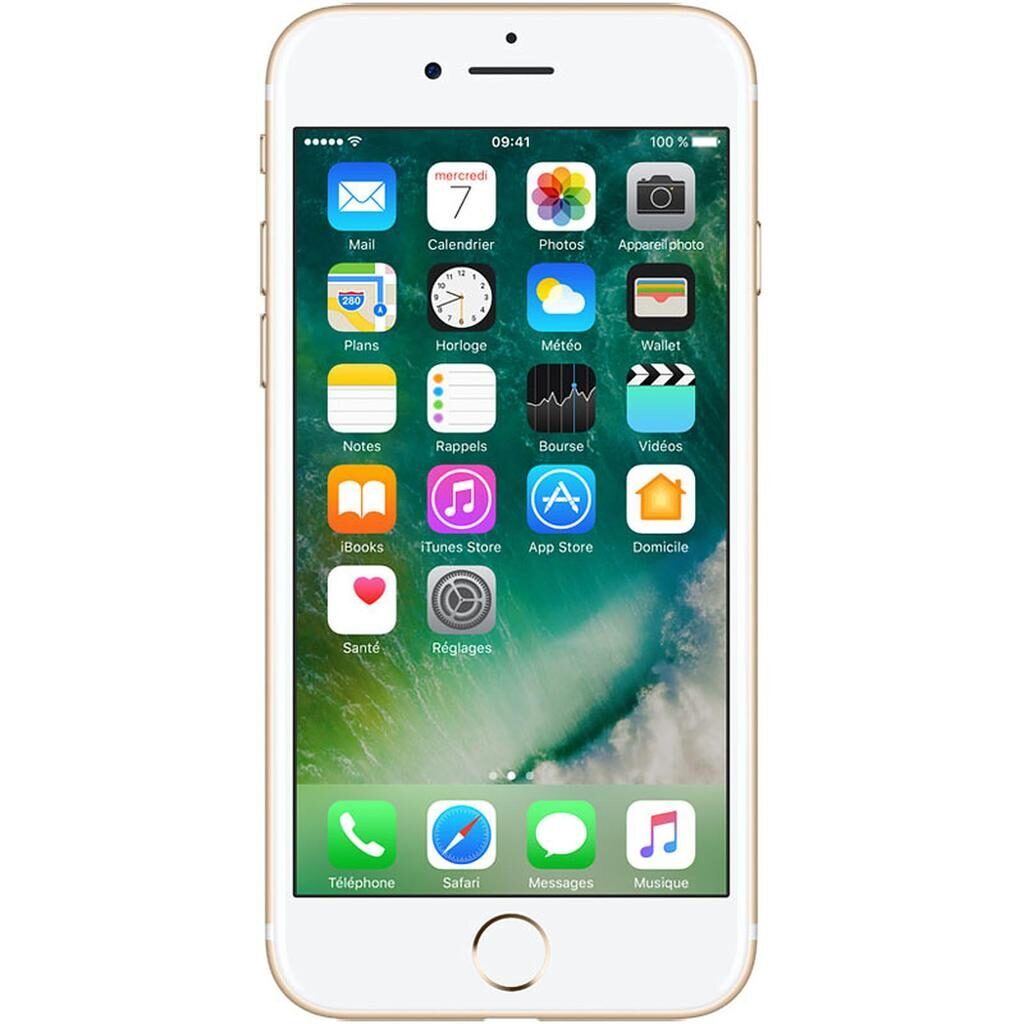
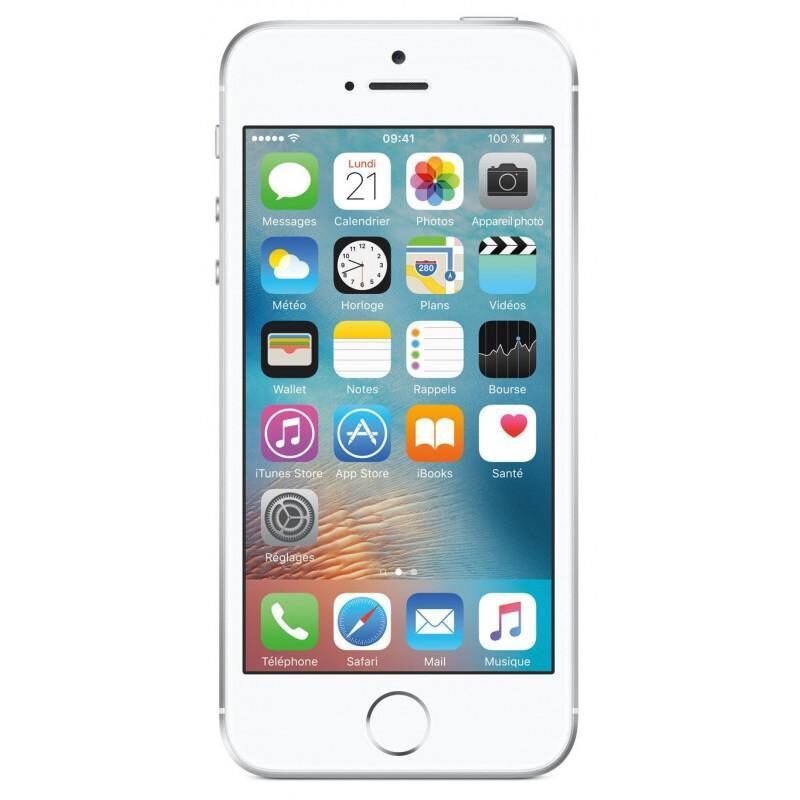
Google Pixel 4 vs iPhone 6S
Shop Google Pixel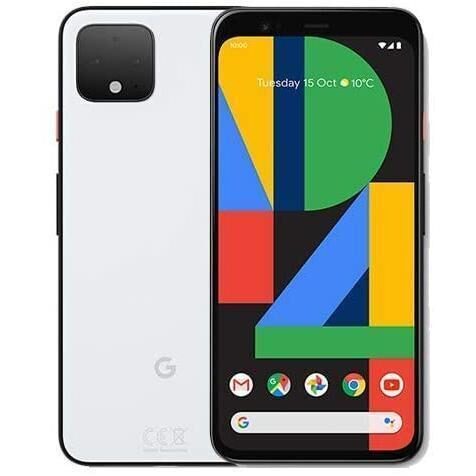
Google Pixel 4
Starting at
£131.91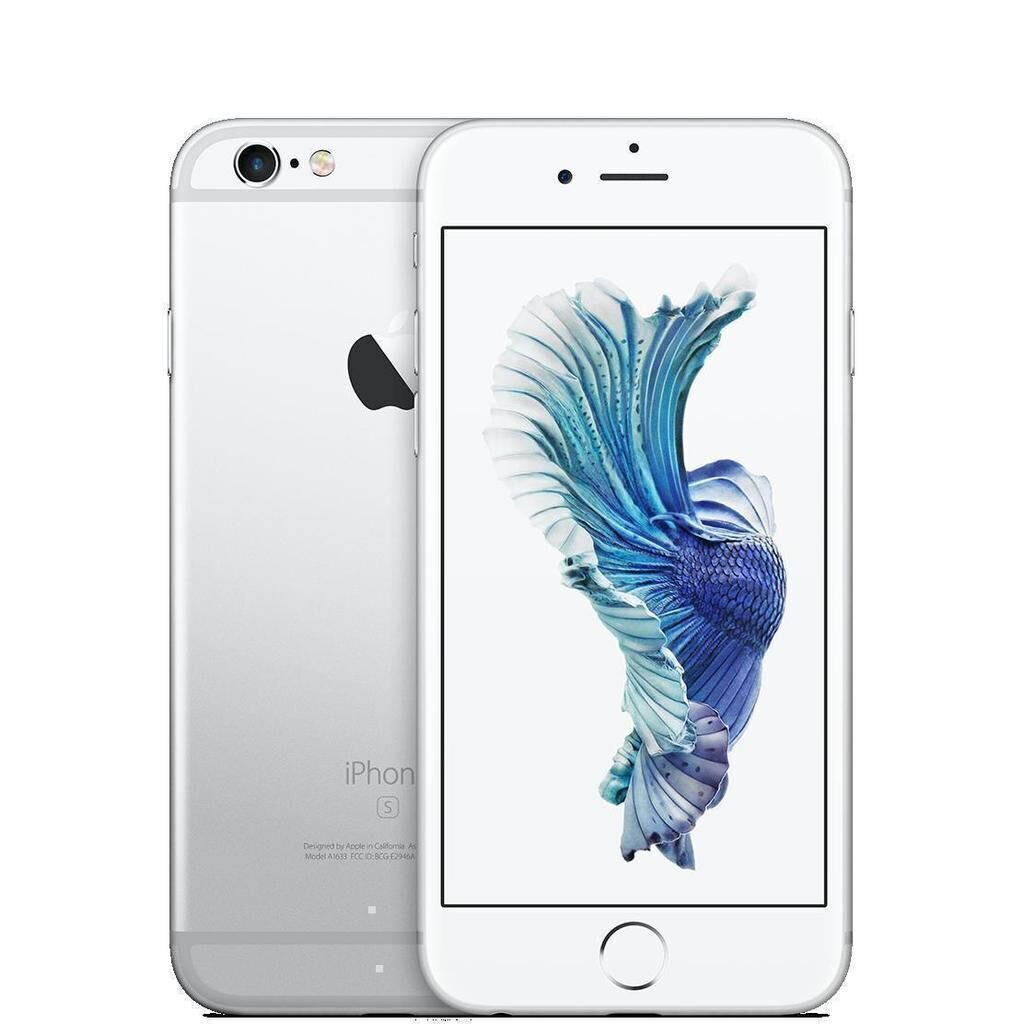
iPhone 6S
Starting at
£32.09£149.00 newWhat's the difference between the Google Pixel 4 and iPhone 6S?
Google Pixel 4 vs iPhone 6S comes down to the chipset, RAM and battery. Refurbished, the iPhone 6S starts at £32.09, £99.82 less than the Google Pixel 4. The Google Pixel 4 is the newer model, released in 2019.
Refurbished from
Chipset
RAM
Battery
Screen size
Screen type
- Chipset: Qualcomm SM8150 Snapdragon 855 (7 nm) on the Google Pixel 4, Apple A9 APL0898 on the iPhone 6S.
- The Google Pixel 4 has more RAM: 6 GB vs 2 GB.
- The Google Pixel 4 has a bigger battery: 2800 mAh vs 1715 mAh.
Google Pixel 4 vs iPhone 6S specs
The Google Pixel 4 and iPhone 6S differ in several ways that suit different needs. The Pixel 4 offers a larger, higher resolution P-OLED screen which is better for watching videos or browsing. It has more RAM and a more recent chipset, making it suitable for users who want smoother multitasking and performance. The Pixel 4 also includes a bigger battery and supports both a physical SIM and eSIM. The iPhone 6S has a smaller IPS LCD screen and fewer gigabytes of RAM, which suits everyday use and a simpler experience. It features a Lightning connector with a 3.5mm headphone jack, which will appeal to those with wired headphones. Storage options vary from 16GB to 64GB on the iPhone 6S, while the Pixel 4 offers 64GB and 128GB choices. Both run their respective operating systems and are compatible with 4G networks.
Google Pixel 4 vs iPhone 6S price
Colour
- WhiteSold out
- BlackSold out
Storage
- 64GBSold out
- 128GBSold out
Google Pixel 4 vs iPhone 6S battery life and software updates
Durability covers battery size, operating system, and physical design. These differences affect how long the phone lasts on a charge and what software experience you get.
Battery Capacity
The Google Pixel 4 has a 2800 mAh battery, which provides more power for longer use between charges. The iPhone 6S has a 1715 mAh battery, suitable for users with lighter daily needs. A larger battery benefits those who spend more time on their phone without easy access to charging.
Operating System
The Pixel 4 runs Android, which offers a different app ecosystem and user interface compared to the iPhone 6S that runs iOS. Your choice will depend on which operating system you prefer or are already familiar with.
Software Updates
Both phones will run older versions of their respective operating systems.
Battery
Foldable
Software updates
Year of release
Google Pixel 4 vs iPhone 6S performance
Performance depends on the chipset, RAM, and storage options. These affect speed, multitasking, and how much data you can keep on your phone.
Chipset and RAM
The Google Pixel 4 uses a Qualcomm SM8150 Snapdragon 855 chipset with 6 GB of RAM, which supports smoother multitasking and faster app performance. The iPhone 6S has an Apple A9 chipset and 2 GB of RAM, which suits everyday tasks like calls, messaging, and simple apps.
Storage Options
The Pixel 4 is available with 64GB or 128GB of storage, offering more space for apps, photos, and files. The iPhone 6S comes with 16GB, 32GB, or 64GB options, which suits users with lighter storage needs or those who use cloud services.
Chipset
RAM
Google Pixel 4 vs iPhone 6S screen
Screen quality influences how you view photos, videos, and apps. Size, resolution, and screen type all contribute to your daily viewing experience.
Screen Size and Resolution
The Pixel 4 features a 5.7 inch screen with a resolution of 1080 x 2280, making it more spacious and sharper for media and browsing. The iPhone 6S has a 4.7 inch screen at 750 x 1334 resolution, which suits those who prefer a smaller device easier to use with one hand.
Screen Technology
The Pixel 4 uses a P-OLED screen, known for vibrant colours and deep blacks, enhancing visual content. The iPhone 6S has an IPS LCD screen, which offers consistent colour accuracy and viewing angles familiar to many users.
Refresh rate
Resolution
Screen size
Screen type
Google Pixel 4 vs iPhone 6S camera
Cameras and front-facing features affect how you capture photos and video calls. These specs indicate the potential image detail and clarity.
Main Camera
The Pixel 4 has a 12.2 megapixel main camera, which captures detailed photos suitable for everyday photography. The iPhone 6S has a 12 megapixel main camera, also capable of good quality images for casual use.
Front Camera
With an 8 megapixel front camera, the Pixel 4 is suited for clearer selfies and video calls. The iPhone 6S has a 5 megapixel front camera, which is good for simple video chats and self-portraits.
Camera type
Front camera
Main camera
Google Pixel 4 vs iPhone 6S size and design
Other features include physical dimensions, connectors, network capabilities, and SIM options, which affect daily convenience and compatibility.
Connectors
The Pixel 4 uses a USB-C connector, suitable for modern charging and accessories. The iPhone 6S features both a Lightning connector and a 3.5mm headphone jack, making it convenient for users with wired headphones.
SIM Card Options
The Pixel 4 supports both a physical SIM card and an eSIM, allowing more flexible use of mobile networks. The iPhone 6S supports only a physical SIM card.
Physical Size and Weight
The Pixel 4 measures 147.1 mm in height, 68.8 mm in width, and 8.2 mm in depth, weighing 162 g. The iPhone 6S is smaller and lighter, with a height of 138.3 mm, width of 67.1 mm, depth of 7.1 mm, and weighs 143 g. The iPhone 6S suits those who prefer a compact and lighter phone.
Mobile Network
Both the Pixel 4 and iPhone 6S work with 4G mobile networks, providing fast data connections for browsing and streaming.
Carrier compatibility
Connector
Depth
Height
Mobile network
Release date
SD card slot
SIM card
Weight
Width
Google Pixel 4 or iPhone 6S: which should you buy?
Buy the Google Pixel 4 if
- you want more RAM (6 GB vs 2 GB)
- you want a bigger battery (2800 mAh vs 1715 mAh)
- you want a bigger screen (5.7 inch vs 4.7 inch)
Buy the iPhone 6S if
- you want to spend less: it starts at £32.09, £99.82 less than the Google Pixel 4
- you want a lighter build (143 g vs 162 g)
- you want a headphone jack
What our customers say
Customers who chose the Google Pixel 4 often praise its condition and performance. Many say it feels like a new phone with a good battery and appreciate the bigger screen and speed. Some find it excellent for everyday use and like the phone's ability to meet their needs well. However, a few customers mention issues with screen defects and battery health, which can affect reliability over time. The facial recognition feature may also have occasional problems for some users.
The iPhone 6S is popular among customers looking for a straightforward, well-built phone with good battery life and camera quality. Many users find it perfect for simple use, such as for children or older family members. Customers report the phone feels light and comfortable to hold, with a screen size suited to easy one-handed use. Battery condition can vary, but many phones arrive in excellent condition and satisfy daily needs without issues.
Overall, the Google Pixel 4 suits users who want a larger screen, higher performance, and more memory, while the iPhone 6S appeals to those who prefer a smaller, lighter phone with a familiar iOS experience and wired headphone support.
Google Pixel 4 vs iPhone 6S FAQs
Google Pixel 4 vs iPhone 6S comes down to the chipset, RAM and battery. Chipset: Qualcomm SM8150 Snapdragon 855 (7 nm) on the Google Pixel 4, Apple A9 APL0898 on the iPhone 6S. The Google Pixel 4 has more RAM: 6 GB vs 2 GB.
The iPhone 6S is cheaper refurbished, from £32.09 compared with £131.91 for the Google Pixel 4.
The Google Pixel 4 has a bigger battery: 2800 mAh vs 1715 mAh.
The Google Pixel 4 has 12.2 megapixels and the iPhone 6S has 12 megapixels.
Updates for the Google Pixel 4 ended in Oct 2022. Its last version is Android 13. Updates for the iPhone 6S ended in Mar 2025. Its last version is iOS 15.
Refurbished, the Google Pixel 4 comes in 64GB and 128GB, and the iPhone 6S in 16GB, 32GB and 64GB.