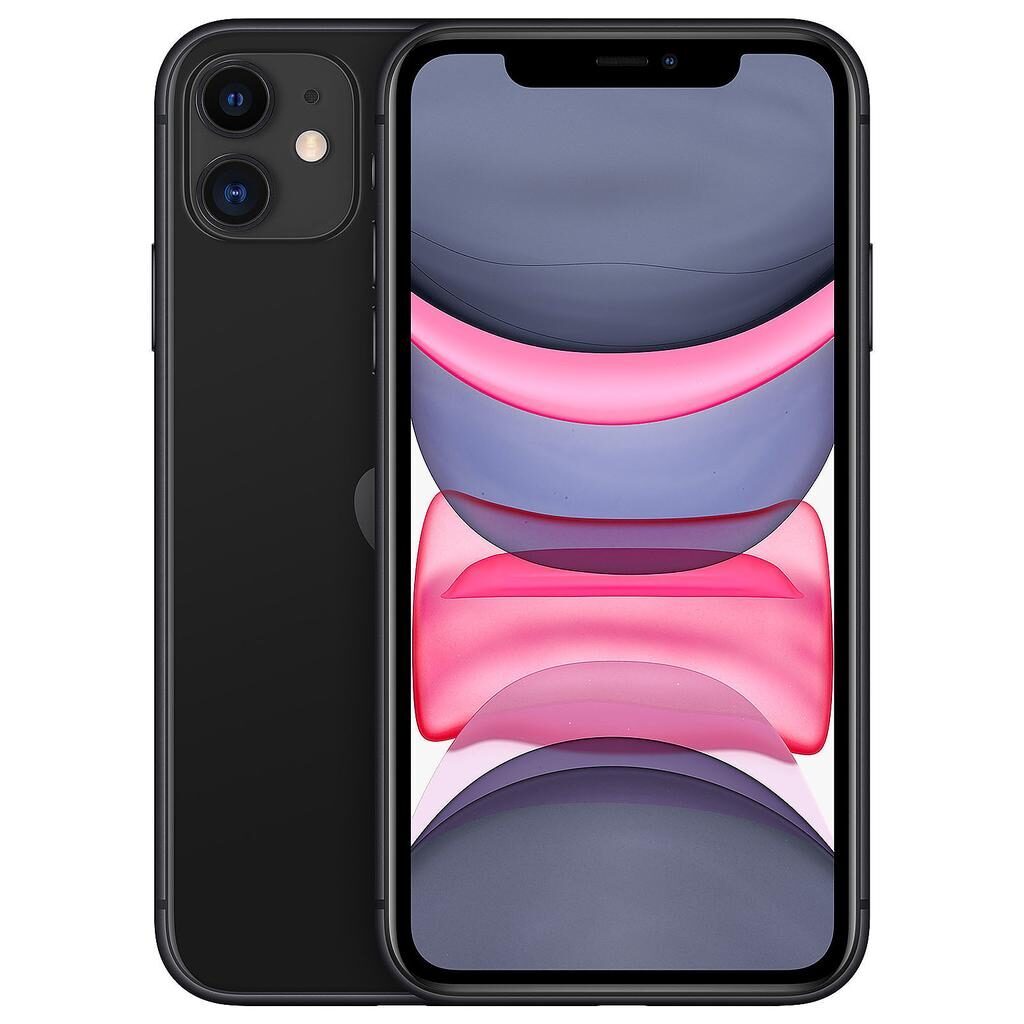
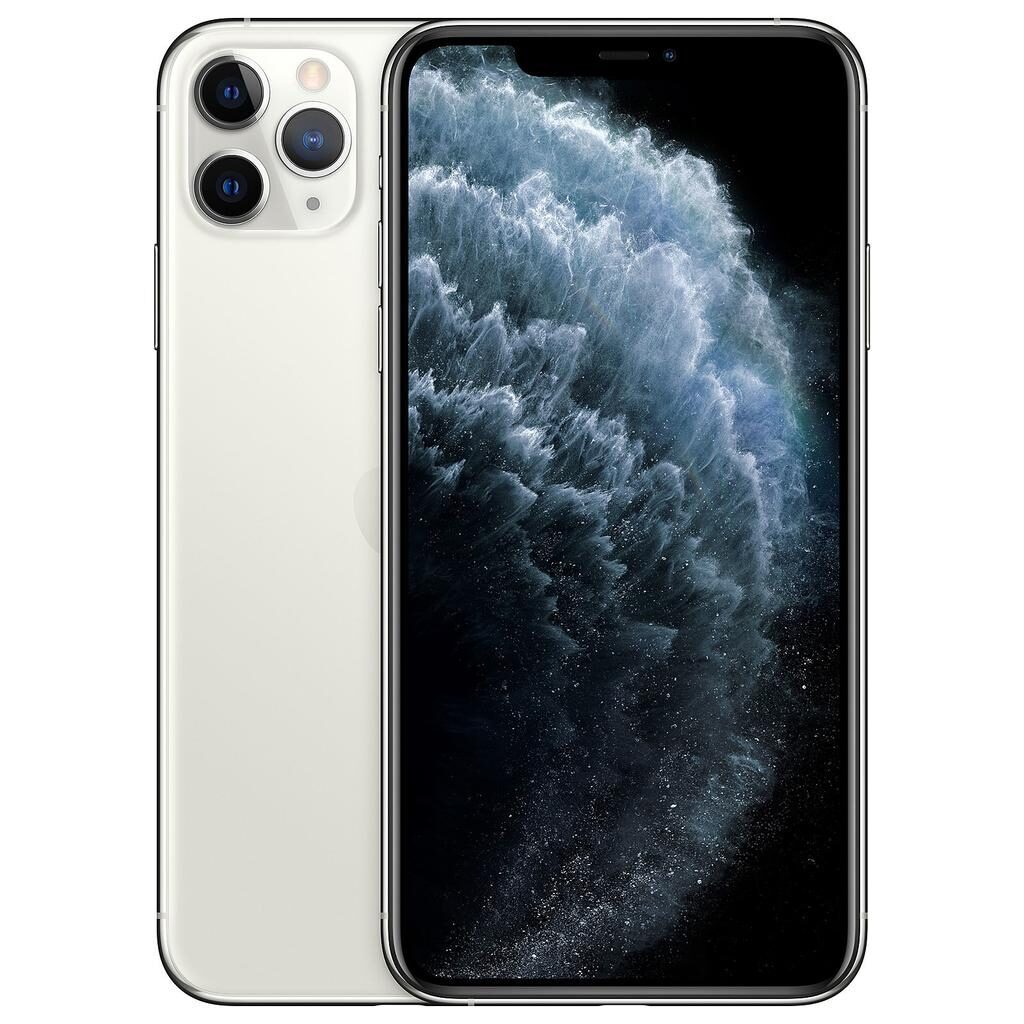
Google Pixel 3 vs Huawei P30 Pro
Shop Google Pixel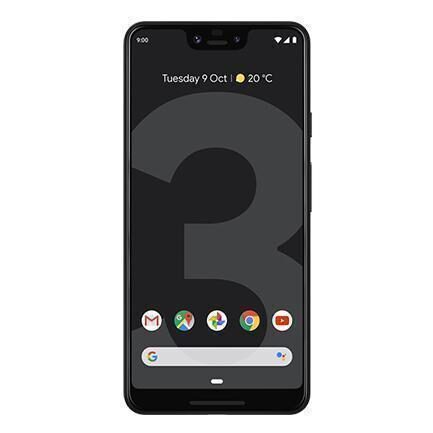
Google Pixel 3
Starting at
£121.00
Huawei P30 Pro
Starting at
£132.00What's the difference between the Google Pixel 3 and Huawei P30 Pro?
Google Pixel 3 vs Huawei P30 Pro comes down to the chipset, RAM and battery. Refurbished, the Google Pixel 3 starts at £121, £11 less than the Huawei P30 Pro. The Huawei P30 Pro is the newer model, released in 2019.
Refurbished from
Chipset
RAM
Battery
Screen size
Screen type
- Chipset: Qualcomm SDM845 Snapdragon 845 (10 nm) on the Google Pixel 3, Kirin 980 (7 nm) on the Huawei P30 Pro.
- The Huawei P30 Pro has more RAM: 6 GB vs 4 GB.
- The Huawei P30 Pro has a bigger battery: 4200 mAh vs 2915 mAh.
Google Pixel 3 vs Huawei P30 Pro specs
The Google Pixel 3 and Huawei P30 Pro differ in size, performance, camera capabilities, and storage options. The Pixel 3 is a compact phone with a 5.5 inch screen, suited to those who prefer a lighter, smaller device for everyday tasks. The Huawei P30 Pro offers a larger 6.47 inch screen with higher resolution and extra RAM, which benefits users who want more space for apps and media. Photography is a key difference: the P30 Pro has higher megapixel counts on both front and main cameras, making it ideal for users prioritising detailed photos. Storage options also vary, with the Pixel 3 stocking 64GB and the P30 Pro offering 128GB and 256GB. Battery size is larger on the P30 Pro, which supports longer use between charges.
Google Pixel 3 vs Huawei P30 Pro price
Colour
- BlackSold out
- WhiteSold out
- BlackSold out
- BlueSold out
- OrangeSold out
- SilverSold out
- WhiteSold out
Storage
- 64GBSold out
- 128GBSold out
- 256GBSold out
Google Pixel 3 vs Huawei P30 Pro battery life and software updates
Battery capacity, operating system, and physical build all affect daily use and longevity. Both phones run Android but differ in battery size and update support.
Battery Capacity
The Huawei P30 Pro has a 4200 mAh battery, which suits users who want longer use between charges, especially for media or heavy app use. The Google Pixel 3 has a 2915 mAh battery, making it better for those who prefer a smaller phone and can manage daily charging routines.
Software Updates
This means both phones run older versions of Android, which suits users comfortable with the current software and not needing the newest features or security patches.
Physical Design
Their build is straightforward, with the Pixel 3 being slightly thinner at 7.9 mm compared to the P30 Pro's 8.4 mm, which may appeal to those wanting a slim profile.
Battery
Foldable
Software updates
Year of release
Google Pixel 3 vs Huawei P30 Pro performance
Performance depends on the chipset, memory, and storage options. These affect speed, multitasking, and how many apps or files you can keep on the device.
Processor and Memory
The Huawei P30 Pro uses a Kirin 980 chipset built on a 7 nm process, paired with 6 GB of RAM. This combination supports smoother multitasking and more demanding apps. The Google Pixel 3 has a Qualcomm Snapdragon 845 chipset with 4 GB of RAM, which suits everyday use and lighter multitasking.
Storage Options
The Pixel 3 is available with 64 GB of storage, a good fit for users with moderate app and media needs. The P30 Pro offers larger options of 128 GB and 256 GB, ideal for users who store many photos, videos, or large apps.
Chipset
RAM
Google Pixel 3 vs Huawei P30 Pro screen
Screen size, resolution, and technology influence your viewing experience, whether for videos, browsing, or reading.
Screen Size and Resolution
The Huawei P30 Pro has a 6.47 inch screen with a 1080 x 2340 resolution, providing a spacious and sharp display well suited for watching videos and multitasking. The Google Pixel 3 features a smaller 5.5 inch screen with a 1080 x 2160 resolution, which works well for users wanting a compact phone that fits comfortably in one hand.
Screen Type
The Pixel 3 uses a P-OLED screen type, which offers vibrant colours and good contrast, while the P30 Pro uses an OLED screen. Both provide rich image quality, but users may notice the P30 Pro's larger display offers a more immersive viewing area.
Resolution
Screen size
Screen type
Google Pixel 3 vs Huawei P30 Pro camera
Camera quality is important for capturing photos and video calls. Front and main camera megapixels affect image detail.
Front Camera
The Huawei P30 Pro has a 32 megapixel front camera, which suits users prioritising high-resolution selfies and video calls. The Google Pixel 3 offers an 8 megapixel front camera, suitable for everyday use and video chatting.
Main Camera
The P30 Pro's 40 megapixel main camera captures detailed photos, making it a strong choice for photography enthusiasts. The Pixel 3 has a 12.2 megapixel main camera, which provides good quality images for general photography.
Front camera
Main camera
Google Pixel 3 vs Huawei P30 Pro size and design
Additional features such as SIM options, memory expansion, weight, and dimensions affect convenience and comfort.
SIM and Memory Card
The Google Pixel 3 supports a physical SIM plus an eSIM, giving flexibility in mobile plans. The Huawei P30 Pro supports dual physical SIM cards and includes an NM (Nano Memory) card slot for storage expansion, which benefits users needing extra space for files.
Size and Weight
The Pixel 3 is smaller and lighter at 145.6 mm tall, 68.2 mm wide, and 148 g, fitting easily in one hand or pocket. The P30 Pro is larger and heavier, measuring 158 mm tall, 73.4 mm wide, and 192 g, which suits users who prefer a bigger screen and don't mind the extra size.
Connector
Both phones use USB-C connectors, providing standard charging and data transfer options.
Network Compatibility
Both devices support 4G mobile networks and are unlocked, allowing use with various UK carriers.
Carrier compatibility
Connector
Depth
Height
Mobile network
SD card slot
SIM card
Weight
Width
Google Pixel 3 or Huawei P30 Pro: which should you buy?
Buy the Google Pixel 3 if
- you want to spend less: it starts at £121, £11 less than the Huawei P30 Pro
- you want a lighter build (148 g vs 192 g)
Buy the Huawei P30 Pro if
- you want more RAM (6 GB vs 4 GB)
- you want a bigger battery (4200 mAh vs 2915 mAh)
- you want a bigger screen (6.47 inch vs 5.5 inch)
What our customers say
Customers who chose the Google Pixel 3 appreciate its small, light design and reliable performance for everyday tasks. Many say the phone looks like new and works perfectly, making it a good fit for those who want a compact device. Some users mention battery life requires attention and that the screen may have a tint, but overall satisfaction is high for its price and condition.
Owners of the Huawei P30 Pro highlight the excellent camera quality and large, bright screen. Many say the battery life is strong and the phone feels comfortable to hold. The P30 Pro suits users who want high-resolution photos and more storage space. Some customers note occasional issues with screen condition or locked devices, but most praise the phone's performance and value.
The Pixel 3 is best for those who value smaller size and straightforward use, while the P30 Pro fits users who prioritise photography, screen size, and storage.
Google Pixel 3 vs Huawei P30 Pro FAQs
Google Pixel 3 vs Huawei P30 Pro comes down to the chipset, RAM and battery. Chipset: Qualcomm SDM845 Snapdragon 845 (10 nm) on the Google Pixel 3, Kirin 980 (7 nm) on the Huawei P30 Pro. The Huawei P30 Pro has more RAM: 6 GB vs 4 GB.
The Google Pixel 3 is cheaper refurbished, from £121 compared with £132 for the Huawei P30 Pro.
The Huawei P30 Pro has a bigger battery: 4200 mAh vs 2915 mAh.
The Huawei P30 Pro has a higher-resolution main camera: 40 megapixels vs 12.2 megapixels.
Updates for the Google Pixel 3 ended in Oct 2021. Its last version is Android 12. We don't have published update dates for the Huawei P30 Pro.
Refurbished, the Google Pixel 3 comes in 64GB, and the Huawei P30 Pro in 128GB and 256GB.