Galaxy S9 vs Huawei P30 Pro
Shop Samsung Galaxy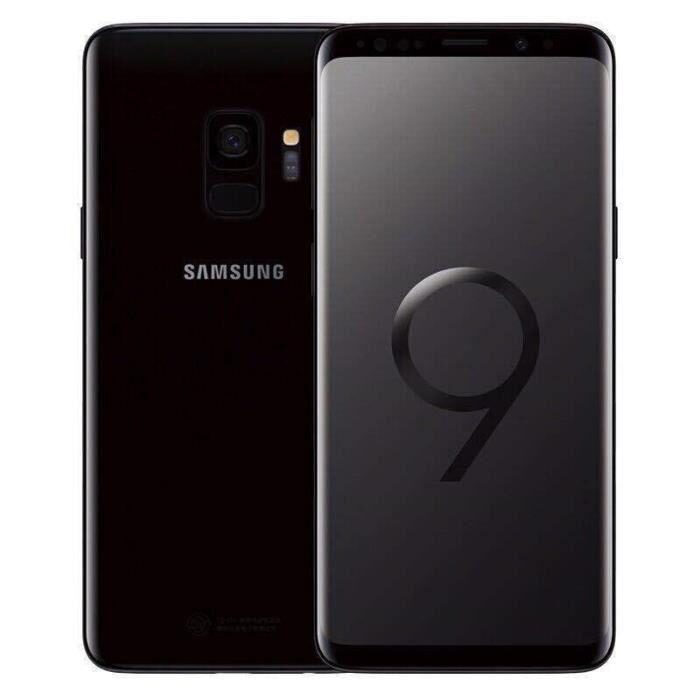
Galaxy S9
Starting at
£116.50£449.00 new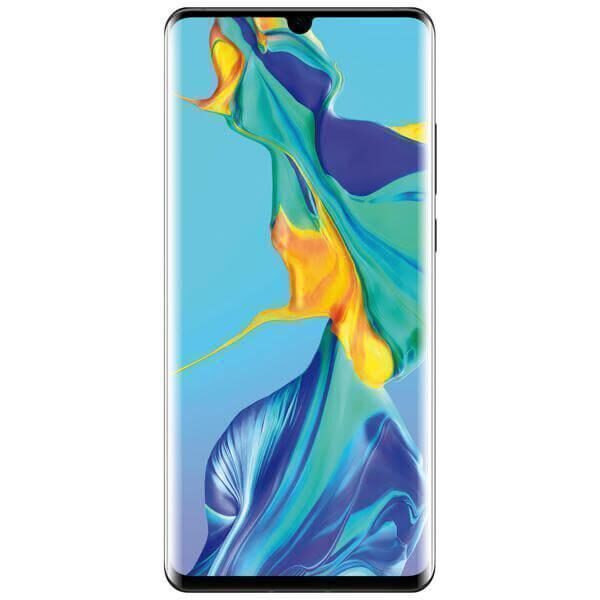
Huawei P30 Pro
Starting at
£132.00What's the difference between the Galaxy S9 and Huawei P30 Pro?
Galaxy S9 vs Huawei P30 Pro comes down to the RAM, battery and screen size. Refurbished, the Galaxy S9 starts at £116.50, £15.50 less than the Huawei P30 Pro. The Huawei P30 Pro is the newer model, released in 2019.
Refurbished from
RAM
Battery
Screen size
Screen type
Main camera
- The Huawei P30 Pro has more RAM: 6 GB vs 4 GB.
- The Huawei P30 Pro has a bigger battery: 4200 mAh vs 3000 mAh.
- The Huawei P30 Pro has a bigger screen: 6.47 inch vs 5.8 inch.
Galaxy S9 vs Huawei P30 Pro specs
The Galaxy S9 and Huawei P30 Pro both offer unlocked Android phones with different strengths. The Galaxy S9 is more compact with a higher resolution Super AMOLED screen and includes a headphone jack, making it suitable if you prefer a smaller phone and want that audio option. The Huawei P30 Pro has a larger OLED screen, more RAM, and a bigger battery, which suits users who prioritise longer battery life, multitasking, and a bigger viewing area. The Huawei also has a more advanced camera setup with higher megapixel counts on both front and main cameras, ideal if photography is a priority. Both devices have 4G and include expandable storage, but the P30 Pro supports dual SIMs for managing two numbers.
Galaxy S9 vs Huawei P30 Pro price
Colour
- BlackStarting at £116.50
- BlueStarting at £121.88
- Rose GoldStarting at £174.00
- PurpleStarting at £116.50
- GreyStarting at £121.88
- BlackSold out
- BlueSold out
- OrangeSold out
- SilverSold out
- WhiteSold out
Storage
- 128GBSold out
- 256GBSold out
Galaxy S9 vs Huawei P30 Pro battery life and software updates
Battery size and software updates are key to how long a phone lasts in daily use. The Galaxy S9 has a smaller battery which may influence how long it lasts between charges.
Battery Capacity
The Galaxy S9 has a 3000 mAh battery while the Huawei P30 Pro has a 4200 mAh battery. The larger battery in the P30 Pro means it can generally last longer between charges, which is useful if you use your phone heavily or spend long periods away from power.
Software Updates
This means both phones run earlier versions of Android, which is common for devices of their release years.
Battery
Foldable
Ip rating
Software updates
Wireless charging
Year of release
Galaxy S9 vs Huawei P30 Pro performance
Chipset
RAM
Galaxy S9 vs Huawei P30 Pro screen
Screen size, resolution, and display technology affect how you see content on your phone. These two phones differ in screen size and resolution, which will appeal to different types of users.
Screen Size
The Galaxy S9 has a 5.8 inch screen, making it more compact and easier to use one-handed. The Huawei P30 Pro has a larger 6.47 inch screen, offering more room for watching videos, browsing, and gaming.
Screen Resolution
The Galaxy S9 offers a 1440 by 2960 resolution which provides sharper detail, especially on its smaller screen. The Huawei P30 Pro has a 1080 by 2340 resolution, which is lower but still clear, especially on its bigger display.
Screen Type
The Galaxy S9 uses a Super AMOLED panel, which is known for vibrant colours and deep blacks. The Huawei P30 Pro uses an OLED screen, which also provides good contrast and colour but may differ slightly in brightness and tone.
Resolution
Screen size
Screen type
Galaxy S9 vs Huawei P30 Pro camera
Camera quality and audio connections shape your experience with photos and sound. Both phones have unlocked status and 4G connectivity, but their cameras and connectors have notable differences.
Front Camera
The Galaxy S9 has an 8 megapixel front camera suitable for everyday selfies and video calls. The Huawei P30 Pro features a 32 megapixel front camera, capturing more detail and providing higher resolution selfies.
Main Camera
The Galaxy S9 offers a 12 megapixel main camera, which is good for general photography. The Huawei P30 Pro has a 40 megapixel main camera, which can capture more detailed images and is a strong choice for those who prioritise photography.
Audio Connector
The Galaxy S9 includes both USB-C and a 3.5mm headphone jack, allowing you to use wired headphones without an adapter. The Huawei P30 Pro has only a USB Type-C connector, so wired audio requires compatible USB-C headphones or an adapter.
Camera type
Front camera
Main camera
Galaxy S9 vs Huawei P30 Pro size and design
Other differences include physical size, SIM and storage options, and weight. These affect how the phones fit in your hand, manage your data, and carry your apps and files.
Dimensions and Weight
The Galaxy S9 measures 147.7 mm tall, 68.7 mm wide, and 8.5 mm deep, weighing 163 g. The Huawei P30 Pro is larger at 158 mm tall, 73.4 mm wide, and 8.4 mm deep, and heavier at 192 g. Choose the Galaxy if you want a smaller lighter phone, or the Huawei for a larger device.
SIM and Storage
The Galaxy S9 uses a single physical SIM and supports microSDXC cards for expandable storage. It comes in 64GB and 128GB versions. The Huawei P30 Pro supports dual physical SIMs and uses NM (Nano Memory) cards for storage expansion. It is available in 128GB and 256GB sizes, offering more built-in storage options.
Carrier compatibility
Connector
Depth
Height
Mobile network
Release date
SD card slot
SIM card
Weight
Width
Galaxy S9 or Huawei P30 Pro: which should you buy?
Buy the Galaxy S9 if
- you want to spend less: it starts at £116.50, £15.50 less than the Huawei P30 Pro
- you want a lighter build (163 g vs 192 g)
- you want a headphone jack
Buy the Huawei P30 Pro if
- you want more RAM (6 GB vs 4 GB)
- you want a bigger battery (4200 mAh vs 3000 mAh)
- you want a bigger screen (6.47 inch vs 5.8 inch)
What our customers say
Customers buying the Galaxy S9 appreciate its condition and performance for everyday use. Many mention the phone looking better than expected, with minimal marks or just small scratches. The smooth operation and storage options suit users who want a reliable device for apps and media. Battery life is noted as needing a top-up by the evening, which fits users who can recharge regularly. The compact size and inclusion of a headphone jack are also valued.
Huawei P30 Pro customers highlight its camera quality and screen comfort. The high-resolution front and main cameras receive praise for detailed photos, especially for fans of photography. Battery life is seen as good, supporting longer use between charges. Some users enjoy the curved larger display and the dual SIM feature. A few mention condition variations, but overall the phone is described as feeling like new. The larger storage options and 6GB RAM support smooth multitasking and media use.
Both phones suit different needs: the Galaxy S9 is good for those wanting a smaller, sharper screen with headphone jack convenience, while the Huawei P30 Pro fits users who want a bigger screen, longer battery life, and advanced cameras.
Galaxy S9 vs Huawei P30 Pro FAQs
Galaxy S9 vs Huawei P30 Pro comes down to the RAM, battery and screen size. The Huawei P30 Pro has more RAM: 6 GB vs 4 GB. The Huawei P30 Pro has a bigger battery: 4200 mAh vs 3000 mAh.
The Galaxy S9 is cheaper refurbished, from £116.50 compared with £132 for the Huawei P30 Pro.
The Huawei P30 Pro has a bigger battery: 4200 mAh vs 3000 mAh.
The Huawei P30 Pro has a higher-resolution main camera: 40 megapixels vs 12 megapixels.
Updates for the Galaxy S9 ended in Apr 2022. We don't have published update dates for the Huawei P30 Pro.
Refurbished, the Galaxy S9 comes in 64GB and 128GB, and the Huawei P30 Pro in 128GB and 256GB.