Galaxy Z Fold7 vs iPhone Air
Shop Samsung Galaxy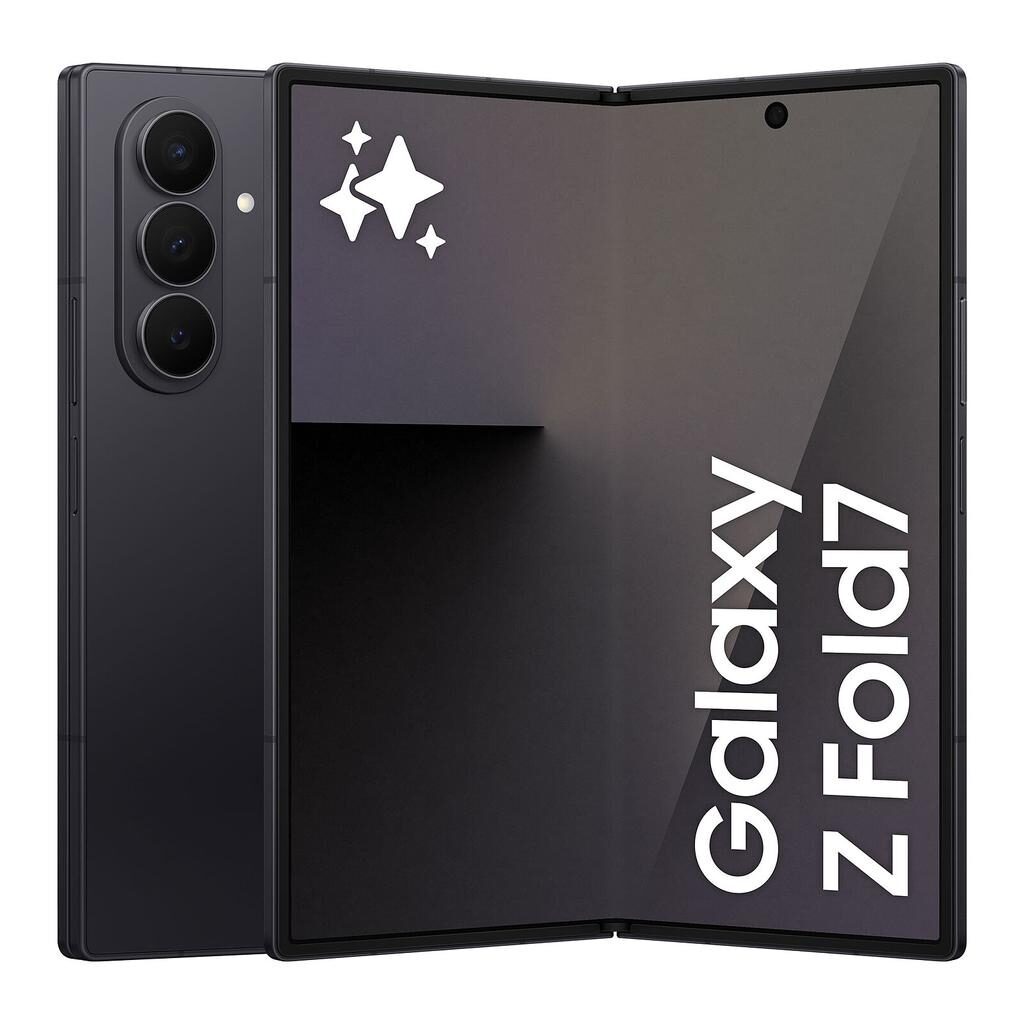
Galaxy Z Fold7
Starting at
£1,000.00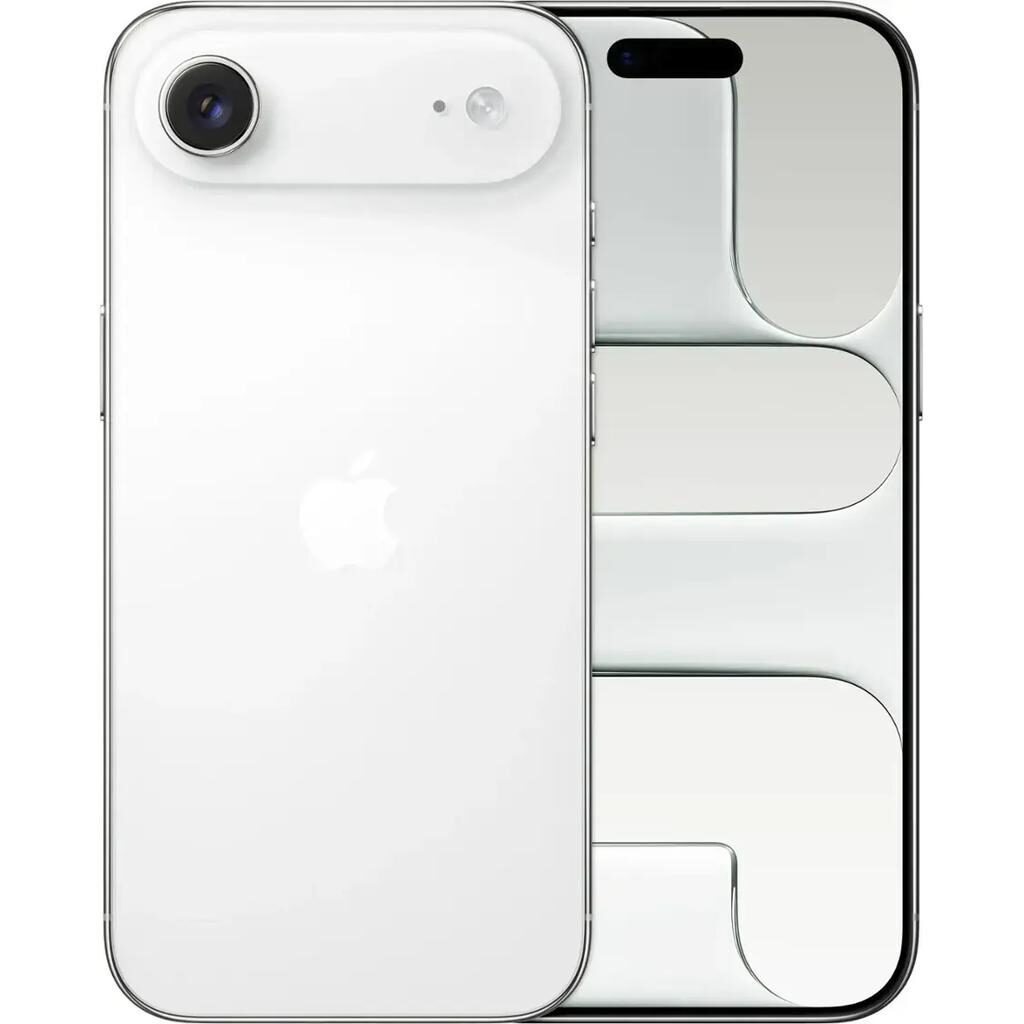
iPhone Air
Starting at
£687.30£999.00 newWhat's the difference between the Galaxy Z Fold7 and iPhone Air?
Galaxy Z Fold7 vs iPhone Air comes down to the chipset, screen size and screen type. Refurbished, the iPhone Air starts at £687.30, £312.70 less than the Galaxy Z Fold7.
Refurbished from
Chipset
Screen size
Screen type
Main camera
Front camera
- Chipset: Qualcomm SM8750-AC Snapdragon 8 Elite (3 nm) on the Galaxy Z Fold7, Apple A19 Pro on the iPhone Air.
- The Galaxy Z Fold7 has a bigger screen: 8.0 inch vs 6.5 inch.
- The Galaxy Z Fold7 has an OLED screen.
Galaxy Z Fold7 vs iPhone Air specs
The Galaxy Z Fold7 and iPhone Air both come from 2025 and share some common ground like 12 GB of RAM, 5G support, and unlocked carrier compatibility. The Fold7 is a foldable Android device with a much larger 8.0-inch screen that suits those wanting a roomy display for multitasking or media. The iPhone Air runs iOS on a smaller 6.5-inch screen with higher resolution, ideal if you prefer a more compact device with sharp visuals. Camera capabilities differ with the Fold7 offering a very high resolution main camera, while the iPhone Air has a higher resolution front camera, which may appeal if selfies matter more. The Fold7 is a thicker and heavier device with dual physical SIM support, while the iPhone Air is slimmer and lighter with eSIM only.
Galaxy Z Fold7 vs iPhone Air price
Colour
- BlackSold out
- BlueSold out
- SilverSold out
Storage
- 256GBSold out
- 512GBSold out
- 1TBSold out
Galaxy Z Fold7 vs iPhone Air battery life and software updates
Durability covers software updates, operating system, and design differences such as foldability.
Operating System
The Galaxy Z Fold7 runs on Android, providing a platform with extensive customisation and app variety. The iPhone Air uses iOS, known for its smooth integration within the Apple ecosystem and consistent updates. Your choice depends on which system you prefer and what apps you use daily.
Foldable Design
The Galaxy Z Fold7 features a foldable screen that opens up to 8.0 inches, offering more space for multitasking, reading, or watching videos. The iPhone Air is not foldable, giving a traditional smartphone form that is simpler to handle and pocket. The Fold7 suits those who want extra screen space on demand.
Battery
Fast charging
Foldable
Ip rating
Software updates
Wireless charging
Year of release
Galaxy Z Fold7 vs iPhone Air performance
Chipset
RAM
Galaxy Z Fold7 vs iPhone Air screen
Screen quality varies in size, resolution, type, and refresh rate. Both devices offer smooth 120 Hz refresh rates, but differ in screen dimensions and display technology, affecting how you experience visuals and use the device.
Screen Size and Resolution
The Galaxy Z Fold7 has a large 8.0-inch foldable screen with a resolution of 1968 by 2184 pixels. This larger display is great for multitasking and enjoying media with more room. The iPhone Air offers a smaller 6.5-inch screen but with a higher resolution of 2736 by 1260 pixels, providing sharp and detailed visuals in a more compact size.
Display Technology
The Fold7 uses a Dynamic LTPO AMOLED 2X screen, which is designed to balance smoothness and battery efficiency on its foldable panel. The iPhone Air features a Super Retina XDR display, known for bright colours and high contrast. Your preference may depend on whether you value a larger flexible screen or a sharp, vibrant traditional display.
Refresh rate
Resolution
Screen size
Screen type
Galaxy Z Fold7 vs iPhone Air camera
Camera performance differs mainly in megapixels for front and main cameras, which influences photo and video detail, especially for selfies and high-resolution shots.
Front Camera Resolution
The iPhone Air has an 18 megapixel front camera, offering higher resolution for selfies and video calls. The Galaxy Z Fold7 has a 10 megapixel front camera, which still provides good quality but with less detail compared to the iPhone Air.
Main Camera Detail
The Galaxy Z Fold7 features a very high resolution 200 megapixel main camera, suited for capturing detailed photos and fine textures. The iPhone Air has a 48 megapixel main camera, providing solid image quality while keeping file sizes more manageable. The Fold7 may appeal if you prioritise maximum photographic detail.
Camera type
Front camera
Main camera
Galaxy Z Fold7 vs iPhone Air size and design
Miscellaneous features include physical size, weight, SIM options, and connectivity details that affect everyday handling and network use.
Size and Weight
The Galaxy Z Fold7 is thicker and heavier at 8.9 mm depth and 215 g weight, reflecting its foldable design. The iPhone Air is slimmer and lighter at 5.6 mm depth and 165 g weight, making it easier to carry and use one-handed.
SIM Card Support
The Galaxy Z Fold7 supports dual physical SIM cards plus an eSIM, which is useful if you need multiple phone numbers or travel frequently. The iPhone Air supports eSIM only, which streamlines SIM management but may suit those who do not require multiple physical SIMs.
Connector Type
This could matter if you transfer large files regularly.
Carrier compatibility
Connector
Depth
Height
Mobile network
Release date
SD card slot
SIM card
Weight
Width
Galaxy Z Fold7 or iPhone Air: which should you buy?
Buy the Galaxy Z Fold7 if
- you want a bigger screen (8.0 inch vs 6.5 inch)
- you want an OLED screen
- you want a higher-resolution main camera (200 megapixels vs 48 megapixels)
Buy the iPhone Air if
- you want to spend less: it starts at £687.30, £312.70 less than the Galaxy Z Fold7
- you want a higher-resolution front camera (18 megapixels vs 10 megapixels)
- you want a lighter build (165 g vs 215 g)
What our customers say
Customers say the Galaxy Z Fold7 looks and feels like new, with many praising its speed and condition. Users appreciate the large foldable screen, battery life, and overall performance. Some note they were initially cautious about buying refurbished but found the device excellent and reliable. The foldable design takes some getting used to but quickly becomes enjoyable for multitasking and media.
The iPhone Air is noted for its premium condition, sharp screen, and long battery life. Several customers highlight the 100 percent battery health and minimal charge cycles. The phone is praised for smooth performance and sufficient storage, with many happy to have a compact device that still holds plenty of power. The condition and screen quality meet customer expectations for a refurbished phone.
The Galaxy Z Fold7 suits people who want a large, flexible screen and the option to use multiple SIM cards, while the iPhone Air fits those who prefer a lighter, slimmer phone with a high-resolution front camera and a sharp, bright display.
Galaxy Z Fold7 vs iPhone Air FAQs
Galaxy Z Fold7 vs iPhone Air comes down to the chipset, screen size and screen type. Chipset: Qualcomm SM8750-AC Snapdragon 8 Elite (3 nm) on the Galaxy Z Fold7, Apple A19 Pro on the iPhone Air. The Galaxy Z Fold7 has a bigger screen: 8.0 inch vs 6.5 inch.
The iPhone Air is cheaper refurbished, from £687.30 compared with £1000 for the Galaxy Z Fold7.
The Galaxy Z Fold7 has a higher-resolution main camera: 200 megapixels vs 48 megapixels.
The Galaxy Z Fold7 gets updates until Jul 2032. The iPhone Air is still supported and can run iOS 27.
Both come in 256GB, 512GB and 1TB refurbished.