Galaxy Z Fold7 vs iPhone 16
Shop Samsung Galaxy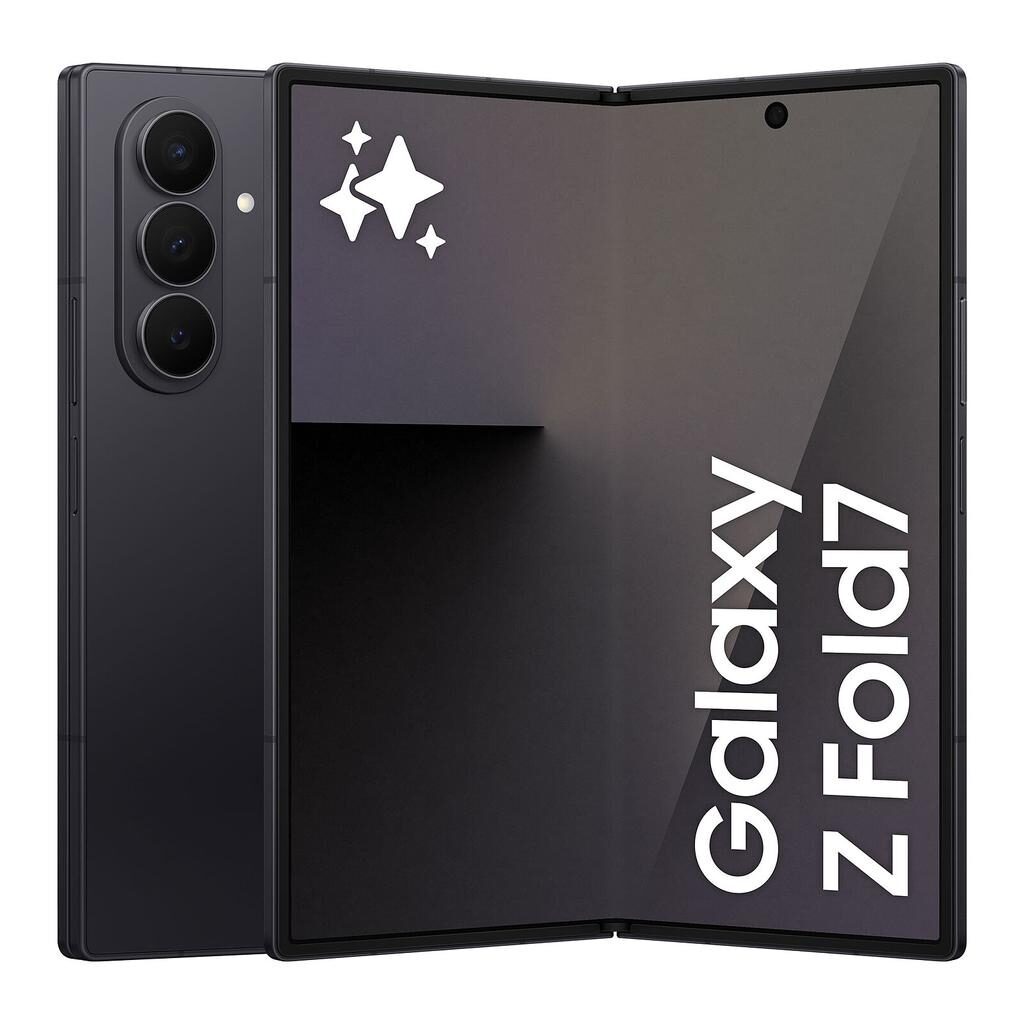
Galaxy Z Fold7
Starting at
£1,000.00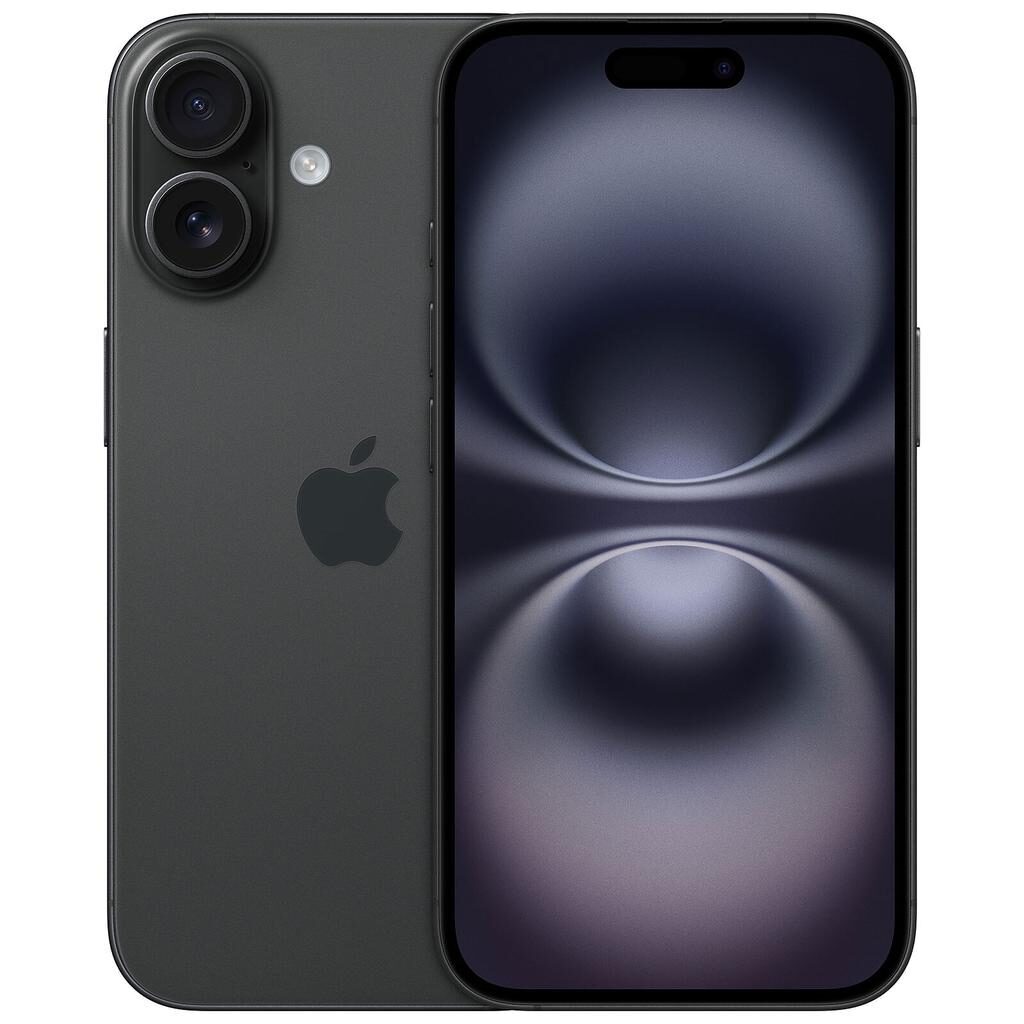
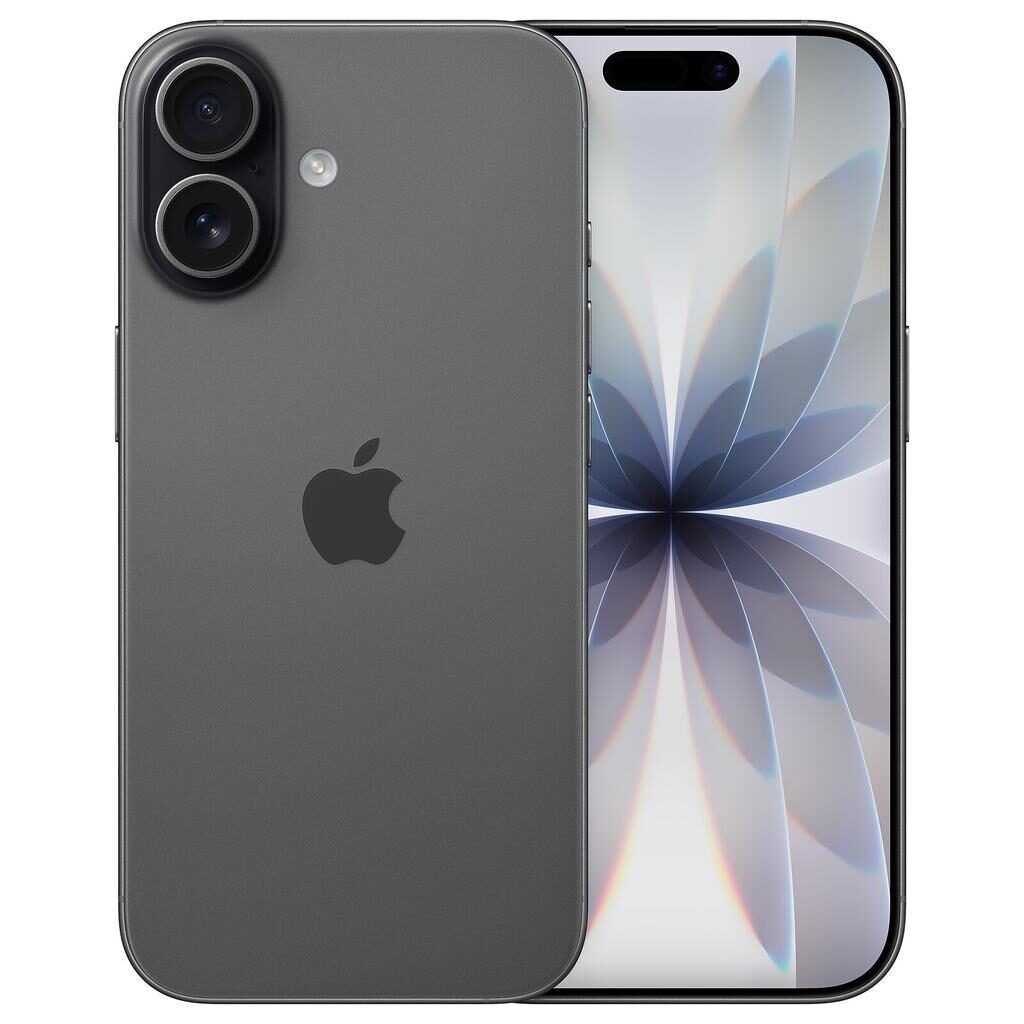
iPhone 16
Starting at
£577.65£699.00 newWhat's the difference between the Galaxy Z Fold7 and iPhone 16?
Galaxy Z Fold7 vs iPhone 16 comes down to the chipset, RAM and battery. Refurbished, the iPhone 16 starts at £577.65, £422.35 less than the Galaxy Z Fold7. The Galaxy Z Fold7 is the newer model, released in 2025.
Refurbished from
Chipset
RAM
Battery
Screen size
Screen type
- Chipset: Qualcomm SM8750-AC Snapdragon 8 Elite (3 nm) on the Galaxy Z Fold7, Apple A18 (3 nm) on the iPhone 16.
- The Galaxy Z Fold7 has more RAM: 12 GB vs 8 GB.
- The Galaxy Z Fold7 has a bigger battery: 4400 mAh vs 3561 mAh.
Galaxy Z Fold7 vs iPhone 16 specs
The Galaxy Z Fold7 and iPhone 16 differ significantly in design and features, catering to distinct user preferences. The Galaxy Z Fold7 offers a large foldable screen ideal for those who want more space for multitasking, media, or productivity in one device. It also has more RAM and a higher resolution main camera, suited to users needing extra power and detailed photography. The iPhone 16 focuses on a simpler form with a smaller, non-foldable screen and iOS 18, which appeals to users who prefer a straightforward, familiar experience with smooth everyday performance. Battery capacity and camera setups also vary, matching different priorities between endurance and photo versatility.
Galaxy Z Fold7 vs iPhone 16 price
Colour
- BlackSold out
- BlueSold out
- SilverSold out
Storage
- 256GBSold out
- 512GBSold out
- 1TBSold out
Galaxy Z Fold7 vs iPhone 16 battery life and software updates
Durability covers battery capacity, software support, and how the devices handle everyday use. These differences affect how long you can use the phone on one charge and the type of operating system you will experience.
Battery Capacity
The Galaxy Z Fold7 has a 4400 mAh battery, which is larger than the iPhone 16's 3561 mAh. This means the Galaxy Z Fold7 can generally support longer use between charges, making it suitable for users who spend more time on their phones without frequent access to a charger.
Operating System
The Galaxy Z Fold7 runs Android, while the iPhone 16 uses iOS 18. Your choice here depends on which ecosystem you prefer, with Android offering more customization and iOS providing a more uniform experience.
Foldable Design
The Galaxy Z Fold7 is foldable, featuring a flexible screen that lets you carry a larger display in a compact form. This suits users looking for a device that combines portability with a big screen. The iPhone 16 does not have a foldable screen and keeps a traditional smartphone design.
Battery
Fast charging
Foldable
Ip rating
OS at launch
Software updates
Wireless charging
Year of release
Galaxy Z Fold7 vs iPhone 16 performance
Performance focuses on processing power, memory, and storage capacity. These factors influence how smoothly the phone runs apps, handles multitasking, and stores files.
Chipset Technology
The Galaxy Z Fold7 features a Qualcomm SM8750-AC Snapdragon 8 Elite chipset built on a 3 nm process, while the iPhone 16 uses an Apple A18 chipset also on 3 nm. Both chipsets are advanced and designed for high performance, so the choice depends on your preference for Android or iOS processing environments.
RAM Amount
With 12 GB of RAM, the Galaxy Z Fold7 supports keeping more apps open at once and handling more intensive multitasking. The iPhone 16 has 8 GB of RAM, which is sufficient for smooth everyday use and most apps.
Storage Options
The Galaxy Z Fold7 offers storage options up to 1TB, including 256GB and 512GB variants. The iPhone 16 starts at 128GB and goes up to 512GB. Higher storage suits users with large media libraries or those who install many apps.
Chipset
RAM
Galaxy Z Fold7 vs iPhone 16 screen
Screen quality affects how you view content and interact with your device. Differences in size, resolution, refresh rate, and screen type shape the user experience for watching videos, gaming, or reading.
Screen Size and Type
The Galaxy Z Fold7 has an 8.0 inch foldable Dynamic LTPO AMOLED 2X screen, giving you a large, flexible display. The iPhone 16 features a 6.1 inch Super Retina XDR OLED screen. The Fold7 suits users who want a larger canvas for multitasking or media, while the iPhone 16 suits those who prefer a more compact device.
Resolution and Refresh Rate
The Galaxy Z Fold7 offers a higher resolution of 1968x2184 and a 120 Hz refresh rate, resulting in smoother motion and sharper images. This benefits users who value fluid animations and high detail. The iPhone 16 has a resolution of 1179x2556 and a 60 Hz refresh rate, which is suitable for everyday use and typical media consumption.
Refresh rate
Resolution
Screen size
Screen type
Galaxy Z Fold7 vs iPhone 16 camera
Audiovisual features include cameras and front-facing sensors that impact photography and video calls. These differences matter depending on how much you use your phone for pictures or video chatting.
Camera Setup
The Galaxy Z Fold7 has a triple camera system with a 200 megapixel main camera, offering very high detail for photos. The iPhone 16 has a dual camera setup with a 48 megapixel main camera, which suits users who want quality photos without the need for extremely high resolution.
Front Camera Resolution
The iPhone 16 has a 12 megapixel front camera, slightly higher than the Galaxy Z Fold7's 10 megapixels. This difference may appeal to users who prioritise sharpness in selfies or video calls.
Camera type
Front camera
Main camera
Galaxy Z Fold7 vs iPhone 16 size and design
Miscellaneous features cover connectivity, physical dimensions, and SIM capabilities. These affect how you use the phone daily and carry it.
Connector Type
This suits users who transfer large files between devices frequently.
SIM Card Options
The Galaxy Z Fold7 supports Dual Physical SIM and eSIM, giving flexibility for multiple numbers or carriers. The iPhone 16 has one Physical SIM plus eSIM, suitable for users with simpler SIM needs.
Size and Weight
The Galaxy Z Fold7 is taller at 158.4 mm, wider at 72.8 mm, and heavier at 215 g with a depth of 8.9 mm. The iPhone 16 measures 147.6 mm in height, 71.6 mm in width, and weighs 170 g with a depth of 7.8 mm. The iPhone 16 suits users looking for a lighter, more compact phone.
Carrier compatibility
Connector
Depth
Height
Mobile network
Release date
SD card slot
SIM card
Weight
Width
Galaxy Z Fold7 or iPhone 16: which should you buy?
Buy the Galaxy Z Fold7 if
- you want more RAM (12 GB vs 8 GB)
- you want a bigger battery (4400 mAh vs 3561 mAh)
- you want a bigger screen (8.0 inch vs 6.1 inch)
Buy the iPhone 16 if
- you want to spend less: it starts at £577.65, £422.35 less than the Galaxy Z Fold7
- you want a higher-resolution front camera (12 megapixels vs 10 megapixels)
- you want a lighter build (170 g vs 215 g)
What our customers say
Customers who chose the Galaxy Z Fold7 appreciate its condition and performance, often noting it feels like new even as a refurbished device. Many highlight the phone's speed and battery life, with some mentioning how the foldable design offers a different, spacious experience. Reviews mention smooth software updates and ease of use compared to previous Samsung models. The larger screen and multitasking ability are implied positives, with users feeling confident and satisfied after switching.
For the iPhone 16, customers frequently comment on the excellent condition and battery health, often noting 100% battery and no visible wear. The device is praised for its reliability and ease of use, with many buyers happy with the upgrade experience and performance. Some mention the phone feels like new, and the smaller size compared to other models is appreciated. The iPhone 16 appeals to users who value a straightforward, familiar smartphone with solid everyday performance.
Overall, the Galaxy Z Fold7 fits buyers who want a large, powerful device with flexible screen options and multitasking. The iPhone 16 suits those who prefer a lighter, more compact phone with a dependable iOS experience and solid battery life.
Galaxy Z Fold7 vs iPhone 16 FAQs
Galaxy Z Fold7 vs iPhone 16 comes down to the chipset, RAM and battery. Chipset: Qualcomm SM8750-AC Snapdragon 8 Elite (3 nm) on the Galaxy Z Fold7, Apple A18 (3 nm) on the iPhone 16. The Galaxy Z Fold7 has more RAM: 12 GB vs 8 GB.
The iPhone 16 is cheaper refurbished, from £577.65 compared with £1000 for the Galaxy Z Fold7.
The Galaxy Z Fold7 has a bigger battery: 4400 mAh vs 3561 mAh.
The Galaxy Z Fold7 has a higher-resolution main camera: 200 megapixels vs 48 megapixels.
The Galaxy Z Fold7 gets updates until Jul 2032. The iPhone 16 is still supported and can run iOS 27.
Refurbished, the Galaxy Z Fold7 comes in 256GB, 512GB and 1TB, and the iPhone 16 in 128GB, 256GB and 512GB.