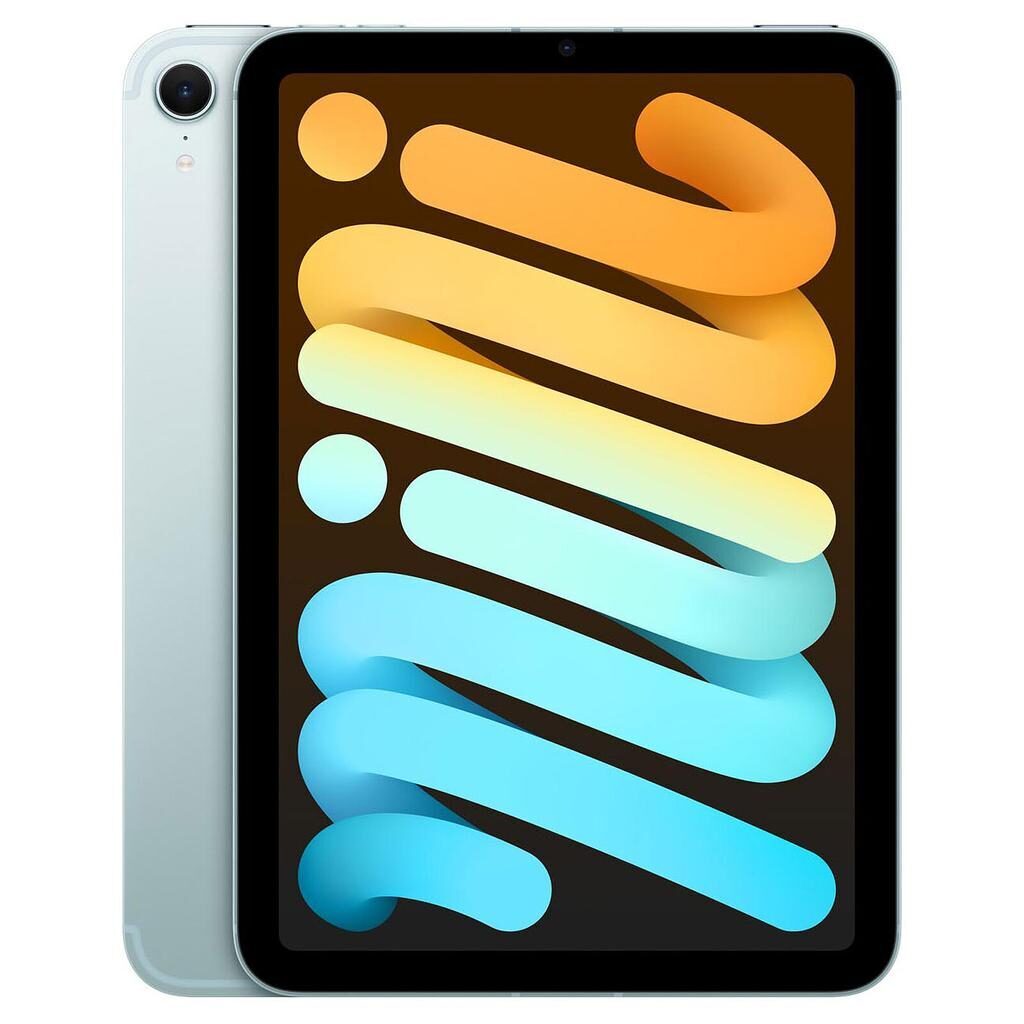
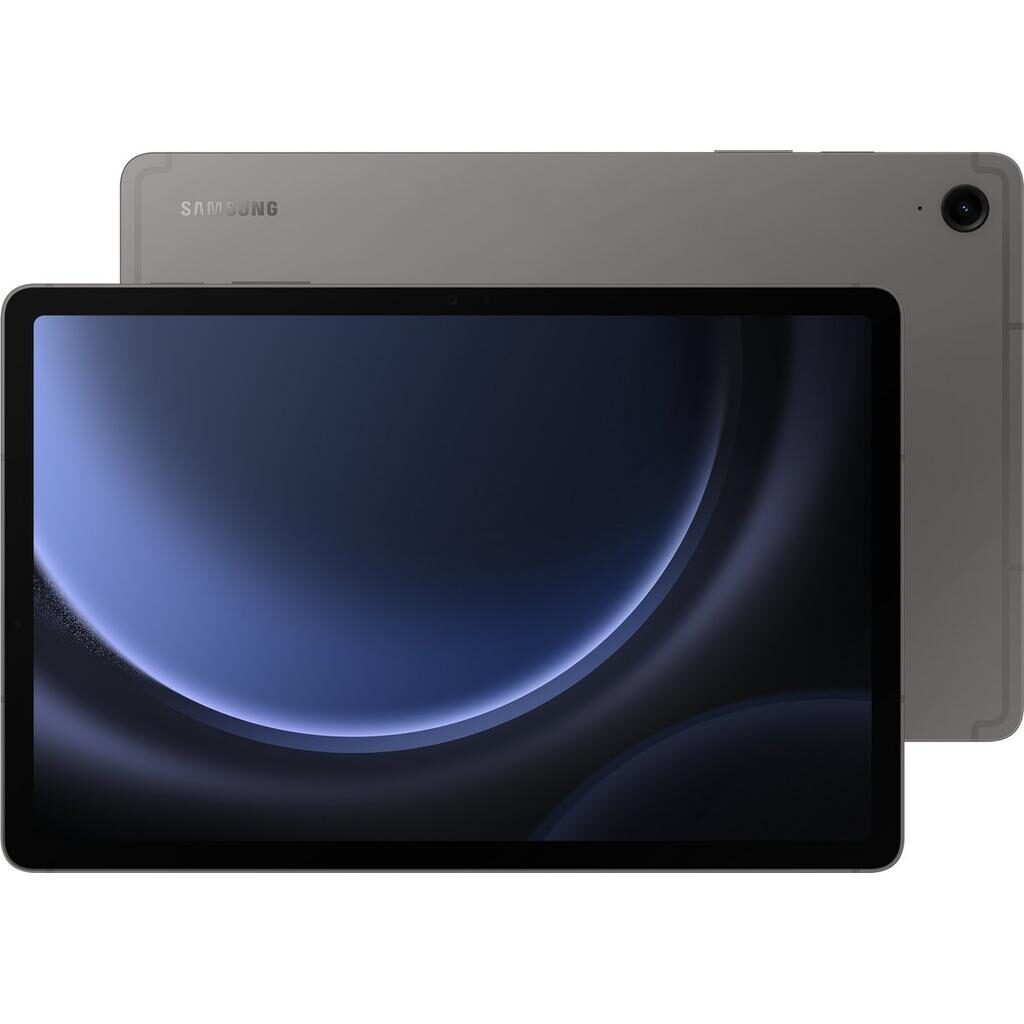
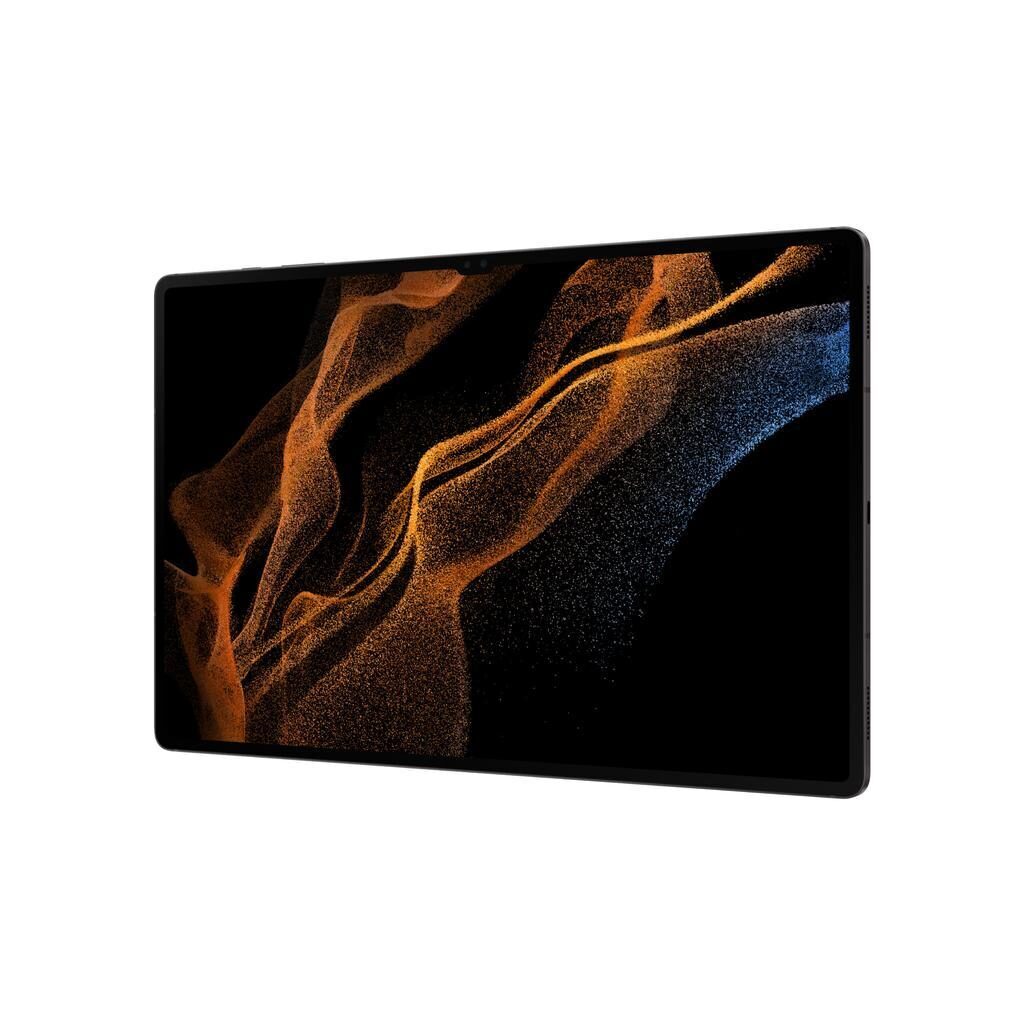
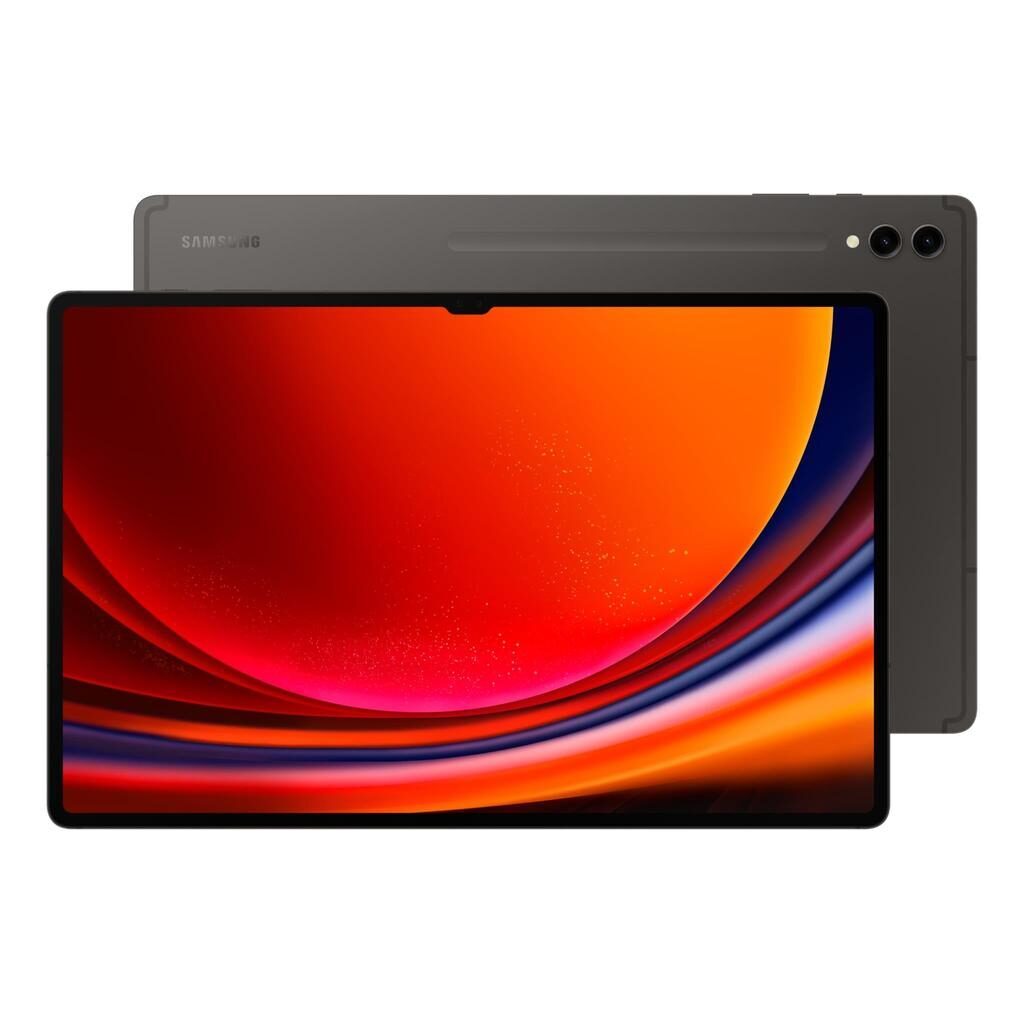
Galaxy Tab S4 (10.5", 2018) vs Galaxy Tab S9 (11.0", 2023)
Shop Samsung Galaxy Tab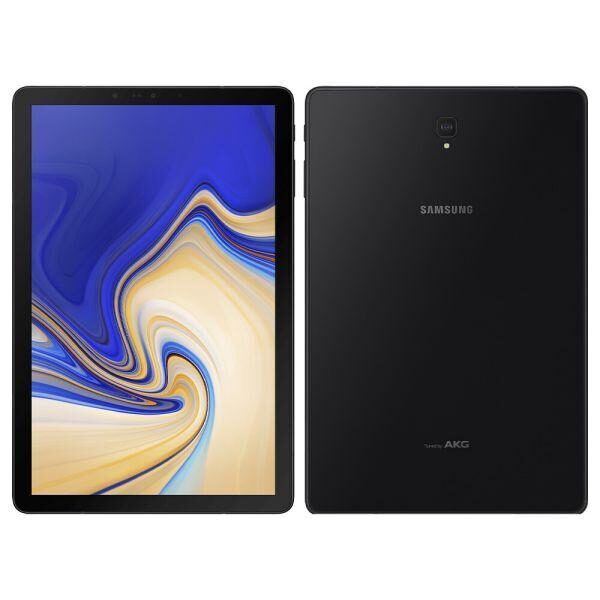
Galaxy Tab S4 (10.5", 2018)
Starting at
£210.00£689.00 new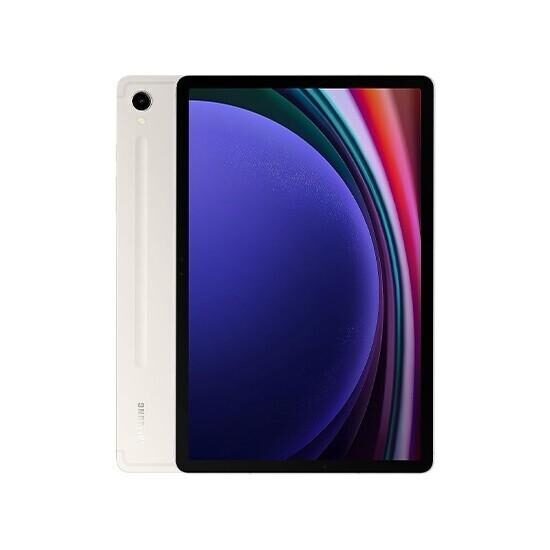
Galaxy Tab S9 (11.0", 2023)
Starting at
£408.76£1,060.32 newWhat's the difference between the Galaxy Tab S4 (10.5", 2018) and Galaxy Tab S9 (11.0", 2023)?
Galaxy Tab S4 (10.5", 2018) vs Galaxy Tab S9 (11.0", 2023) comes down to the chipset, RAM and battery. Refurbished, the Galaxy Tab S4 (10.5", 2018) starts at £210, £198.76 less than the Galaxy Tab S9 (11.0", 2023). The Galaxy Tab S9 (11.0", 2023) is the newer model, released in 2023.
Refurbished from
Chipset
RAM
Battery
Screen size
Screen type
- Chipset: Qualcomm MSM8998 Snapdragon 835 (10 nm) on the Galaxy Tab S4 (10.5", 2018), Qualcomm SM8550-AC Snapdragon 8 Gen 2 (4 nm) on the Galaxy Tab S9 (11.0", 2023).
- The Galaxy Tab S9 (11.0", 2023) has more RAM: 12 GB vs 4 GB.
- The Galaxy Tab S9 (11.0", 2023) has a bigger battery: 8400 mAh vs 7300 mAh.
Galaxy Tab S4 (10.5", 2018) vs Galaxy Tab S9 (11.0", 2023) specs
The Galaxy Tab S4 and Galaxy Tab S9 differ in several key areas that suit different users. The Galaxy Tab S4 has a smaller 10.5 inch Super AMOLED screen and 4 GB of RAM, which fits well for everyday tasks and lighter use. The S9 supports 120Hz refresh rate and Wi-Fi 6E, appealing to users who prioritise smoother visuals and faster wireless connections. The S4 includes a 3.5 mm headphone jack, which may be important for users with wired headphones. Both tablets support stylus use and offer stereo speakers, delivering good media experiences for their different audiences.
Galaxy Tab S4 (10.5", 2018) vs Galaxy Tab S9 (11.0", 2023) price
Galaxy Tab S4 (10.5", 2018) vs Galaxy Tab S9 (11.0", 2023) battery life and software updates
Durability covers battery size and software support. These aspects shape how long each tablet lasts on a charge and how current their software remains.
Battery Capacity
The Galaxy Tab S9 has an 8400 mAh battery, which offers more power for extended use compared to the Galaxy Tab S4's 7300 mAh battery. This means the S9 can better support longer sessions away from charging, suiting users who need more endurance during busy days or travel.
Battery
Maximum operating system supported
Year of release
Galaxy Tab S4 (10.5", 2018) vs Galaxy Tab S9 (11.0", 2023) performance
Performance details explain how smoothly each tablet handles apps and multitasking. Differences in processor speed, RAM, and storage options affect daily responsiveness and capacity for apps and files.
Processor Speed
The Galaxy Tab S9 runs on a Qualcomm SM8550-AC Snapdragon 8 Gen 2 with a processor speed of 3.36 GHz. The Galaxy Tab S4 uses a Qualcomm MSM8998 Snapdragon 835 at 2.35 GHz. The higher clock speed on the S9 means it handles demanding tasks and multitasking more efficiently.
Memory and Storage
The Galaxy Tab S9 comes with 12 GB of RAM and storage options of 128 GB or 256 GB, supporting more apps open at once and larger file storage. The Galaxy Tab S4 offers 4 GB of RAM and 64 GB of storage from our stock, suitable for everyday use with fewer simultaneous apps and smaller storage needs.
Chipset
Processor
Processor brand
Processor core
Processor speed ghz
RAM
Galaxy Tab S4 (10.5", 2018) vs Galaxy Tab S9 (11.0", 2023) screen
Screen quality affects visual experience for watching videos, reading, and general use. Differences in size, panel type, and pixel density provide clues about viewing comfort and clarity.
Screen Size and Type
The Galaxy Tab S9 features a larger 11.0 inch Dynamic AMOLED 2X screen, giving you more room for media and work. The Galaxy Tab S4 has a 10.5 inch Super AMOLED screen. Both have the same resolution of 1600 x 2560, so image sharpness is similar, but the bigger S9 screen offers a more immersive experience.
Screen Durability and Density
The Galaxy Tab S9 uses Corning Gorilla Glass 5, providing strong protection for the screen. The Galaxy Tab S4 has glass on both front and back. Pixel density is close, with 290 ppi on the S4 and 280 ppi on the S9, so both deliver clear images, but the S4 offers slightly sharper pixels on a smaller screen.
Display glass
Pixel density
Refresh rate
Resolution
Screen size
Screen type
Galaxy Tab S4 (10.5", 2018) vs Galaxy Tab S9 (11.0", 2023) camera
Audiovisual features determine camera quality and sound. Both tablets provide good multimedia experiences with their cameras and speakers, but there are differences in front-facing camera resolution.
Front Camera Resolution
The Galaxy Tab S9 has a 12 megapixel front camera, ideal for clearer video calls and selfies. The Galaxy Tab S4 offers an 8 megapixel front camera, which still performs well for video chats but captures less detail compared to the S9.
Speakers and Video Recording
Both tablets have four stereo speakers and support 4K video recording at 30 frames per second. This ensures good sound and video capture quality for calls, filming, and media playback on either device.
Front camera
Front camera definition
Main camera
Rear camera definition
Speakers
Video recording
Webcam
Galaxy Tab S4 (10.5", 2018) vs Galaxy Tab S9 (11.0", 2023) size and design
Miscellaneous features cover refresh rates, connectivity options, physical dimensions, and accessories. These affect daily comfort, wireless performance, and device compatibility.
Refresh Rate and Wireless
The Galaxy Tab S9 supports a 120Hz refresh rate, resulting in smoother scrolling and animations, which benefits gaming and browsing. It also features Bluetooth 5.3 and Wi-Fi 6E for faster and more stable wireless connections. The Galaxy Tab S4 has a standard refresh rate, Bluetooth 5.0, and Wi-Fi 802.11 a/b/g/n/ac.
Headphone Jack and SIM Options
The Galaxy Tab S4 includes a 3.5 mm headphone jack, useful if you prefer wired headphones. The Galaxy Tab S9 does not have this jack but supports Nano SIM and eSIM options, offering more flexibility for mobile connectivity. The S4 does not have a SIM port.
Size and Weight
The Galaxy Tab S9 is slightly larger and heavier at 254.3 mm height, 165.8 mm width, and 498 g weight, compared to the Galaxy Tab S4's 249.3 mm height, 164.3 mm width, and 482 g weight. The S9 is also thinner at 5.9 mm depth versus 7.1 mm on the S4, making it sleek despite the larger screen.
120hz
Bluetooth version
Carrier compatibility
Connector
Depth
Double sim
Headphones connectivity
Height
Megapixels
Network
Sim format
Touch
Weight
Width
Wifi technology
With stylus pencil
Galaxy Tab S4 (10.5", 2018) or Galaxy Tab S9 (11.0", 2023): which should you buy?
Buy the Galaxy Tab S4 (10.5", 2018) if
- you want to spend less: it starts at £210, £198.76 less than the Galaxy Tab S9 (11.0", 2023)
- you want a lighter build (482 g vs 498 g)
Buy the Galaxy Tab S9 (11.0", 2023) if
- you want more RAM (12 GB vs 4 GB)
- you want a bigger battery (8400 mAh vs 7300 mAh)
- you want a bigger screen (11.0 inch vs 10.5 inch)
What our customers say
Customers of the Galaxy Tab S4 highlight its condition and appearance, often noting it looks like new or brand new. Many appreciate its sleek design and overall good working order, though some mention it can take a bit of time to start up. The tablet suits those who want a solid device in excellent condition for everyday use without needing the latest software updates.
Users of the Galaxy Tab S9 praise its quality and large screen, with many saying it looks like new or unused. The faster performance and bigger screen are appreciated, especially for watching media. Some customers note minor marks on certain units but find these acceptable when using a case. The included stylus is valued, even if occasional setup issues arise. The S9 suits users seeking a more powerful tablet with current software and enhanced features.
Overall, the Galaxy Tab S4 appeals to buyers valuing good condition and basic performance, while the Galaxy Tab S9 fits those wanting a larger screen, higher performance, and up-to-date Android support.
Galaxy Tab S4 (10.5", 2018) vs Galaxy Tab S9 (11.0", 2023) FAQs
Galaxy Tab S4 (10.5", 2018) vs Galaxy Tab S9 (11.0", 2023) comes down to the chipset, RAM and battery. Chipset: Qualcomm MSM8998 Snapdragon 835 (10 nm) on the Galaxy Tab S4 (10.5", 2018), Qualcomm SM8550-AC Snapdragon 8 Gen 2 (4 nm) on the Galaxy Tab S9 (11.0", 2023). The Galaxy Tab S9 (11.0", 2023) has more RAM: 12 GB vs 4 GB.
The Galaxy Tab S4 (10.5", 2018) is cheaper refurbished, from £210 compared with £408.76 for the Galaxy Tab S9 (11.0", 2023).
The Galaxy Tab S9 (11.0", 2023) has a bigger battery: 8400 mAh vs 7300 mAh.
Both have the same main camera: 13 megapixels.
The Galaxy Tab S9 (11.0", 2023) adds more RAM (12 GB vs 4 GB), a bigger battery (8400 mAh vs 7300 mAh) and a bigger screen (11.0 inch vs 10.5 inch). Refurbished, it costs £198.76 more (from £408.76 vs £210).
Refurbished, the Galaxy Tab S4 (10.5", 2018) comes in 64GB, and the Galaxy Tab S9 (11.0", 2023) in 128GB and 256GB.