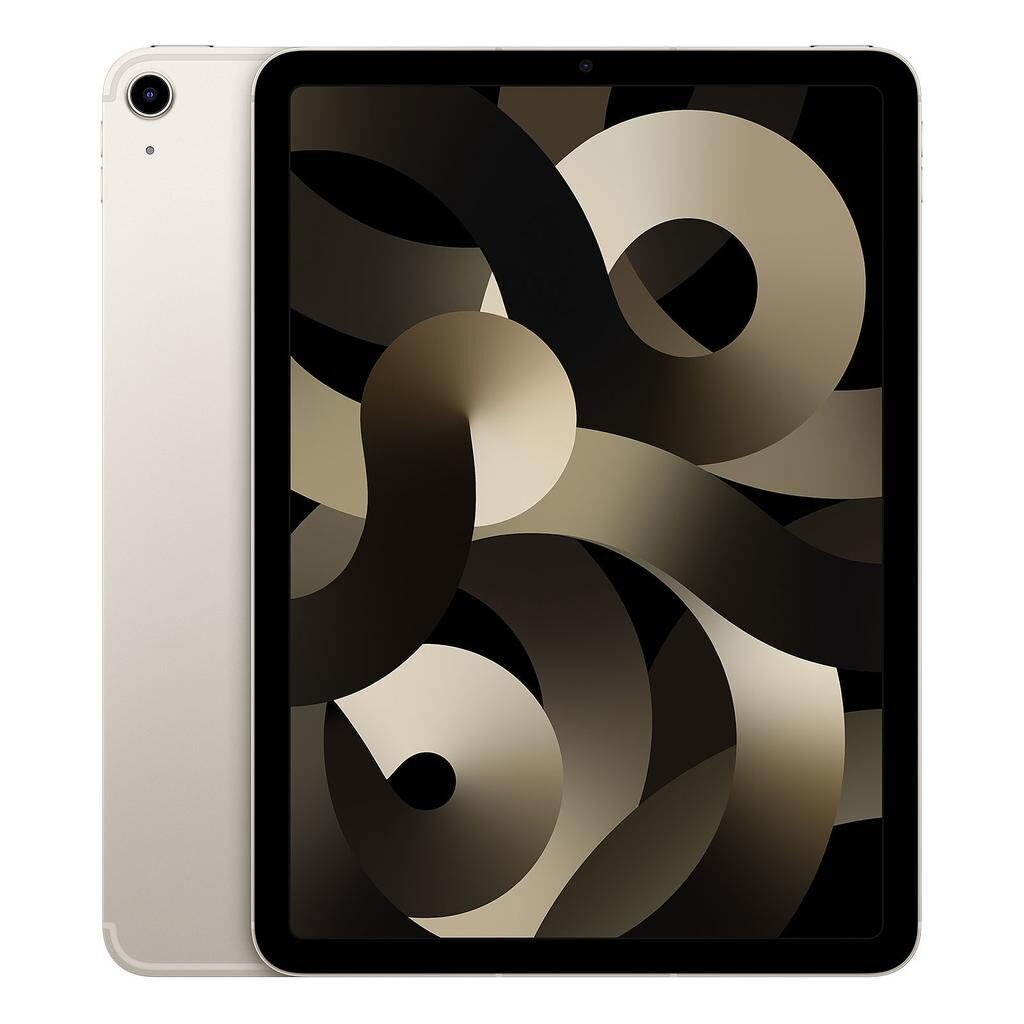
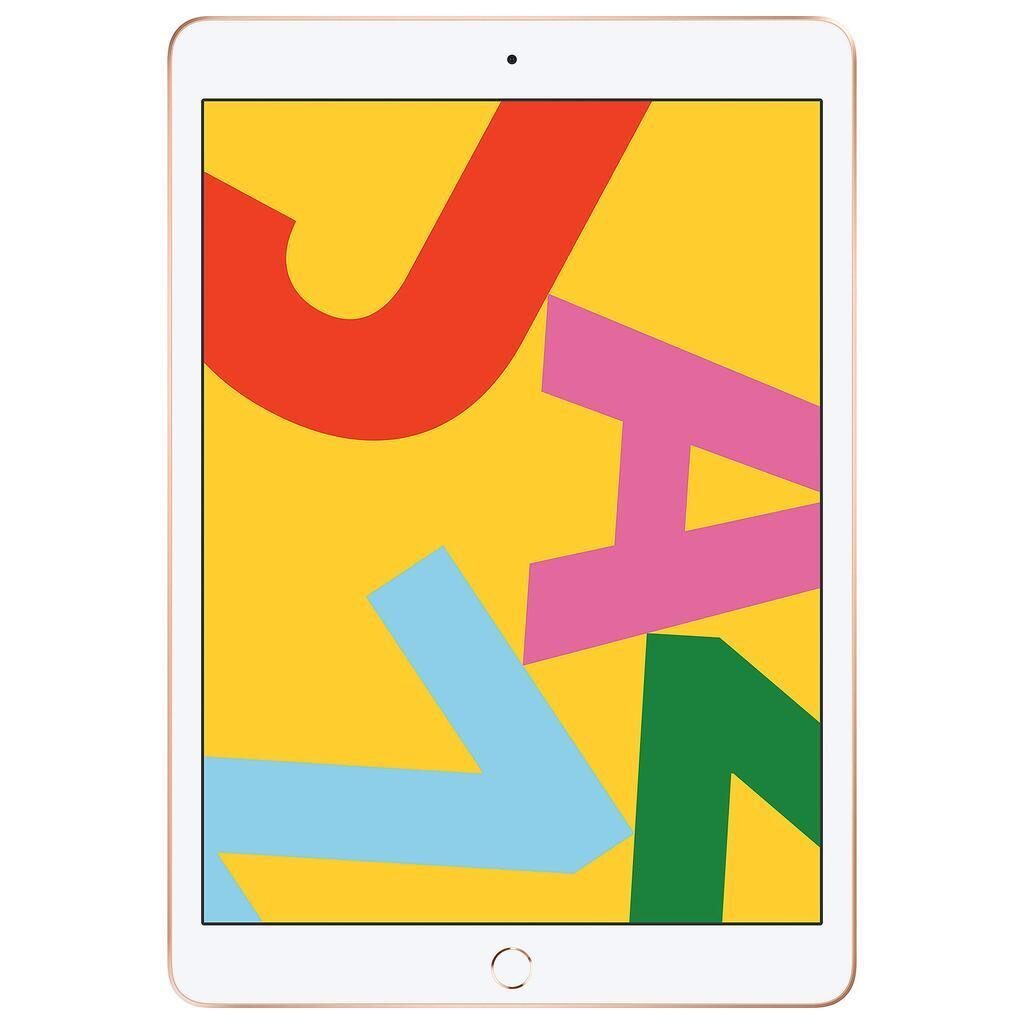
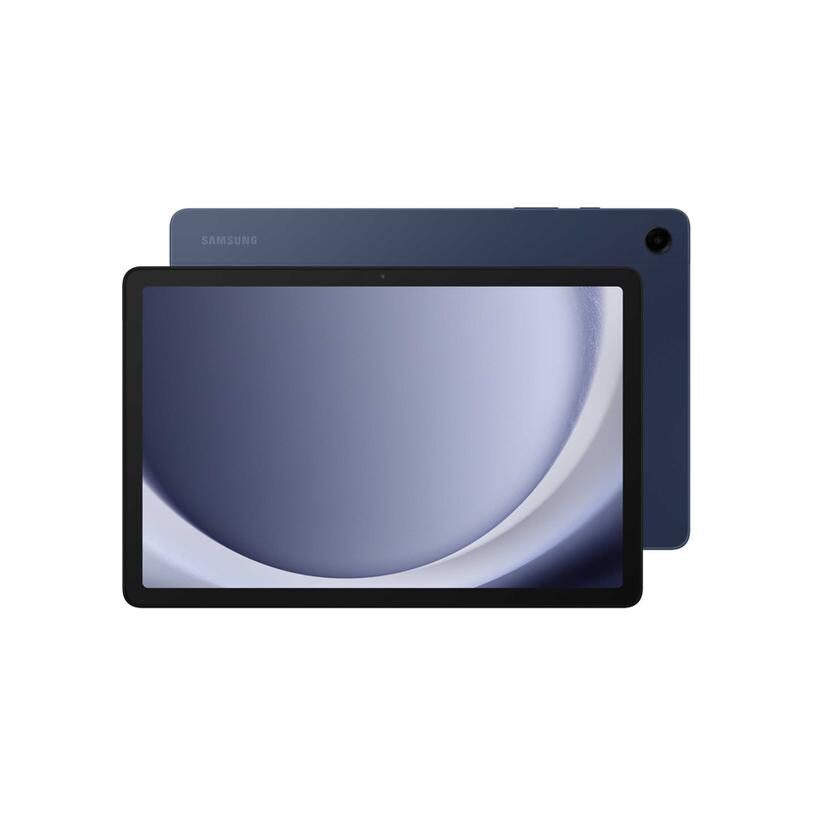
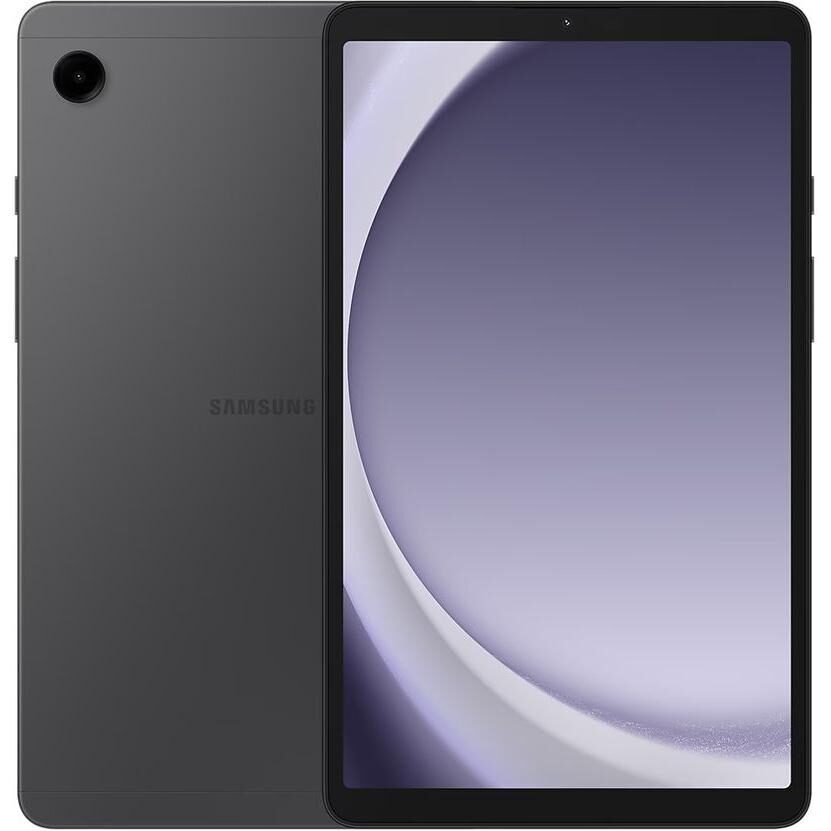
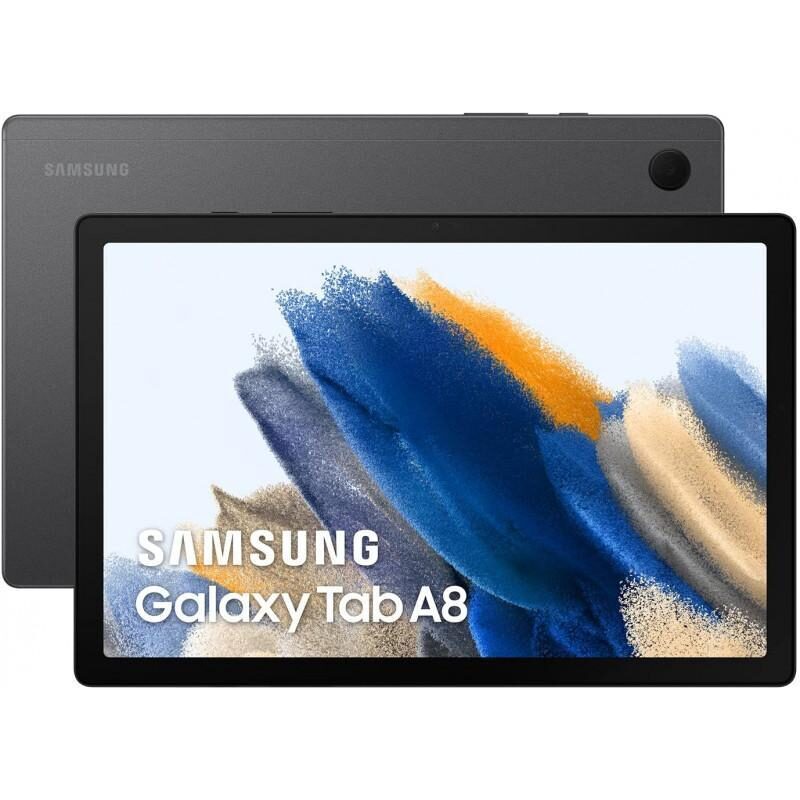
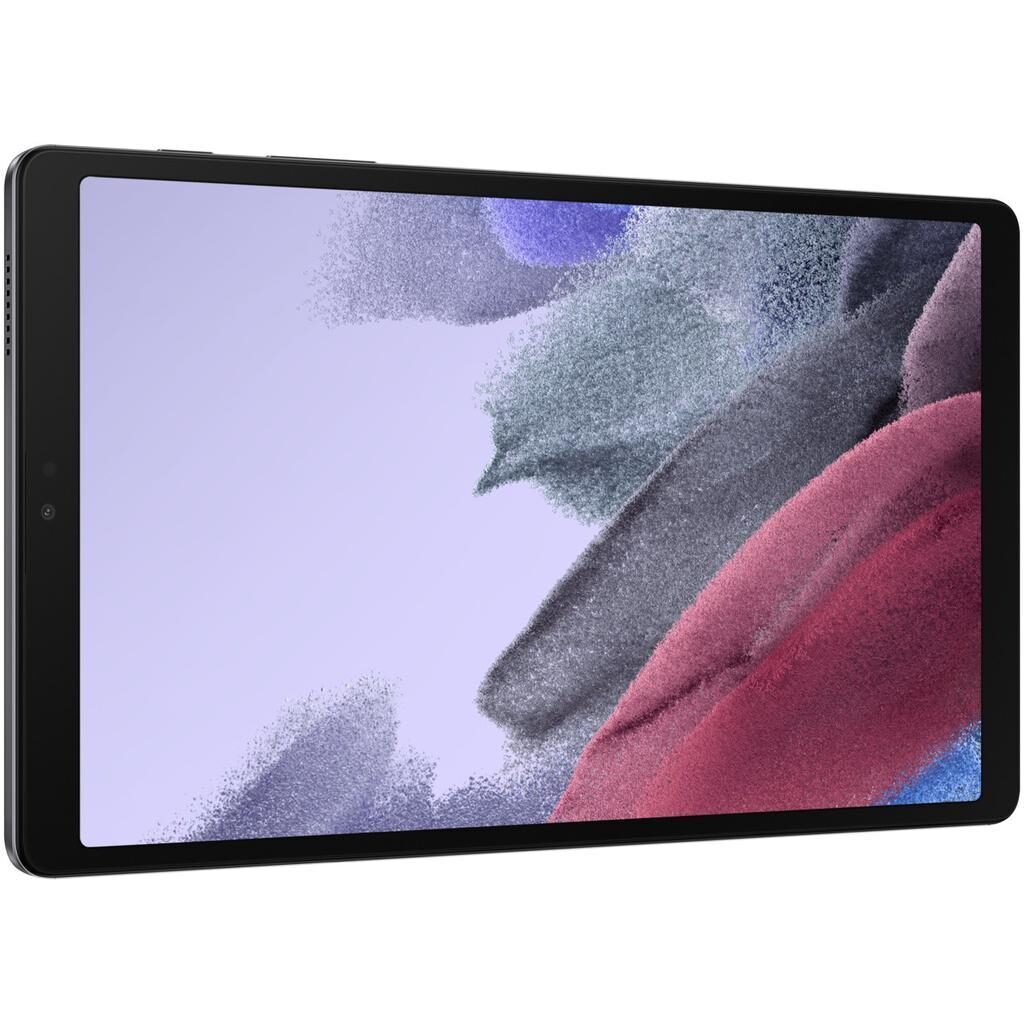
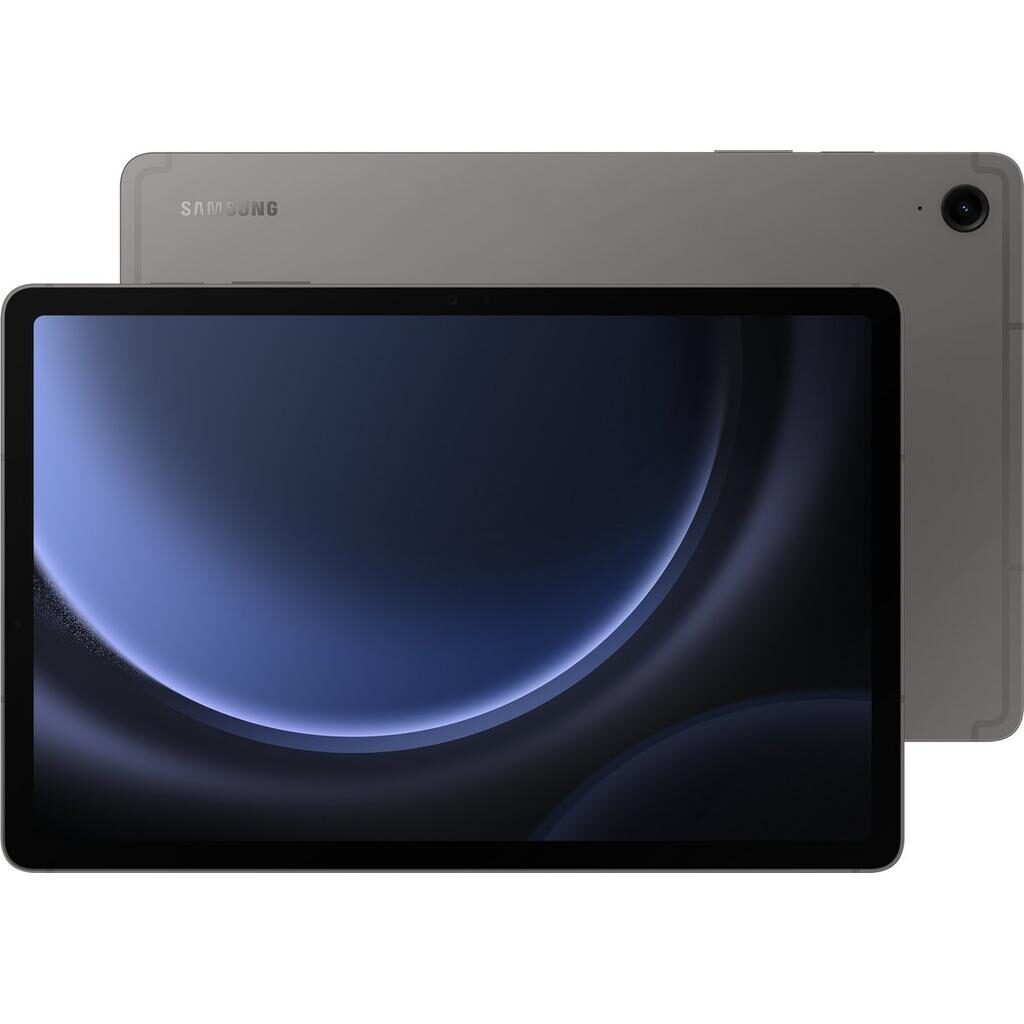
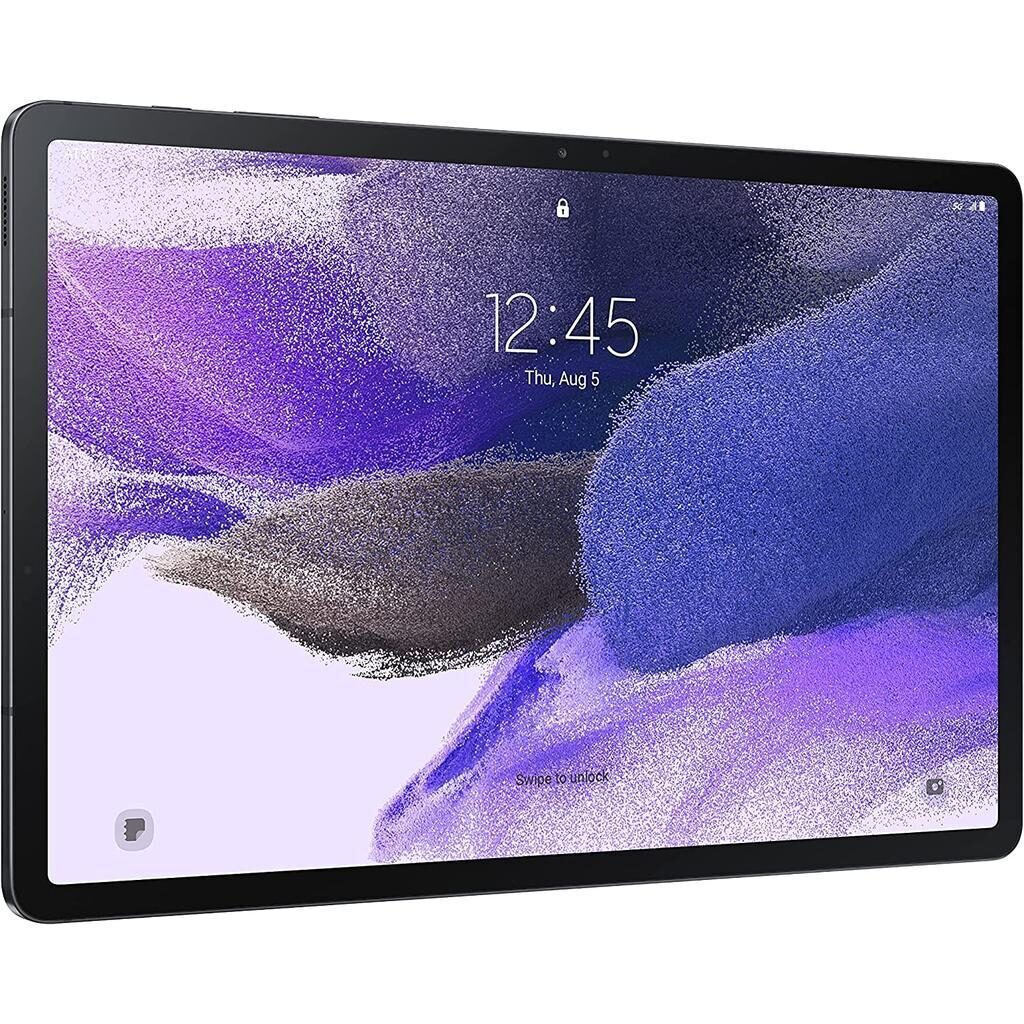
Galaxy Tab S4 (10.5", 2018) vs Galaxy Tab S8 (11.0", 2022)
Shop Samsung Galaxy Tab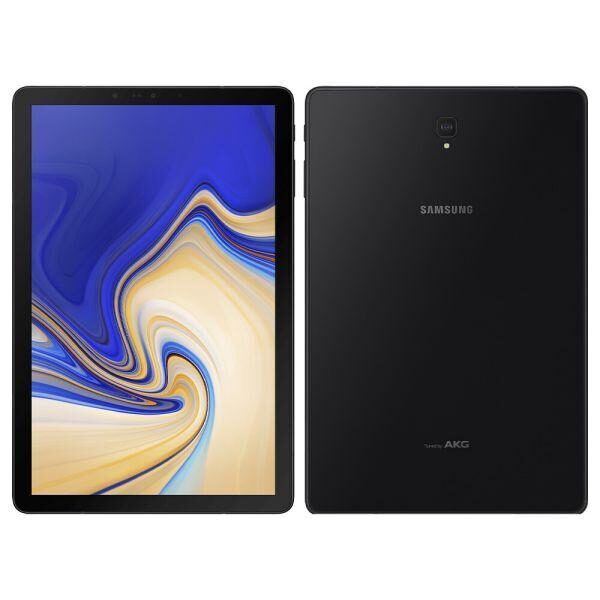
Galaxy Tab S4 (10.5", 2018)
Starting at
£210.00£689.00 new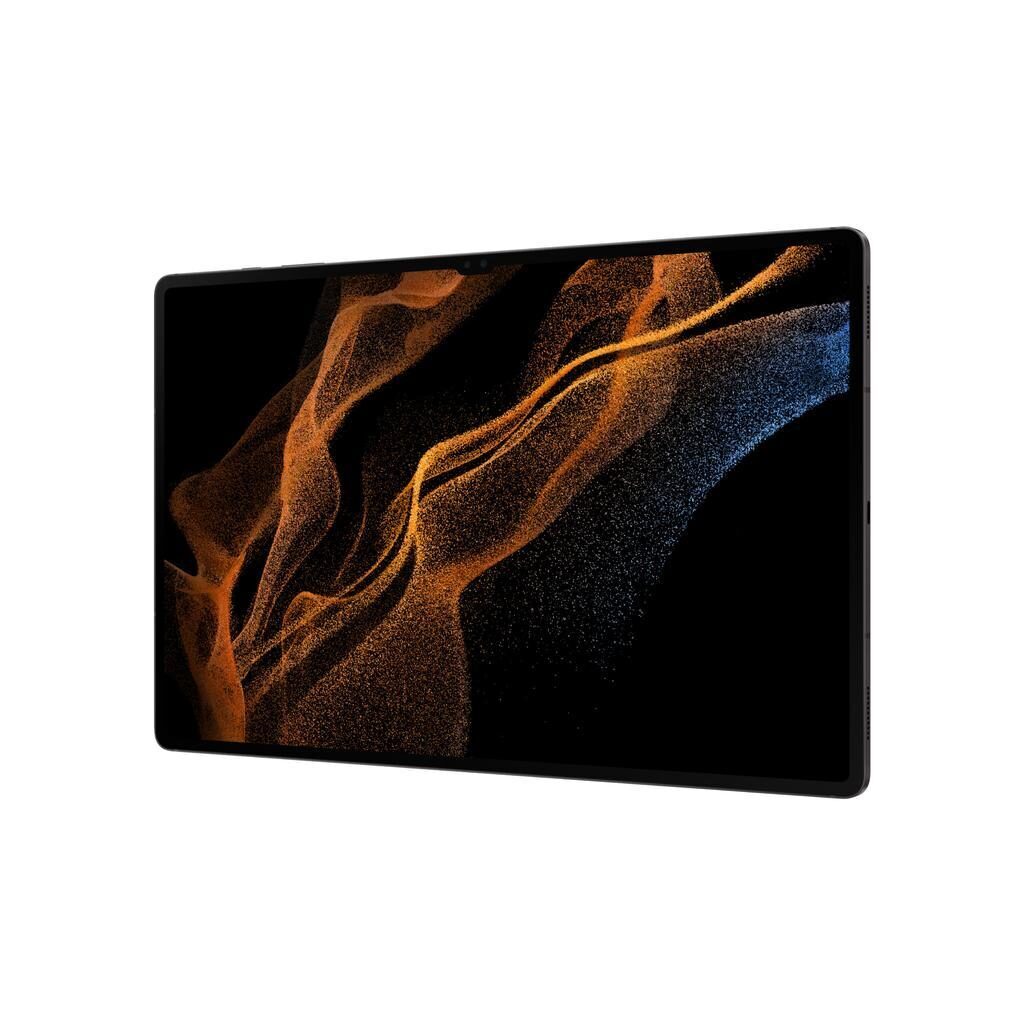
Galaxy Tab S8 (11.0", 2022)
Starting at
£324.36£649.00 newWhat's the difference between the Galaxy Tab S4 (10.5", 2018) and Galaxy Tab S8 (11.0", 2022)?
Galaxy Tab S4 (10.5", 2018) vs Galaxy Tab S8 (11.0", 2022) comes down to the chipset, RAM and battery. Refurbished, the Galaxy Tab S4 (10.5", 2018) starts at £210, £114.36 less than the Galaxy Tab S8 (11.0", 2022). The Galaxy Tab S8 (11.0", 2022) is the newer model, released in 2022.
Refurbished from
Chipset
RAM
Battery
Screen size
Screen type
- Chipset: Qualcomm MSM8998 Snapdragon 835 (10 nm) on the Galaxy Tab S4 (10.5", 2018), Qualcomm SM8450 Snapdragon 8 Gen 1 (4 nm) on the Galaxy Tab S8 (11.0", 2022).
- The Galaxy Tab S8 (11.0", 2022) has more RAM: 8 GB vs 4 GB.
- The Galaxy Tab S8 (11.0", 2022) has a bigger battery: 8000 mAh vs 7300 mAh.
Galaxy Tab S4 (10.5", 2018) vs Galaxy Tab S8 (11.0", 2022) specs
The Galaxy Tab S4 and Galaxy Tab S8 differ in several key areas that fit different kinds of users. The Tab S8 offers a larger screen and more RAM, which suits those who want smoother multitasking and a bit more space for videos or work. It supports Android 12 and has improved battery capacity, making it better for users who want longer use between charges. The Tab S4, with its Super AMOLED screen and 3.5 mm headphone jack, suits buyers who prefer a slightly smaller display with vibrant colours and like using traditional headphones. Both tablets include a stylus and stereo speakers, making them versatile choices depending on your priorities.
Galaxy Tab S4 (10.5", 2018) vs Galaxy Tab S8 (11.0", 2022) price
Colour
Galaxy Tab S4 (10.5", 2018) vs Galaxy Tab S8 (11.0", 2022) battery life and software updates
Durability covers battery life and software updates, which affect how long your tablet stays useful and how often you need to recharge. The two models show differences that matter depending on how long you plan to keep your device and how important software updates are to you.
Battery Capacity
The Galaxy Tab S8 comes with an 8000 mAh battery, offering more capacity than the 7300 mAh battery in the Galaxy Tab S4. This means the Tab S8 can generally last longer between charges, which is helpful if you use your tablet extensively away from power sources.
Software Updates
This makes the Tab S8 a stronger choice if you want ongoing software improvements and security patches.
Battery
Maximum operating system supported
Year of release
Galaxy Tab S4 (10.5", 2018) vs Galaxy Tab S8 (11.0", 2022) performance
Performance differences affect how well the tablets handle apps, multitasking, and storage needs. The Galaxy Tab S8 has several improvements that suit power users, while the Tab S4 fits everyday tasks well.
Processor Power
The Galaxy Tab S8 uses a Qualcomm SM8450 Snapdragon 8 Gen 1 processor running at 3.00 GHz, which is faster than the 2.35 GHz Qualcomm MSM8998 Snapdragon 835 in the Galaxy Tab S4. This means the Tab S8 will handle demanding apps and multitasking with more ease.
RAM Size
With 8 GB of RAM, the Galaxy Tab S8 keeps more apps open and running smoothly compared to 4 GB in the Galaxy Tab S4. This difference benefits users who multitask or use memory-intensive apps regularly.
Storage Options
The Galaxy Tab S8 is available in 128 GB and 256 GB models, offering more base storage than the 64 GB model of the Galaxy Tab S4 stocked here. This suits users who need more space for apps, media, and files without relying on external storage.
Chipset
Processor
Processor brand
Processor core
Processor speed ghz
RAM
Galaxy Tab S4 (10.5", 2018) vs Galaxy Tab S8 (11.0", 2022) screen
Screen quality covers size, resolution, and display type, all of which affect your viewing experience. Both tablets share the same resolution but differ in screen size, pixel density, and glass protection.
Screen Size
The Galaxy Tab S8 has a slightly larger 11.0 inch screen compared to the 10.5 inch screen of the Galaxy Tab S4. This gives the Tab S8 a bit more room for watching videos, browsing, or working on documents.
Display Type and Glass
The Galaxy Tab S4 features a Super AMOLED screen, known for vibrant colours and deep blacks, while the Galaxy Tab S8 uses a TFT LCD screen with Corning Gorilla Glass 5 protection. The S4's display suits those who prioritise vivid colour contrast, while the S8 offers durable screen glass.
Pixel Density
The Galaxy Tab S4 has a pixel density of 290 ppi, which is slightly higher than the 280 ppi of the Galaxy Tab S8. This means the Tab S4's screen can deliver a sharper image, which may appeal to users who focus on screen detail.
Display glass
Pixel density
Resolution
Screen size
Screen type
Galaxy Tab S4 (10.5", 2018) vs Galaxy Tab S8 (11.0", 2022) camera
Audiovisual features cover speakers, video recording, and webcam capabilities, which affect media enjoyment and communication quality. Both tablets offer similar speaker setups but differ in video recording.
Speakers
Both the Galaxy Tab S4 and Tab S8 have four stereo speakers, providing balanced sound for media and calls. This makes either suitable for watching videos or listening to music without headphones.
Video Recording
The Galaxy Tab S8 records video at 4K 60 FPS, offering smoother and higher frame rate video compared to the Galaxy Tab S4's 4K 30 FPS recording. This suits users who want sharper and more fluid video capture.
Webcam
Both tablets include a webcam, supporting video calls and online meetings. Neither specifies resolution differences, so they serve similar needs for video communication.
Front camera
Front camera definition
Main camera
Rear camera definition
Speakers
Video recording
Webcam
Galaxy Tab S4 (10.5", 2018) vs Galaxy Tab S8 (11.0", 2022) size and design
Other features include connectivity, physical dimensions, and extras like stylus support. These differences can influence comfort, device compatibility, and user habits.
Refresh Rate
The Galaxy Tab S8 supports a 120 Hz refresh rate, which means smoother scrolling and animations. The Galaxy Tab S4 does not have this feature, making the S8 a better fit for users who notice and appreciate fluid display motion.
Headphone Connectivity
The Galaxy Tab S4 has a 3.5 mm headphone jack, allowing use of standard wired headphones. The Galaxy Tab S8 uses USB Type-C for headphones, which suits users comfortable with USB-C audio or wireless options.
Connectivity and SIM
The Galaxy Tab S8 is unlocked and supports a Nano SIM, while the Galaxy Tab S4 does not have a SIM port. This means the Tab S8 can connect to mobile networks, suiting those who want internet access on the go without Wi-Fi.
Weight and Size
The Galaxy Tab S8 is slightly larger and heavier at 253.8 mm tall, 165.3 mm wide, and 503 g, compared to the Galaxy Tab S4's 249.3 mm tall, 164.3 mm wide, and 482 g. Users prioritising a lighter or slightly smaller device may prefer the Tab S4.
Stylus Support
Both tablets come with a stylus, making them suitable for note-taking, drawing, and precise input. Both models support this feature equally.
120hz
Bluetooth version
Carrier compatibility
Connector
Depth
Double sim
Headphones connectivity
Height
Megapixels
Network
Sim format
Touch
Weight
Width
Wifi technology
With stylus pencil
Galaxy Tab S4 (10.5", 2018) or Galaxy Tab S8 (11.0", 2022): which should you buy?
Buy the Galaxy Tab S4 (10.5", 2018) if
- you want to spend less: it starts at £210, £114.36 less than the Galaxy Tab S8 (11.0", 2022)
- you want an OLED screen
- you want a lighter build (482 g vs 503 g)
Buy the Galaxy Tab S8 (11.0", 2022) if
- you want more RAM (8 GB vs 4 GB)
- you want a bigger battery (8000 mAh vs 7300 mAh)
- you want a bigger screen (11.0 inch vs 10.5 inch)
What our customers say
Customers of the Galaxy Tab S4 say the device often looks like new, with many pleased by its sleek design and condition. Some note that the tablet takes a bit of time to start up but find it satisfactory overall. The 3.5 mm headphone jack is appreciated by users who prefer traditional wired headphones.
Reviews for the Galaxy Tab S8 highlight its speed and solid battery life, with users reporting smooth performance and clear screen quality. The stylus is noted as a useful addition, and the device feels like new or close to it. Some customers mention minor cosmetic marks consistent with refurbished condition. There is appreciation for the unlocked model's ability to connect to mobile networks, though a few customers expected a SIM slot where it was not available.
Both devices suit different users well. The Tab S4 appeals to those who want a compact tablet with a vibrant AMOLED screen and headphone jack. The Tab S8 suits users who prefer faster performance, longer software support, and a larger screen for media and multitasking.
Galaxy Tab S4 (10.5", 2018) vs Galaxy Tab S8 (11.0", 2022) FAQs
Galaxy Tab S4 (10.5", 2018) vs Galaxy Tab S8 (11.0", 2022) comes down to the chipset, RAM and battery. Chipset: Qualcomm MSM8998 Snapdragon 835 (10 nm) on the Galaxy Tab S4 (10.5", 2018), Qualcomm SM8450 Snapdragon 8 Gen 1 (4 nm) on the Galaxy Tab S8 (11.0", 2022). The Galaxy Tab S8 (11.0", 2022) has more RAM: 8 GB vs 4 GB.
The Galaxy Tab S4 (10.5", 2018) is cheaper refurbished, from £210 compared with £324.36 for the Galaxy Tab S8 (11.0", 2022).
The Galaxy Tab S8 (11.0", 2022) has a bigger battery: 8000 mAh vs 7300 mAh.
The Galaxy Tab S8 (11.0", 2022) adds more RAM (8 GB vs 4 GB), a bigger battery (8000 mAh vs 7300 mAh) and a bigger screen (11.0 inch vs 10.5 inch). Refurbished, it costs £114.36 more (from £324.36 vs £210).
Refurbished, the Galaxy Tab S4 (10.5", 2018) comes in 64GB, and the Galaxy Tab S8 (11.0", 2022) in 128GB and 256GB.