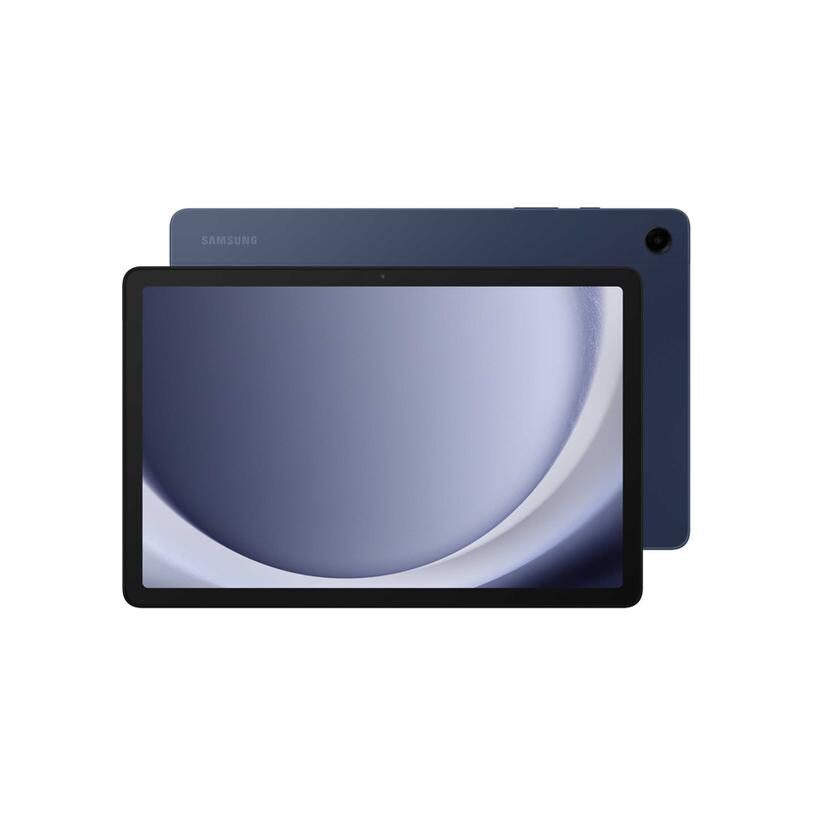
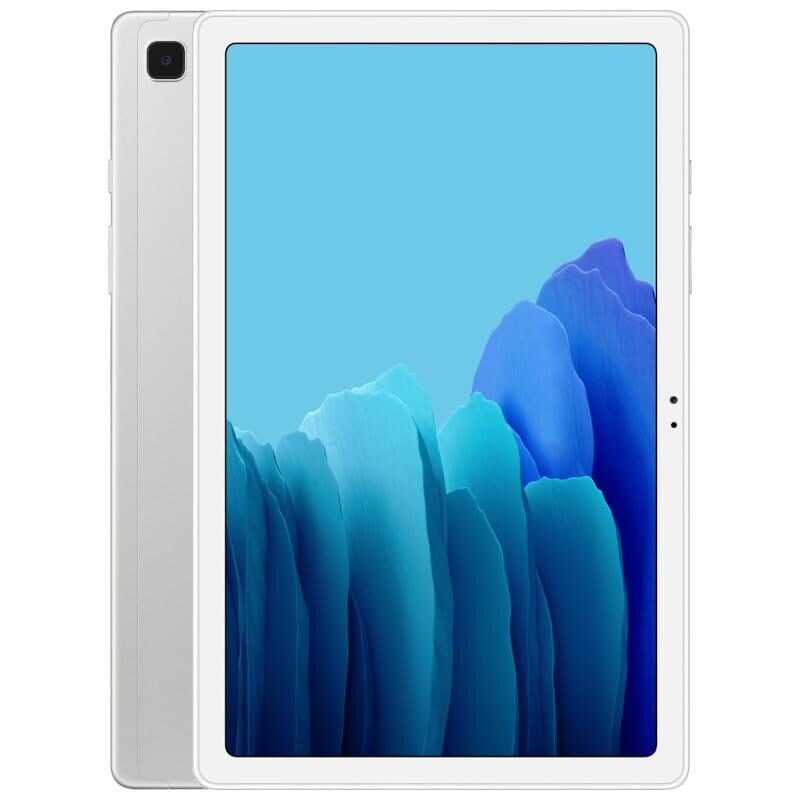
Galaxy Tab S10+ (12.4", 2024) vs Galaxy Tab S7 (11.0", 2020)
Shop Samsung Galaxy Tab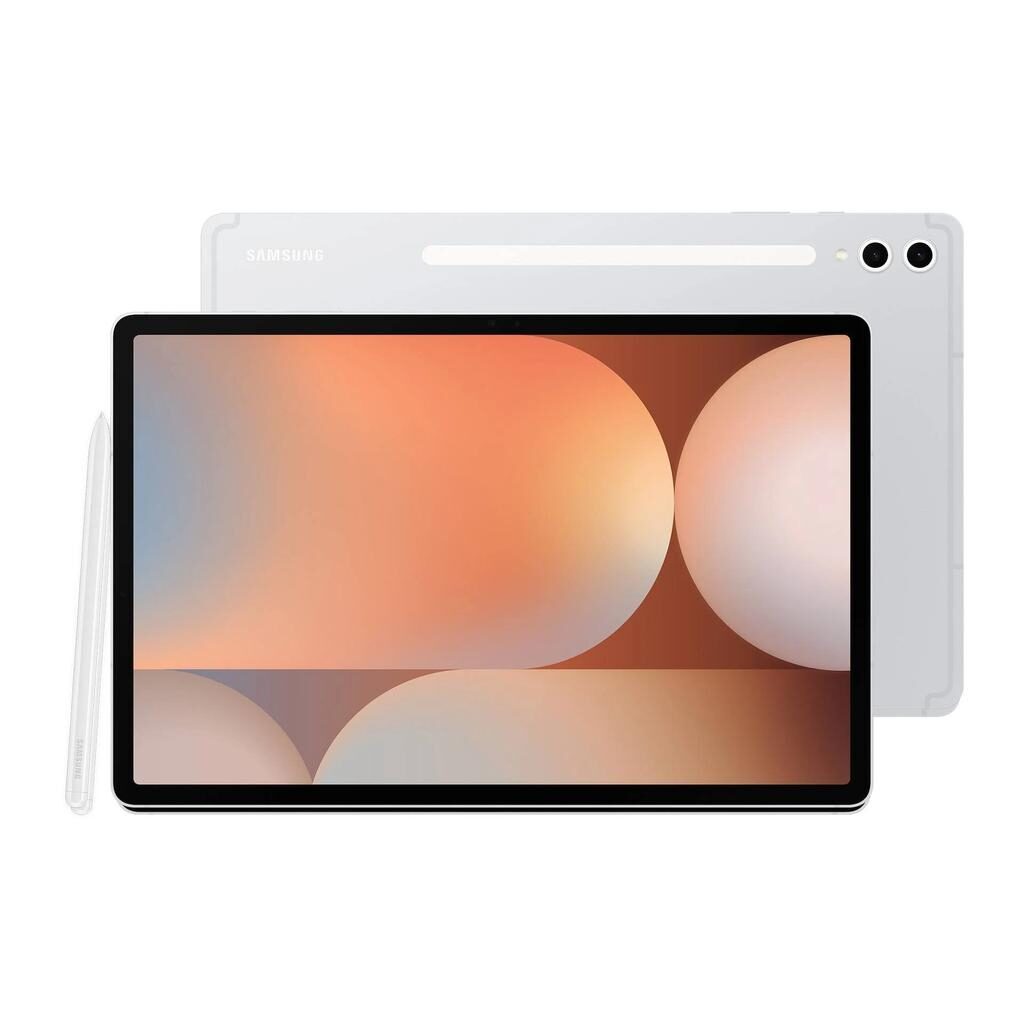
Galaxy Tab S10+ (12.4", 2024)
Starting at
£714.69£919.61 new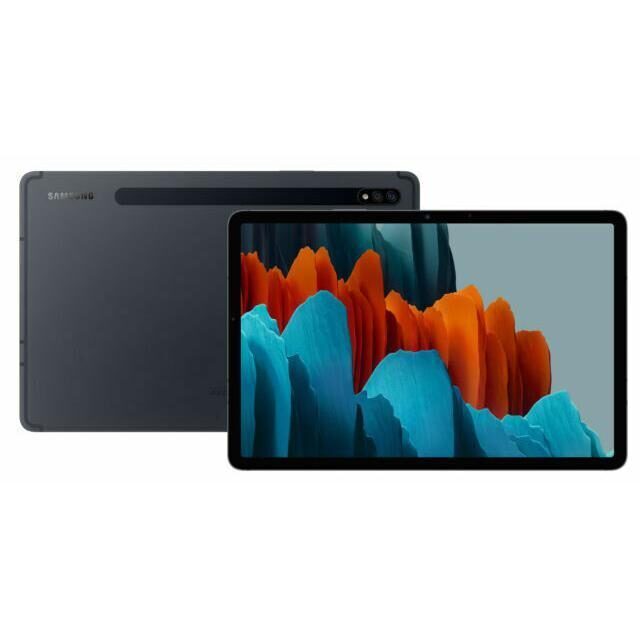
Galaxy Tab S7 (11.0", 2020)
Starting at
£213.40What's the difference between the Galaxy Tab S10+ (12.4", 2024) and Galaxy Tab S7 (11.0", 2020)?
Galaxy Tab S10+ (12.4", 2024) vs Galaxy Tab S7 (11.0", 2020) comes down to the RAM, screen size and screen type. Refurbished, the Galaxy Tab S7 (11.0", 2020) starts at £213.40, £501.29 less than the Galaxy Tab S10+ (12.4", 2024). The Galaxy Tab S10+ (12.4", 2024) is the newer model, released in 2024.
Refurbished from
RAM
Screen size
Screen type
Weight
- The Galaxy Tab S10+ (12.4", 2024) has more RAM: 12 GB vs 6 GB.
- The Galaxy Tab S10+ (12.4", 2024) has a bigger screen: 12.4 inch vs 11.0 inch.
- The Galaxy Tab S10+ (12.4", 2024) has an OLED screen.
Galaxy Tab S10+ (12.4", 2024) vs Galaxy Tab S7 (11.0", 2020) specs
The Galaxy Tab S10+ and the Galaxy Tab S7 differ in screen size, processor, memory, and storage options, among other features. The Galaxy Tab S10+ has a larger 12.4 inch Dynamic AMOLED 2X screen suited for those who want more display space for media or creative work. It also offers more RAM and higher storage capacities, which benefits users running multiple apps or storing large files. The Galaxy Tab S7 has a slightly smaller 11.0 inch TFT LCD screen with a higher pixel density, suitable for users who prefer a compact device with sharp detail. The S7 supports SIM cards, which suits those needing mobile connectivity. Both devices have four stereo speakers and USB Type-C connectors but differ in their supported Android versions and weight. Each device suits different priorities in screen size, performance, and connectivity.
Galaxy Tab S10+ (12.4", 2024) vs Galaxy Tab S7 (11.0", 2020) price
Colour
Galaxy Tab S10+ (12.4", 2024) vs Galaxy Tab S7 (11.0", 2020) battery life and software updates
Durability covers the operating systems each tablet supports and their release years. These details indicate the software environment you can expect from the devices.
Operating System Support
The Galaxy Tab S7 supports Android 13, which still provides a modern experience but is one version behind. Users who prioritise having the freshest Android version may prefer the S10+.
Operating System Type
Both tablets run on the Android operating system. This means you will find a familiar interface and access to the Google Play Store on either device, making app compatibility straightforward.
Release Year Context
The Galaxy Tab S10+ was released in 2024, while the Galaxy Tab S7 came out in 2020. This serves as a reference point for the devices' era but does not affect their features directly.
Battery
Maximum operating system supported
Year of release
Galaxy Tab S10+ (12.4", 2024) vs Galaxy Tab S7 (11.0", 2020) performance
Performance depends on the processor, RAM, and storage options available. These factors affect how smoothly the tablet runs apps and handles multitasking or large files.
Processor Brands and Models
The Galaxy Tab S10+ is powered by a MediaTek Dimensity 9300+ processor, while the Galaxy Tab S7 uses a Qualcomm SM8250 Snapdragon 865 5G+ processor. These processors come from different brands and may handle tasks differently, which matters if you have preferences for specific chipset features or performance traits.
Memory Capacity
With 12 GB of RAM, the Galaxy Tab S10+ supports keeping more apps open and running smoothly when multitasking or using demanding software. The Galaxy Tab S7 has 6 GB of RAM, which suits everyday use and many apps with ease but offers less room for heavy multitasking.
Storage Options
The Galaxy Tab S10+ is stocked with 256GB and 512GB storage options, providing ample space for apps, media, and files. The Galaxy Tab S7 comes in 128GB and 256GB variants, ideal for users with lighter storage needs or those who prefer a lower initial cost.
Chipset
Processor
Processor brand
Processor core
Processor speed ghz
RAM
Galaxy Tab S10+ (12.4", 2024) vs Galaxy Tab S7 (11.0", 2020) screen
Screen quality differs in size, type, resolution, and pixel density. These features influence how content looks and how much space you have for work or entertainment.
Screen Size and Type
The Galaxy Tab S10+ features a larger 12.4 inch Dynamic AMOLED 2X screen, which tends to offer vibrant colours and deep contrast, making it well suited for video, art, and media consumption. The Galaxy Tab S7 has an 11.0 inch TFT LCD screen, a bit smaller and with a different display technology that works well for general use and portability.
Resolution and Pixel Density
The Galaxy Tab S10+ has a resolution of 1752 x 2800 pixels, giving a lot of screen real estate and sharp images. The Galaxy Tab S7's resolution is 1600 x 2560 pixels, with a slightly higher pixel density of 280 ppp compared to 270 ppp on the S10+. This means the S7 may produce a marginally crisper image per inch, which benefits users focusing on detailed visuals in a smaller space.
Display glass
Pixel density
Refresh rate
Resolution
Screen size
Screen type
Galaxy Tab S10+ (12.4", 2024) vs Galaxy Tab S7 (11.0", 2020) camera
Audiovisual features focus on speakers and webcams. Both devices offer stereo sound and front-facing cameras, supporting calls and media playback.
Speakers
Both the Galaxy Tab S10+ and Galaxy Tab S7 include four stereo speakers. This setup delivers balanced sound for watching videos, gaming, or video calls, making either tablet suitable for multimedia use.
Webcam
Each tablet comes with a built-in webcam, enabling video calls and self-portraits. The inclusion of webcams on both devices supports communication and content creation without needing external accessories.
Front camera
Front camera definition
Main camera
Rear camera definition
Speakers
Video recording
Webcam
Galaxy Tab S10+ (12.4", 2024) vs Galaxy Tab S7 (11.0", 2020) size and design
This section covers additional details like carrier compatibility, connectors, and weight, which can affect how you use and carry the tablet.
Carrier Compatibility
The Galaxy Tab S7 is unlocked and supports SIM cards, allowing mobile data connectivity on the go. The Galaxy Tab S10+ does not have a SIM port, which suits users who primarily rely on Wi-Fi connections.
Connector Type
Both tablets use USB Type-C connectors, supporting modern charging and data transfer standards. This consistency means either device works easily with many current accessories and chargers.
Weight
The Galaxy Tab S10+ weighs 129 g, noticeably lighter than the Galaxy Tab S7's 500 g. The lighter weight of the S10+ makes it easier to carry and hold for extended periods, which benefits users who use their tablet frequently on the move.
120hz
Bluetooth version
Carrier compatibility
Connector
Depth
Double sim
Headphones connectivity
Height
Megapixels
Network
Sim format
Touch
Weight
Width
Wifi technology
With stylus pencil
Galaxy Tab S10+ (12.4", 2024) or Galaxy Tab S7 (11.0", 2020): which should you buy?
Buy the Galaxy Tab S10+ (12.4", 2024) if
- you want more RAM (12 GB vs 6 GB)
- you want a bigger screen (12.4 inch vs 11.0 inch)
- you want an OLED screen
Buy the Galaxy Tab S7 (11.0", 2020) if
- you want to spend less: it starts at £213.40, £501.29 less than the Galaxy Tab S10+ (12.4", 2024)
What our customers say
Customers of the Galaxy Tab S10+ praise its condition and performance, noting it often looks almost new with minimal marks. Many highlight the larger screen size as ideal for artists and creative work, appreciating the balance between portability and workspace. The device's storage and memory receive positive remarks for handling apps well, with battery life considered sufficient for everyday use. Overall, buyers are pleased with the tablet's smooth operation and quality.
Reviews for the Galaxy Tab S7 show a mix of experiences. Some customers are very happy with the tablet's performance, screen quality, and condition, describing it as clean and functioning well for daily tasks. Others mention minor issues like marks or regional software versions, but many find the device reliable and suitable for their needs. The unlocked version with SIM support is valued by users needing mobile connectivity. Many appreciate the screen's sharpness and the tablet's smooth running apps.
Both tablets attract users with different priorities: the Galaxy Tab S10+ suits those wanting a larger, lighter device with higher memory and storage, while the Galaxy Tab S7 appeals to those preferring a compact tablet with SIM support and sharp display detail.
Galaxy Tab S10+ (12.4", 2024) vs Galaxy Tab S7 (11.0", 2020) FAQs
Galaxy Tab S10+ (12.4", 2024) vs Galaxy Tab S7 (11.0", 2020) comes down to the RAM, screen size and screen type. The Galaxy Tab S10+ (12.4", 2024) has more RAM: 12 GB vs 6 GB. The Galaxy Tab S10+ (12.4", 2024) has a bigger screen: 12.4 inch vs 11.0 inch.
The Galaxy Tab S7 (11.0", 2020) is cheaper refurbished, from £213.40 compared with £714.69 for the Galaxy Tab S10+ (12.4", 2024).
The Galaxy Tab S10+ (12.4", 2024) adds more RAM (12 GB vs 6 GB), a bigger screen (12.4 inch vs 11.0 inch) and an OLED screen. Refurbished, it costs £501.29 more (from £714.69 vs £213.40).
Refurbished, the Galaxy Tab S10+ (12.4", 2024) comes in 256GB and 512GB, and the Galaxy Tab S7 (11.0", 2020) in 128GB and 256GB.