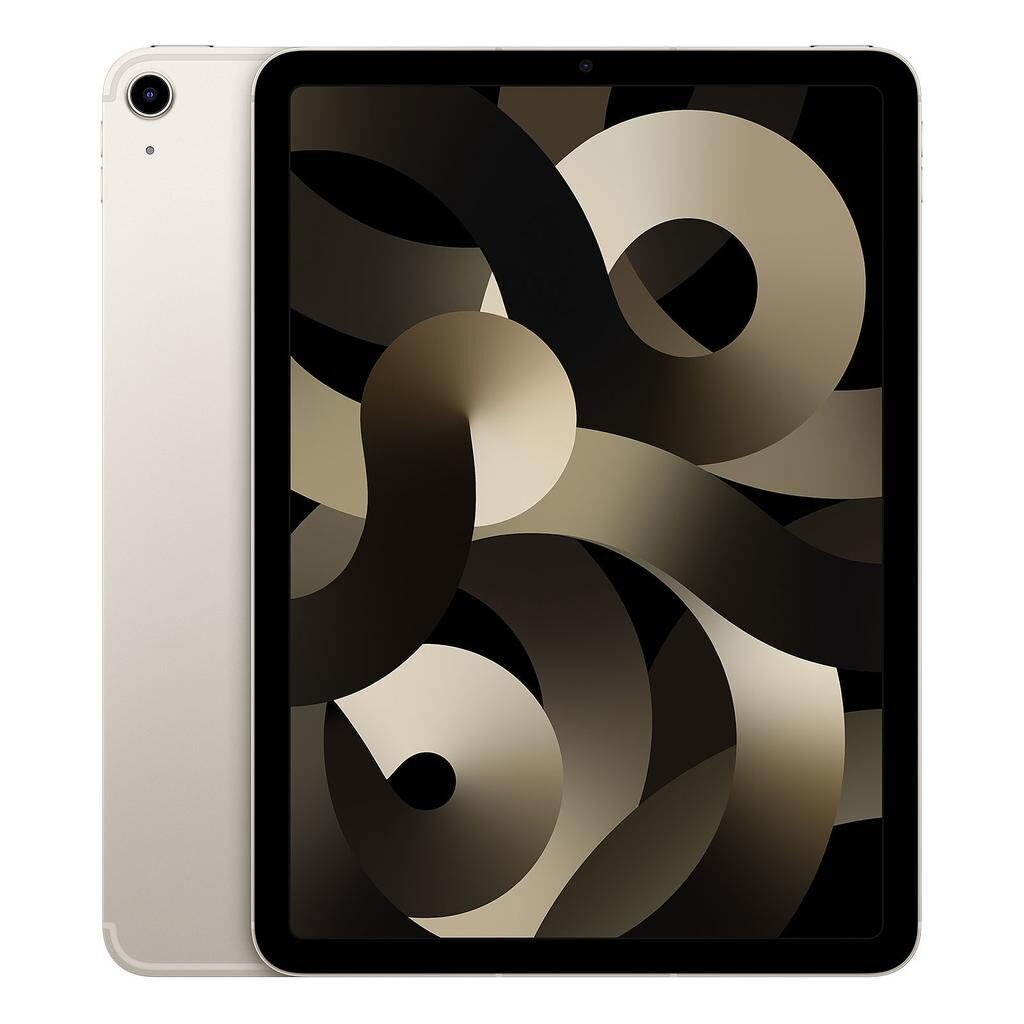
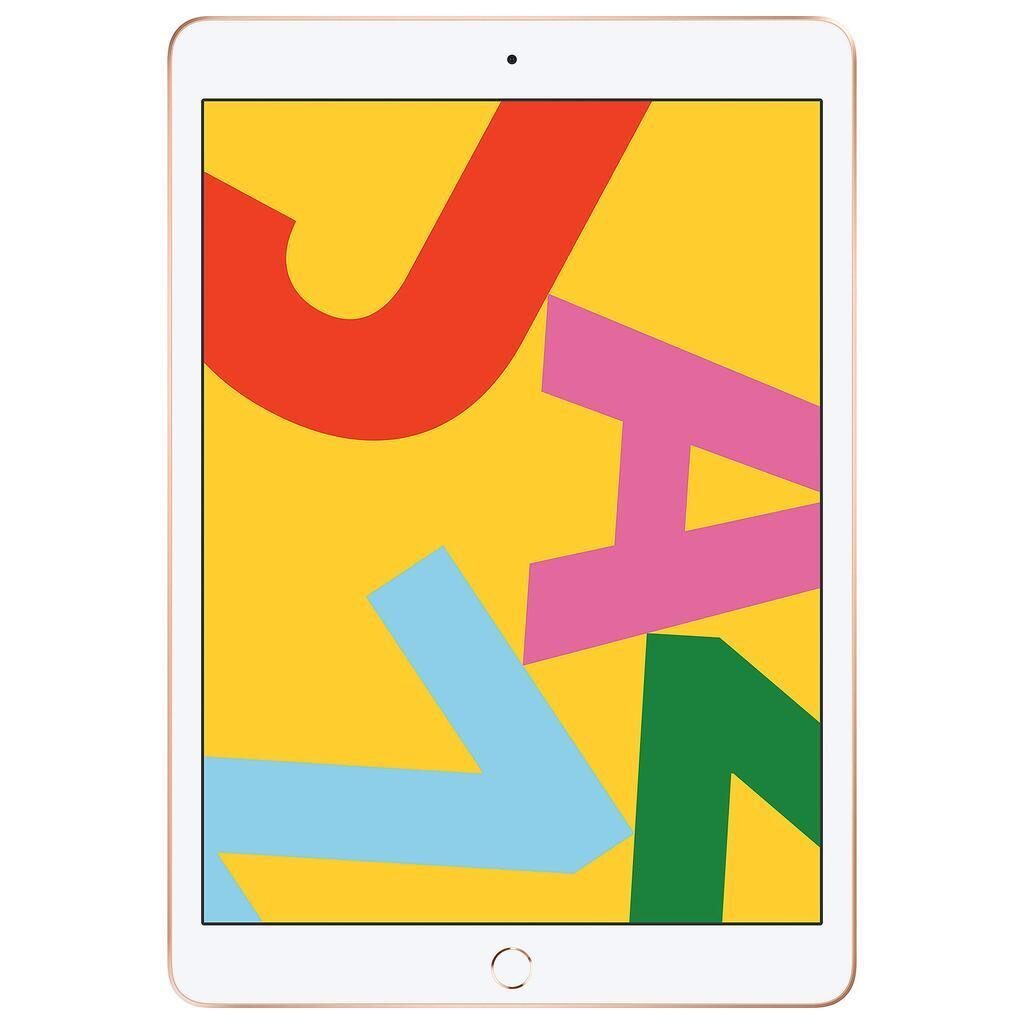
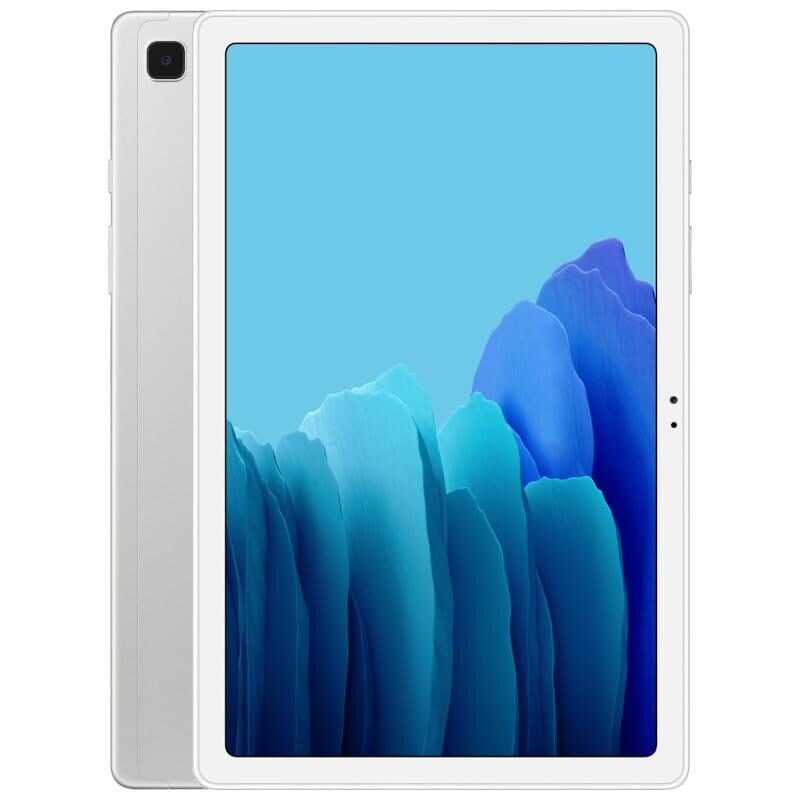
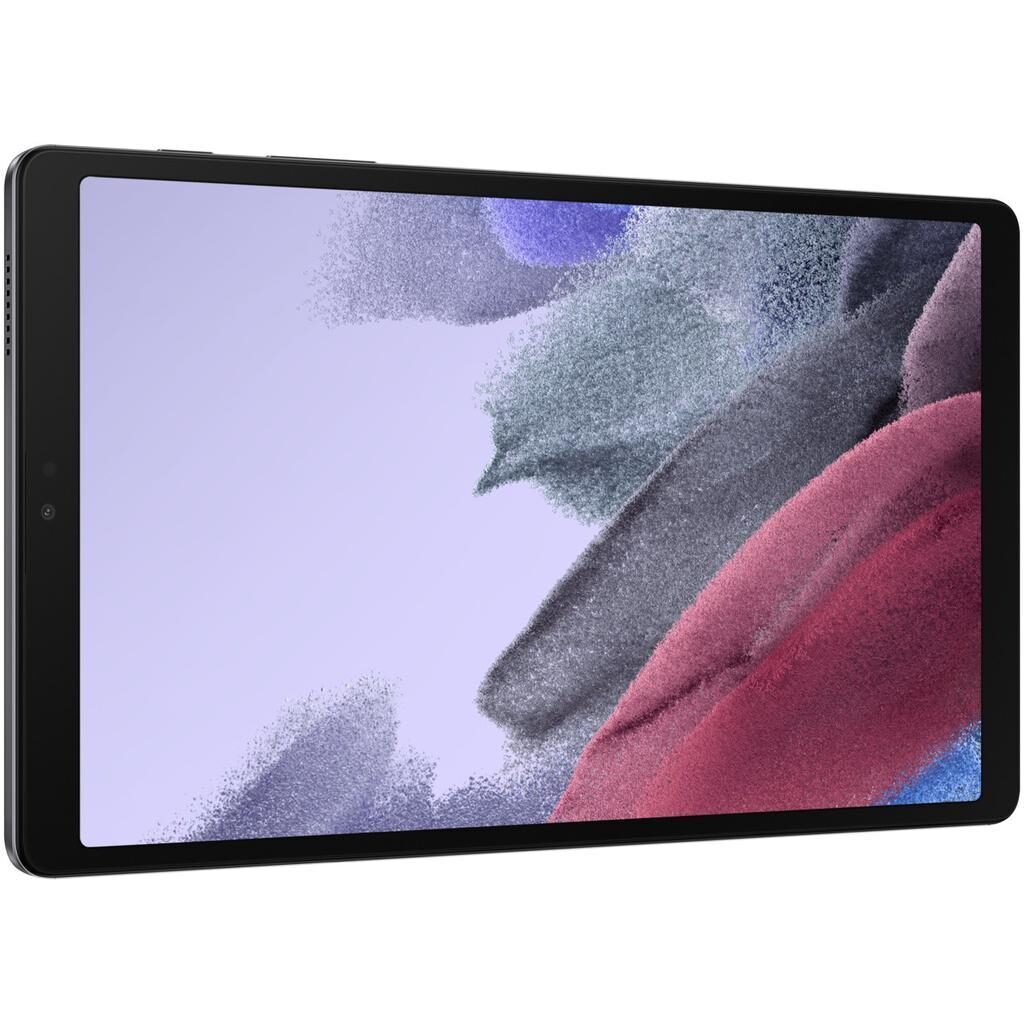
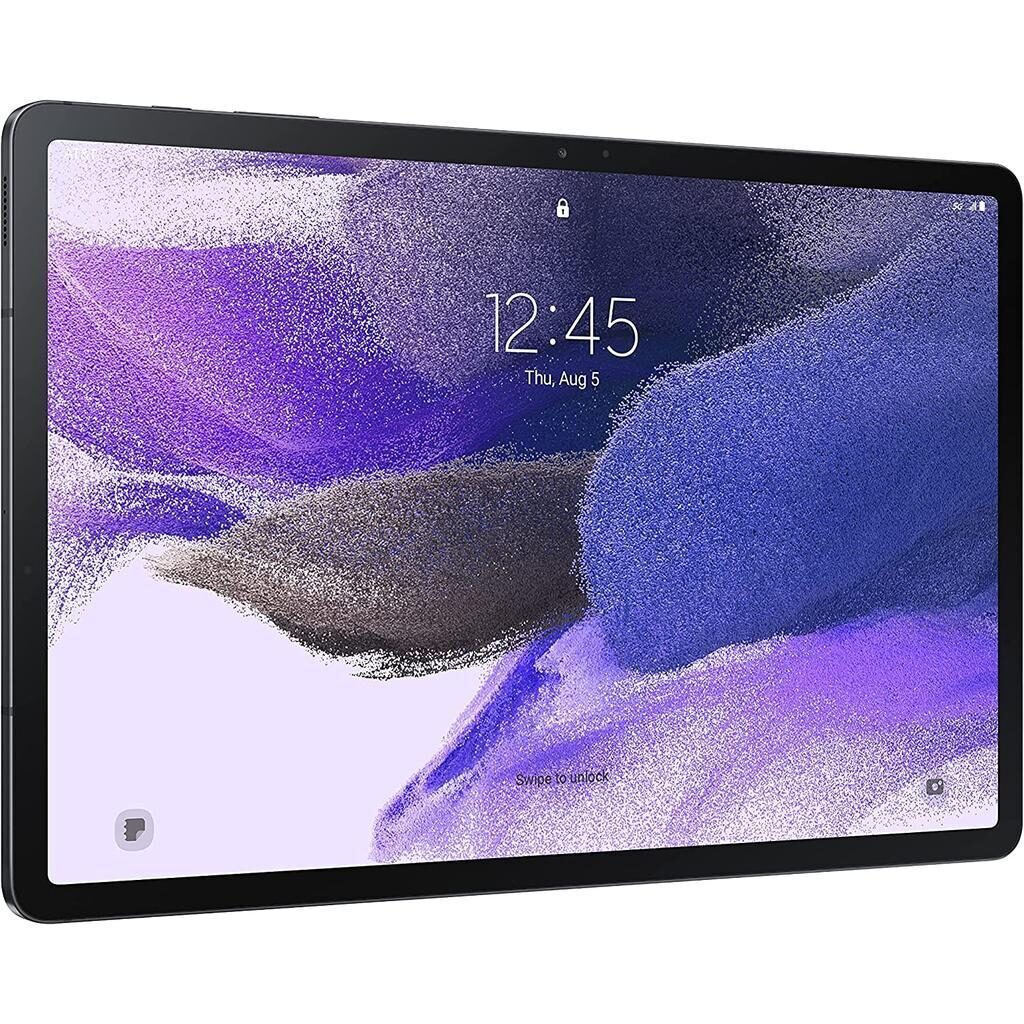
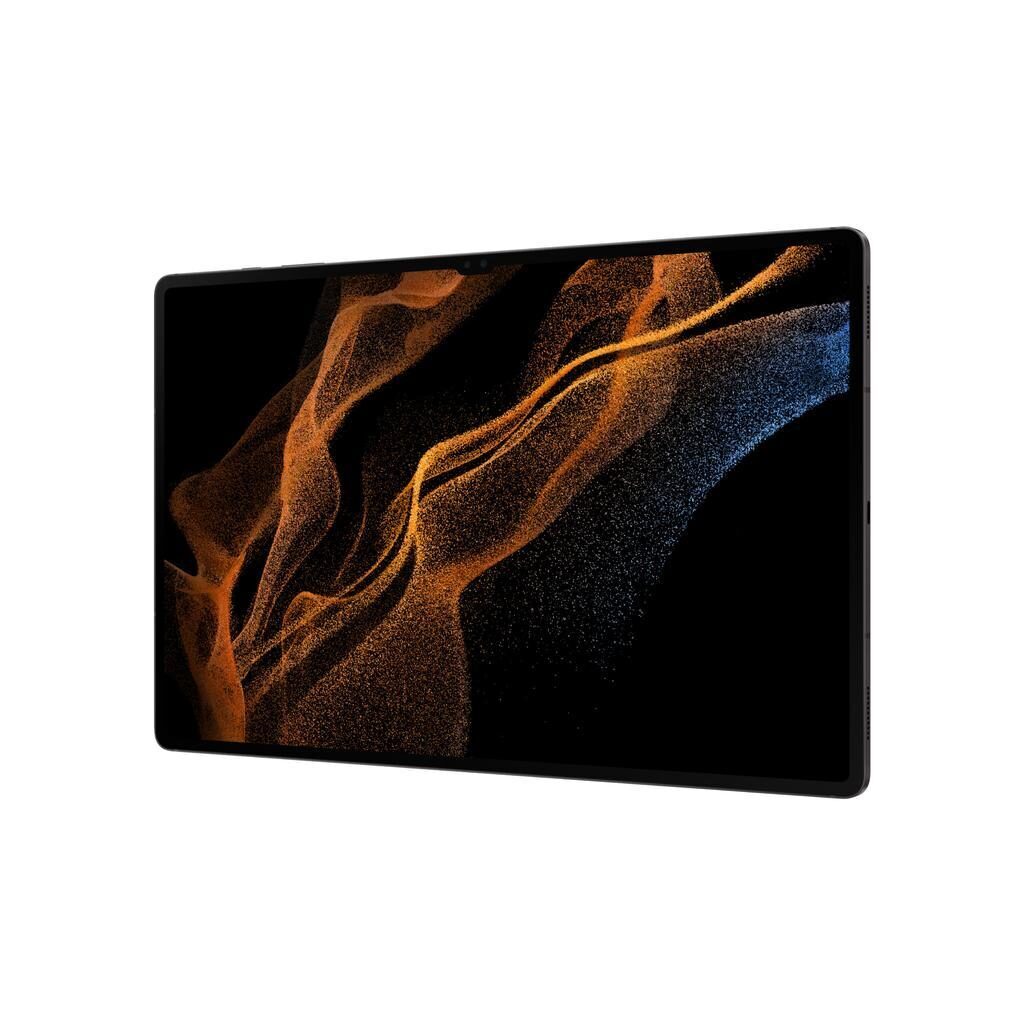
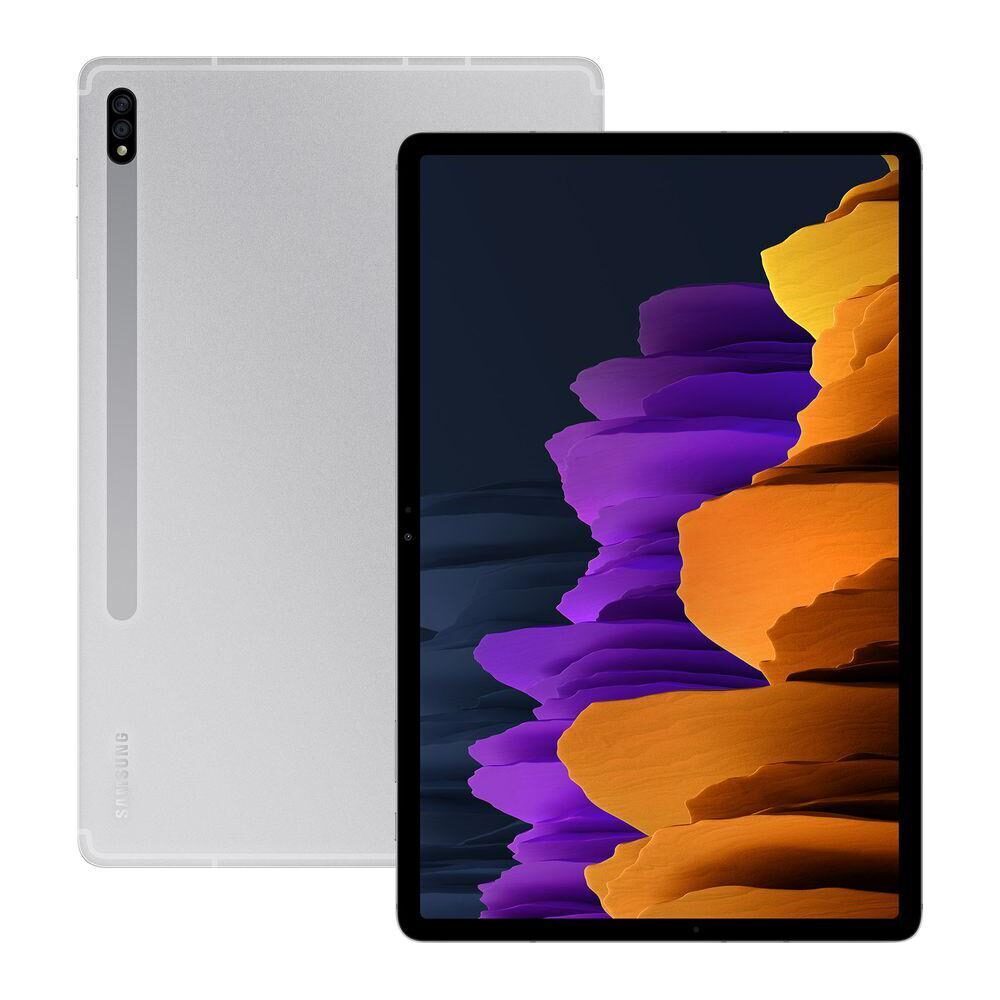
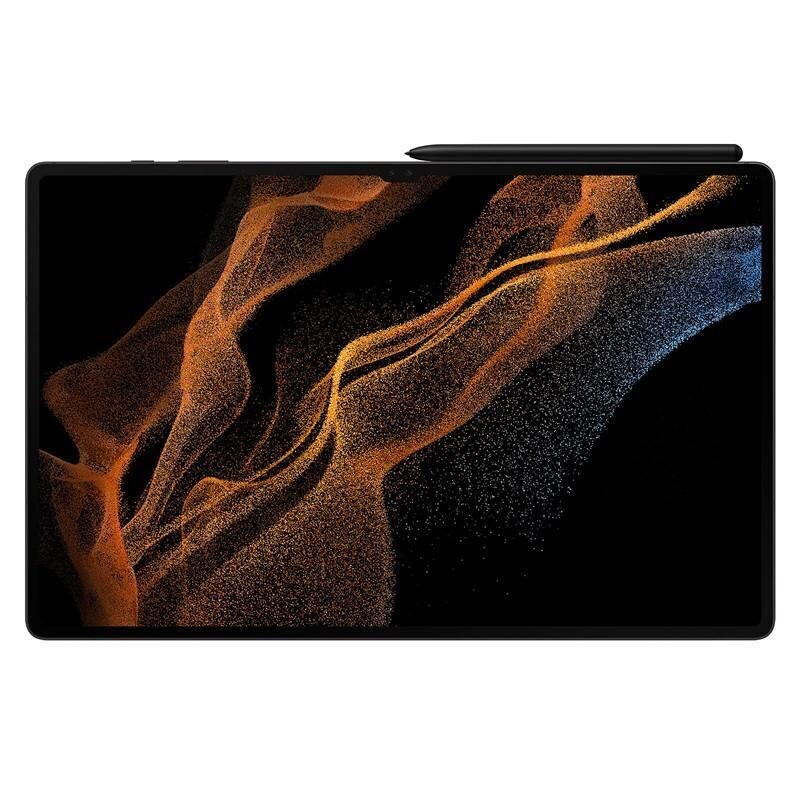
Galaxy Tab A8 (10.5", 2021) vs Galaxy Tab S7 (11.0", 2020)
Shop Samsung Galaxy Tab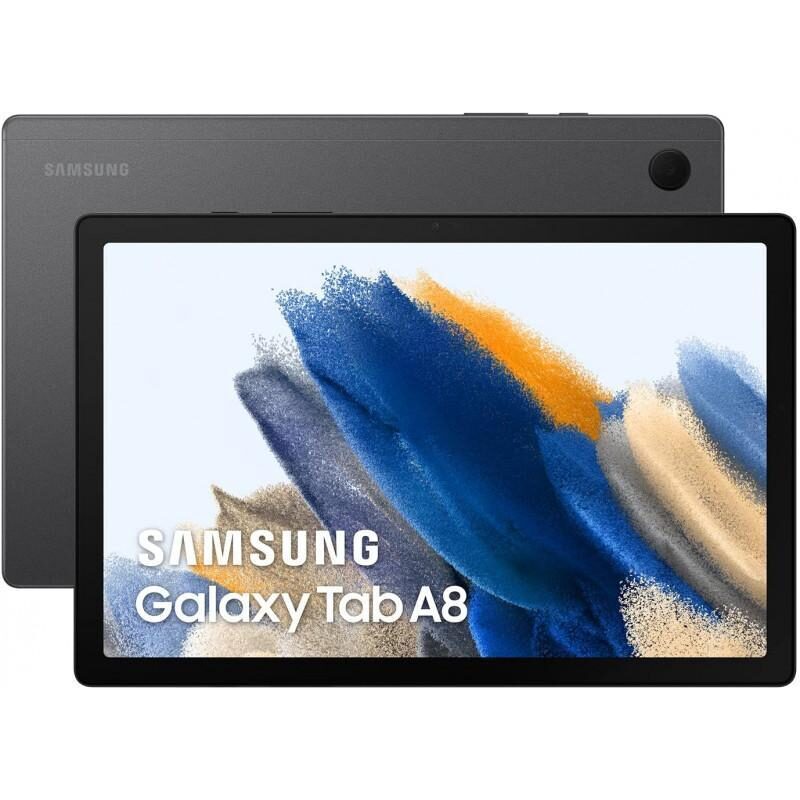
Galaxy Tab A8 (10.5", 2021)
Starting at
£100.00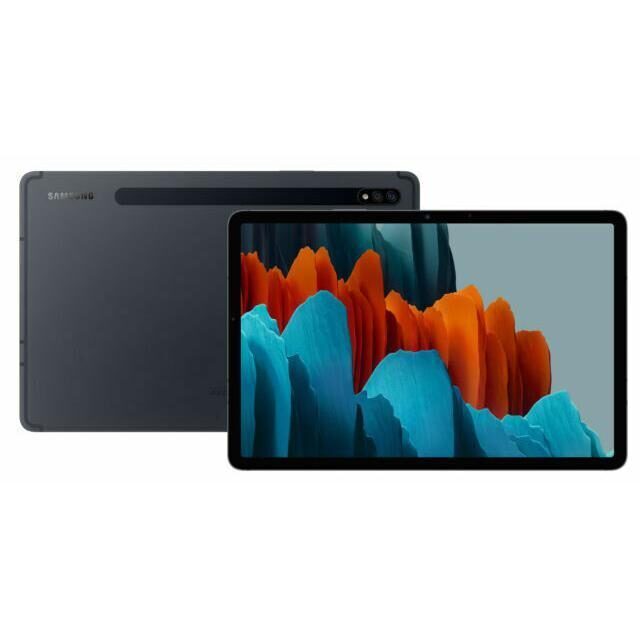
Galaxy Tab S7 (11.0", 2020)
Starting at
£213.40What's the difference between the Galaxy Tab A8 (10.5", 2021) and Galaxy Tab S7 (11.0", 2020)?
Galaxy Tab A8 (10.5", 2021) vs Galaxy Tab S7 (11.0", 2020) comes down to the RAM, screen size and refresh rate. Refurbished, the Galaxy Tab A8 (10.5", 2021) starts at £100, £113.40 less than the Galaxy Tab S7 (11.0", 2020). The Galaxy Tab A8 (10.5", 2021) is the newer model, released in 2021.
Refurbished from
RAM
Screen size
Refresh rate
Weight
- The Galaxy Tab S7 (11.0", 2020) has more RAM: 6 GB vs 3 GB.
- The Galaxy Tab S7 (11.0", 2020) has a bigger screen: 11.0 inch vs 10.5 inch.
- The Galaxy Tab S7 (11.0", 2020) has a smoother screen: 120 Hz vs 60 Hz.
Galaxy Tab A8 (10.5", 2021) vs Galaxy Tab S7 (11.0", 2020) specs
The Galaxy Tab A8 (10.5", 2021) and Galaxy Tab S7 (11.0", 2020) offer distinct experiences for different users. The Tab A8 suits everyday use with its support for Android 14, simpler processor, and 3 GB of RAM, while the Tab S7 focuses on higher performance with a Snapdragon 865 5G+ processor and 6 GB of RAM. The Tab S7 has a larger, sharper screen with a higher refresh rate, ideal for watching video or smooth scrolling. Both have four stereo speakers and USB Type-C connectors. Storage options vary with the Tab A8 offering up to 64GB and the Tab S7 up to 256GB. Choose the Tab A8 if you want a recent OS and basic power, or the Tab S7 for more speed and screen quality.
Galaxy Tab A8 (10.5", 2021) vs Galaxy Tab S7 (11.0", 2020) price
Colour
Galaxy Tab A8 (10.5", 2021) vs Galaxy Tab S7 (11.0", 2020) battery life and software updates
Durability here means how long the tablets will keep receiving software updates, which is important for security and new features.
Operating System Updates
The Galaxy Tab S7 supports up to Android 13, which means its software updates have a narrower range.
Battery
Maximum operating system supported
Year of release
Galaxy Tab A8 (10.5", 2021) vs Galaxy Tab S7 (11.0", 2020) performance
Performance covers how fast the tablets run apps and handle multitasking. The Galaxy Tab S7 has a faster processor and more RAM, while the Galaxy Tab A8 offers smaller storage options and simpler hardware.
Processing Power
The Galaxy Tab S7 uses the Qualcomm SM8250 Snapdragon 865 5G+ processor, delivering stronger performance for demanding tasks like gaming or video editing. The Galaxy Tab A8 has the Unisoc Tiger T618, which fits everyday uses such as browsing, streaming, and basic apps smoothly.
Memory Size
With 6 GB of RAM, the Galaxy Tab S7 can keep more apps open at once and handle multitasking with ease. The Galaxy Tab A8 has 3 GB of RAM, which suits simpler use like reading, watching videos, and light app use.
Storage Options
The Galaxy Tab S7 offers larger storage choices with 128GB and 256GB, suitable for storing lots of apps, photos, videos, and files. The Galaxy Tab A8 comes with 32GB or 64GB, which works well if you mainly stream content or use cloud storage.
Chipset
Processor
Processor brand
Processor core
Processor speed ghz
RAM
Galaxy Tab A8 (10.5", 2021) vs Galaxy Tab S7 (11.0", 2020) screen
Screen quality affects viewing comfort and visual detail. The Galaxy Tab S7 has a larger and sharper display with a higher refresh rate, making it better for video and smooth movements. The Galaxy Tab A8's screen is slightly smaller and less dense, good for everyday tasks.
Screen Size and Resolution
The Galaxy Tab S7's 11.0 inch screen with 1600 x 2560 resolution offers more space and sharper images, which benefits watching videos or working with detailed content. The Galaxy Tab A8 has a 10.5 inch screen with 1200 x 1920 resolution, providing a clear but less detailed picture, suitable for reading and casual use.
Pixel Density
At 280 ppi, the Galaxy Tab S7 delivers crisper visuals, making text and images look sharper. The Galaxy Tab A8's 220 ppi still shows clear images but with less fine detail, which is fine for general browsing and media.
Refresh Rate
The Galaxy Tab S7 supports 120 Hz refresh rate, which means smoother scrolling and animations, useful for gaming or watching fast-moving content. The Galaxy Tab A8 runs at 60 Hz, which is standard for everyday use like reading and video calls.
Display glass
Pixel density
Refresh rate
Resolution
Screen size
Screen type
Galaxy Tab A8 (10.5", 2021) vs Galaxy Tab S7 (11.0", 2020) camera
Both tablets offer similar audiovisual features, with four stereo speakers and a webcam, supporting clear sound and video calls.
Speakers and Webcam
Both the Galaxy Tab A8 and Tab S7 have four stereo speakers, providing balanced sound for media and calls. Each also includes a webcam, making them suitable for video conferencing or casual selfies.
Front camera
Front camera definition
Main camera
Rear camera definition
Speakers
Video recording
Webcam
Galaxy Tab A8 (10.5", 2021) vs Galaxy Tab S7 (11.0", 2020) size and design
Other features include connectivity options, camera quality, and weight. Both tablets offer USB Type-C connectors and come unlocked for use with any carrier.
Camera Quality
The Galaxy Tab S7 has a 13 megapixel camera, capturing more detail in photos. The Galaxy Tab A8 has two cameras with 8 and 5 megapixels, which work well for casual photography and video calls.
Weight and Port
Both tablets weigh around 500 grams, making them easy to hold for long periods. Both use USB Type-C connectors for charging and accessories, a common and convenient standard.
Carrier and SIM
Both tablets are unlocked and do not support double SIM cards, so you can use them with any UK carrier but only with one SIM at a time.
120hz
Bluetooth version
Carrier compatibility
Connector
Depth
Double sim
Headphones connectivity
Height
Megapixels
Sim format
Touch
Weight
Width
Wifi technology
With stylus pencil
Galaxy Tab A8 (10.5", 2021) or Galaxy Tab S7 (11.0", 2020): which should you buy?
Buy the Galaxy Tab A8 (10.5", 2021) if
- you want to spend less: it starts at £100, £113.40 less than the Galaxy Tab S7 (11.0", 2020)
- you want the newer model (2021)
Buy the Galaxy Tab S7 (11.0", 2020) if
- you want more RAM (6 GB vs 3 GB)
- you want a bigger screen (11.0 inch vs 10.5 inch)
- you want a smoother screen (120 Hz vs 60 Hz)
What our customers say
Customers of the Galaxy Tab A8 report satisfaction with its ease of use and quality for the price paid. Many highlight its smooth connection with accessories like keyboards and mice and describe it as a good gift choice. Some mention the battery life is not exceptional but generally find the tablet works well and looks like new. The tablet suits users who want a reliable device for everyday tasks and simple media use.
Reviews for the Galaxy Tab S7 focus on its strong performance and screen quality. Customers appreciate the smooth app operation, good battery life, and larger, sharper screen. Some note minor marks but still find the device functions perfectly. A few customers mention issues with the software version or condition but most are happy with the tablet's speed and storage capacity. The Tab S7 is suited to users who want a faster, more capable tablet with a better screen for multimedia and multitasking.
Overall, the Galaxy Tab A8 appeals to those needing a straightforward tablet with recent software support, while the Galaxy Tab S7 fits those prioritising performance and screen quality.
Galaxy Tab A8 (10.5", 2021) vs Galaxy Tab S7 (11.0", 2020) FAQs
Galaxy Tab A8 (10.5", 2021) vs Galaxy Tab S7 (11.0", 2020) comes down to the RAM, screen size and refresh rate. The Galaxy Tab S7 (11.0", 2020) has more RAM: 6 GB vs 3 GB. The Galaxy Tab S7 (11.0", 2020) has a bigger screen: 11.0 inch vs 10.5 inch.
The Galaxy Tab A8 (10.5", 2021) is cheaper refurbished, from £100 compared with £213.40 for the Galaxy Tab S7 (11.0", 2020).
The Galaxy Tab A8 (10.5", 2021) is newer, but the main specs we compare are the same. Refurbished, it costs £113.40 less (from £100 vs £213.40).
Refurbished, the Galaxy Tab A8 (10.5", 2021) comes in 32GB and 64GB, and the Galaxy Tab S7 (11.0", 2020) in 128GB and 256GB.