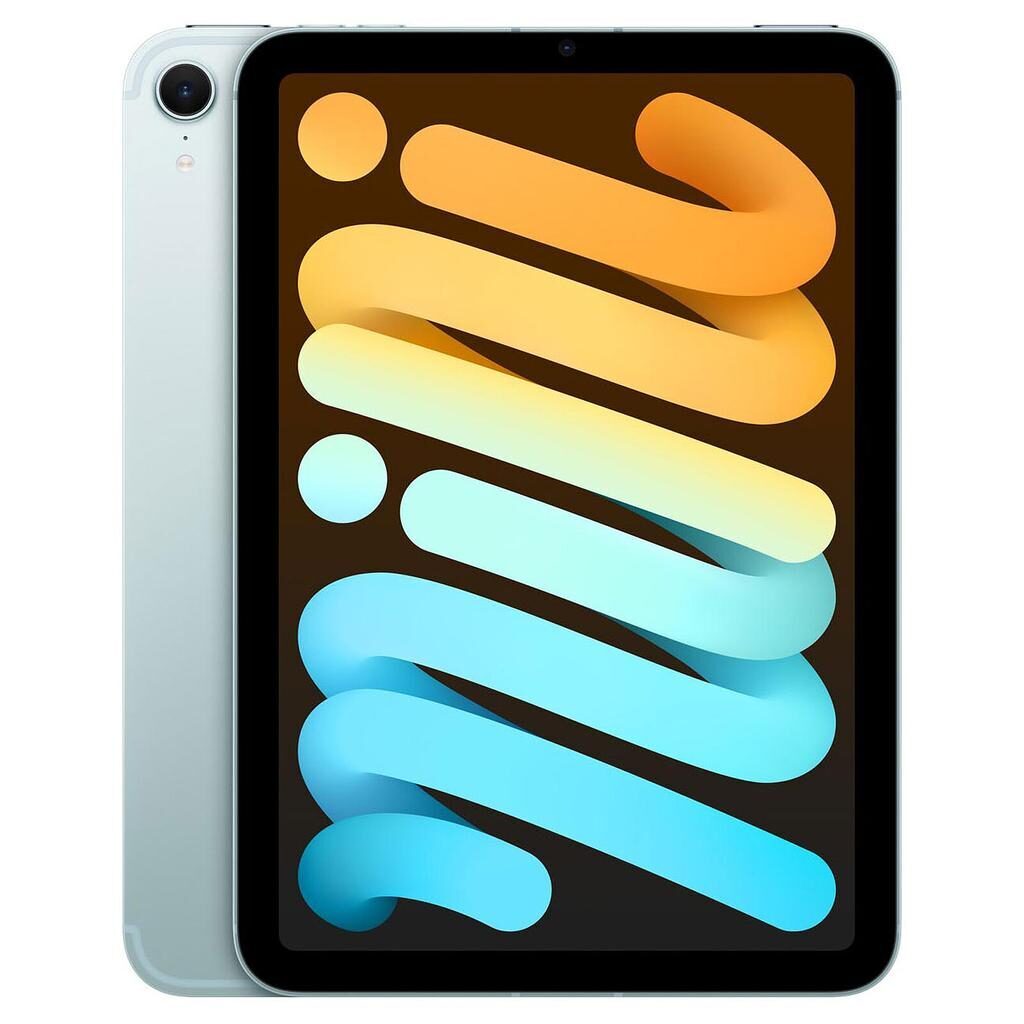
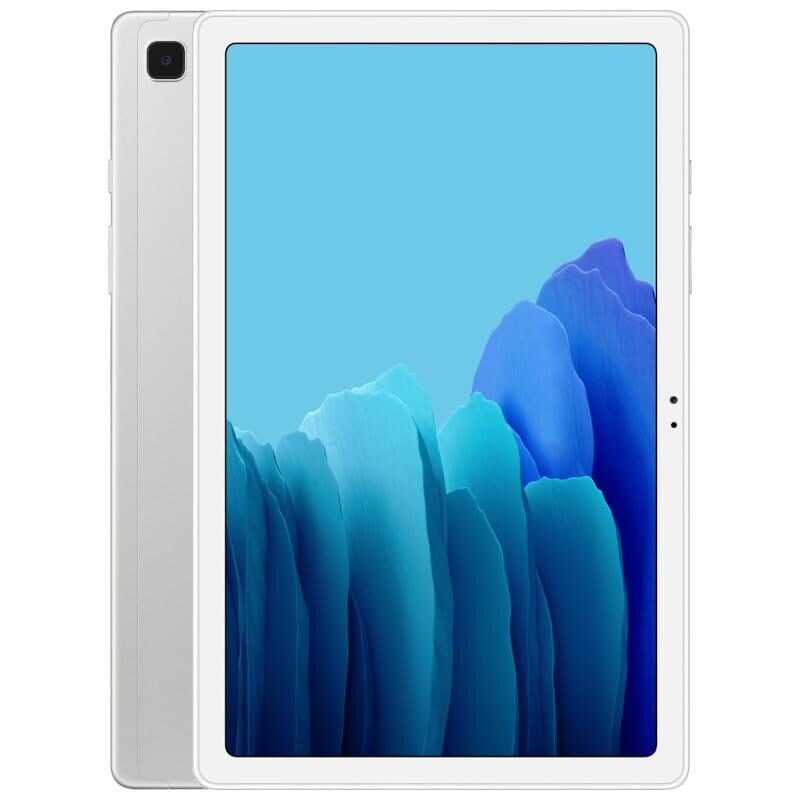
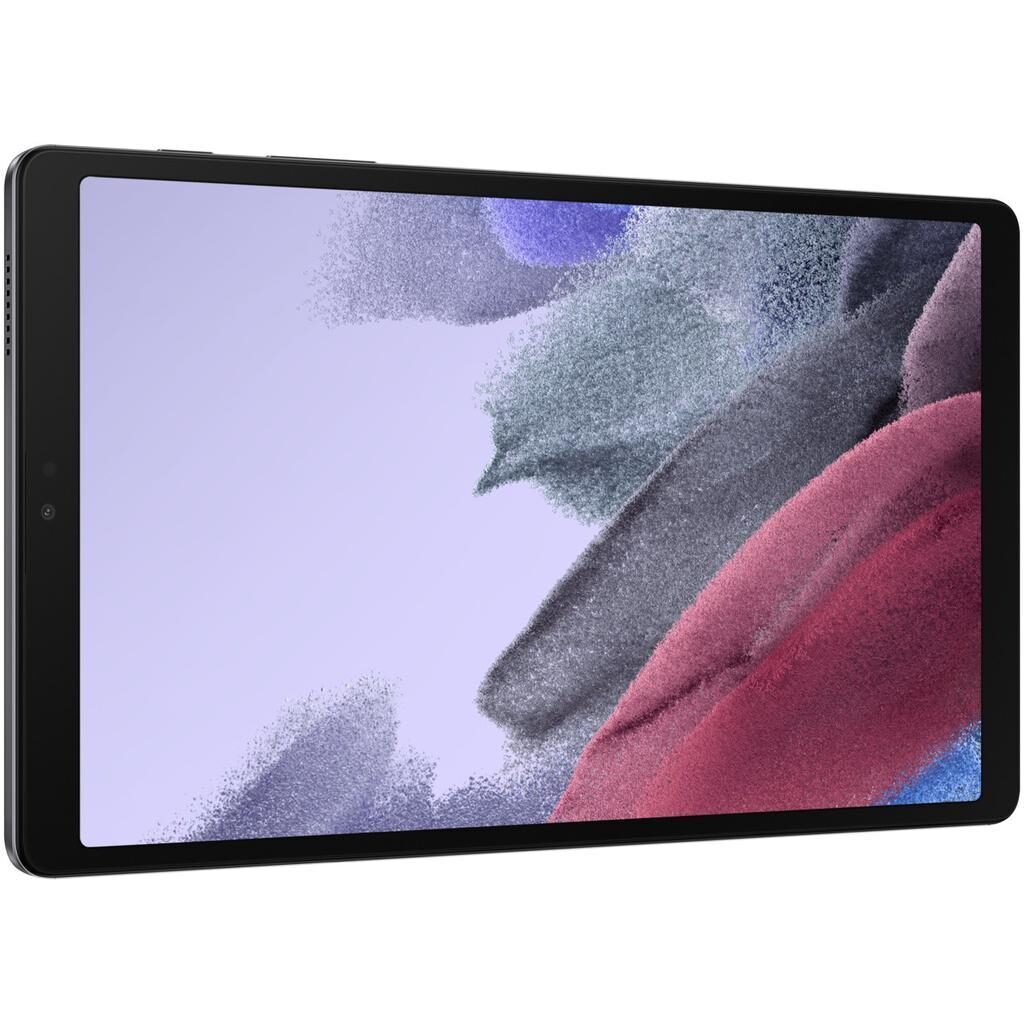
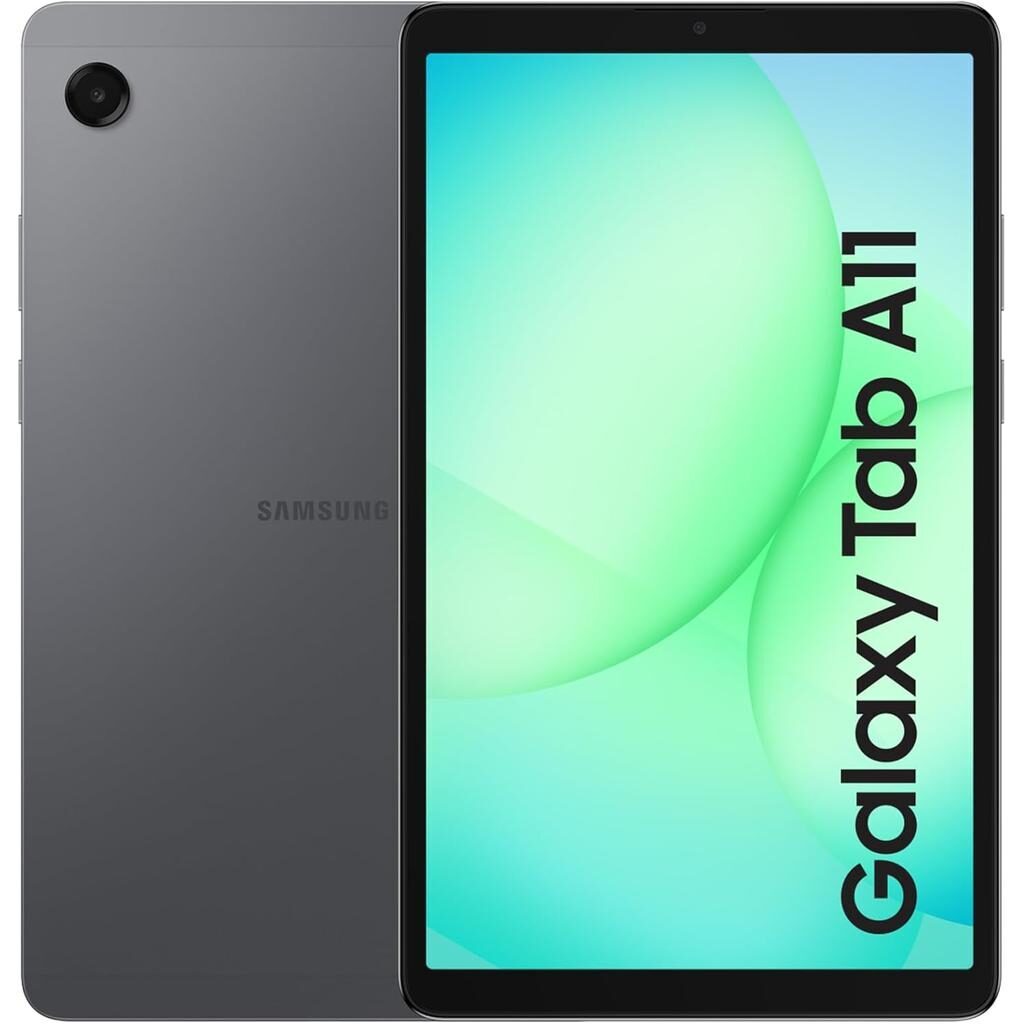
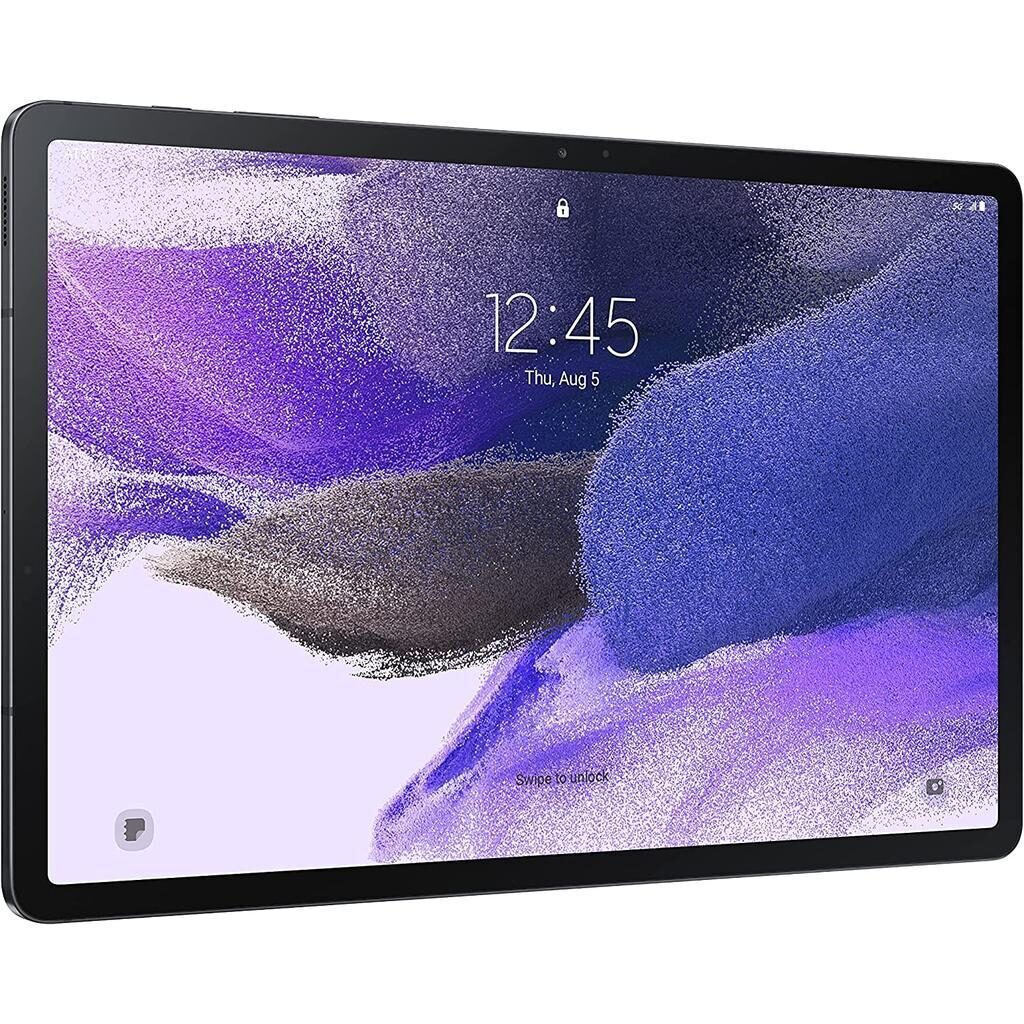
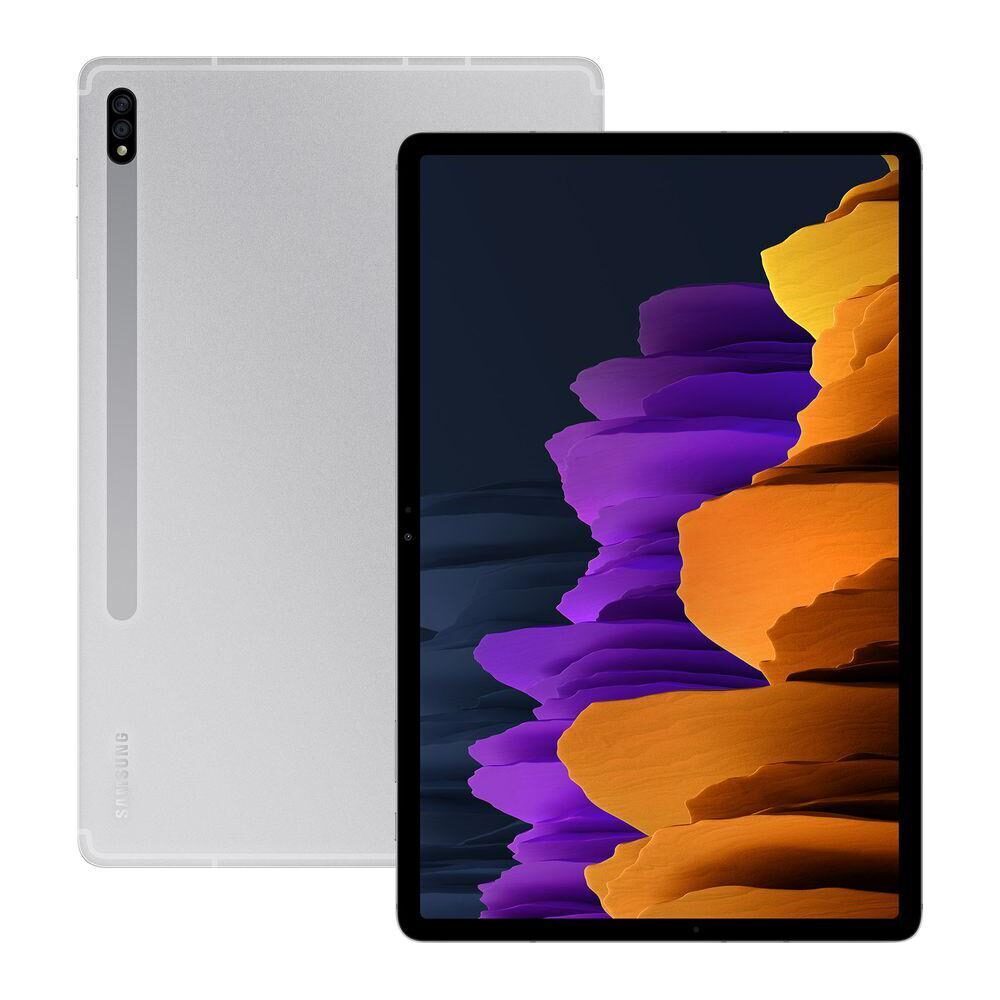
Galaxy Tab S10 Lite (10.9", 2025) vs Galaxy Tab S7 (11.0", 2020)
Shop Samsung Galaxy Tab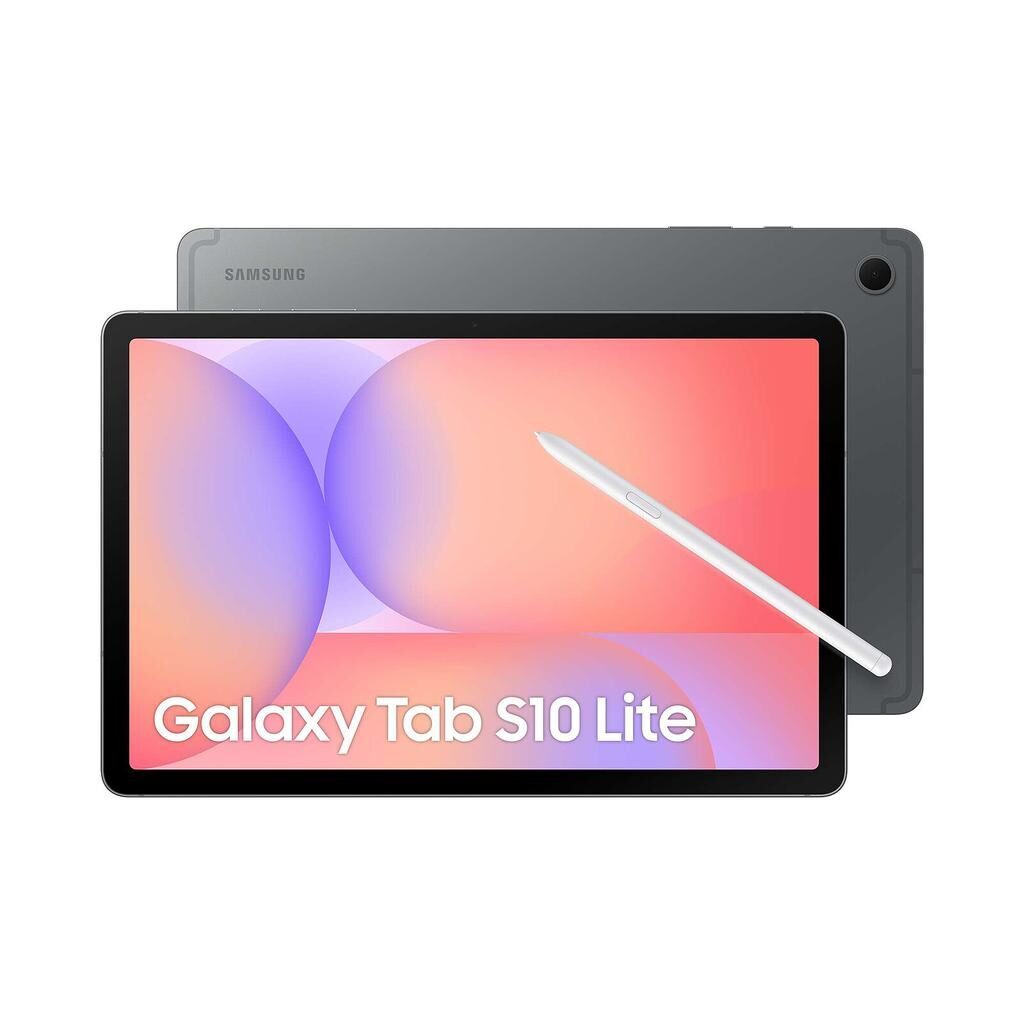
Galaxy Tab S10 Lite (10.9", 2025)
Starting at
£272.80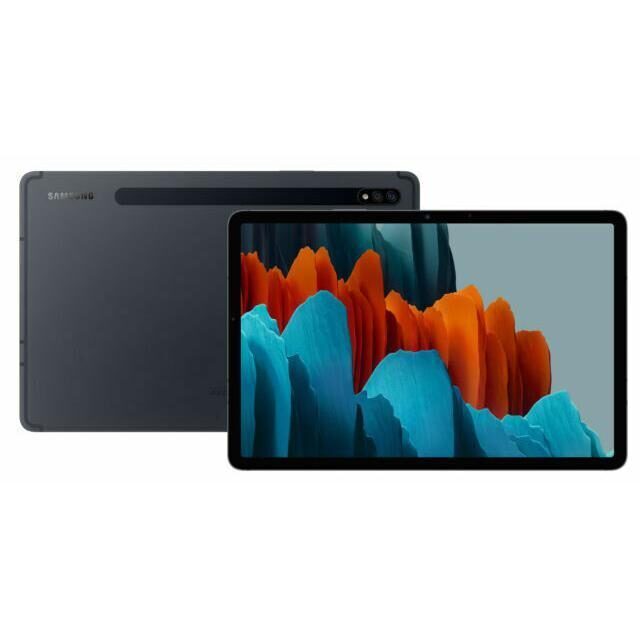
Galaxy Tab S7 (11.0", 2020)
Starting at
£213.40What's the difference between the Galaxy Tab S10 Lite (10.9", 2025) and Galaxy Tab S7 (11.0", 2020)?
Galaxy Tab S10 Lite (10.9", 2025) vs Galaxy Tab S7 (11.0", 2020) comes down to the chipset, RAM and screen size. Refurbished, the Galaxy Tab S7 (11.0", 2020) starts at £213.40, £59.40 less than the Galaxy Tab S10 Lite (10.9", 2025). The Galaxy Tab S10 Lite (10.9", 2025) is the newer model, released in 2025.
Refurbished from
Chipset
RAM
Screen size
Screen type
Refresh rate
- Chipset: Exynos 1380 (5 nm) on the Galaxy Tab S10 Lite (10.9", 2025), Qualcomm SM8250 Snapdragon 865 5G+ (7 nm+) on the Galaxy Tab S7 (11.0", 2020).
- The Galaxy Tab S10 Lite (10.9", 2025) has more RAM: 8 GB vs 6 GB.
- Screen size: 10.9 inch on the Galaxy Tab S10 Lite (10.9", 2025), 11.0 inch on the Galaxy Tab S7 (11.0", 2020).
Galaxy Tab S10 Lite (10.9", 2025) vs Galaxy Tab S7 (11.0", 2020) specs
The Galaxy Tab S10 Lite and Galaxy Tab S7 differ in key areas that influence everyday use. The Galaxy Tab S10 Lite offers a slightly smaller 10.9 inch screen with higher resolution and a 90 Hz refresh rate, suitable for users who want sharp visuals and smooth scrolling without the highest refresh rate. The Galaxy Tab S7 features a larger 11.0 inch screen with 120 Hz for very smooth motion and a TFT LCD panel. Performance varies based on processor and RAM: the S10 Lite has an Exynos chipset with 8 GB RAM, ideal for keeping many apps open, while the S7 uses a Snapdragon 865 processor with 6 GB RAM and multiple speeds. Camera and video recording on the S7 are geared towards higher detail and resolution. Both have 8000 mAh batteries, but the S10 Lite supports Android 15, while the S7 supports Android 13. Choose the S10 Lite for everyday use with more RAM and newer OS support. Choose the S7 if you value screen refresh rate, camera quality, and stylus support.
Galaxy Tab S10 Lite (10.9", 2025) vs Galaxy Tab S7 (11.0", 2020) price
Colour
Galaxy Tab S10 Lite (10.9", 2025) vs Galaxy Tab S7 (11.0", 2020) battery life and software updates
Durability covers battery capacity and software support, important for how long the device can work between charges and receive system updates.
Battery Capacity
Both the Galaxy Tab S10 Lite and Galaxy Tab S7 have an 8000 mAh battery. This means users of either tablet can expect similar endurance for daily activities before needing to recharge.
Operating System Support
The Galaxy Tab S7 supports up to Android 13, which still offers strong functionality but fewer updates compared to the S10 Lite.
Battery
Maximum operating system supported
Year of release
Galaxy Tab S10 Lite (10.9", 2025) vs Galaxy Tab S7 (11.0", 2020) performance
Performance includes chipset, processor speed, RAM, and storage options. These affect how smoothly apps run, multitasking ability, and storage space.
Processor and Chipset
The Galaxy Tab S10 Lite uses the Exynos 1380 chipset with an Exynos 1580 processor running at 2.4 GHz. The Galaxy Tab S7 runs on the Qualcomm Snapdragon 865 5G+ chipset with processor speeds of 3.09 GHz, 2.42 GHz, and 1.80 GHz. This means the S7 provides higher peak processor speeds which can benefit demanding tasks.
RAM Capacity
The Galaxy Tab S10 Lite has 8 GB of RAM, which helps keep more apps open simultaneously and supports smoother multitasking. The Galaxy Tab S7 comes with 6 GB of RAM, enough for most everyday tasks and gaming but with fewer apps held in memory at once.
Storage Options
Both tablets are stocked with 128 GB and 256 GB storage variants.
Chipset
Processor
Processor brand
Processor core
Processor speed ghz
RAM
Galaxy Tab S10 Lite (10.9", 2025) vs Galaxy Tab S7 (11.0", 2020) screen
Screen quality is key for viewing comfort and media enjoyment. Differences include size, resolution, refresh rate, and display technology.
Screen Size and Resolution
The Galaxy Tab S7 offers a slightly larger 11.0 inch screen compared to 10.9 inches on the Galaxy Tab S10 Lite. The S10 Lite has a higher resolution of 1800x2880 pixels versus 1600x2560 pixels on the S7. This means the S10 Lite has a sharper display, which benefits reading and detailed visuals.
Refresh Rate
The Galaxy Tab S7 has a 120 Hz refresh rate for very smooth scrolling and animations. The Galaxy Tab S10 Lite features a 90 Hz refresh rate, which still provides smooth motion but less fluid than 120 Hz. Users sensitive to motion smoothness may prefer the S7.
Screen Type and Glass
The Galaxy Tab S10 Lite uses an IPS LCD panel, known for good colour accuracy and viewing angles. The Galaxy Tab S7 uses a TFT LCD panel. Both have glass fronts, offering a sturdy and clear surface for touch and display.
Brightness
Display glass
Pixel density
Refresh rate
Resolution
Screen size
Screen type
Galaxy Tab S10 Lite (10.9", 2025) vs Galaxy Tab S7 (11.0", 2020) camera
Audiovisual features affect photography, video recording, and sound quality, important for communication and media capture.
Camera Quality
The Galaxy Tab S7 has higher resolution cameras with an 8 megapixel front camera and a 13 megapixel main camera. The Galaxy Tab S10 Lite has a 5 megapixel front camera and an 8 megapixel main camera. The S7 is better suited for users who want more detailed photos and video calls.
Video Recording
The Galaxy Tab S7 supports 4K video recording at 30 frames per second, ideal for high-quality video capture. The Galaxy Tab S10 Lite records video at 1080p at 30 frames per second, suitable for everyday video needs.
Speakers
Both tablets feature stereo speakers. The Galaxy Tab S7 includes four speakers for a richer audio experience, while the S10 Lite has stereo speakers without further detail.
Front camera
Front camera definition
Main camera
Rear camera definition
Speakers
Video recording
Webcam
Galaxy Tab S10 Lite (10.9", 2025) vs Galaxy Tab S7 (11.0", 2020) size and design
Other features include connectivity, physical dimensions, and extras like stylus support, which can affect daily convenience and device versatility.
Connectivity and Wireless
The Galaxy Tab S10 Lite supports Bluetooth 5.3 and Wi-Fi 802.11 a/b/g/n/ac/6, while the Galaxy Tab S7 supports Bluetooth 5.0 and Wi-Fi 6 802.11ax. These differences may influence connection stability and speed in compatible environments.
Physical Size and Weight
The Galaxy Tab S7 is slightly lighter at 500 g compared to 664 g for the Galaxy Tab S10 Lite. The S7 is also marginally thinner at 6.3 mm versus 6.6 mm. This makes the S7 more portable for extended handheld use.
Stylus and Input
The Galaxy Tab S7 comes with stylus support, suited for note-taking, drawing, or precise input. The Galaxy Tab S10 Lite does not include a stylus.
SIM and Headphones
The Galaxy Tab S10 Lite supports Nano-SIM plus eSIM, while the Galaxy Tab S7 supports Nano SIM only. The S10 Lite does not have a 3.5mm headphone jack, whereas the S7 uses USB Type-C for headphone connectivity.
Screen Refresh Rate Feature
The Galaxy Tab S7 supports 120 Hz refresh rate, while the Galaxy Tab S10 Lite does not offer this feature.
120hz
Bluetooth version
Carrier compatibility
Connector
Depth
Double sim
Headphones connectivity
Height
Megapixels
Sim format
Touch
Weight
Width
Wifi technology
With stylus pencil
Galaxy Tab S10 Lite (10.9", 2025) or Galaxy Tab S7 (11.0", 2020): which should you buy?
Buy the Galaxy Tab S10 Lite (10.9", 2025) if
- you want more RAM (8 GB vs 6 GB)
- you want the newer model (2025)
Buy the Galaxy Tab S7 (11.0", 2020) if
- you want to spend less: it starts at £213.40, £59.40 less than the Galaxy Tab S10 Lite (10.9", 2025)
- you want a smoother screen (120 Hz vs 90 Hz)
- you want a higher-resolution main camera (13 megapixels vs 8 megapixels)
What our customers say
Customers of the Galaxy Tab S10 Lite generally praise its smooth performance and efficient operation. Many highlight that the 128 GB storage is sufficient for photos and downloads and that the battery lasts well for daily use, though some recharge it every night. Users find it easy to set up and appreciate that it works like new, with several saying it meets their needs for travel and everyday tasks. A few note minor marks but report the screen and performance remain good.
Reviews of the Galaxy Tab S7 show a mixed experience with condition, but many customers find the tablet works perfectly and has excellent screen quality. Users appreciate the smooth performance and fast app loading, with battery life lasting through a full day for typical use. Some mention small marks that do not detract from the experience and express satisfaction with the purchase for its speed, memory, and larger screen. A few note issues with the Android version installed but most are happy with the tablet's functionality.
The Galaxy Tab S10 Lite suits users who want reliable everyday performance with ample storage and newer Android updates. The Galaxy Tab S7 fits those who value a larger screen with higher refresh rate, better cameras, stylus use, and higher peak processor speeds.
Galaxy Tab S10 Lite (10.9", 2025) vs Galaxy Tab S7 (11.0", 2020) FAQs
Galaxy Tab S10 Lite (10.9", 2025) vs Galaxy Tab S7 (11.0", 2020) comes down to the chipset, RAM and screen size. Chipset: Exynos 1380 (5 nm) on the Galaxy Tab S10 Lite (10.9", 2025), Qualcomm SM8250 Snapdragon 865 5G+ (7 nm+) on the Galaxy Tab S7 (11.0", 2020). The Galaxy Tab S10 Lite (10.9", 2025) has more RAM: 8 GB vs 6 GB.
The Galaxy Tab S7 (11.0", 2020) is cheaper refurbished, from £213.40 compared with £272.80 for the Galaxy Tab S10 Lite (10.9", 2025).
Both have the same battery: 8000 mAh.
The Galaxy Tab S7 (11.0", 2020) has a higher-resolution main camera: 13 megapixels vs 8 megapixels.
The Galaxy Tab S10 Lite (10.9", 2025) adds more RAM (8 GB vs 6 GB). Refurbished, it costs £59.40 more (from £272.80 vs £213.40).
Both come in 128GB and 256GB refurbished.