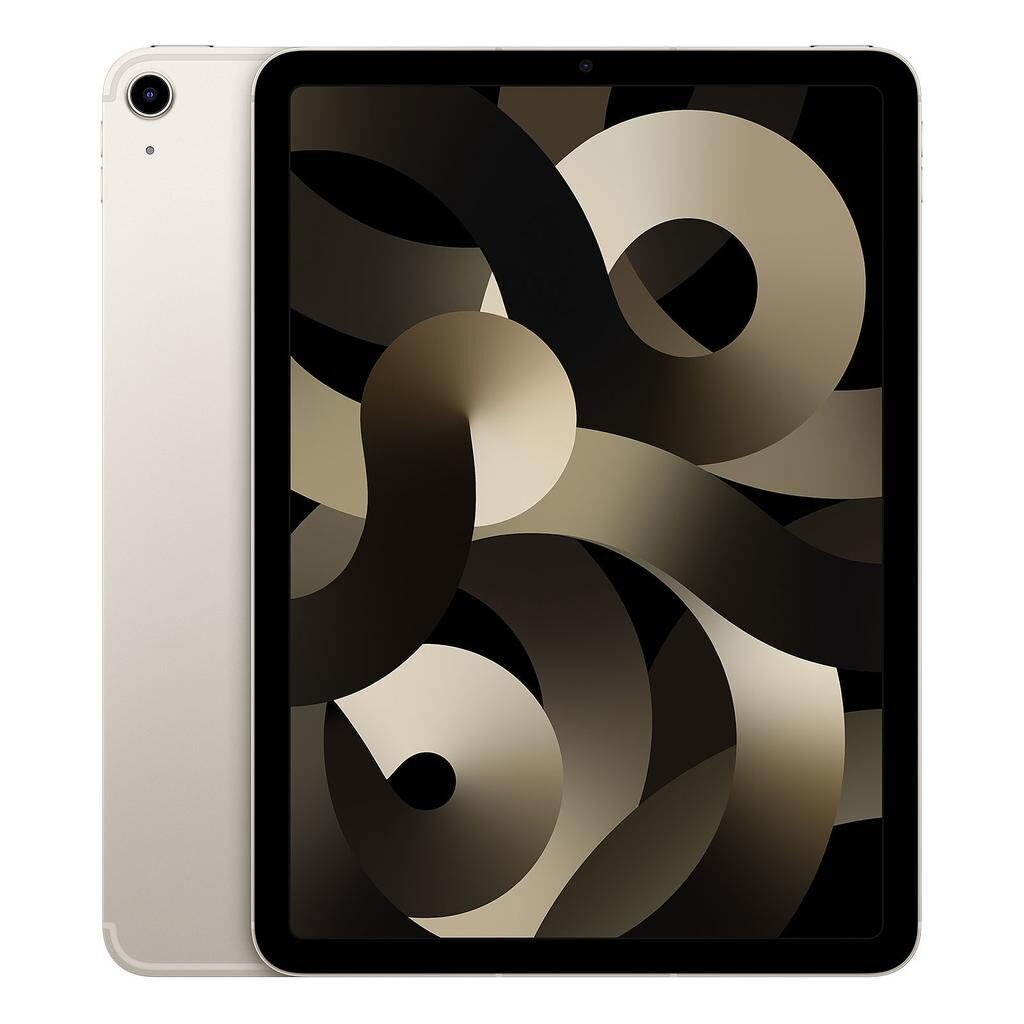
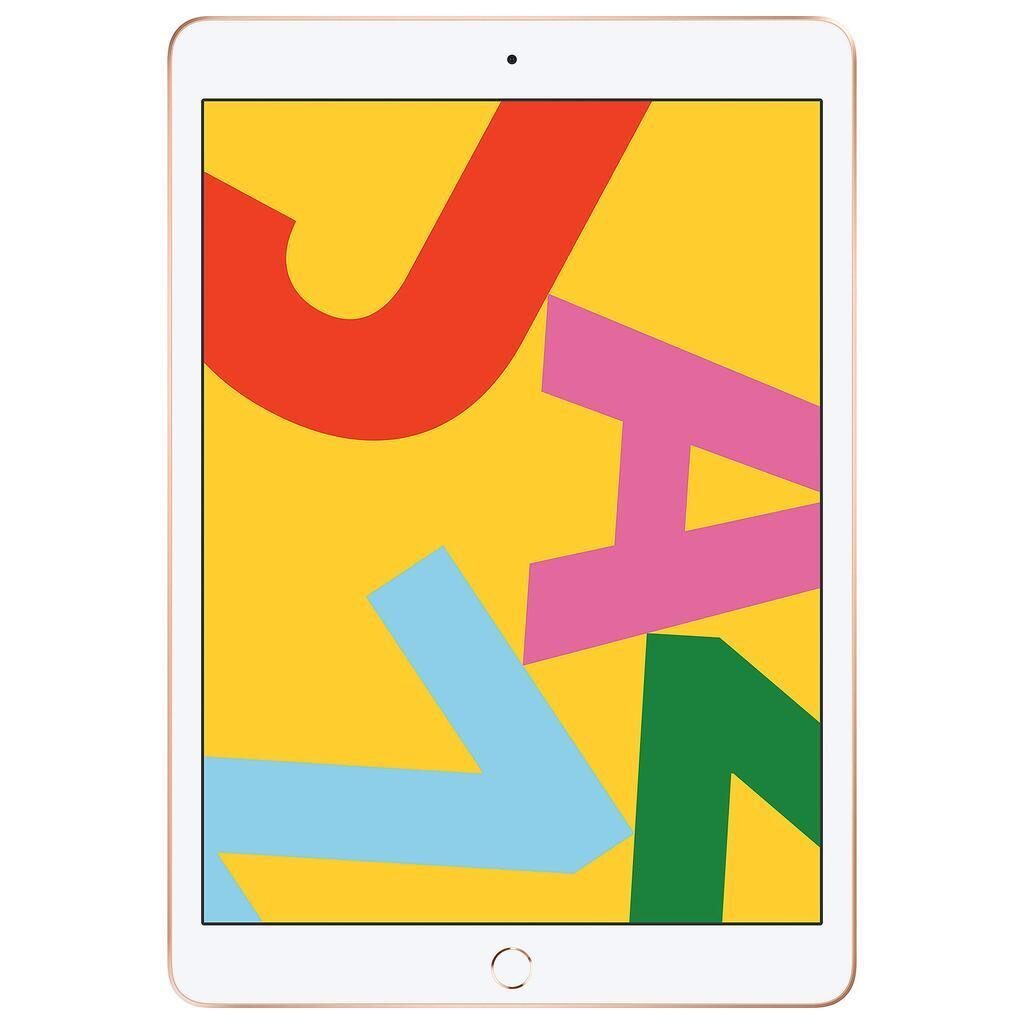
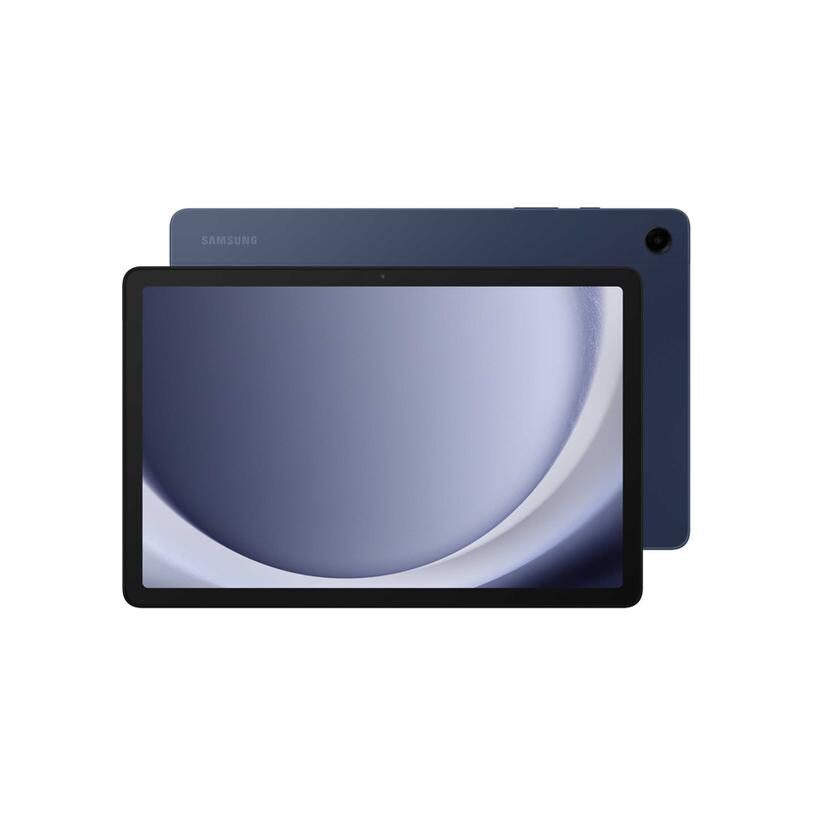
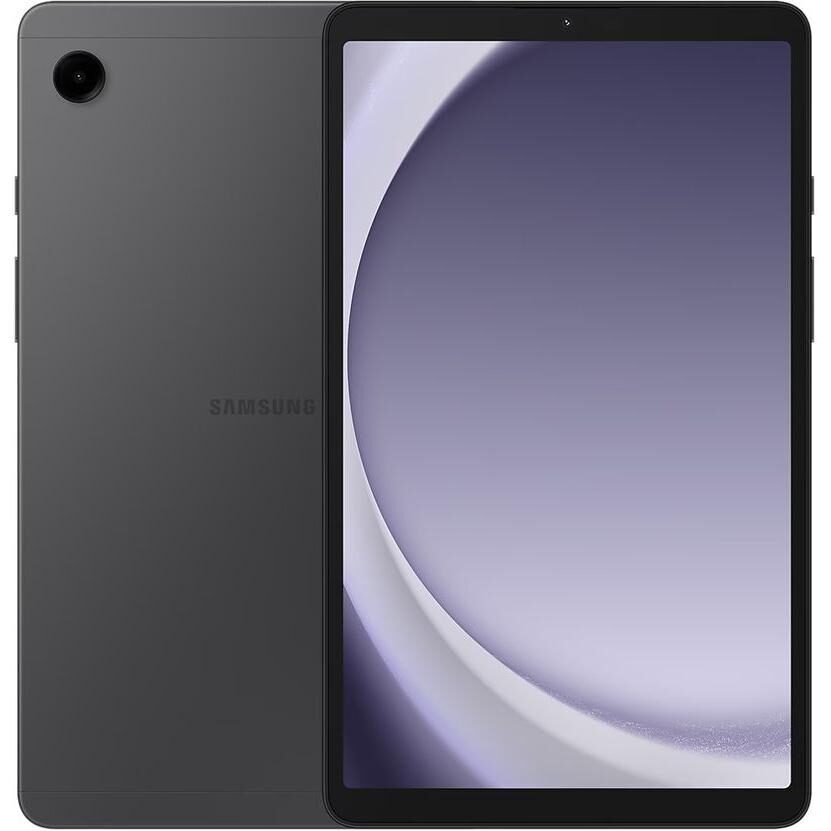
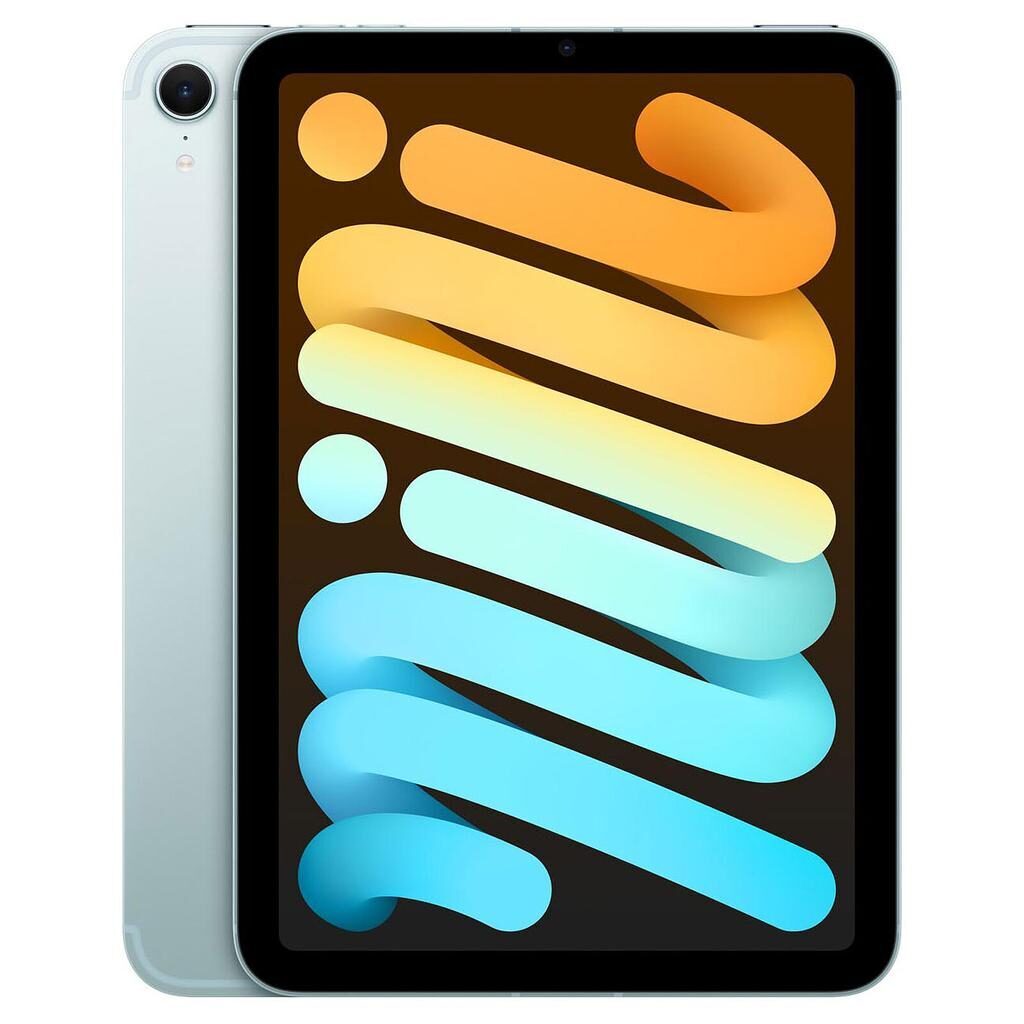
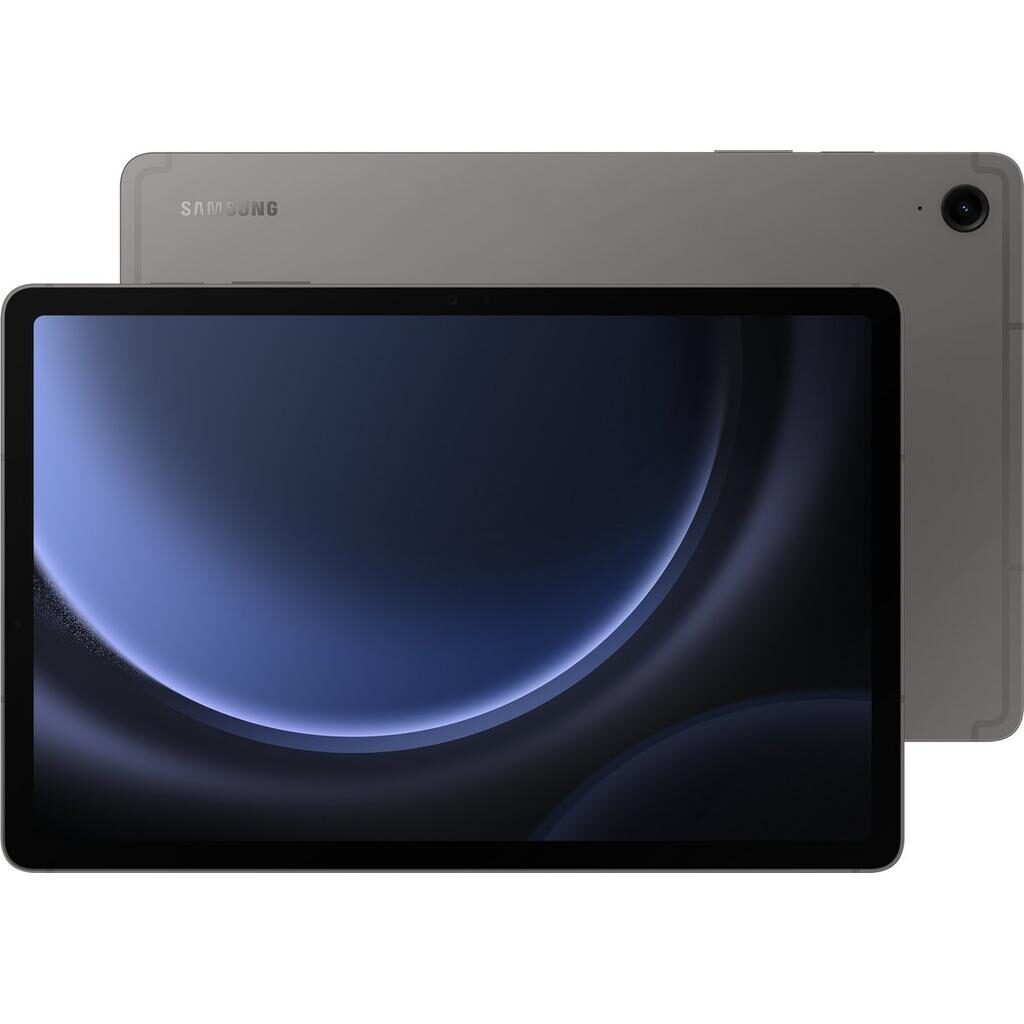
Galaxy Tab A (10.5", 2018) vs Galaxy Tab S9 (11.0", 2023)
Shop Samsung Galaxy Tab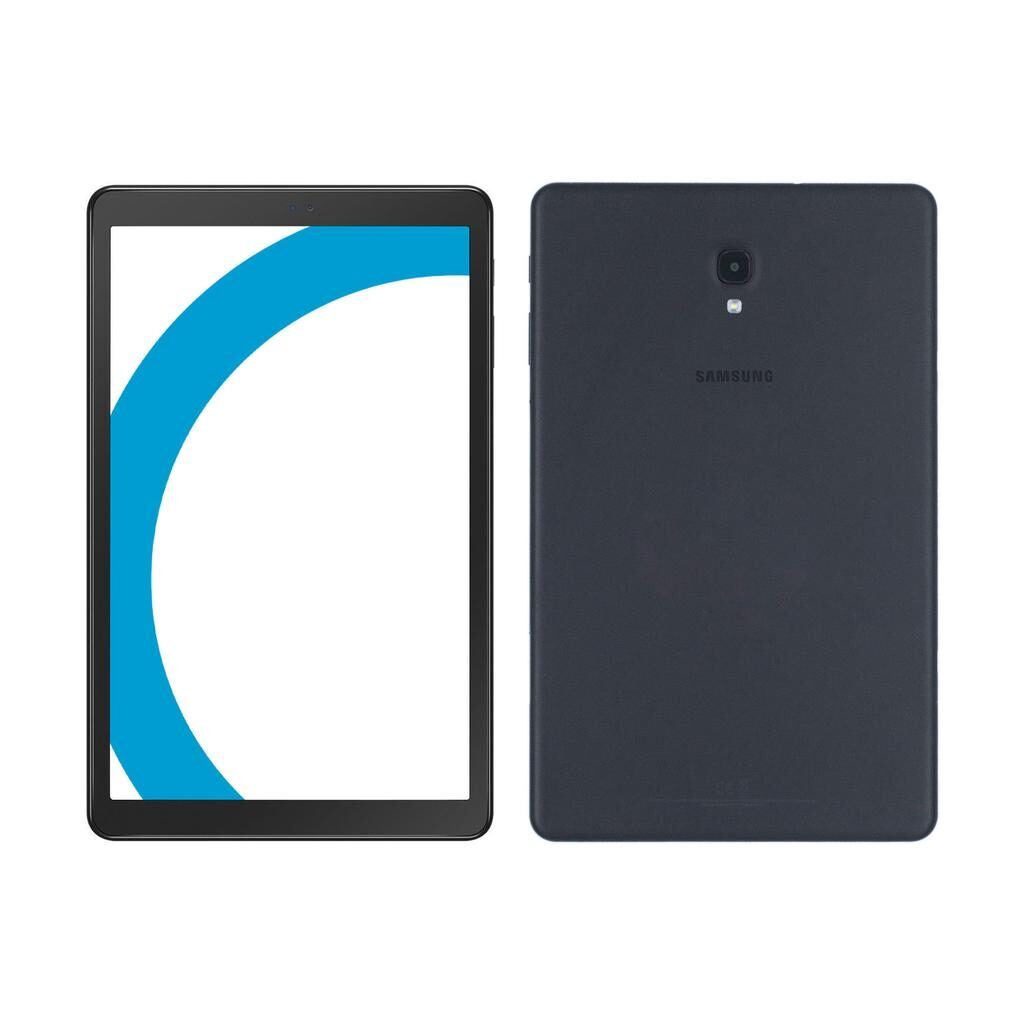
Galaxy Tab A (10.5", 2018)
Starting at
£66.60£339.00 new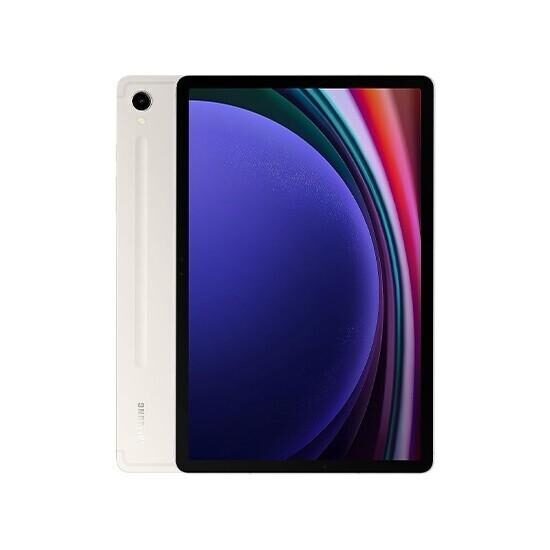
Galaxy Tab S9 (11.0", 2023)
Starting at
£408.76£1,060.32 newWhat's the difference between the Galaxy Tab A (10.5", 2018) and Galaxy Tab S9 (11.0", 2023)?
Galaxy Tab A (10.5", 2018) vs Galaxy Tab S9 (11.0", 2023) comes down to the chipset, RAM and battery. Refurbished, the Galaxy Tab A (10.5", 2018) starts at £66.60, £342.16 less than the Galaxy Tab S9 (11.0", 2023). The Galaxy Tab S9 (11.0", 2023) is the newer model, released in 2023.
Refurbished from
Chipset
RAM
Battery
Screen size
Screen type
- Chipset: Qualcomm SDM450 Snapdragon 450 (14 nm) on the Galaxy Tab A (10.5", 2018), Qualcomm SM8550-AC Snapdragon 8 Gen 2 (4 nm) on the Galaxy Tab S9 (11.0", 2023).
- The Galaxy Tab S9 (11.0", 2023) has more RAM: 12 GB vs 3 GB.
- The Galaxy Tab S9 (11.0", 2023) has a bigger battery: 8400 mAh vs 7300 mAh.
Galaxy Tab A (10.5", 2018) vs Galaxy Tab S9 (11.0", 2023) specs
The Galaxy Tab A (10.5", 2018) and the Galaxy Tab S9 (11.0", 2023) differ in several key ways that suit different needs. The Tab A offers simpler performance and storage options, making it suitable for everyday tasks like browsing and video calls. The Tab S9 provides faster processing, more memory, and higher storage capacities for users who want to run many apps or handle demanding tasks. The screen on the Tab S9 is larger with a sharper and more vibrant display, while the Tab A has a good screen for general use. Audiovisual features, including cameras and video recording, are more advanced on the Tab S9, fitting those who value media quality. Other differences include battery size, operating system support, and connectivity features that appeal to different preferences.
Galaxy Tab A (10.5", 2018) vs Galaxy Tab S9 (11.0", 2023) price
Colour
Galaxy Tab A (10.5", 2018) vs Galaxy Tab S9 (11.0", 2023) battery life and software updates
Durability covers battery capacity, operating system support, and build dimensions. These affect how long you can use the device between charges, how current the software is, and how the device fits in your hand or bag.
Battery Capacity
The Galaxy Tab A (10.5", 2018) has a 7300 mAh battery, suitable for a full day of regular use like browsing and streaming. The Galaxy Tab S9 (11.0", 2023) offers a larger 8400 mAh battery, which supports longer use between charges, especially helpful if you run multiple apps or watch high-resolution videos.
Operating System Support
The Galaxy Tab A supports up to Android 10, which fits everyday use with many popular apps. The Galaxy Tab S9 runs Android 13, providing newer software features and security updates that can enhance the user experience over time.
Battery
Maximum operating system supported
Year of release
Galaxy Tab A (10.5", 2018) vs Galaxy Tab S9 (11.0", 2023) performance
Performance focuses on processing power, memory, and storage. These affect how smoothly apps run, how many apps you can use at once, and how much data or media you can keep on the device.
Processor Speed and Chipset
The Galaxy Tab A uses a Qualcomm Snapdragon 450 running at 1.8 GHz, which works well for everyday tasks such as web browsing, video streaming, and simple apps. The Galaxy Tab S9 features a Snapdragon 8 Gen 2 with a 3.36 GHz speed, designed for faster, more demanding use like multitasking and high-performance apps.
RAM Size
With 3 GB of RAM, the Galaxy Tab A handles typical apps and moderate multitasking comfortably. The Galaxy Tab S9 offers 12 GB of RAM, allowing you to keep many apps open at once and switch between them smoothly without slowing down.
Storage Options
The Galaxy Tab A comes with 32 GB of storage, which suits basic needs like storing apps, some photos, and a moderate amount of media. The Galaxy Tab S9 is available with 128 GB or 256 GB, providing much more space for large files, apps, and media collections.
Chipset
Processor
Processor brand
Processor core
Processor speed ghz
RAM
Galaxy Tab A (10.5", 2018) vs Galaxy Tab S9 (11.0", 2023) screen
The screen is important for viewing comfort and visual quality. Differences in size, resolution, pixel density, and panel type influence how clear and vibrant images and videos appear.
Screen Size and Resolution
The Galaxy Tab A has a 10.5 inch screen with a resolution of 1200 by 1920 pixels, offering a clear display suitable for everyday reading and video. The Galaxy Tab S9 has a slightly larger 11.0 inch screen with a sharper 1600 by 2560 resolution, providing more room and detail for media and multitasking.
Pixel Density and Screen Type
The Galaxy Tab A's 216 ppi pixel density and IPS LCD panel deliver good colours and viewing angles for general use. The Galaxy Tab S9's 280 ppi and Dynamic AMOLED 2X screen offer brighter colours, deeper contrast, and a richer viewing experience, which benefits those watching high-quality videos or working with detailed images.
Display glass
Pixel density
Refresh rate
Resolution
Screen size
Screen type
Galaxy Tab A (10.5", 2018) vs Galaxy Tab S9 (11.0", 2023) camera
Audiovisual features include cameras, speakers, and video recording. These impact video calls, photography, video playback, and sound quality.
Camera Quality
The Galaxy Tab A has a 5 megapixel front camera and an 8 megapixel rear camera, suitable for video calls and casual photos at 1080p resolution. The Galaxy Tab S9 offers a 12 megapixel front camera and a 13 megapixel rear camera, capturing more detail and sharper images.
Video Recording
Video recording on the Galaxy Tab A is at 1080p 30 FPS, which supports clear standard HD videos. The Galaxy Tab S9 records at 4K 30 FPS, which produces much higher resolution videos, ideal for capturing detailed footage.
Speakers
Both tablets have stereo speakers with four speakers in total, delivering balanced sound for music, videos, and calls.
Front camera
Front camera definition
Main camera
Rear camera definition
Speakers
Video recording
Webcam
Galaxy Tab A (10.5", 2018) vs Galaxy Tab S9 (11.0", 2023) size and design
Miscellaneous features cover connectivity, size, and extra options that affect daily convenience and compatibility.
Bluetooth and Wi-Fi
The Galaxy Tab A supports Bluetooth 4.2 and Wi-Fi 802.11 a/b/g/n/ac, fitting standard wireless accessories and networks. The Galaxy Tab S9 supports Bluetooth 5.3 and Wi-Fi 6E 802.11ax, offering newer wireless standards that can improve connection stability and speed with compatible devices and networks.
Physical Dimensions
The Galaxy Tab A measures 260 mm in height, 161.1 mm in width, and 8 mm in depth, weighing 500 g. The Galaxy Tab S9 is slightly smaller in height at 254.3 mm, wider at 165.8 mm, thinner at 5.9 mm, and almost the same weight at 498 g. These differences affect how each feels in hand and fits in a bag.
Headphone Jack and Stylus
The Galaxy Tab A includes a 3.5 mm headphone jack for wired headphones. The Galaxy Tab S9 does not have a 3.5 mm jack but supports a stylus pencil, which is useful if you want to draw or take handwritten notes.
SIM and Carrier
Both tablets are unlocked. The Galaxy Tab A uses a Nano SIM. The Galaxy Tab S9 supports Nano SIM and eSIM, providing more flexibility for mobile data connections.
120hz
Bluetooth version
Carrier compatibility
Connector
Depth
Double sim
Face
Headphones connectivity
Height
Megapixels
Sim format
Touch
Weight
Width
Wifi technology
With stylus pencil
Galaxy Tab A (10.5", 2018) or Galaxy Tab S9 (11.0", 2023): which should you buy?
Buy the Galaxy Tab A (10.5", 2018) if
- you want to spend less: it starts at £66.60, £342.16 less than the Galaxy Tab S9 (11.0", 2023)
Buy the Galaxy Tab S9 (11.0", 2023) if
- you want more RAM (12 GB vs 3 GB)
- you want a bigger battery (8400 mAh vs 7300 mAh)
- you want a bigger screen (11.0 inch vs 10.5 inch)
What our customers say
Customers of the Galaxy Tab A (10.5", 2018) appreciate its smooth performance for daily use like browsing, video calls, and streaming. They often mention the clear screen, good battery life lasting through a day, and a solid feel in the hand. Some note the speakers could be louder and that Wi-Fi can occasionally drop. Overall, they find the tablet reliable and well suited for everyday tasks at a reasonable price point.
Reviews for the Galaxy Tab S9 (11.0", 2023) highlight its excellent condition and strong performance. Users enjoy the large, clear screen for watching videos and the reliable battery life that lasts all day. The tablet looks like new to many customers, with a solid build and smooth operation. Some mention minor issues with the stylus but still find the device well suited for multitasking and media use.
Both tablets suit distinct needs: the Galaxy Tab A fits users who want a dependable device for everyday browsing and media, while the Galaxy Tab S9 is better for those needing more power, a larger sharper screen, and advanced features like a stylus.
Galaxy Tab A (10.5", 2018) vs Galaxy Tab S9 (11.0", 2023) FAQs
Galaxy Tab A (10.5", 2018) vs Galaxy Tab S9 (11.0", 2023) comes down to the chipset, RAM and battery. Chipset: Qualcomm SDM450 Snapdragon 450 (14 nm) on the Galaxy Tab A (10.5", 2018), Qualcomm SM8550-AC Snapdragon 8 Gen 2 (4 nm) on the Galaxy Tab S9 (11.0", 2023). The Galaxy Tab S9 (11.0", 2023) has more RAM: 12 GB vs 3 GB.
The Galaxy Tab A (10.5", 2018) is cheaper refurbished, from £66.60 compared with £408.76 for the Galaxy Tab S9 (11.0", 2023).
The Galaxy Tab S9 (11.0", 2023) has a bigger battery: 8400 mAh vs 7300 mAh.
The Galaxy Tab S9 (11.0", 2023) has a higher-resolution main camera: 13 megapixels vs 8 megapixels.
The Galaxy Tab S9 (11.0", 2023) adds more RAM (12 GB vs 3 GB), a bigger battery (8400 mAh vs 7300 mAh) and a bigger screen (11.0 inch vs 10.5 inch). Refurbished, it costs £342.16 more (from £408.76 vs £66.60).
Refurbished, the Galaxy Tab A (10.5", 2018) comes in 32GB, and the Galaxy Tab S9 (11.0", 2023) in 128GB and 256GB.