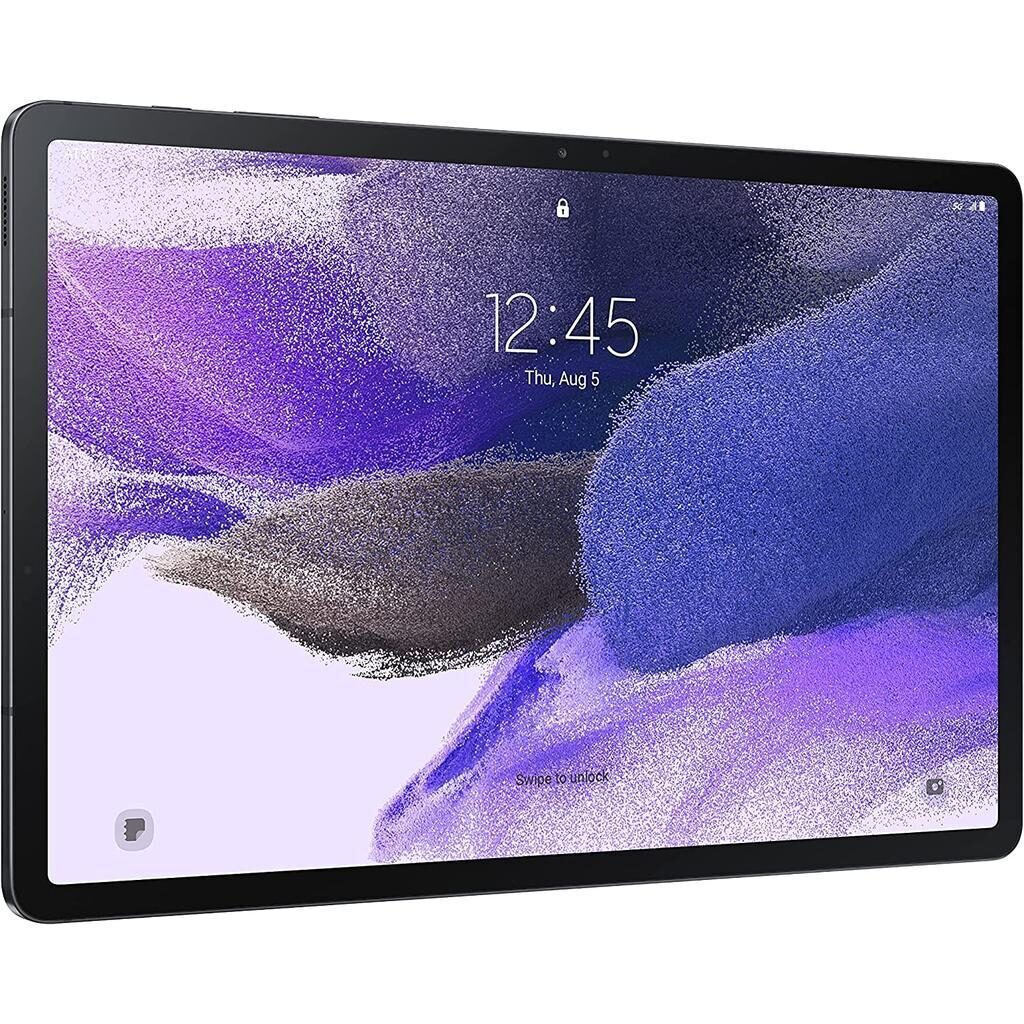
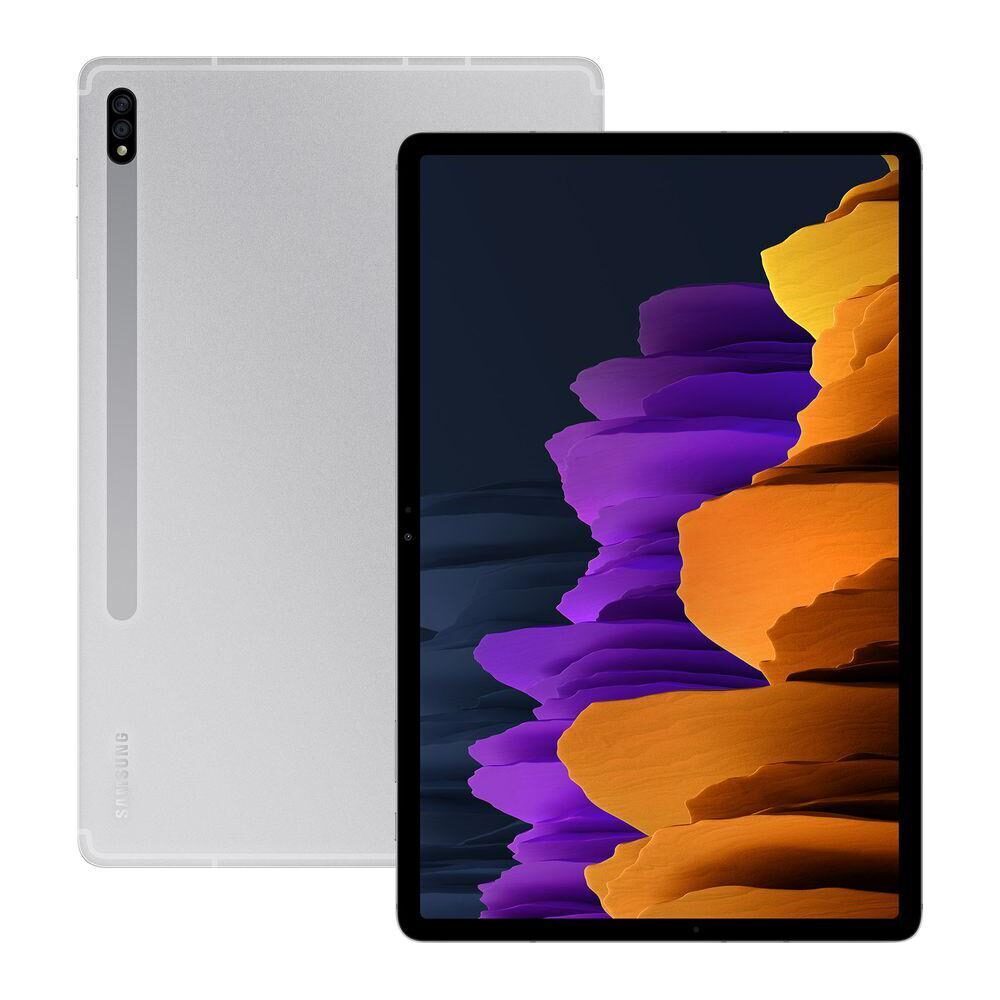
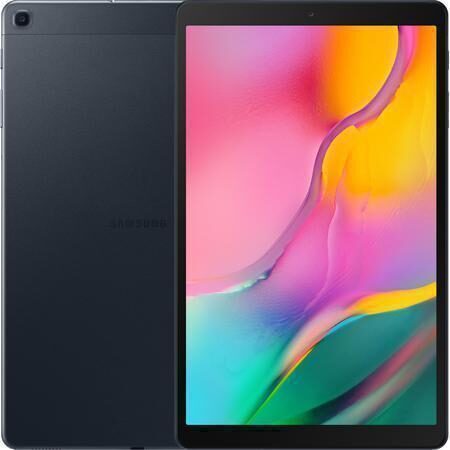
Galaxy Tab A (10.5", 2018) vs Galaxy Tab S7 (11.0", 2020)
Shop Samsung Galaxy Tab
Galaxy Tab A (10.5", 2018)
Starting at
£66.60£339.00 new
Galaxy Tab S7 (11.0", 2020)
Starting at
£213.40What's the difference between the Galaxy Tab A (10.5", 2018) and Galaxy Tab S7 (11.0", 2020)?
Galaxy Tab A (10.5", 2018) vs Galaxy Tab S7 (11.0", 2020) comes down to the chipset, RAM and battery. Refurbished, the Galaxy Tab A (10.5", 2018) starts at £66.60, £146.80 less than the Galaxy Tab S7 (11.0", 2020). The Galaxy Tab S7 (11.0", 2020) is the newer model, released in 2020.
Refurbished from
Chipset
RAM
Battery
Screen size
Screen type
- Chipset: Qualcomm SDM450 Snapdragon 450 (14 nm) on the Galaxy Tab A (10.5", 2018), Qualcomm SM8250 Snapdragon 865 5G+ (7 nm+) on the Galaxy Tab S7 (11.0", 2020).
- The Galaxy Tab S7 (11.0", 2020) has more RAM: 6 GB vs 3 GB.
- The Galaxy Tab S7 (11.0", 2020) has a bigger battery: 8000 mAh vs 7300 mAh.
Galaxy Tab A (10.5", 2018) vs Galaxy Tab S7 (11.0", 2020) specs
The Galaxy Tab A (10.5", 2018) and Galaxy Tab S7 (11.0", 2020) differ in several key ways that suit different types of users. The Tab A is designed for everyday use with a simpler processor, less RAM, and lower storage options, making it suitable for basic browsing, streaming, and daily tasks. The Tab S7 offers a more powerful processor, more RAM, and larger storage, catering to users who want faster performance and more space for apps and media. The S7 also has a higher resolution screen and better cameras, appealing to those who prioritise screen clarity and photography. Battery capacity and operating system support also differ, with the S7 supporting a newer Android version and a slightly larger battery. Connectivity and design elements like Bluetooth version and headphone connection style vary as well, giving each device a distinct user experience.
Galaxy Tab A (10.5", 2018) vs Galaxy Tab S7 (11.0", 2020) price
Colour
Galaxy Tab A (10.5", 2018) vs Galaxy Tab S7 (11.0", 2020) battery life and software updates
Durability covers battery size and software support, which affect how long the device lasts in daily use and how up to date its operating system can be.
Battery Capacity
The Galaxy Tab A has a 7300 mAh battery, which suits users who need a tablet for regular daily browsing and streaming. The Galaxy Tab S7 has a slightly larger 8000 mAh battery, which can support heavier use or longer sessions between charges.
Operating System Support
The Galaxy Tab A supports up to Android 10, suitable if you prefer a stable, familiar environment for everyday apps. The Galaxy Tab S7 supports Android 13, offering access to newer features and security updates that benefit users wanting a more current software experience.
Battery
Maximum operating system supported
Year of release
Galaxy Tab A (10.5", 2018) vs Galaxy Tab S7 (11.0", 2020) performance
Performance influences how smoothly the tablet runs apps, handles multitasking, and stores data. These differences affect users from casual browsers to those using demanding apps or storing large files.
Processor Speed and Power
The Galaxy Tab A runs on a Qualcomm Snapdragon 450 processor with an 8 core 1.8 GHz setup, which performs well for everyday tasks like browsing and streaming. The Galaxy Tab S7 uses a Snapdragon 865 5G+ with three speeds up to 3.09 GHz, providing much faster processing suitable for gaming, multitasking, and demanding apps.
Memory
The Galaxy Tab A has 3 GB of RAM, enough to keep common apps running smoothly. The Galaxy Tab S7 offers 6 GB of RAM, which helps keep more apps open and improves performance when switching between them.
Storage Options
The Galaxy Tab A comes with 32 GB of storage, which suits users with basic app and media needs. The Galaxy Tab S7 is available in 128 GB and 256 GB, making it better for those who store larger files, videos, or many apps.
Chipset
Processor
Processor brand
Processor core
Processor speed ghz
RAM
Galaxy Tab A (10.5", 2018) vs Galaxy Tab S7 (11.0", 2020) screen
Screen quality impacts how clear and comfortable the display is for reading, watching videos, or working. Differences in size, resolution, and pixel density matter based on how you use the tablet.
Screen Size and Resolution
The Galaxy Tab A features a 10.5 inch IPS LCD screen with 1200x1920 resolution, providing a clear image suited to daily reading and video watching. The Galaxy Tab S7 has a slightly larger 11.0 inch TFT LCD screen with 1600x2560 resolution, giving more room and sharper detail for users who want a higher definition display.
Pixel Density
With 216 ppi, the Galaxy Tab A offers good clarity for everyday use. The Galaxy Tab S7 has a higher pixel density of 280 ppi, making text and images appear crisper, which benefits users who spend time on detailed work or high-quality media.
Display glass
Pixel density
Refresh rate
Resolution
Screen size
Screen type
Galaxy Tab A (10.5", 2018) vs Galaxy Tab S7 (11.0", 2020) camera
Audiovisual features include cameras, speakers, and video recording. These differences affect video calls, photography, and media playback quality.
Camera Quality
The Galaxy Tab A has a 5 megapixel front camera with 1080p video recording and an 8 megapixel rear camera. This setup suits casual video calls and basic photography. The Galaxy Tab S7 upgrades to an 8 megapixel front camera and a 13 megapixel rear camera, delivering more detailed photos and better video call clarity.
Video Recording
The Galaxy Tab A records video at 1080p 30 FPS, sufficient for everyday video needs. The Galaxy Tab S7 supports 4K 30 FPS recording, appealing to users who want higher resolution video capture.
Speakers
Both tablets have four stereo speakers, providing balanced sound for watching videos or listening to music.
Front camera
Front camera definition
Main camera
Rear camera definition
Speakers
Video recording
Webcam
Galaxy Tab A (10.5", 2018) vs Galaxy Tab S7 (11.0", 2020) size and design
Miscellaneous features cover connectivity, design, and accessories. These affect how you use the tablet day to day and what extras come with it.
Bluetooth and Wi-Fi
The Galaxy Tab A supports Bluetooth 4.2 and Wi-Fi 802.11 a/b/g/n/ac, which work well for common wireless connections. The Galaxy Tab S7 offers Bluetooth 5.0 and Wi-Fi 6 802.11ax, providing faster and more reliable connections for devices and networks that support these standards.
Headphone Connectivity
The Galaxy Tab A includes a 3.5 mm headphone jack, making it easy to use traditional wired headphones. The Galaxy Tab S7 uses USB Type-C for audio, which suits users with USB-C headphones or adapters.
Design Dimensions
The Galaxy Tab A measures 260 mm in height, 161.1 mm in width, and 8 mm in depth. The Galaxy Tab S7 is slightly smaller in height at 253.8 mm, wider at 165.3 mm, and thinner at 6.3 mm, which may feel sleeker in hand.
Stylus Support
The Galaxy Tab S7 supports use with a stylus pencil, ideal for note-taking, drawing, or precise input. The Galaxy Tab A does not offer stylus support.
120hz
Bluetooth version
Carrier compatibility
Connector
Depth
Double sim
Face
Headphones connectivity
Height
Megapixels
Sim format
Touch
Weight
Width
Wifi technology
With stylus pencil
Galaxy Tab A (10.5", 2018) or Galaxy Tab S7 (11.0", 2020): which should you buy?
Buy the Galaxy Tab A (10.5", 2018) if
- you want to spend less: it starts at £66.60, £146.80 less than the Galaxy Tab S7 (11.0", 2020)
Buy the Galaxy Tab S7 (11.0", 2020) if
- you want more RAM (6 GB vs 3 GB)
- you want a bigger battery (8000 mAh vs 7300 mAh)
- you want a bigger screen (11.0 inch vs 10.5 inch)
What our customers say
Customers say the Galaxy Tab A (10.5", 2018) looks like new with clean colours and no noticeable marks. They find it runs apps smoothly without lag and the battery lasts through a full day of browsing and streaming. The screen is clear and the tablet feels solid in hand. Some users mention that the speakers could be louder. Overall, the 32 GB storage meets everyday needs and the tablet suits those seeking a reliable device for daily tasks and video calls.
Reviews for the Galaxy Tab S7 (11.0", 2020) mention a clean device with only minor marks. Users appreciate the fast performance and smooth app loading. The battery life lasts well through the day, although some charge nightly to be safe. The screen quality receives praise for its clarity. A few customers received versions with different software or condition but most are happy with the tablet's speed, memory, and storage. The S7 is popular with those wanting a larger screen, strong performance, and more storage for heavier use.
The Galaxy Tab A appeals to users needing a straightforward, dependable tablet for everyday use. The Galaxy Tab S7 suits those who want higher performance, better screen resolution, and stylus support for more advanced tasks.
Galaxy Tab A (10.5", 2018) vs Galaxy Tab S7 (11.0", 2020) FAQs
Galaxy Tab A (10.5", 2018) vs Galaxy Tab S7 (11.0", 2020) comes down to the chipset, RAM and battery. Chipset: Qualcomm SDM450 Snapdragon 450 (14 nm) on the Galaxy Tab A (10.5", 2018), Qualcomm SM8250 Snapdragon 865 5G+ (7 nm+) on the Galaxy Tab S7 (11.0", 2020). The Galaxy Tab S7 (11.0", 2020) has more RAM: 6 GB vs 3 GB.
The Galaxy Tab A (10.5", 2018) is cheaper refurbished, from £66.60 compared with £213.40 for the Galaxy Tab S7 (11.0", 2020).
The Galaxy Tab S7 (11.0", 2020) has a bigger battery: 8000 mAh vs 7300 mAh.
The Galaxy Tab S7 (11.0", 2020) has a higher-resolution main camera: 13 megapixels vs 8 megapixels.
The Galaxy Tab S7 (11.0", 2020) adds more RAM (6 GB vs 3 GB), a bigger battery (8000 mAh vs 7300 mAh) and a bigger screen (11.0 inch vs 10.5 inch). Refurbished, it costs £146.80 more (from £213.40 vs £66.60).
Refurbished, the Galaxy Tab A (10.5", 2018) comes in 32GB, and the Galaxy Tab S7 (11.0", 2020) in 128GB and 256GB.