Galaxy S7 vs Nokia 2.4
Shop Samsung Galaxy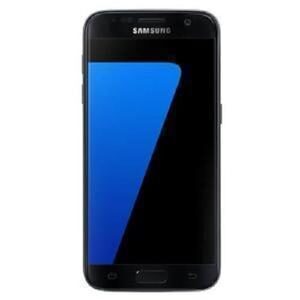
Galaxy S7
Starting at
£78.66£489.00 new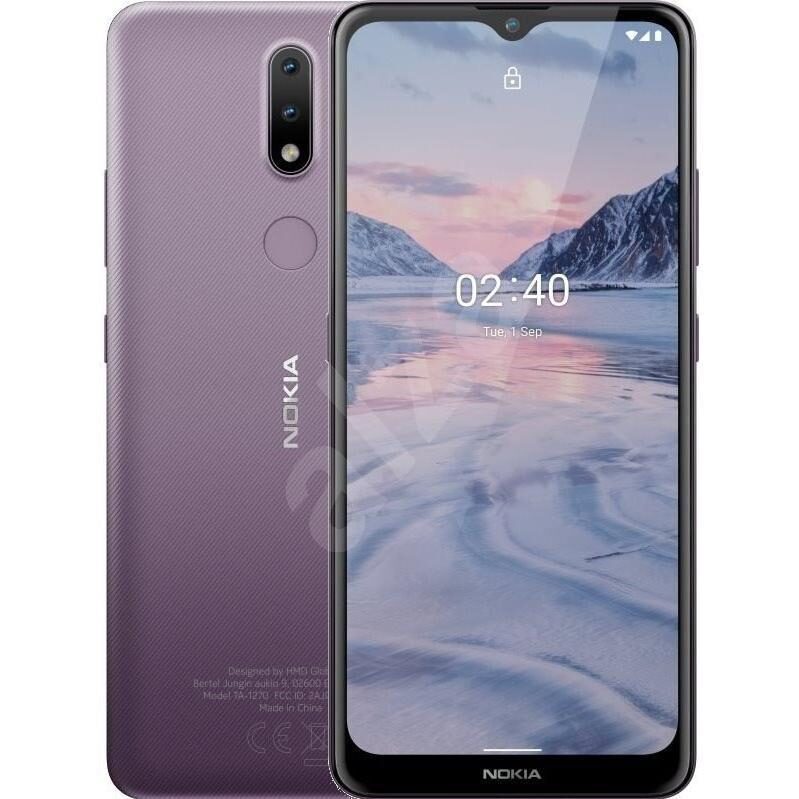
Nokia 2.4
Starting at
£93.00What's the difference between the Galaxy S7 and Nokia 2.4?
Galaxy S7 vs Nokia 2.4 comes down to the chipset, RAM and battery. Refurbished, the Galaxy S7 starts at £78.66, £14.34 less than the Nokia 2.4. The Nokia 2.4 is the newer model, released in 2020.
Refurbished from
Chipset
RAM
Battery
Screen size
Screen type
- Chipset: Snapdragon 820 MSM8996 (14 nm), Exynos 8 Octa 8890 on the Galaxy S7, Mediatek MT6762 Helio P22 (12 nm) on the Nokia 2.4.
- The Galaxy S7 has more RAM: 4 GB vs 2 GB.
- The Nokia 2.4 has a bigger battery: 4500 mAh vs 3000 mAh.
Galaxy S7 vs Nokia 2.4 specs
The Galaxy S7 and Nokia 2.4 offer different strengths that suit distinct needs. The Galaxy S7 has a sharper, smaller Super AMOLED screen and more RAM, making it suited for users who want a compact phone with smoother multitasking and vibrant display quality. The Nokia 2.4 has a larger IPS LCD screen and options for up to 64GB storage, making it a good choice if you prefer a bigger display for video or reading and want more space for files. Camera and connectivity features are similar, so your choice depends mainly on screen size, memory, and storage preferences.
Galaxy S7 vs Nokia 2.4 price
Colour
- PurpleSold out
- GreySold out
Storage
- 32GBSold out
- 64GBSold out
Galaxy S7 vs Nokia 2.4 battery life and software updates
Durability here mainly covers software compatibility and physical design. Neither device is foldable, focusing on traditional smartphone form factors.
Operating System
Both the Galaxy S7 and Nokia 2.4 run Android, providing a familiar interface and app ecosystem.
Physical Design
Neither device is foldable, so both maintain a standard smartphone design. The Galaxy S7 was released in 2016 and the Nokia 2.4 in 2020, reflecting their design era but not affecting their durability directly.
Battery
Foldable
Ip rating
Software updates
Wireless charging
Year of release
Galaxy S7 vs Nokia 2.4 performance
Performance focuses on the chipset, memory, and storage options. These affect how smoothly the phone handles apps and multitasking, and how much data you can keep on the device.
Processor and Efficiency
The Galaxy S7 features either Snapdragon 820 MSM8996 (14 nm) or Exynos 8 Octa 8890 chipsets, which provide solid performance for a range of apps. The Nokia 2.4 uses a Mediatek MT6762 Helio P22 (12 nm) chipset, designed for everyday use and power efficiency. Users wanting more processing power for multitasking or gaming may find the Galaxy S7 better suited.
Memory Capacity
With 4 GB of RAM, the Galaxy S7 supports smoother multitasking and can keep more apps open simultaneously. The Nokia 2.4 has 2 GB of RAM, which suits basic daily tasks and simpler app usage.
Storage Options
The Galaxy S7 is stocked with 32GB of storage, enough for apps, photos, and some media. The Nokia 2.4 offers 32GB and 64GB storage options, providing more space for users who store larger files or multiple apps.
Chipset
RAM
Galaxy S7 vs Nokia 2.4 screen
Screen quality affects viewing comfort, detail, and colour. The two devices differ in size, resolution, and display technology, which changes how you experience videos, photos, and apps.
Screen Size
The Nokia 2.4 has a larger 6.5 inch screen, offering more room for watching videos, browsing, and reading. The Galaxy S7 has a smaller 5.1 inch screen, which suits users who prefer a compact phone that fits comfortably in one hand.
Resolution and Detail
The Galaxy S7's 1440 x 2560 resolution provides a sharper image with finer detail, ideal for users who value clear text and crisp photos on a smaller screen. The Nokia 2.4 has a 720 x 1600 resolution, which is less detailed but still suitable for everyday viewing on its larger display.
Display Technology
The Galaxy S7 uses a Super AMOLED screen, delivering vibrant colours and deep blacks, enhancing media viewing especially in darker scenes. The Nokia 2.4 uses an IPS LCD, which offers consistent colour and wide viewing angles, good for general use and bright environments.
Resolution
Screen size
Screen type
Galaxy S7 vs Nokia 2.4 camera
Camera and front camera specs affect photo quality and video calls. Both devices have similar front cameras but differ slightly in main camera resolution.
Front Camera
Both phones have a 5 megapixel front camera, suitable for basic selfies and video calls. This means similar performance for front-facing photos and video chats.
Main Camera
The Nokia 2.4 has a 13 megapixel main camera, which can capture slightly more detail than the Galaxy S7's 12 megapixel camera. This difference may be noticed when taking photos in good light, making the Nokia 2.4 a good choice for users who prioritise camera resolution.
Front camera
Main camera
Galaxy S7 vs Nokia 2.4 size and design
Other practical features include network compatibility, SIM support, physical size, and storage expansion. These affect daily usability and convenience.
Network and SIM
Both phones support 4G and come unlocked with dual physical SIM slots, offering flexibility to use multiple phone numbers or networks. This suits users who travel or want to separate work and personal calls.
Expandable Storage
Each phone supports microSDXC cards, allowing storage expansion beyond the internal memory. This is useful for users who store lots of photos, videos, or files.
Physical Dimensions and Weight
The Galaxy S7 is smaller and lighter at 142.4 mm height, 69.6 mm width, 7.9 mm depth, and 152 g weight, fitting easily in one hand or pocket. The Nokia 2.4 is larger and heavier at 165.9 mm height, 76.3 mm width, 8.7 mm depth, and 195 g weight, offering a bigger screen but less compact handling.
Carrier compatibility
Connector
Depth
Height
Mobile network
Release date
SD card slot
SIM card
Weight
Width
Galaxy S7 or Nokia 2.4: which should you buy?
Buy the Galaxy S7 if
- you want to spend less: it starts at £78.66, £14.34 less than the Nokia 2.4
- you want more RAM (4 GB vs 2 GB)
- you want an OLED screen
Buy the Nokia 2.4 if
- you want a bigger battery (4500 mAh vs 3000 mAh)
- you want a higher-resolution main camera (13 megapixels vs 12 megapixels)
What our customers say
Customers say the Galaxy S7 looks like new and appreciate its compact size and good screen quality. Some mention the battery life as a concern, describing it as short and needing frequent charging. The camera and overall phone condition receive positive comments, making it suitable for users who want a smaller phone with solid performance, even if battery replacement might be needed.
Reviews for the Nokia 2.4 highlight satisfaction with the screen size and camera quality, with users calling it fantastic for everyday use. Some customers notice the phone can run slow at times, reflecting its simpler performance. Storage options are welcomed, though one user was unsure if their phone had 64GB or 32GB. Overall, it suits users who want a larger display and more storage for daily tasks.
The Galaxy S7 fits buyers looking for a smaller, sharper screen and more RAM for multitasking. The Nokia 2.4 suits those who prefer a bigger screen and higher storage options for media and apps, even with simpler performance.
Galaxy S7 vs Nokia 2.4 FAQs
Galaxy S7 vs Nokia 2.4 comes down to the chipset, RAM and battery. Chipset: Snapdragon 820 MSM8996 (14 nm), Exynos 8 Octa 8890 on the Galaxy S7, Mediatek MT6762 Helio P22 (12 nm) on the Nokia 2.4. The Galaxy S7 has more RAM: 4 GB vs 2 GB.
The Galaxy S7 is cheaper refurbished, from £78.66 compared with £93 for the Nokia 2.4.
The Nokia 2.4 has a bigger battery: 4500 mAh vs 3000 mAh.
The Nokia 2.4 has a higher-resolution main camera: 13 megapixels vs 12 megapixels.
Updates for the Galaxy S7 ended in Jun 2019. We don't have published update dates for the Nokia 2.4.
Refurbished, the Galaxy S7 comes in 32GB, and the Nokia 2.4 in 32GB and 64GB.