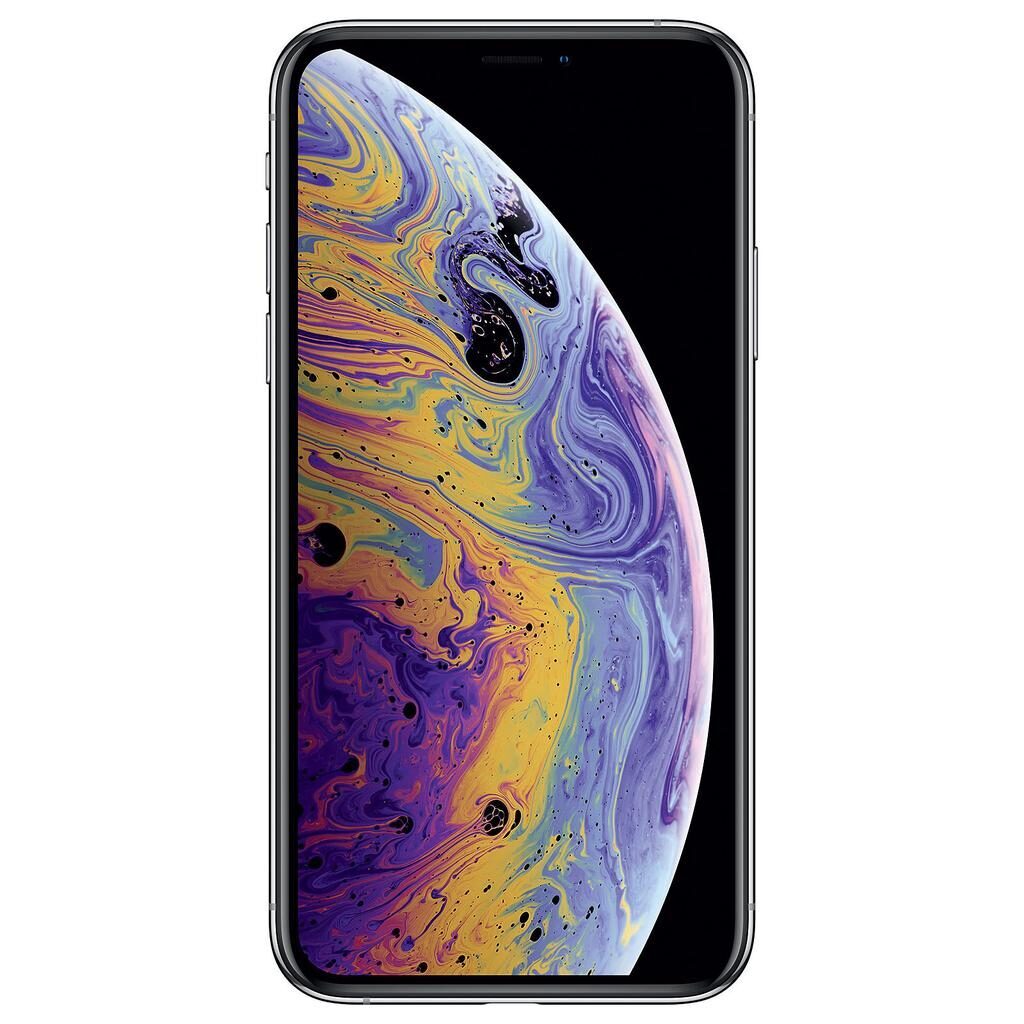
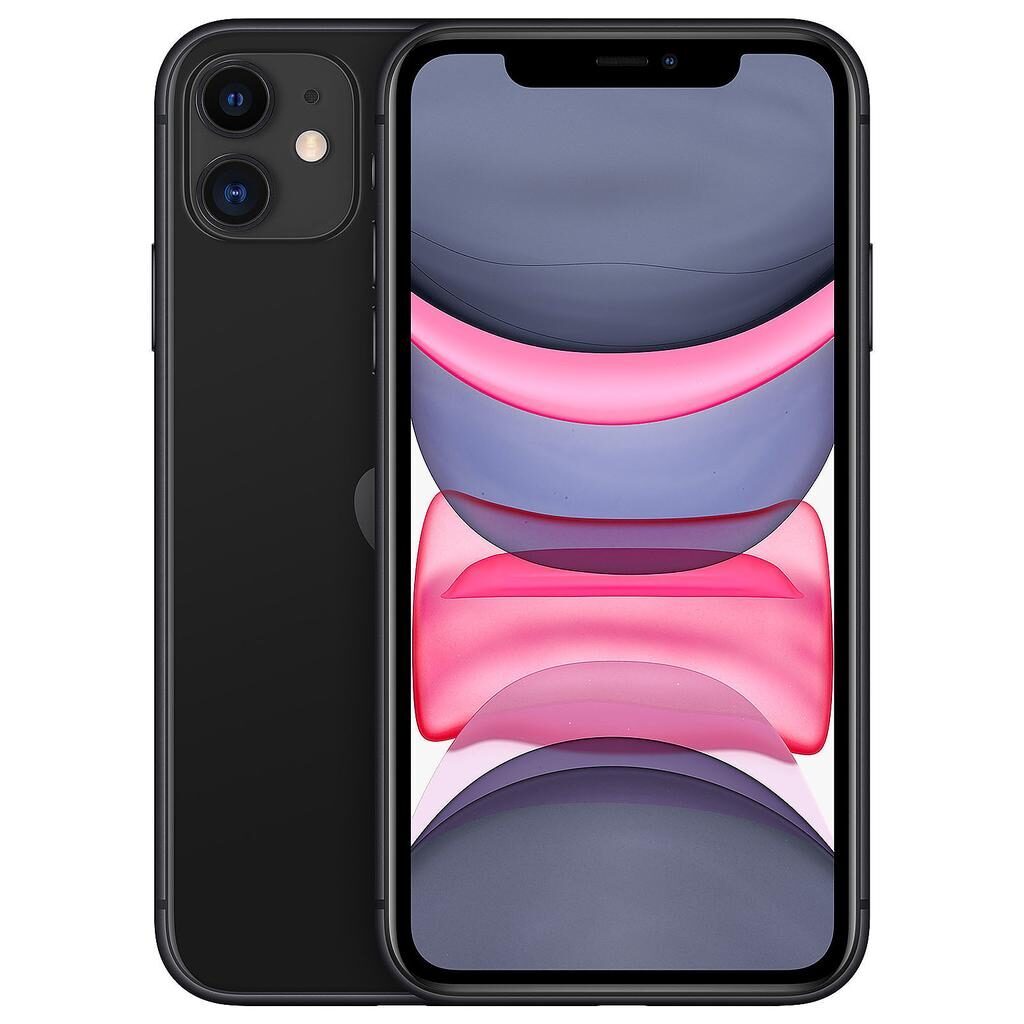
Galaxy S7 vs iPhone XR
Shop Samsung Galaxy
Galaxy S7
Starting at
£78.66£489.00 new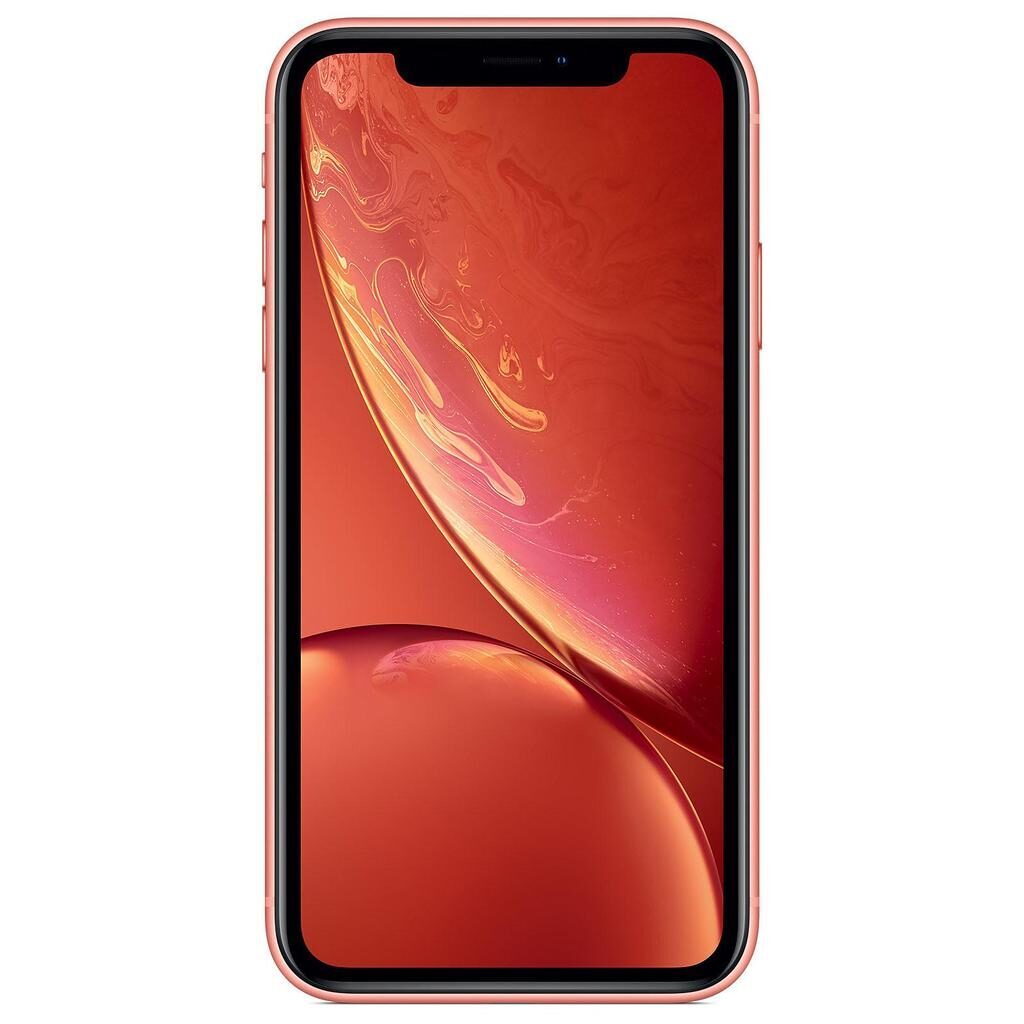
iPhone XR
Starting at
£130.30£399.00 newWhat's the difference between the Galaxy S7 and iPhone XR?
Galaxy S7 vs iPhone XR comes down to the chipset, RAM and battery. Refurbished, the Galaxy S7 starts at £78.66, £51.64 less than the iPhone XR. The iPhone XR is the newer model, released in 2018.
Refurbished from
Chipset
RAM
Battery
Screen size
Screen type
- Chipset: Snapdragon 820 MSM8996 (14 nm), Exynos 8 Octa 8890 on the Galaxy S7, Apple A12 Bionic (7 nm) on the iPhone XR.
- The Galaxy S7 has more RAM: 4 GB vs 3 GB.
- Battery: 3000 mAh on the Galaxy S7, 2942 mAh on the iPhone XR.
Galaxy S7 vs iPhone XR specs
The Galaxy S7 and iPhone XR differ in several ways that suit different users. The Galaxy S7 offers a sharper, smaller Super AMOLED screen and more RAM, which helps keep more apps open. It supports expandable storage via microSDXC and has a dual physical SIM option, which could suit travellers or those needing more storage flexibility. It uses a physical SIM plus eSIM, providing a modern approach to dual SIM use. The iPhone XR's chipset is built on a smaller process node, optimising performance and efficiency for those who prefer iOS. Both phones are unlocked and support 4G networks, catering to a wide range of users.
Galaxy S7 vs iPhone XR price
Colour
Galaxy S7 vs iPhone XR battery life and software updates
Durability covers software support, operating systems and physical aspects that affect day-to-day use. Both devices run different operating systems, which affects the user experience and app availability.
Software Updates
This suits users who want to keep their phone up to date over time.
Operating System Choice
The Galaxy S7 runs Android, offering a more customisable interface and broader hardware compatibility. The iPhone XR uses iOS, known for its streamlined design and integration with other Apple products. Your choice here depends on which operating system you prefer and which apps or ecosystems you already use.
Battery
Foldable
Ip rating
Software updates
Wireless charging
Year of release
Galaxy S7 vs iPhone XR performance
Performance depends on the chipset, memory, and storage options. The iPhone XR has a newer chipset made with a smaller manufacturing process, while the Galaxy S7 has more RAM. Storage options also differ, which can affect how much data and apps you can keep on the device.
Processor Efficiency
The iPhone XR features the Apple A12 Bionic built on a 7 nm process, which generally offers better efficiency and performance for demanding apps. The Galaxy S7 uses the Snapdragon 820 MSM8996 or Exynos 8890 built on a 14 nm process, which is older but still capable for everyday tasks. This suits users who want a balance of speed and power efficiency.
Memory Capacity
The Galaxy S7 includes 4 GB of RAM, which can help keep more apps running smoothly in the background. The iPhone XR has 3 GB of RAM, which is optimised for iOS to maintain performance but might keep fewer apps open simultaneously. Choose the Galaxy S7 if you prioritise multitasking with many apps open.
Storage Options
The Galaxy S7 comes with 32 GB storage in our stock, suitable for everyday use but with room to expand using a microSDXC card. The iPhone XR is stocked in 64 GB, 128 GB, and 256 GB options, giving more built-in space for apps, photos, and media. The Galaxy S7's expandable storage suits users needing flexible space, while the iPhone XR suits those preferring higher internal storage capacities.
Chipset
RAM
Galaxy S7 vs iPhone XR screen
Screen quality influences how you view content, play games or browse the web. The Galaxy S7 has a smaller but higher resolution Super AMOLED screen, while the iPhone XR offers a larger Liquid Retina IPS LCD screen with lower resolution.
Screen Size
The iPhone XR has a 6.1 inch screen, giving more room for video, reading, and touch controls. The Galaxy S7 has a 5.1 inch screen, which makes it easier to hold and operate with one hand. Choose based on whether you prefer a more compact phone or a larger display area.
Resolution and Display Type
The Galaxy S7's 1440 x 2560 Super AMOLED screen delivers higher resolution and deeper contrast, which benefits users who value sharpness and vibrant colours. The iPhone XR's 828 x 1792 Liquid Retina IPS LCD screen offers accurate colours and good viewing angles, suited for users who want a larger screen with natural colour reproduction.
Resolution
Screen size
Screen type
Galaxy S7 vs iPhone XR camera
Audiovisual specs focus on the cameras, which affect photo and video quality as well as video calls. Both devices have the same main camera resolution but differ slightly in front camera megapixels.
Main Camera
Both the Galaxy S7 and iPhone XR feature a 12 megapixel main camera, making them suitable for capturing detailed photos. This means your choice can be based on other factors like camera software or brand preference rather than resolution alone.
Front Camera
The iPhone XR has a 7 megapixel front camera, offering more detail for selfies and video calls compared to the Galaxy S7's 5 megapixel front camera. This suits users who prioritise clearer self-portraits or video conferencing.
Camera type
Front camera
Main camera
Galaxy S7 vs iPhone XR size and design
Miscellaneous features include network compatibility, physical dimensions, SIM options and storage expandability, which affect daily convenience and device flexibility.
SIM Card Options
The Galaxy S7 supports dual physical SIM cards, which is useful if you want two separate phone numbers using physical SIMs. The iPhone XR uses one physical SIM plus an eSIM, offering a modern way to have two lines without needing two physical cards. Choose based on your preference for managing multiple numbers.
Storage Expansion
The Galaxy S7 includes a microSDXC slot, allowing you to add extra storage easily. The iPhone XR does not support expandable storage, so you will rely on the internal storage size you choose. If you prefer adding storage later, the Galaxy S7 suits you.
Physical Size and Weight
The Galaxy S7 is smaller and lighter at 142.4 mm tall, 69.6 mm wide and 152 g, making it a compact option. The iPhone XR is larger and heavier at 150.9 mm tall, 75.7 mm wide and 194 g, which provides a bigger screen but a less pocket-friendly size. Pick based on how you carry and handle your phone.
Network Compatibility and Carrier
Both devices are unlocked and support 4G networks, meaning you can use them with a wide range of UK carriers. This makes them flexible choices regardless of your network provider.
Carrier compatibility
Connector
Depth
Height
Mobile network
Release date
SD card slot
SIM card
Weight
Width
Galaxy S7 or iPhone XR: which should you buy?
Buy the Galaxy S7 if
- you want to spend less: it starts at £78.66, £51.64 less than the iPhone XR
- you want more RAM (4 GB vs 3 GB)
- you want an OLED screen
Buy the iPhone XR if
- you want a bigger screen (6.1 inch vs 5.1 inch)
- you want a higher-resolution front camera (7 megapixels vs 5 megapixels)
What our customers say
Customers say the Galaxy S7 is in good condition and offers fair value. Some find the battery life short, needing frequent charging, which can affect heavy users. The phone's setup may be tricky for some, especially without a manual, but it works well once configured. Its compact size and unlocked status make it suitable for users who want a smaller phone or dual physical SIMs. Some mention minor issues with buttons or battery but generally consider it fine for everyday use.
Customers praise the iPhone XR for looking like new with no marks and strong battery health on many units. Setup is described as easy, and the phone runs well with fast performance. The larger screen size is appreciated, especially by older users, and the variety of storage options suits different needs. Some mention the replacement battery is not always an official Apple part, leading to occasional warnings, but this does not affect overall satisfaction. The unlocked status and dual SIM via eSIM are seen as convenient.
Overall, the Galaxy S7 suits users wanting a compact Android phone with expandable storage and dual physical SIMs. The iPhone XR fits those preferring a larger iOS device with longer software support and higher built-in storage options.
Galaxy S7 vs iPhone XR FAQs
Galaxy S7 vs iPhone XR comes down to the chipset, RAM and battery. Chipset: Snapdragon 820 MSM8996 (14 nm), Exynos 8 Octa 8890 on the Galaxy S7, Apple A12 Bionic (7 nm) on the iPhone XR. The Galaxy S7 has more RAM: 4 GB vs 3 GB.
The Galaxy S7 is cheaper refurbished, from £78.66 compared with £130.30 for the iPhone XR.
The Galaxy S7 has 3000 mAh and the iPhone XR has 2942 mAh.
Both have the same main camera: 12 megapixels.
Updates for the Galaxy S7 ended in Jun 2019. Updates for the iPhone XR ended in Apr 2026. Its last version is iOS 18.
Refurbished, the Galaxy S7 comes in 32GB, and the iPhone XR in 64GB, 128GB and 256GB.