Galaxy S6 vs Galaxy S7
Shop Samsung Galaxy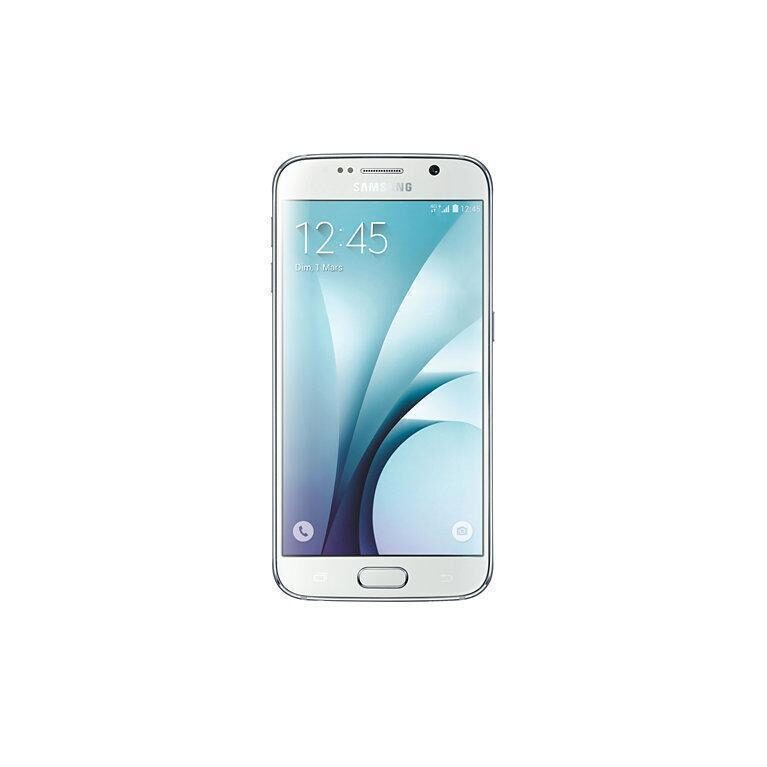
Galaxy S6
Starting at
£81.32£399.00 new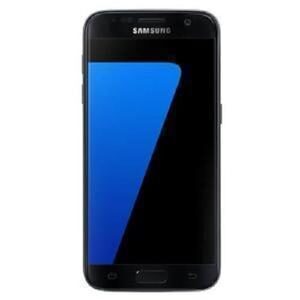
Galaxy S7
Starting at
£78.66£489.00 newWhat's the difference between the Galaxy S6 and Galaxy S7?
Galaxy S6 vs S7 comes down to the chipset, RAM and battery. Refurbished, the Galaxy S7 starts at £78.66, £2.66 less than the Galaxy S6. The Galaxy S7 is the newer model, released in 2016.
Refurbished from
Chipset
RAM
Battery
Main camera
Software updates
- Chipset: Exynos 7420 Octa (14 nm) on the Galaxy S6, Snapdragon 820 MSM8996 (14 nm), Exynos 8 Octa 8890 on the Galaxy S7.
- The Galaxy S7 has more RAM: 4 GB vs 3 GB.
- The Galaxy S7 has a bigger battery: 3000 mAh vs 2550 mAh.
Galaxy S6 vs Galaxy S7 specs
The Galaxy S6 and Galaxy S7 share many features such as screen size, resolution, and front camera, but they differ in performance, storage expandability, and some physical dimensions. The Galaxy S7 offers more RAM and comes with an SD card slot and dual SIM support, making it better suited for users who want extra memory and flexibility with SIM cards. The Galaxy S6 has a lighter weight and slightly thinner body, which might appeal to those who prioritise a more compact and lighter phone. Your choice depends on whether you value more memory and storage options or a slightly smaller, lighter phone.
Galaxy S6 vs Galaxy S7 price
Colour
Galaxy S6 vs Galaxy S7 battery life and software updates
Durability covers software updates, operating system, and physical design features affecting everyday use.
Operating System
Both the Galaxy S6 and Galaxy S7 use Android as their operating system. This means you will get a familiar interface and access to the same app ecosystem on either device.
Battery
Foldable
Ip rating
Software updates
Wireless charging
Year of release
Galaxy S6 vs Galaxy S7 performance
Performance differences come down to processor and memory, which influence how smoothly apps run and multitasking is handled. Storage options are the same for the models we stock.
Processor Type
The Galaxy S6 uses the Exynos 7420 Octa chipset, while the Galaxy S7 offers a choice between the Snapdragon 820 MSM8996 or Exynos 8 Octa 8890. These chipsets affect processing power and efficiency, so the Galaxy S7 may handle demanding tasks or newer apps more effectively.
RAM Capacity
The Galaxy S6 comes with 3 GB of RAM, which suits everyday use and moderate multitasking. The Galaxy S7 has 4 GB of RAM, allowing it to keep more apps open and maintain smoother performance during heavier multitasking or more intensive app use.
Storage Options
Both the Galaxy S6 and Galaxy S7 we stock come with 32 GB of internal storage. This capacity is suitable for everyday use, including apps, photos, and media.
Chipset
RAM
Galaxy S6 vs Galaxy S7 screen
Screen quality affects how you see content whether watching videos or browsing photos. These two devices share the same display size, type, and resolution.
Display Size and Resolution
Both the Galaxy S6 and Galaxy S7 feature a 5.1 inch Super AMOLED screen with a resolution of 1440 x 2560. This means you get the same sharp and colourful display for viewing photos, videos, or reading text on both devices.
Resolution
Screen size
Screen type
Galaxy S6 vs Galaxy S7 camera
Audiovisual features include the cameras, which affect photo and video quality. Front cameras are the same, but the main cameras differ in megapixels.
Front Camera
Both phones have a 5 megapixel front camera suitable for selfies and video calls. You can expect similar performance from either device in this regard.
Main Camera
The Galaxy S6 has a 16 megapixel main camera, which is higher in resolution compared to the Galaxy S7's 12 megapixel camera. A higher megapixel count can capture more detail in photos, which might appeal if you prioritise camera clarity.
Front camera
Main camera
Galaxy S6 vs Galaxy S7 size and design
Other differences include physical size, SIM support, and storage expandability. These factors influence how the phones fit in your hand and how flexible they are for storage and network use.
Physical Dimensions and Weight
The Galaxy S6 is slightly lighter at 138 g and has a depth of 6.8 mm, height of 143.4 mm, and width of 70.5 mm. The Galaxy S7 is a bit heavier at 152 g, with a depth of 7.9 mm, height of 142.4 mm, and width of 69.6 mm. This means the Galaxy S6 feels more compact and lighter in daily handling.
SIM Card Options
The Galaxy S6 supports a single physical SIM card, suitable for straightforward mobile use. The Galaxy S7 supports dual physical SIM cards, which is useful if you want to manage two phone numbers or networks simultaneously.
Storage Expansion
The Galaxy S7 includes a microSDXC card slot, allowing you to add extra storage if 32 GB is not enough. This is helpful if you store many photos, videos, or apps. The Galaxy S6 does not have this option.
Carrier Compatibility
Both phones come unlocked, meaning they can be used with any compatible network provider on 4G. This provides flexibility when choosing or switching mobile networks.
Carrier compatibility
Depth
Height
Mobile network
Release date
SD card slot
SIM card
Weight
Width
Galaxy S6 or Galaxy S7: which should you buy?
Buy the Galaxy S6 if
- you want a higher-resolution main camera (16 megapixels vs 12 megapixels)
- you want a lighter build (138 g vs 152 g)
Buy the Galaxy S7 if
- you want to spend less: it starts at £78.66, £2.66 less than the Galaxy S6
- you want more RAM (4 GB vs 3 GB)
- you want a bigger battery (3000 mAh vs 2550 mAh)
What our customers say
Customers who bought the Galaxy S6 often say the phone looks like new and is ready to use straight away by inserting a SIM card. The screen and general condition are praised as very good. Some found the charger or cable provided did not fit their needs, but once resolved, the phone worked well. A few customers experienced issues with the phone not being unlocked as expected, which affected their use. Overall, the Galaxy S6 appeals to those who want a lightweight, compact phone that handles everyday tasks reliably.
For the Galaxy S7, customers describe the phone as being in nice condition and fairly priced. Several mention battery life as a drawback, with some needing to replace the battery to get longer use between charges. The phone is appreciated as a gift or for general use, though setup can be slightly more complex due to different apps and missing manuals. Physical issues like an unresponsive side switch have been reported but are not common. The Galaxy S7 suits users who want the extra memory and storage expandability, and who do not mind the possibility of shorter battery life.
Both devices are good for people who want unlocked 4G phones with good screen quality. Choose the Galaxy S6 for a lighter, simpler handset, or the Galaxy S7 if you need more RAM, dual SIM support, and expandable storage.
Galaxy S6 vs Galaxy S7 FAQs
Galaxy S6 vs S7 comes down to the chipset, RAM and battery. Chipset: Exynos 7420 Octa (14 nm) on the Galaxy S6, Snapdragon 820 MSM8996 (14 nm), Exynos 8 Octa 8890 on the Galaxy S7. The Galaxy S7 has more RAM: 4 GB vs 3 GB.
The Galaxy S7 is cheaper refurbished, from £78.66 compared with £81.32 for the Galaxy S6.
The Galaxy S7 has a bigger battery: 3000 mAh vs 2550 mAh.
The Galaxy S6 has a higher-resolution main camera: 16 megapixels vs 12 megapixels.
Updates for the Galaxy S6 ended in Jun 2018. Updates for the Galaxy S7 ended in Jun 2019.
The Galaxy S7 adds more RAM (4 GB vs 3 GB), a bigger battery (3000 mAh vs 2550 mAh) and a memory card slot. Refurbished, it costs £2.66 less (from £78.66 vs £81.32).
Both come in 32GB refurbished.