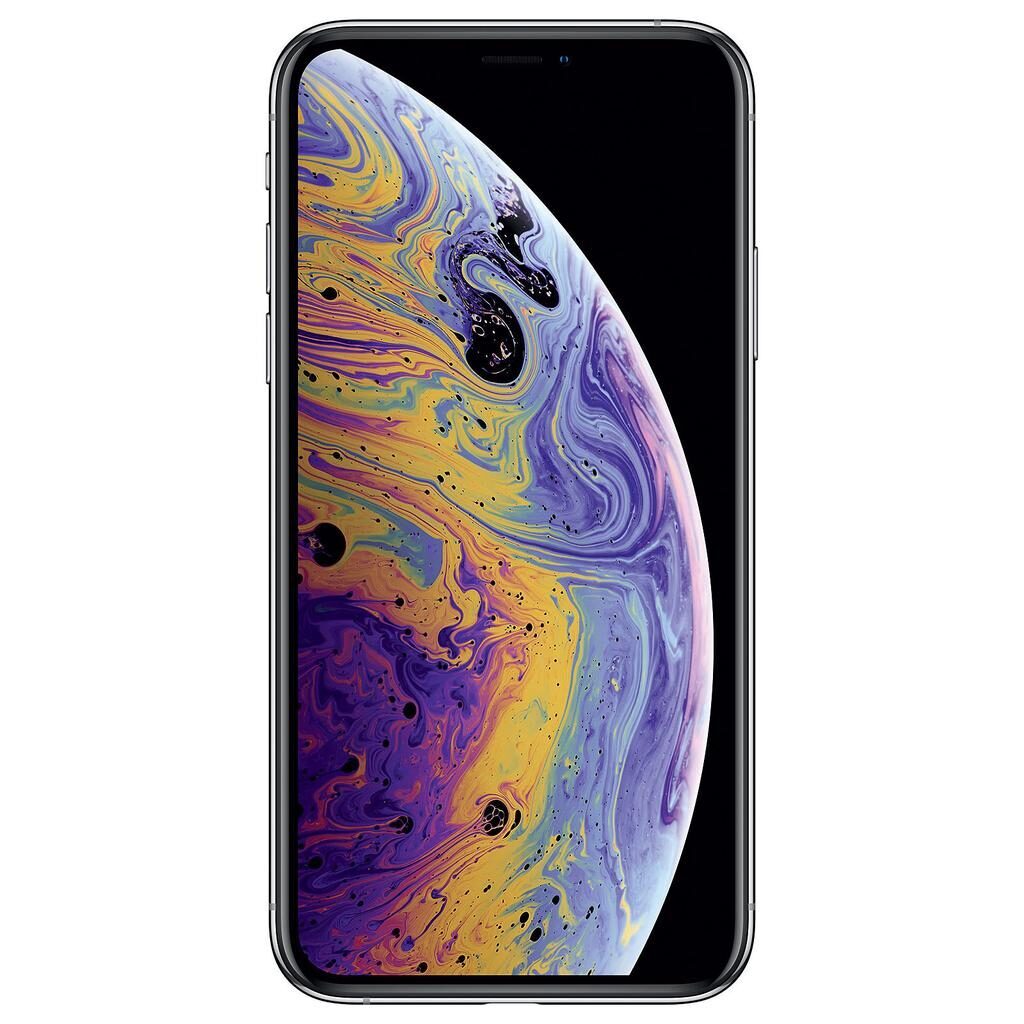
Galaxy S10e vs iPhone SE (2020)
Shop Samsung Galaxy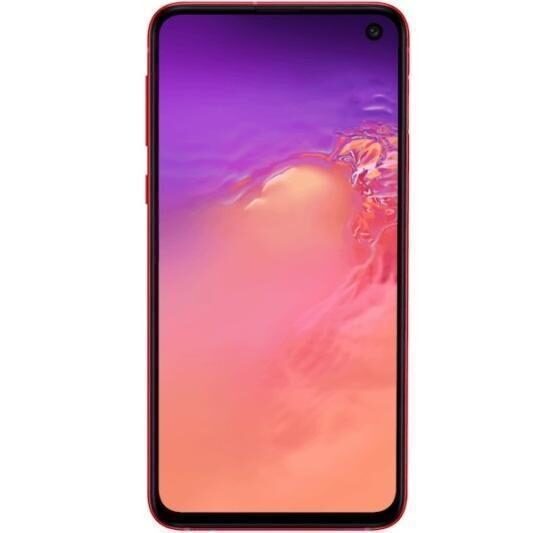
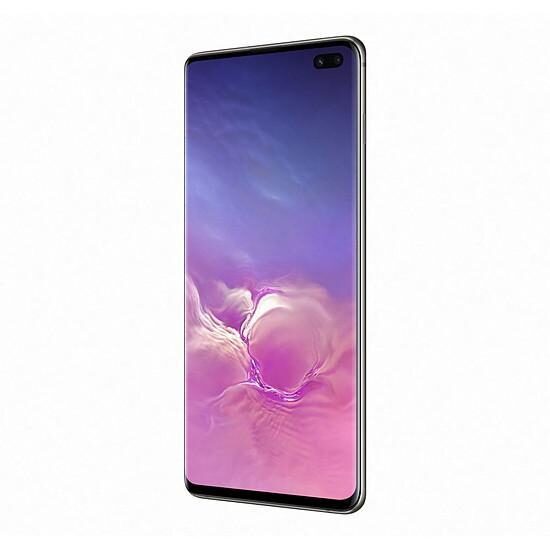
Galaxy S10e
Starting at
£114.20£439.00 new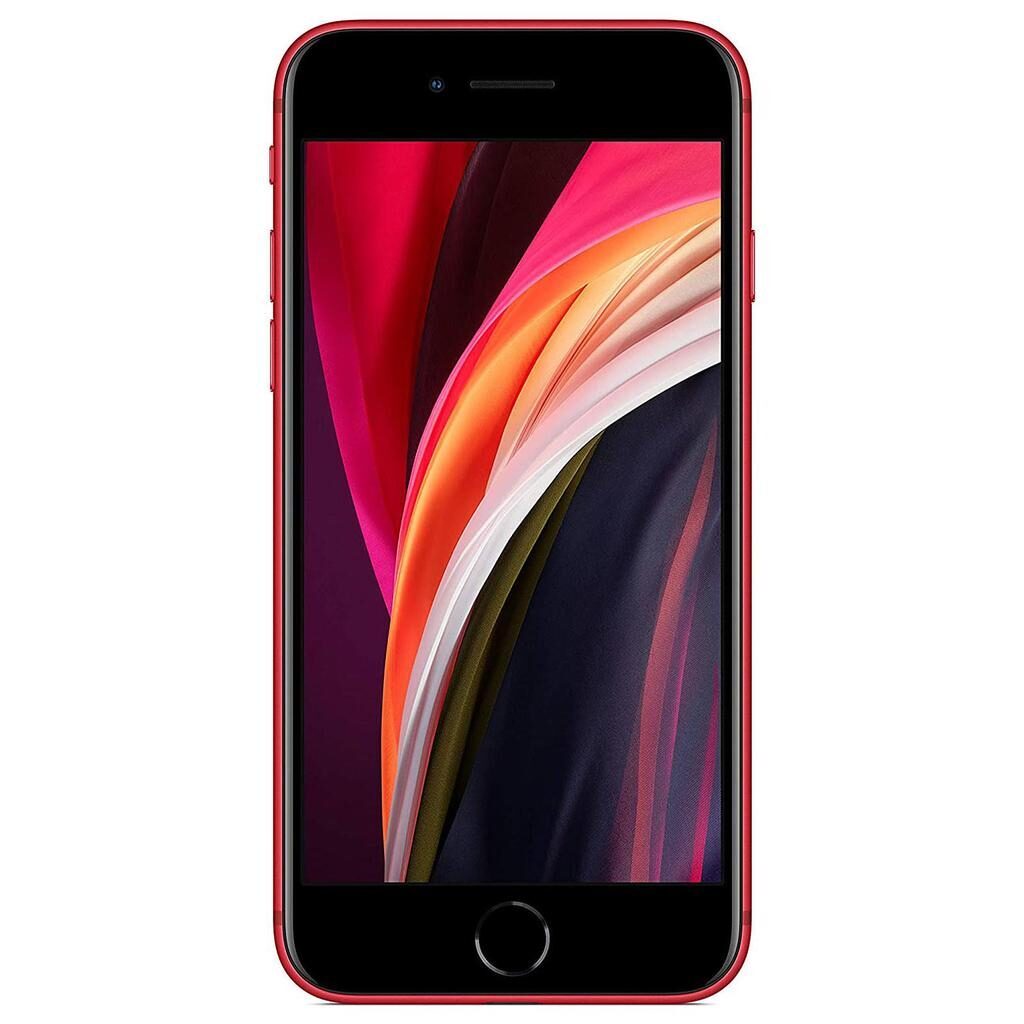
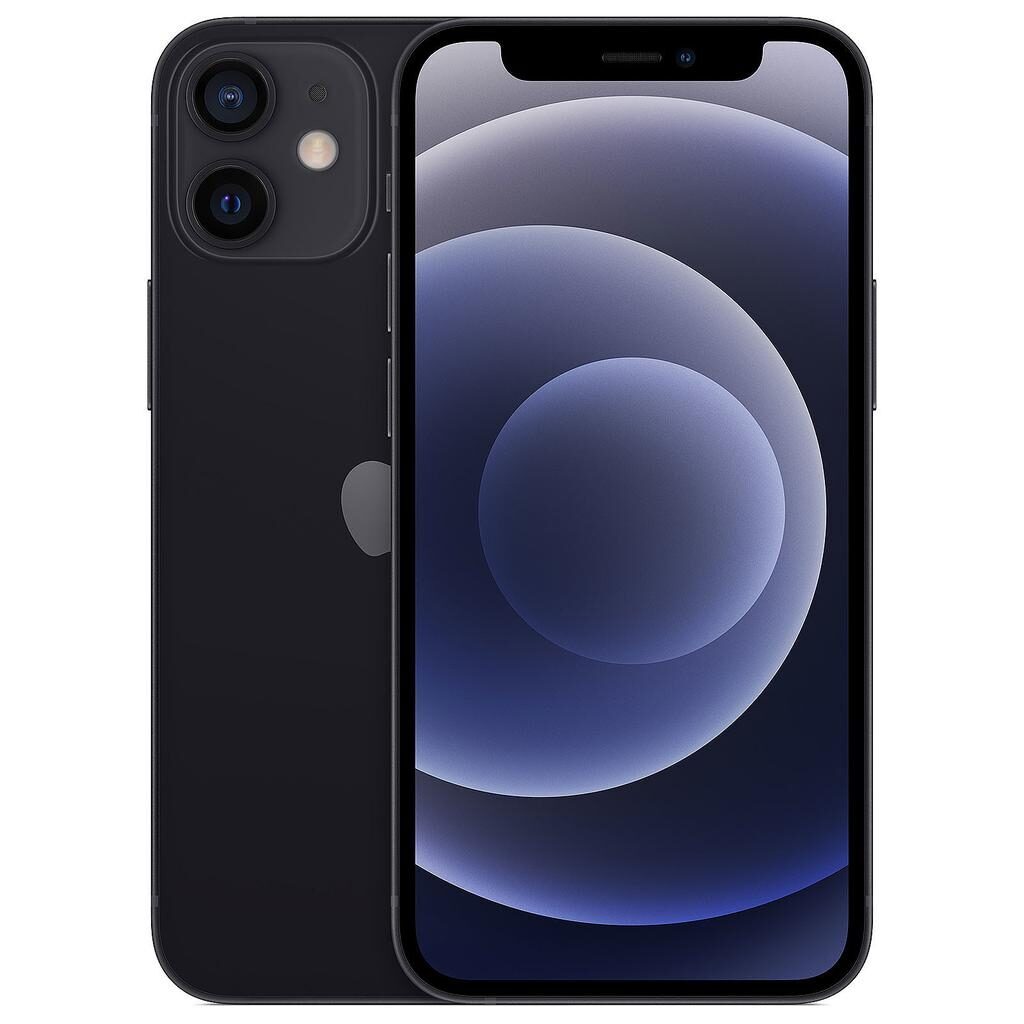
iPhone SE (2020)
Starting at
£75.11£289.00 newWhat's the difference between the Galaxy S10e and iPhone SE (2020)?
Galaxy S10e vs iPhone SE (2020) comes down to the chipset, RAM and screen size. Refurbished, the iPhone SE (2020) starts at £75.11, £39.09 less than the Galaxy S10e. The iPhone SE (2020) is the newer model, released in 2020.
Refurbished from
Chipset
RAM
Screen size
Screen type
Front camera
- Chipset: Exynos 9820 (8 nm), Qualcomm SM8150 Snapdragon 855 (7 nm) on the Galaxy S10e, Apple A13 Bionic on the iPhone SE (2020).
- The Galaxy S10e has more RAM: 6 GB vs 3 GB.
- The Galaxy S10e has a bigger screen: 5.8 inch vs 4.7 inch.
Galaxy S10e vs iPhone SE (2020) specs
The Galaxy S10e and iPhone SE (2020) differ in several key areas that suit different types of users. The Galaxy S10e offers a larger, higher-resolution Dynamic AMOLED screen and more RAM, making it well suited for those who want a vivid display and smoother multitasking. The Galaxy S10e has a 3.5mm headphone jack and microSDXC slot for extra storage, while the iPhone SE offers multiple storage options and includes eSIM support. Both phones have 12 megapixel main cameras but differ in front camera resolution and screen size.
Galaxy S10e vs iPhone SE (2020) price
Colour
Galaxy S10e vs iPhone SE (2020) battery life and software updates
Durability and software support are important for how long your phone stays useful.
Operating System
The Galaxy S10e runs Android, while the iPhone SE (2020) uses iOS. Choosing between them depends on which ecosystem you prefer and the apps you use daily.
Battery
Foldable
Ip rating
Software updates
Wireless charging
Year of release
Galaxy S10e vs iPhone SE (2020) performance
Chipset
RAM
Galaxy S10e vs iPhone SE (2020) screen
Screen quality affects your viewing experience for videos, photos and browsing. These two phones differ in screen size, resolution and technology.
Screen Size and Resolution
The Galaxy S10e has a 5.8 inch screen with 1080 by 2280 resolution, offering more space and sharper images than the iPhone SE (2020), which has a 4.7 inch screen at 750 by 1334 resolution. If you watch videos or browse often, the Galaxy S10e's larger, higher-res screen provides a roomier view.
Screen Technology
The Galaxy S10e uses a Dynamic AMOLED screen type, which typically delivers vibrant colours and deep blacks. The iPhone SE (2020) has a Retina IPS LCD screen, which provides accurate colours and good viewing angles. Your preference may depend on whether you prioritise vividness or colour accuracy.
Resolution
Screen size
Screen type
Galaxy S10e vs iPhone SE (2020) camera
Camera quality and front-facing features matter for photos, video calls and selfies. Both phones have similar main cameras but differ in front camera resolution.
Main Camera
Both the Galaxy S10e and iPhone SE (2020) have 12 megapixel main cameras. This means either phone can take photos with similar detail levels, suitable for everyday photography.
Front Camera
The Galaxy S10e has a 10 megapixel front camera, which captures more detail than the iPhone SE (2020)'s 7 megapixel front camera. If you take many selfies or make video calls, the Galaxy S10e may provide sharper front-facing images.
Camera type
Front camera
Main camera
Galaxy S10e vs iPhone SE (2020) size and design
Other features like connectivity, storage and physical design can affect how you use your phone day to day. These phones differ in ports, SIM options and storage choices.
Storage Options
The iPhone SE (2020) offers storage in 64GB, 128GB and 256GB options, allowing you to pick the right capacity for your needs. The Galaxy S10e is stocked with 128GB storage. The Galaxy S10e also supports microSDXC cards, so you can expand storage further if needed.
SIM and Network Features
The Galaxy S10e uses a physical SIM card and supports 4G networks. The iPhone SE (2020) supports both a physical SIM and eSIM, offering more flexibility if you want to use two numbers or switch carriers easily.
Connectors and Audio
The Galaxy S10e includes a USB-C port and a 3.5mm headphone jack, making it easy to use standard headphones without adapters. The iPhone SE (2020) uses a Lightning connector, so headphones and charging accessories must be compatible with that port.
Weight
Both phones are similar in weight, with the Galaxy S10e at 150 g and the iPhone SE (2020) slightly lighter at 148 g. This means both are fairly light and easy to carry.
Carrier compatibility
Connector
Depth
Height
Mobile network
Release date
SD card slot
SIM card
Weight
Width
Galaxy S10e or iPhone SE (2020): which should you buy?
Buy the Galaxy S10e if
- you want more RAM (6 GB vs 3 GB)
- you want a bigger screen (5.8 inch vs 4.7 inch)
- you want an OLED screen
Buy the iPhone SE (2020) if
- you want to spend less: it starts at £75.11, £39.09 less than the Galaxy S10e
- you want longer software support (supported, up to iOS 27 vs ended Apr 2023)
What our customers say
Customers who buy the Galaxy S10e often praise its condition, describing it as looking like new with storage that suits their apps and photos well. Many say it works smoothly and quickly thanks to its 6 GB RAM, making it good for everyday use and some multitasking. The size and shape are appreciated by those who prefer a phone that fits comfortably in the pocket without feeling too large. Some customers note minor wear or battery life that could improve but find the phone reliable overall. The inclusion of a headphone jack and USB-C port also receives positive mentions.
Buyers of the iPhone SE (2020) highlight its spotless condition and performance that meets expectations for daily use. The phone's compatibility with the latest iOS update and multiple storage options make it suitable for a range of users, including first-time smartphone owners and those invested in the Apple ecosystem. Customers mention it feels like a new device, with good battery life and camera quality. Some note small screen scratches or replaced screen parts but find these do not affect overall usability.
In summary, the Galaxy S10e suits those wanting a larger, sharper screen and more memory for multitasking, with flexible storage expansion and standard headphone support. The iPhone SE (2020) fits users who want the latest iOS support, a compact size, and a choice of storage capacities, especially if they prefer Apple's ecosystem.
Galaxy S10e vs iPhone SE (2020) FAQs
Galaxy S10e vs iPhone SE (2020) comes down to the chipset, RAM and screen size. Chipset: Exynos 9820 (8 nm), Qualcomm SM8150 Snapdragon 855 (7 nm) on the Galaxy S10e, Apple A13 Bionic on the iPhone SE (2020). The Galaxy S10e has more RAM: 6 GB vs 3 GB.
The iPhone SE (2020) is cheaper refurbished, from £75.11 compared with £114.20 for the Galaxy S10e.
Both have the same main camera: 12 megapixels.
Updates for the Galaxy S10e ended in Apr 2023. The iPhone SE (2020) is still supported and can run iOS 27.
Refurbished, the Galaxy S10e comes in 128GB, and the iPhone SE (2020) in 64GB, 128GB and 256GB.