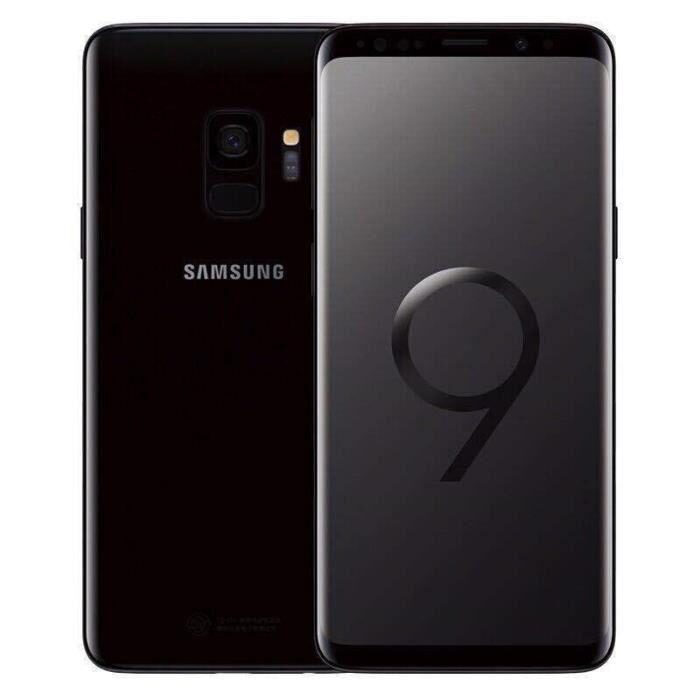
Galaxy Note9 vs iPhone 6S
Shop Samsung Galaxy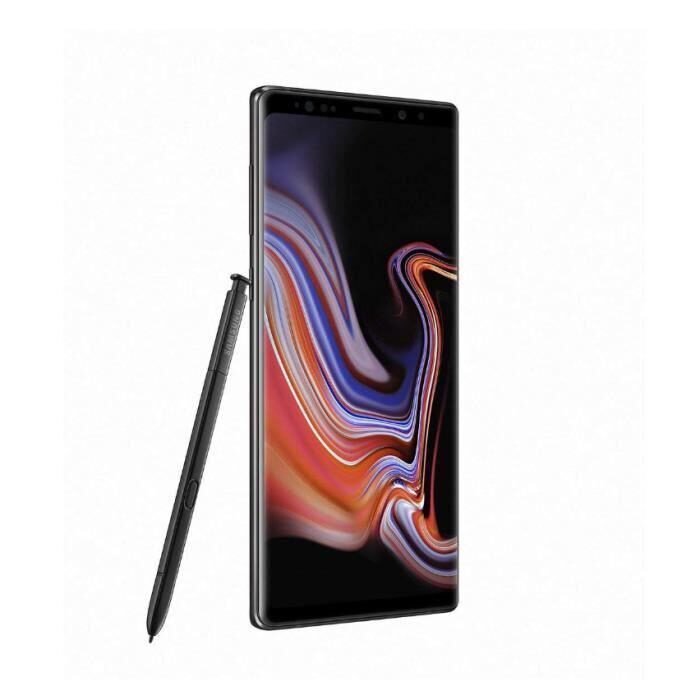
Galaxy Note9
Starting at
£142.00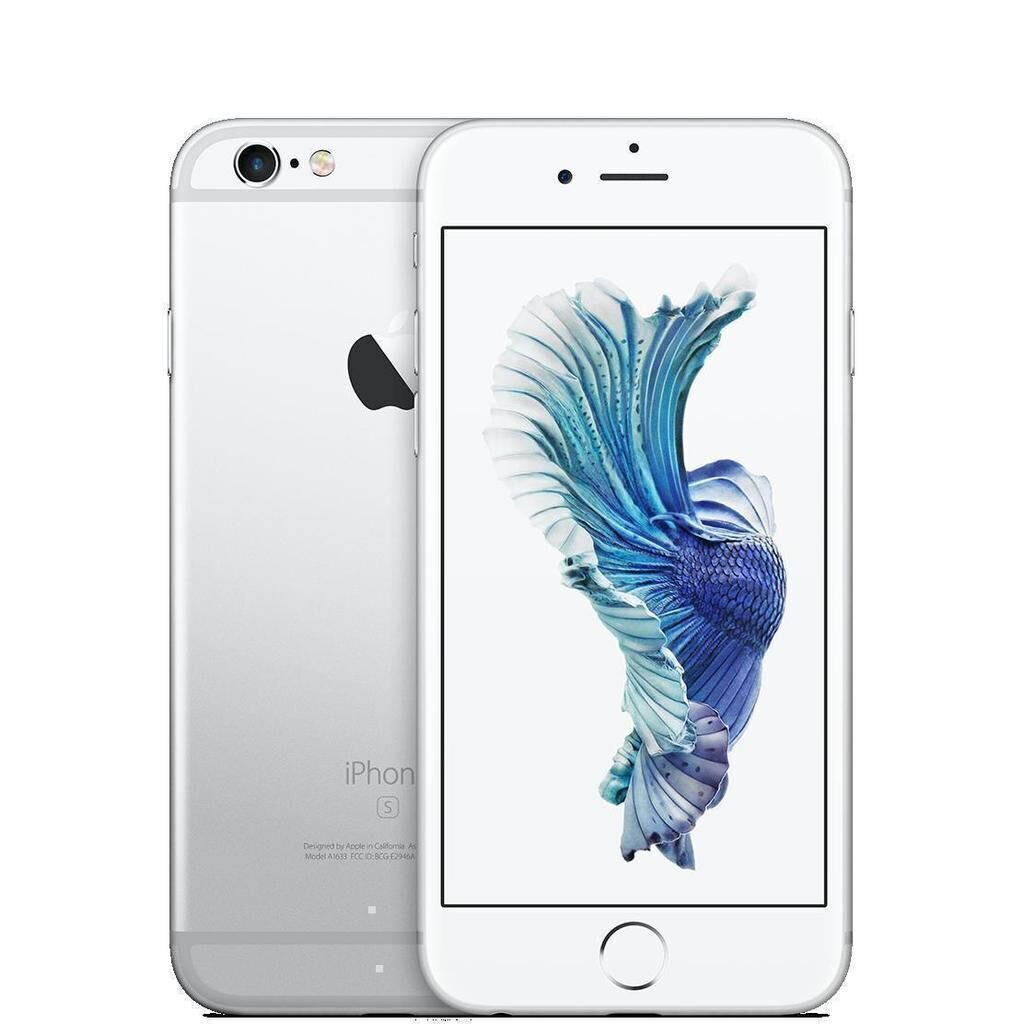
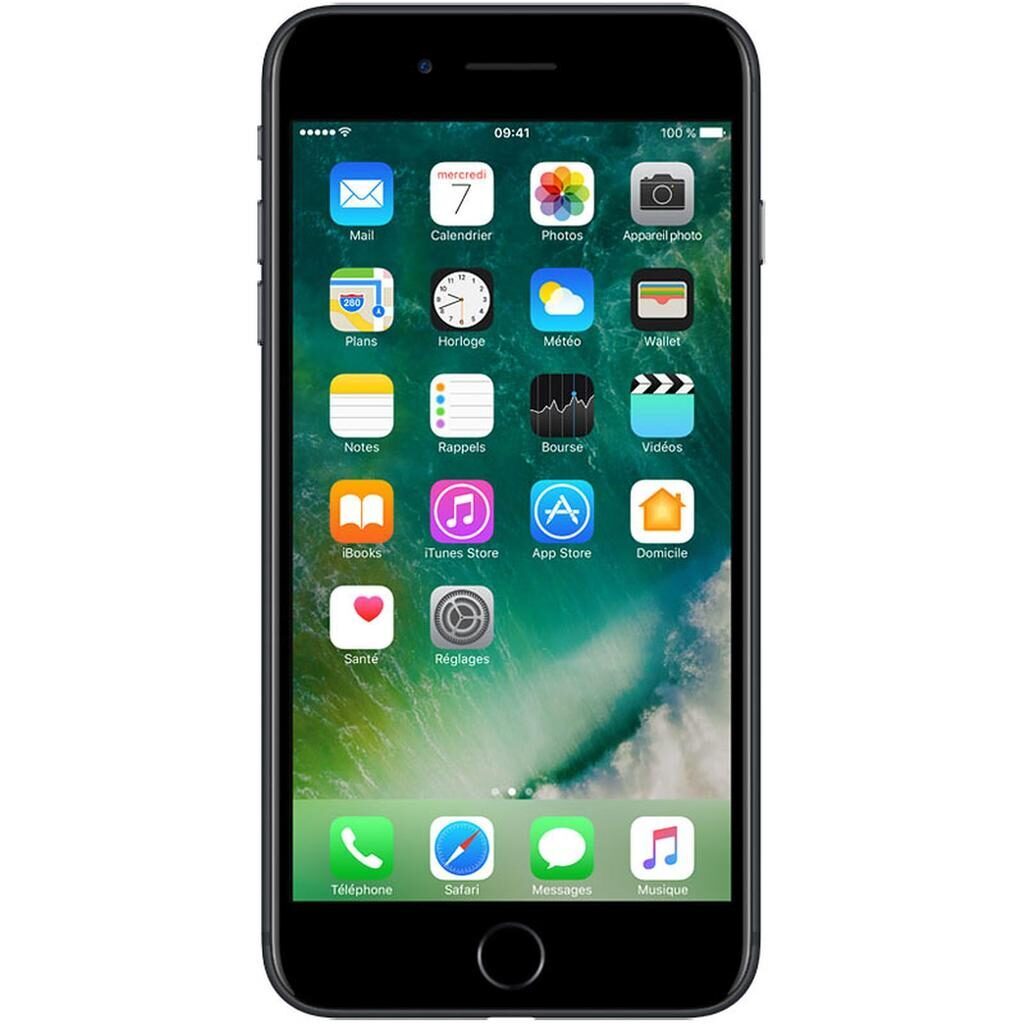
iPhone 6S
Starting at
£32.09£149.00 newWhat's the difference between the Galaxy Note9 and iPhone 6S?
Galaxy Note9 vs iPhone 6S comes down to the chipset, RAM and battery. Refurbished, the iPhone 6S starts at £32.09, £109.91 less than the Galaxy Note9. The Galaxy Note9 is the newer model, released in 2018.
Refurbished from
Chipset
RAM
Battery
Screen size
Screen type
- Chipset: Exynos 9810, Qualcomm SDM845 Snapdragon 845 on the Galaxy Note9, Apple A9 APL0898 on the iPhone 6S.
- The Galaxy Note9 has more RAM: 6 GB vs 2 GB.
- The Galaxy Note9 has a bigger battery: 4000 mAh vs 1715 mAh.
Galaxy Note9 vs iPhone 6S specs
The Galaxy Note9 and iPhone 6S differ in several ways that suit different needs. The Galaxy Note9 has a larger battery, more RAM, and a bigger, higher resolution Super AMOLED screen, which fits users who want more screen space and multitasking ability. The iPhone 6S has a smaller screen and battery but offers simpler storage options and a lighter design. Both phones have 4G and unlocked carrier compatibility, but the Note9 supports dual SIM cards and microSDXC storage expansion. The choice depends on whether you prefer a larger, more powerful device or a smaller, straightforward smartphone for everyday use.
Galaxy Note9 vs iPhone 6S price
Colour
Storage
Galaxy Note9 vs iPhone 6S battery life and software updates
These influence how long the devices last on a charge and the software environment they run.
Battery Capacity
The Galaxy Note9 has a 4000 mAh battery, which suits users who need longer usage between charges. The iPhone 6S has a 1715 mAh battery, fitting those who prefer a smaller phone and shorter daily use cycles.
Operating System
The Galaxy Note9 runs Android, which offers a different app environment and customization compared to the iPhone 6S, which runs iOS. Your choice depends on the system you are comfortable with.
Battery
Foldable
Software updates
Year of release
Galaxy Note9 vs iPhone 6S performance
Performance depends on the chipset, RAM, and storage options. These affect how smoothly the phone handles apps and multitasking, and how much data you can keep on the device.
Processor Power
The Galaxy Note9 uses either the Exynos 9810 or Qualcomm SDM845 Snapdragon 845 chipset, while the iPhone 6S uses the Apple A9 APL0898. The Note9's chipsets and larger RAM handle more intensive tasks and multitasking better.
Memory
The Galaxy Note9 has 6 GB of RAM, which helps keep many apps open and running smoothly. The iPhone 6S has 2 GB of RAM, suitable for everyday use and simpler multitasking.
Storage Options
The Galaxy Note9 is stocked with 128GB of storage, offering plenty of space for apps, photos, and files. The iPhone 6S comes in 16GB, 32GB, and 64GB options, which suits users with lighter storage needs.
Chipset
RAM
Galaxy Note9 vs iPhone 6S screen
Screen quality affects how you see and interact with your phone. Size, resolution, and screen technology influence clarity, colour, and how much content fits on the screen.
Screen Size
The Galaxy Note9 has a 6.4 inch screen, offering more room for watching videos, reading, and using apps. The iPhone 6S has a 4.7 inch screen, which is more compact and easier to use with one hand.
Resolution
With a resolution of 1440 x 2960, the Galaxy Note9 displays sharper and more detailed images. The iPhone 6S resolution is 750 x 1334, providing clear visuals suitable for everyday viewing.
Screen Type
The Galaxy Note9 uses a Super AMOLED screen, which offers vivid colours and deep blacks. The iPhone 6S uses an IPS LCD screen, which provides accurate colour and good viewing angles.
Resolution
Screen size
Screen type
Galaxy Note9 vs iPhone 6S camera
Audiovisual features cover the cameras, affecting photo and video quality. Front camera resolution matters for selfies and video calls, while the main camera influences everyday photography.
Front Camera
The Galaxy Note9 has an 8 megapixel front camera, suitable for detailed selfies and clearer video calls. The iPhone 6S has a 5 megapixel front camera, which works well for general use.
Main Camera
Both phones have a 12 megapixel main camera, making them capable of capturing images with similar detail levels.
Camera type
Front camera
Main camera
Galaxy Note9 vs iPhone 6S size and design
Miscellaneous features include size, weight, network compatibility, SIM and storage expandability. These affect daily handling, connectivity, and storage flexibility.
Carrier and Network
Both devices are unlocked and support 4G networks, giving freedom to choose any compatible UK carrier.
SIM and Storage Expansion
The Galaxy Note9 supports dual physical SIM cards and microSDXC cards for extra storage. The iPhone 6S uses a single physical SIM and does not have expandable storage, suiting users who prefer simplicity.
Physical Dimensions
The Galaxy Note9 is larger and heavier at 161.9 mm height, 76.4 mm width, 8.8 mm depth, and 201 g weight, fitting users comfortable with bigger phones. The iPhone 6S is smaller and lighter at 138.3 mm height, 67.1 mm width, 7.1 mm depth, and 143 g weight, ideal for those who want a compact device.
Carrier compatibility
Connector
Depth
Height
Mobile network
Release date
SD card slot
SIM card
Weight
Width
Galaxy Note9 or iPhone 6S: which should you buy?
Buy the Galaxy Note9 if
- you want more RAM (6 GB vs 2 GB)
- you want a bigger battery (4000 mAh vs 1715 mAh)
- you want a bigger screen (6.4 inch vs 4.7 inch)
Buy the iPhone 6S if
- you want to spend less: it starts at £32.09, £109.91 less than the Galaxy Note9
- you want a lighter build (143 g vs 201 g)
What our customers say
Customers who bought the Galaxy Note9 appreciate its condition and features, noting it often looks like new and functions well. Many mention the large screen and good performance. Some highlight battery issues, with a few needing replacements. Overall, users find it a cost-effective option for those who want a larger, capable phone, though some mention the operating system version affects app compatibility.
For the iPhone 6S, customers praise its condition and light, compact form. Many say it feels like a new phone and suits those wanting a simple, good quality smartphone. Several mention battery health varies but generally lasts all day with a good refurb. The camera and screen quality meet everyday needs, and it is often bought as a gift or a straightforward upgrade.
The Galaxy Note9 suits users wanting a bigger screen, more storage, and multitasking ability. The iPhone 6S is well suited for those preferring a smaller, lighter phone with a straightforward user experience for everyday use.
Galaxy Note9 vs iPhone 6S FAQs
Galaxy Note9 vs iPhone 6S comes down to the chipset, RAM and battery. Chipset: Exynos 9810, Qualcomm SDM845 Snapdragon 845 on the Galaxy Note9, Apple A9 APL0898 on the iPhone 6S. The Galaxy Note9 has more RAM: 6 GB vs 2 GB.
The iPhone 6S is cheaper refurbished, from £32.09 compared with £142 for the Galaxy Note9.
The Galaxy Note9 has a bigger battery: 4000 mAh vs 1715 mAh.
Both have the same main camera: 12 megapixels.
Updates for the Galaxy Note9 ended in Jul 2022. Updates for the iPhone 6S ended in Mar 2025. Its last version is iOS 15.
Refurbished, the Galaxy Note9 comes in 128GB, and the iPhone 6S in 16GB, 32GB and 64GB.