Galaxy J3 (2016) vs Huawei Mate 20 Pro
Shop Samsung Galaxy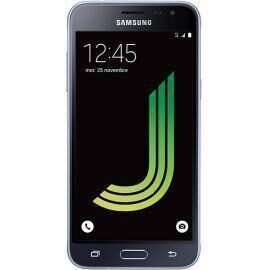
Galaxy J3 (2016)
Starting at
£48.00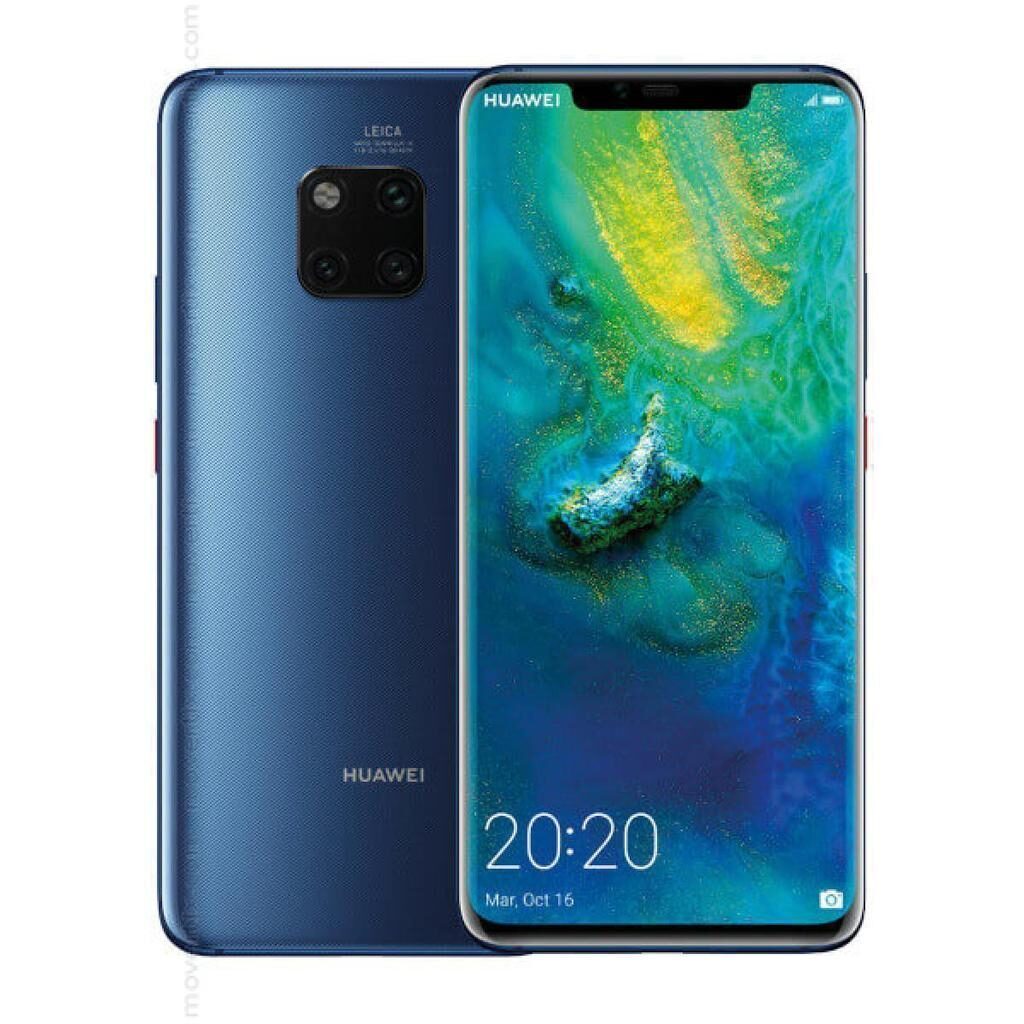
Huawei Mate 20 Pro
Starting at
£95.00What's the difference between the Galaxy J3 (2016) and Huawei Mate 20 Pro?
Galaxy J3 (2016) vs Huawei Mate 20 Pro comes down to the RAM, battery and screen size. Refurbished, the Galaxy J3 (2016) starts at £48, £47 less than the Huawei Mate 20 Pro. The Huawei Mate 20 Pro is the newer model, released in 2018.
Refurbished from
RAM
Battery
Screen size
Screen type
Main camera
- The Huawei Mate 20 Pro has more RAM: 6 GB vs 2 GB.
- The Huawei Mate 20 Pro has a bigger battery: 4200 mAh vs 2600 mAh.
- The Huawei Mate 20 Pro has a bigger screen: 6.39 inch vs 5 inch.
Galaxy J3 (2016) vs Huawei Mate 20 Pro specs
The Galaxy J3 (2016) and Huawei Mate 20 Pro differ significantly in features and design, suiting different users. The Galaxy J3 (2016) offers a simpler experience with a smaller 5 inch Super AMOLED screen and lower camera megapixels, making it suitable for everyday use and basic tasks. The Huawei Mate 20 Pro has a larger 6.39 inch OLED screen with higher resolution and more memory, ideal for users who want more screen space, sharper images, and better multitasking. The Mate 20 Pro is heavier and larger, with a USB-C connector and higher storage, while the Galaxy J3 uses micro USB and offers expandable storage via microSDXC. Each device fits different needs depending on what matters most in screen size, camera quality, and storage.
Galaxy J3 (2016) vs Huawei Mate 20 Pro price
Colour
- BlackSold out
- GoldSold out
- WhiteSold out
- BlackSold out
- BlueSold out
- GreenSold out
Storage
- 8GBSold out
- 16GBSold out
- 128GBSold out
Galaxy J3 (2016) vs Huawei Mate 20 Pro battery life and software updates
Neither device is foldable. Here we look at what durability means for everyday use.
Software Updates
This means both phones run on older versions of Android, which may affect access to new features or security improvements over time.
Battery
Foldable
Software updates
Year of release
Galaxy J3 (2016) vs Huawei Mate 20 Pro performance
Chipset
RAM
Galaxy J3 (2016) vs Huawei Mate 20 Pro screen
Screen size, type, and resolution differ between these two phones, affecting how much you can see and the clarity of images. Here are the differences for your viewing experience.
Screen Size and Viewing Space
The Huawei Mate 20 Pro has a 6.39 inch screen, offering a larger display area suited for watching videos, browsing, and reading. The Galaxy J3 (2016) has a smaller 5 inch screen which fits comfortably in one hand and suits users who prefer a compact device.
Screen Resolution
The Mate 20 Pro's resolution of 1440 by 3120 pixels provides sharper images and more detail, which is noticeable when viewing photos or high-definition content. The Galaxy J3 (2016) has a resolution of 720 by 1280 pixels, suitable for everyday tasks and clear enough for most users who do not need extra clarity.
Screen Type
The Galaxy J3 (2016) features a Super AMOLED screen, known for vibrant colours and deep blacks, enhancing viewing in bright environments. The Mate 20 Pro uses an OLED screen, which also offers rich colours and contrast, making both phones good for multimedia but with slightly different display technologies.
Resolution
Screen size
Screen type
Galaxy J3 (2016) vs Huawei Mate 20 Pro camera
Camera quality varies greatly between the two phones, affecting how detailed your photos will be. Front and main camera megapixels indicate the level of detail you can expect.
Front Camera
The Huawei Mate 20 Pro has a front camera of 24 megapixels, making it well suited for detailed selfies and video calls. The Galaxy J3 (2016) has a 2 megapixel front camera, which covers basic video and selfie needs but with less detail.
Main Camera
With a 40 megapixel main camera, the Huawei Mate 20 Pro captures much more detail, useful for photography enthusiasts or anyone wanting high-resolution images. The Galaxy J3 (2016) has an 8 megapixel main camera, which handles everyday photos and casual snapshots effectively.
Camera type
Front camera
Main camera
Galaxy J3 (2016) vs Huawei Mate 20 Pro size and design
Several practical details set these two phones apart, including connections, size, storage, and network compatibility. These differences affect how you use and carry the phone daily.
Connector Types
The Galaxy J3 (2016) uses a micro USB connector and includes a 3.5mm headphone jack, which suits users with older accessories or who prefer wired headphones. The Huawei Mate 20 Pro uses a USB-C connector, common on newer devices, which supports faster data transfer and charging options.
Storage Options
Huawei Mate 20 Pro offers 128GB of storage, making it ideal for users who store many apps, photos, and videos. The Galaxy J3 (2016) comes with 8GB or 16GB storage options and supports microSDXC cards for expandable storage, suitable if you want flexibility.
Size and Weight
The Galaxy J3 (2016) measures 142.3 mm by 71 mm and weighs 138 g, making it compact and light for easy one-handed use. The Huawei Mate 20 Pro is larger at 15.78 cm by 7.23 cm and heavier at 189 g, offering a bigger screen but with a noticeable increase in size and weight.
Mobile Network and SIM
Both phones support 4G networks and use physical SIM cards, providing compatibility with a wide range of UK carriers. This makes both devices suitable for reliable mobile connectivity.
Expandable Storage Types
The Galaxy J3 (2016) supports microSDXC cards for storage expansion, allowing you to add extra space with widely available cards. The Huawei Mate 20 Pro supports NM (Nano Memory) cards, which are a different format specific to the device.
Carrier compatibility
Connector
Depth
Height
Mobile network
SD card slot
SIM card
Weight
Width
Galaxy J3 (2016) or Huawei Mate 20 Pro: which should you buy?
Buy the Galaxy J3 (2016) if
- you want to spend less: it starts at £48, £47 less than the Huawei Mate 20 Pro
- you want a lighter build (138 g vs 189 g)
- you want a headphone jack
Buy the Huawei Mate 20 Pro if
- you want more RAM (6 GB vs 2 GB)
- you want a bigger battery (4200 mAh vs 2600 mAh)
- you want a bigger screen (6.39 inch vs 5 inch)
What our customers say
Customers say the Galaxy J3 (2016) looks like new in many cases, with one noting it was described as fair but appeared better with hardly any wear and a perfect screen. Several users report the phone works well and matches the description, making it a good choice for everyday use. Some customers mention difficulties with SIM or network registration, while others praise its smooth running and solid battery life. Condition reports vary from immaculate to some scratches and dents.
Reviews for the Huawei Mate 20 Pro highlight its good condition and strong performance. Customers appreciate the quality of the phone and its features, although some mention issues with charging ports or specific behaviours like the phone ringing despite being muted. Transferring data from older devices can be a challenge, but overall the phone is described as working well and offering good value. The condition is generally reported as excellent with minor scratches on the screen in some cases.
The Galaxy J3 (2016) suits users seeking a straightforward, easy-to-use phone in good condition, while the Huawei Mate 20 Pro fits those wanting more advanced features and higher specifications. Both have satisfied customers who find value in their chosen device.
Galaxy J3 (2016) vs Huawei Mate 20 Pro FAQs
Galaxy J3 (2016) vs Huawei Mate 20 Pro comes down to the RAM, battery and screen size. The Huawei Mate 20 Pro has more RAM: 6 GB vs 2 GB. The Huawei Mate 20 Pro has a bigger battery: 4200 mAh vs 2600 mAh.
The Galaxy J3 (2016) is cheaper refurbished, from £48 compared with £95 for the Huawei Mate 20 Pro.
The Huawei Mate 20 Pro has a bigger battery: 4200 mAh vs 2600 mAh.
The Huawei Mate 20 Pro has a higher-resolution main camera: 40 megapixels vs 8 megapixels.
Updates for the Galaxy J3 (2016) ended in Apr 2019. We don't have published update dates for the Huawei Mate 20 Pro.
Refurbished, the Galaxy J3 (2016) comes in 8GB and 16GB, and the Huawei Mate 20 Pro in 128GB.