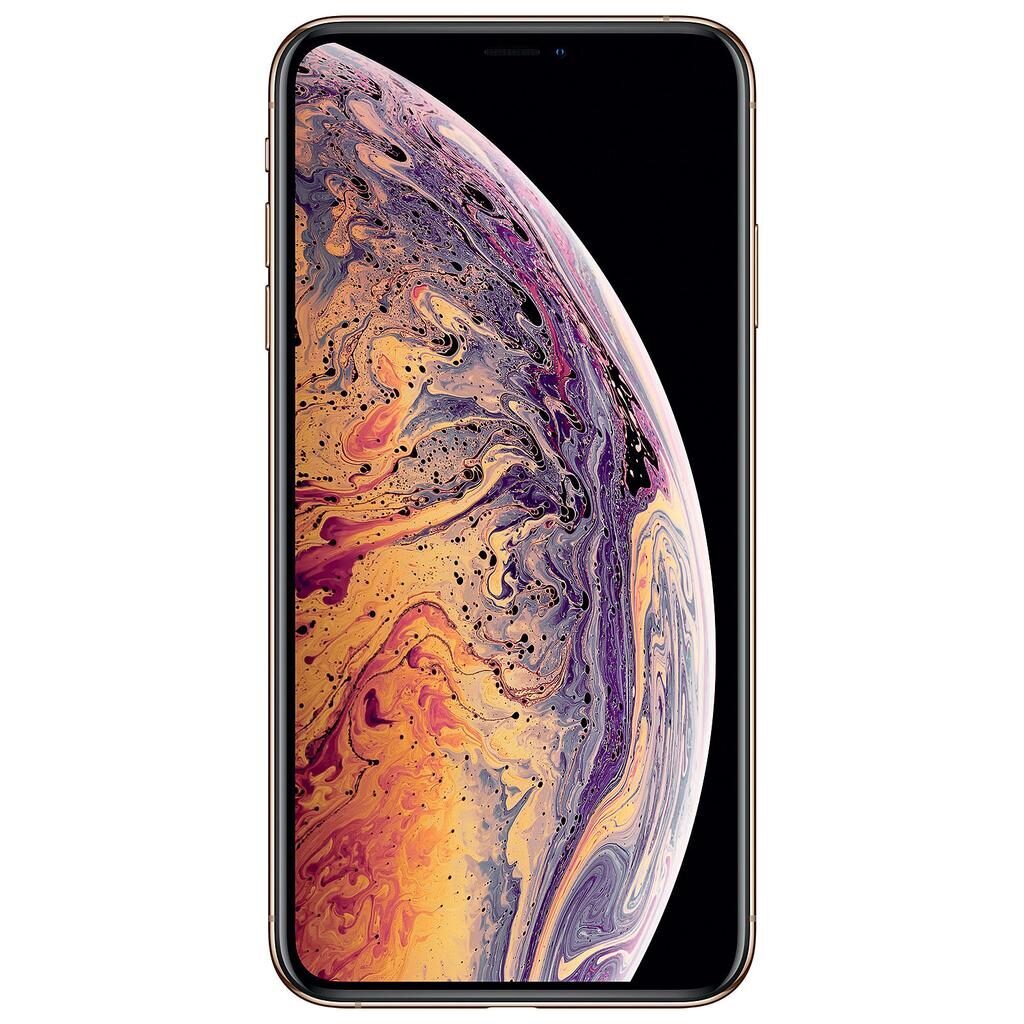
Huawei Mate 20 Pro vs iPhone XS
Shop Android Smartphones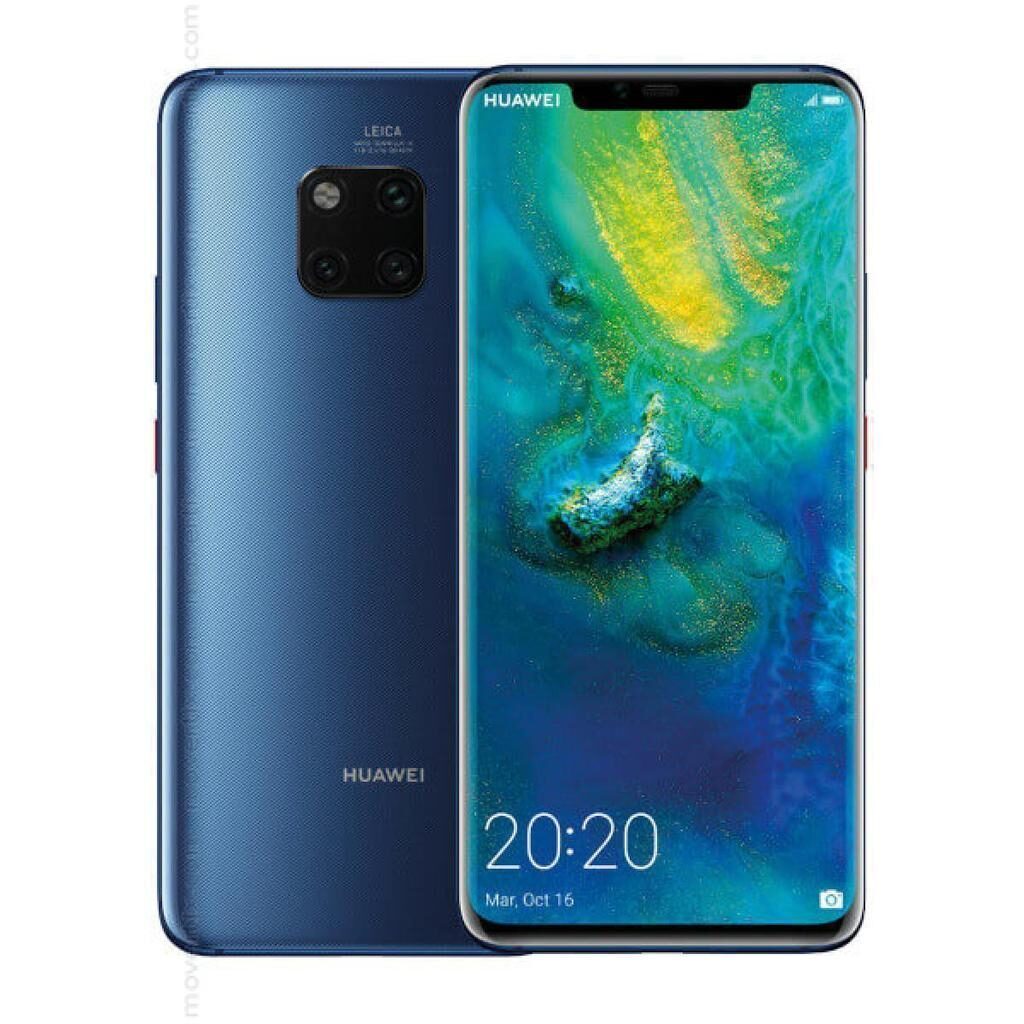
Huawei Mate 20 Pro
Starting at
£95.00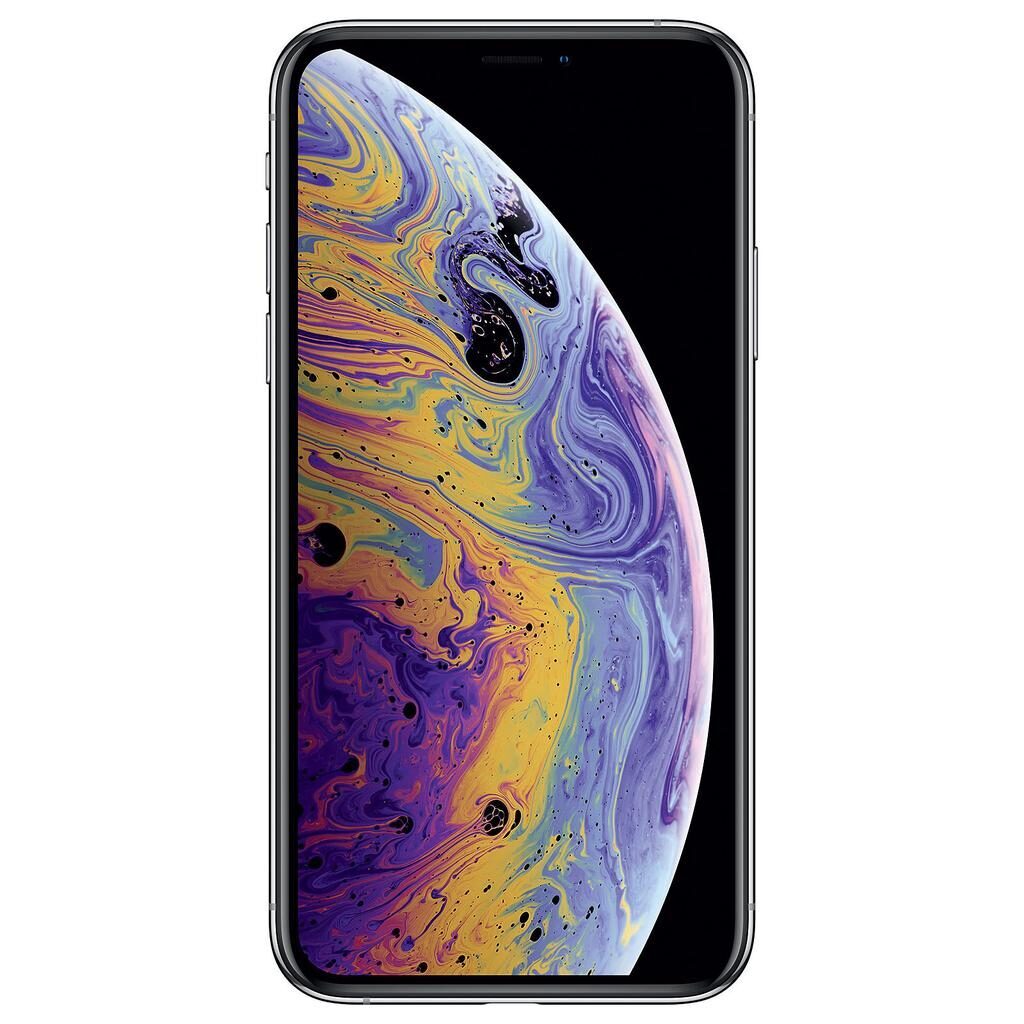
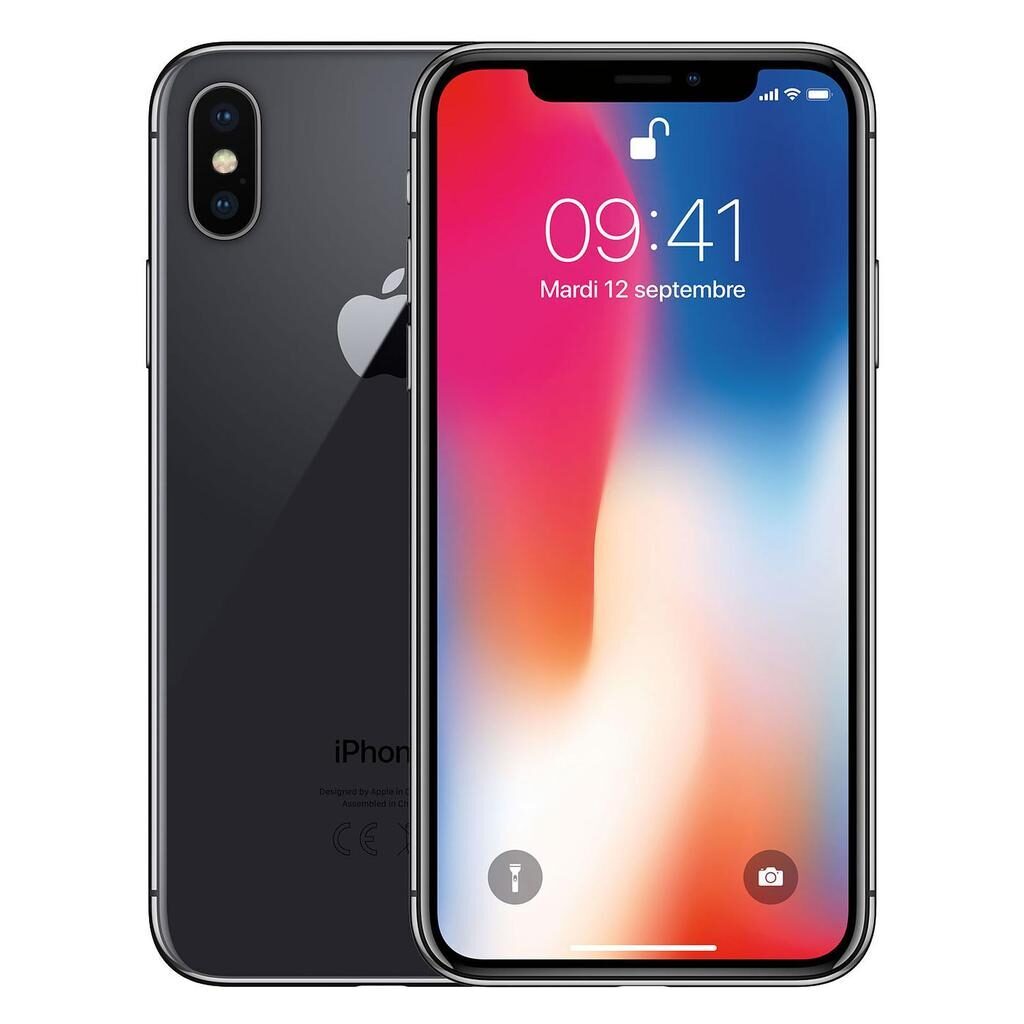
iPhone XS
Starting at
£138.35£559.00 newWhat's the difference between the Huawei Mate 20 Pro and iPhone XS?
Huawei Mate 20 Pro vs iPhone XS comes down to the chipset, RAM and battery. Refurbished, the Huawei Mate 20 Pro starts at £95, £43.35 less than the iPhone XS.
Refurbished from
Chipset
RAM
Battery
Screen size
Screen type
- Chipset: Kirin 980 (7 nm) on the Huawei Mate 20 Pro, Apple A12 Bionic on the iPhone XS.
- The Huawei Mate 20 Pro has more RAM: 6 GB vs 4 GB.
- The Huawei Mate 20 Pro has a bigger battery: 4200 mAh vs 2658 mAh.
Huawei Mate 20 Pro vs iPhone XS specs
The Huawei Mate 20 Pro and iPhone XS both launched in 2018 but offer different experiences suited to different users. The Mate 20 Pro has a larger, higher resolution screen and a more powerful battery, making it good for media and long use away from charge. It runs Android with more RAM and a triple camera setup for detailed photos. It comes in storage sizes up to 256GB and supports eSIM technology. Buyers who want longer battery life and a bigger screen may prefer the Mate 20 Pro, while those who value iOS updates and a compact size might choose the iPhone XS.
Huawei Mate 20 Pro vs iPhone XS price
Colour
- BlackSold out
- BlueSold out
- GreenSold out
Storage
- 128GBSold out
Huawei Mate 20 Pro vs iPhone XS battery life and software updates
Durability includes battery size, software updates, and operating system. These impact how long the phone lasts on a charge, how current the software stays, and the overall user experience.
Battery Capacity
The Huawei Mate 20 Pro has a 4200 mAh battery, which provides more power for longer use between charges. This suits users who need extended battery life, such as heavy media watchers or those often away from charging points. The iPhone XS has a 2658 mAh battery, which is smaller and may require more frequent charging during a busy day.
Software Updates
This is ideal for users who want to keep their device up to date over time.
Operating System
The Mate 20 Pro runs on Android, offering flexibility with apps and customisation. The iPhone XS uses iOS, known for its smooth integration with other Apple products and a consistent user interface. Your choice depends on which operating system you prefer for everyday use.
Battery
Foldable
Ip rating
Software updates
Wireless charging
Year of release
Huawei Mate 20 Pro vs iPhone XS performance
Performance covers the chipset, RAM, and storage options. These affect how smoothly the phone runs apps and handles multitasking, as well as how much space you have for files and apps.
Chipset
The Huawei Mate 20 Pro uses the Kirin 980 chipset built on 7 nm technology, while the iPhone XS is powered by the Apple A12 Bionic. Both are designed for strong performance in everyday tasks and more demanding apps, so your experience will be smooth whether browsing, gaming, or using multiple apps.
RAM Size
The Mate 20 Pro has 6 GB of RAM, which supports keeping more apps open at once for multitasking. The iPhone XS comes with 4 GB of RAM, which is sufficient for running apps smoothly on iOS. If you often switch between many apps, the Mate 20 Pro may handle this with slightly more ease.
Storage Options
Huawei Mate 20 Pro is stocked with 128GB of storage, offering generous space for apps, photos, and media. The iPhone XS comes in both 64GB and 256GB versions, allowing you to choose between a lower priced model with less space or a larger capacity for storing more files.
Chipset
RAM
Huawei Mate 20 Pro vs iPhone XS screen
Screen quality affects what you see and how much space you have for content. Differences in size, resolution, and screen type influence clarity and viewing comfort.
Screen Size and Resolution
The Huawei Mate 20 Pro has a larger 6.39 inch display with a resolution of 1440 by 3120, offering a very sharp and spacious view. This suits users who watch videos or use their phone for reading and browsing. The iPhone XS has a smaller 5.8 inch screen with a resolution of 1125 by 2436, making it more compact and easier to use with one hand.
Screen Technology
Huawei Mate 20 Pro uses an OLED screen, providing good contrast and colour. The iPhone XS features a Super Retina OLED display, which is Apple's branded technology for high brightness and colour accuracy. Both screens deliver vivid images, so your choice depends on whether you prefer a larger or more compact display.
Resolution
Screen size
Screen type
Huawei Mate 20 Pro vs iPhone XS camera
Audiovisual features focus on the cameras and front-facing sensors, which shape your experience with photos, videos, and video calls.
Camera Setup
The Huawei Mate 20 Pro has a triple camera system on the back, giving you more versatility for different types of photos. Its main camera has 40 megapixels, which captures detailed images. The iPhone XS has a dual camera setup with a 12 megapixel main sensor, delivering high quality photos suitable for everyday use.
Front Camera
Huawei's Mate 20 Pro includes a 24 megapixel front camera, which is well suited for selfies and video calls with sharp detail. The iPhone XS has a 7 megapixel front camera, providing good image quality for users who prefer Apple's camera software and features.
Camera type
Front camera
Main camera
Huawei Mate 20 Pro vs iPhone XS size and design
Miscellaneous differences include physical size, connectivity, and storage expansion options which affect daily handling and compatibility with accessories.
Size and Weight
The Huawei Mate 20 Pro measures 157.8 mm in height, 72.3 mm in width, and is 8.6 mm deep, weighing 189 g. The iPhone XS is smaller and lighter at 143.6 mm tall, 70.9 mm wide, 7.7 mm deep, and weighs 177 g. Choose Mate 20 Pro if you want a larger display and don't mind extra size, or iPhone XS for a more compact feel.
Connector Type
Huawei Mate 20 Pro uses USB-C for charging and data, a common standard for many devices. The iPhone XS uses Apple's Lightning connector, compatible with many Apple accessories. Your choice may depend on which cables and chargers you already have.
SIM and Storage Expansion
The Mate 20 Pro supports a physical SIM card and offers a Nano Memory (NM) card slot for expanding storage. The iPhone XS supports both a physical SIM and an eSIM but does not have a slot for memory cards, so storage depends on the internal capacity you choose.
Carrier Compatibility
Both phones come unlocked, meaning you can use them with a variety of mobile networks in the UK without restrictions.
Carrier compatibility
Connector
Depth
Height
Mobile network
Release date
SD card slot
SIM card
Weight
Width
Huawei Mate 20 Pro or iPhone XS: which should you buy?
Buy the Huawei Mate 20 Pro if
- you want to spend less: it starts at £95, £43.35 less than the iPhone XS
- you want more RAM (6 GB vs 4 GB)
- you want a bigger battery (4200 mAh vs 2658 mAh)
Buy the iPhone XS if
- you want a lighter build (177 g vs 189 g)
What our customers say
Customers of the Huawei Mate 20 Pro appreciate its good condition and value for money, often praising the phone's quality and performance. Many highlight the large battery and screen as benefits, though some report issues such as charging port problems or software quirks. A few mention challenges with data transfer or quirks like the phone ringing when muted. Overall, users enjoy the Android experience and find the phone reliable for everyday use, with some noting its durability despite drops.
The iPhone XS receives praise for looking like new and running smoothly. Customers are pleased with the phone's compact size, screen quality, and camera performance. Storage options up to 256GB are appreciated by those needing more space. Some users report minor cosmetic marks or battery health below 100%, but most find battery life sufficient for daily needs. A few mention issues like heating or front camera faults, but the majority are happy with the phone's condition and responsiveness.
The Mate 20 Pro suits users who want a larger screen, longer battery life, and expandable storage with Android flexibility. The iPhone XS appeals to those who prefer iOS, a smaller device, and options for larger internal storage.
Huawei Mate 20 Pro vs iPhone XS FAQs
Huawei Mate 20 Pro vs iPhone XS comes down to the chipset, RAM and battery. Chipset: Kirin 980 (7 nm) on the Huawei Mate 20 Pro, Apple A12 Bionic on the iPhone XS. The Huawei Mate 20 Pro has more RAM: 6 GB vs 4 GB.
The Huawei Mate 20 Pro is cheaper refurbished, from £95 compared with £138.35 for the iPhone XS.
The Huawei Mate 20 Pro has a bigger battery: 4200 mAh vs 2658 mAh.
The Huawei Mate 20 Pro has a higher-resolution main camera: 40 megapixels vs 12 megapixels.
We don't have published update dates for the Huawei Mate 20 Pro. Updates for the iPhone XS ended in Apr 2026. Its last version is iOS 18.
Refurbished, the Huawei Mate 20 Pro comes in 128GB, and the iPhone XS in 64GB and 256GB.