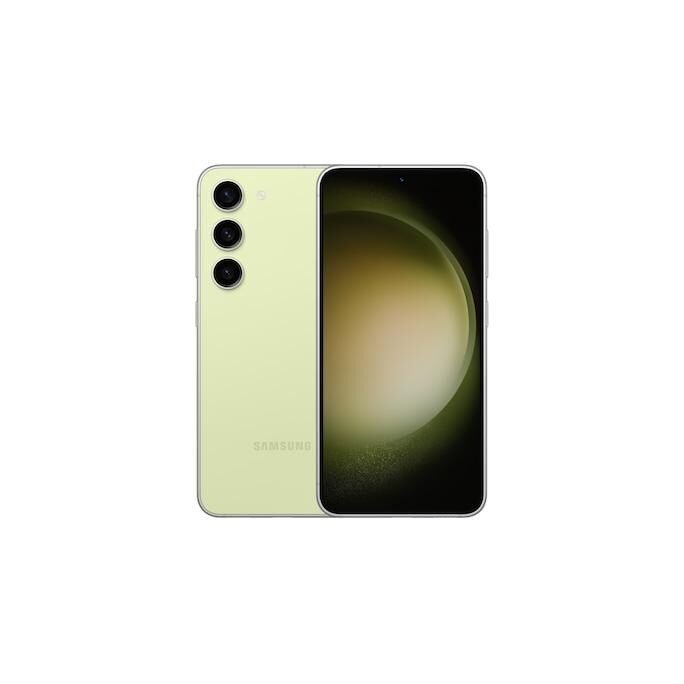
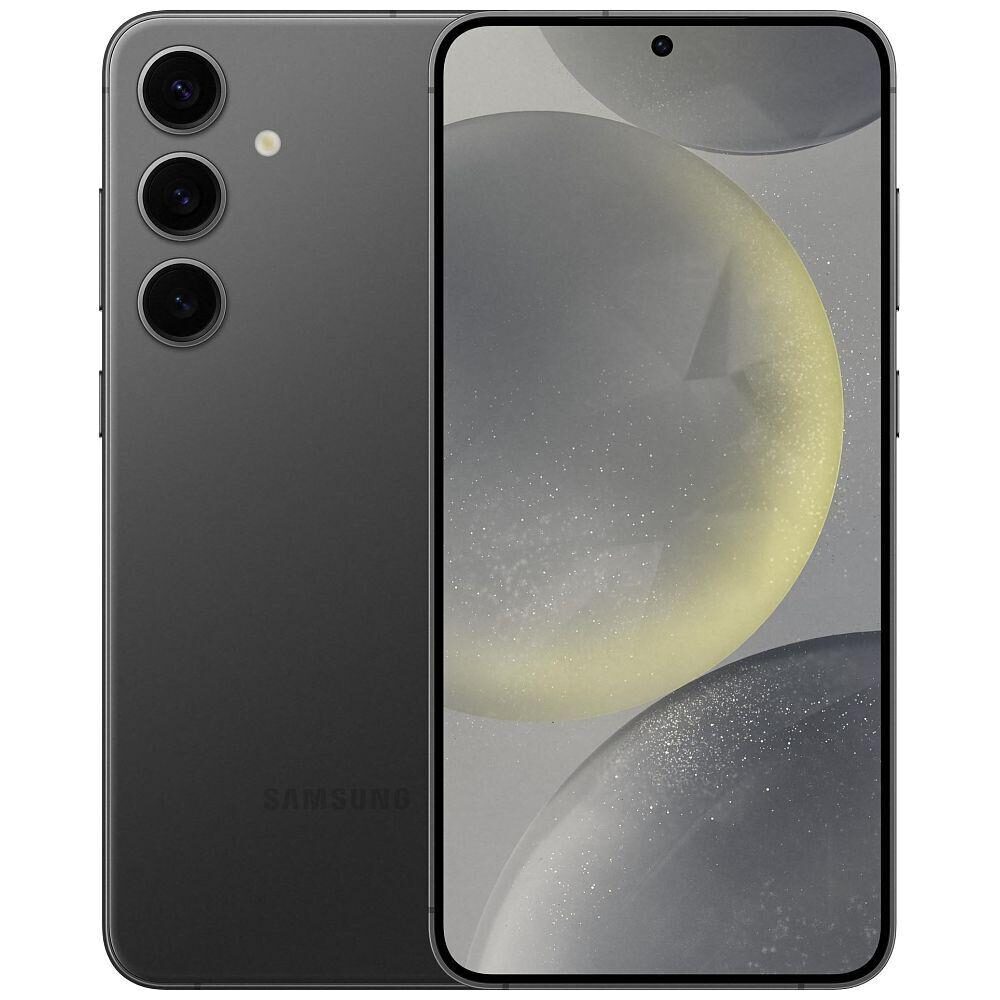
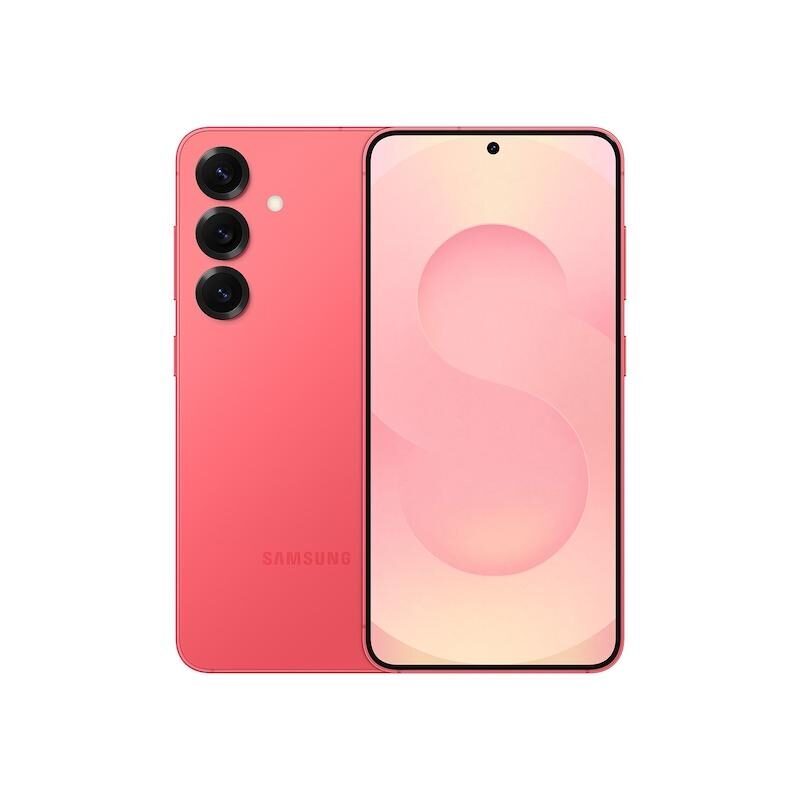
Galaxy A16 vs Google Pixel 9a
Shop Samsung Galaxy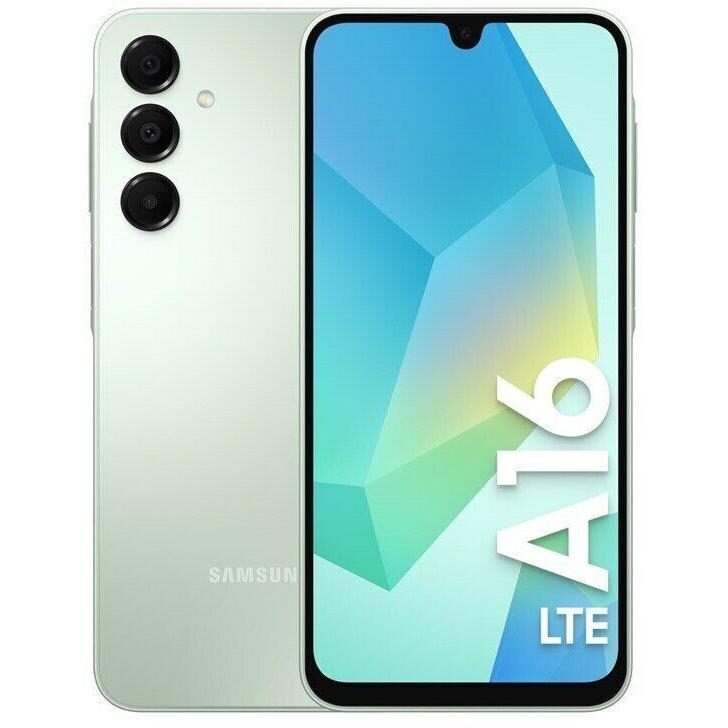
Galaxy A16
Starting at
£114.20£209.16 new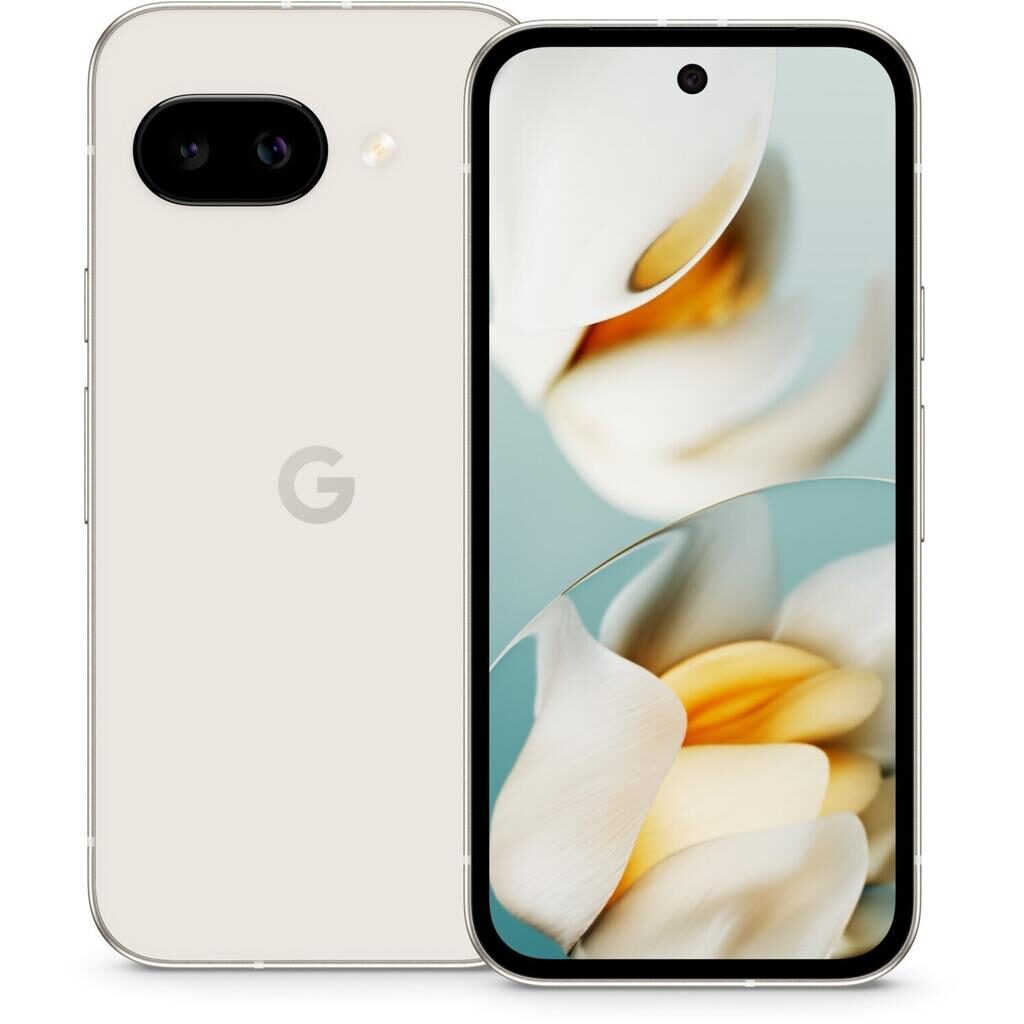
Google Pixel 9a
Starting at
£265.00What's the difference between the Galaxy A16 and Google Pixel 9a?
Galaxy A16 vs Google Pixel 9a comes down to the chipset, RAM and battery. Refurbished, the Galaxy A16 starts at £114.20, £150.80 less than the Google Pixel 9a. The Google Pixel 9a is the newer model, released in 2025.
Refurbished from
Chipset
RAM
Battery
Screen size
Screen type
- Chipset: Mediatek Helio G99 on the Galaxy A16, Google Tensor G4 (4 nm) on the Google Pixel 9a.
- The Google Pixel 9a has more RAM: 8 GB vs 4 GB.
- Battery: 5000 mAh on the Galaxy A16, 5100 mAh on the Google Pixel 9a.
Galaxy A16 vs Google Pixel 9a specs
The Galaxy A16 and Google Pixel 9a both run Android and offer unlocked connectivity, but they differ in key features that suit different users. The Galaxy A16 has a larger 6.7 inch Super AMOLED screen, a slightly smaller battery, and supports 4G with dual physical SIMs plus microSD expansion, making it suitable for users who want more screen space and expandable storage. The Google Pixel 9a has a slightly smaller 6.3 inch P-OLED screen, more RAM, a newer chipset, and supports 5G with a physical SIM plus eSIM. It suits those who prioritise speed, smoother multitasking, and faster mobile networks. Both have triple cameras and 128GB storage, but the Pixel 9a is a lighter, more compact option.
Galaxy A16 vs Google Pixel 9a price
Colour
- BlackSold out
- BlueSold out
- BeigeSold out
Storage
- 128GBSold out
Galaxy A16 vs Google Pixel 9a battery life and software updates
Durability covers battery capacity, software updates, and basic physical features that affect how long the phone lasts daily. Their battery sizes differ slightly.
Battery Capacity
The Galaxy A16 has a 5000 mAh battery, which suits users needing a strong daily battery life for extended use. The Google Pixel 9a has a slightly larger 5100 mAh battery, offering a bit more endurance between charges. Both batteries support regular daily use, but the Pixel 9a may last marginally longer for heavy users.
Software Updates
This keeps each phone reliable for everyday use and future software improvements.
Battery
Fast charging
Foldable
Ip rating
Software updates
Wireless charging
Year of release
Galaxy A16 vs Google Pixel 9a performance
Performance is shaped by chipset, RAM, and storage, all affecting how smoothly apps run and how much multitasking you can do. Both models offer 128GB storage but differ in processing power and memory.
Processor and RAM
The Galaxy A16 uses a Mediatek Helio G99 chipset with 4 GB RAM, which is suitable for everyday tasks like browsing, messaging, and basic apps. The Google Pixel 9a offers a Google Tensor G4 chipset with 8 GB RAM, which keeps everyday apps running smoothly and better handles multitasking or more demanding applications.
Storage
Both devices come with 128GB of storage, giving plenty of space for apps, photos, and media. This capacity suits users who want a good balance of storage without needing immediate upgrades.
Chipset
RAM
Galaxy A16 vs Google Pixel 9a screen
Screen quality influences how you experience videos, photos, and reading. The Galaxy A16 and Google Pixel 9a differ in size, resolution, and display type, all shaping your viewing comfort and visual clarity.
Screen Size and Resolution
The Galaxy A16 has a larger 6.7 inch screen with a resolution of 1080 x 2340, providing a roomier display for watching videos or browsing. The Google Pixel 9a has a slightly smaller 6.3 inch screen but a taller resolution of 1080 x 2424, which may offer a bit more vertical space for content.
Screen Type
The Galaxy A16 features a Super AMOLED screen, known for bright colours and good contrast, which suits users who enjoy vivid visuals. The Pixel 9a uses a P-OLED display, which also delivers good colour and contrast with efficient power use, ideal for those who prefer a sharp, clear screen in a compact size.
Refresh rate
Resolution
Screen size
Screen type
Galaxy A16 vs Google Pixel 9a camera
Audiovisual features focus on cameras and front-facing selfies. Both phones share some similarities here, which impacts photography and video calls.
Camera Setup
Both the Galaxy A16 and the Google Pixel 9a have triple rear cameras, giving flexibility for different photo modes. Their front cameras are both 13 megapixels, suitable for clear selfies and video calls.
Camera type
Front camera
Main camera
Galaxy A16 vs Google Pixel 9a size and design
Miscellaneous features include network compatibility, SIM options, physical size, weight, and storage expandability, all of which affect daily convenience and use.
Network and SIM
The Galaxy A16 supports 4G and has dual physical SIM slots, fitting users who often switch between two physical SIM cards. The Pixel 9a supports faster 5G networks and uses one physical SIM plus an eSIM, which suits users who want access to newer mobile networks and flexible SIM management.
Expandable Storage
The Galaxy A16 includes a microSD card slot, allowing you to add more storage if needed. This suits users who prefer to expand storage easily. The Pixel 9a does not have a microSD slot.
Physical Dimensions and Weight
The Galaxy A16 is larger and heavier, measuring 164.4 mm in height, 77.9 mm in width, 7.9 mm in depth, and weighing 200 g. This suits users who prefer a bigger phone with a substantial feel. The Pixel 9a is smaller and lighter at 154.7 mm height, 73.3 mm width, 8.9 mm depth, and 186 g weight, fitting those who want a compact, easy-to-handle device.
Connector Type
Both phones use a USB-C connector, which is standard for charging and accessories, ensuring compatibility with common cables and chargers.
Carrier compatibility
Connector
Depth
Height
Mobile network
Release date
SD card slot
SIM card
Weight
Width
Galaxy A16 or Google Pixel 9a: which should you buy?
Buy the Galaxy A16 if
- you want to spend less: it starts at £114.20, £150.80 less than the Google Pixel 9a
- you want a bigger screen (6.7 inch vs 6.3 inch)
- you want a higher-resolution main camera (50 megapixels vs 48 megapixels)
Buy the Google Pixel 9a if
- you want more RAM (8 GB vs 4 GB)
- you want a smoother screen (120 Hz vs 90 Hz)
- you want longer software support (until Apr 2032 vs until Nov 2030)
What our customers say
Customers of the Galaxy A16 often highlight that the phone looks and works like new, with many praising its condition and ease of use. They find it a great phone for everyday tasks and appreciate features like the large screen and battery life. Transferring data is straightforward with Samsung switch tools, and the phone runs smoothly on WiFi. Some users note the phone is good for family members or children, appreciating its reliability and up-to-date software.
Reviews for the Google Pixel 9a frequently mention its excellent condition and performance, with users happy about the speed and battery life. Some users mention a smooth experience running Android and good camera quality. While a few find setup quirks like language settings or network activation steps, most are pleased with the phone's features and lightweight design. The Pixel 9a is appreciated for its faster network support and smooth multitasking.
Overall, the Galaxy A16 suits those wanting a larger screen, expandable storage, and dual physical SIMs, while the Pixel 9a fits users who prefer a compact phone with more RAM and 5G connectivity. Both phones receive positive feedback for condition and usability.
Galaxy A16 vs Google Pixel 9a FAQs
Galaxy A16 vs Google Pixel 9a comes down to the chipset, RAM and battery. Chipset: Mediatek Helio G99 on the Galaxy A16, Google Tensor G4 (4 nm) on the Google Pixel 9a. The Google Pixel 9a has more RAM: 8 GB vs 4 GB.
The Galaxy A16 is cheaper refurbished, from £114.20 compared with £265 for the Google Pixel 9a.
The Galaxy A16 has 5000 mAh and the Google Pixel 9a has 5100 mAh.
The Galaxy A16 has a higher-resolution main camera: 50 megapixels vs 48 megapixels.
The Galaxy A16 gets updates until Nov 2030. The Google Pixel 9a gets updates until Apr 2032.
Both come in 128GB refurbished.