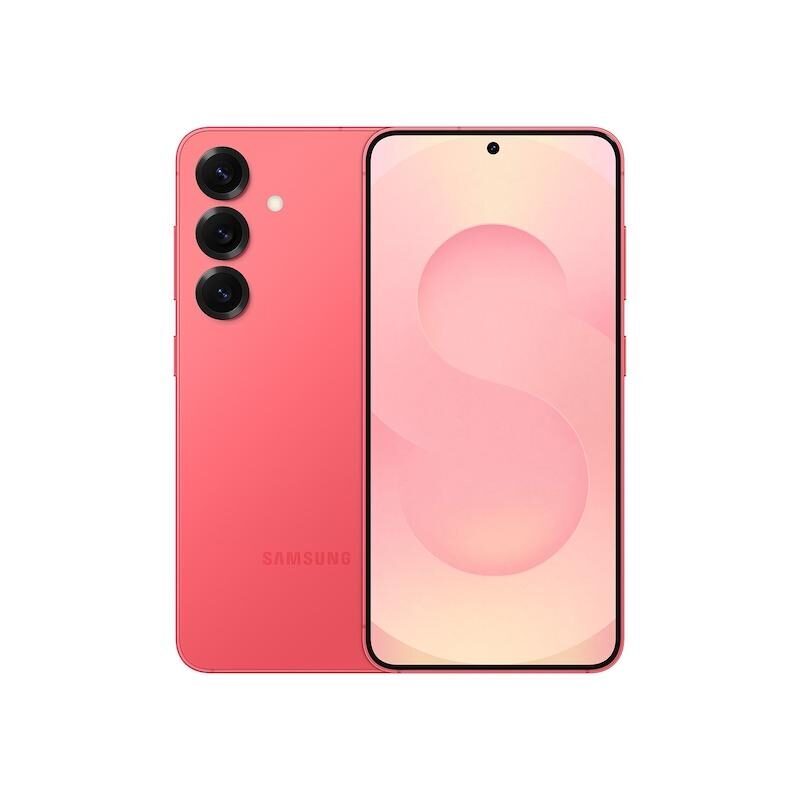
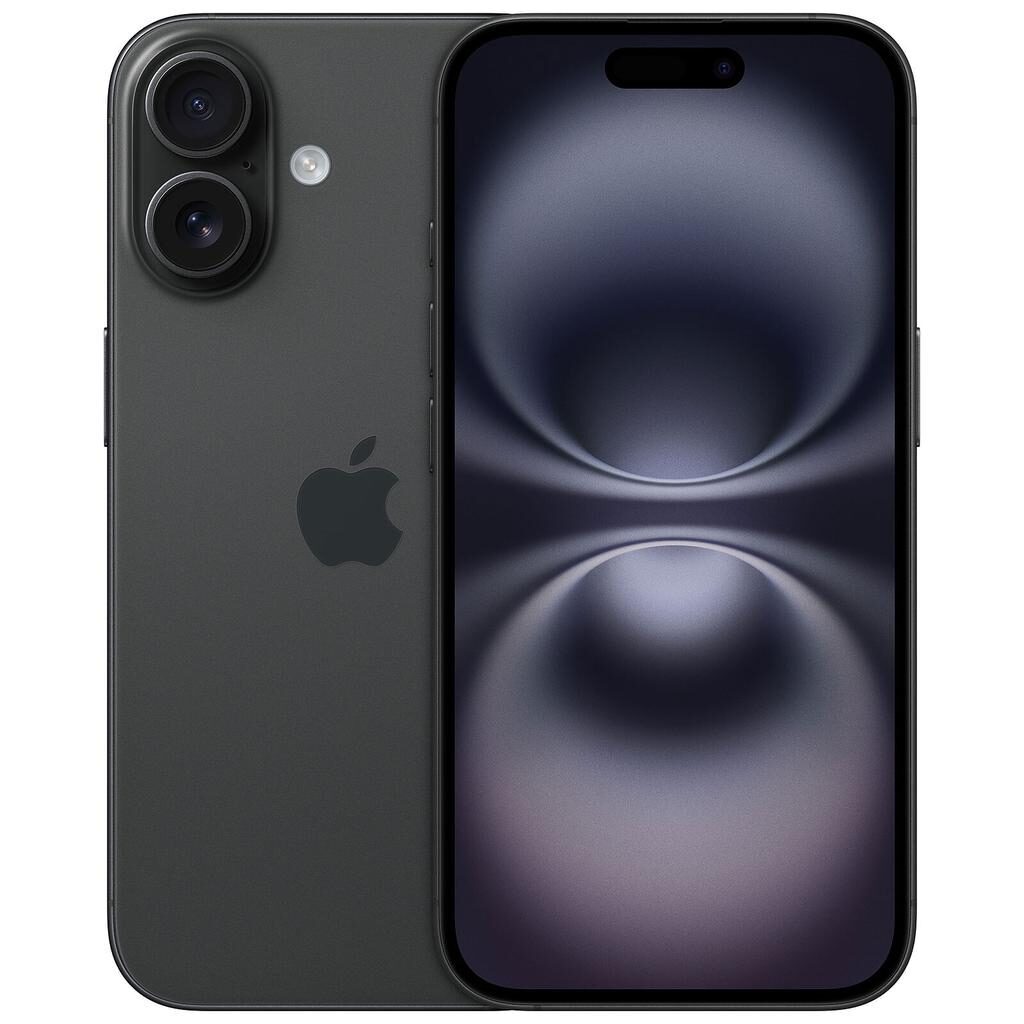
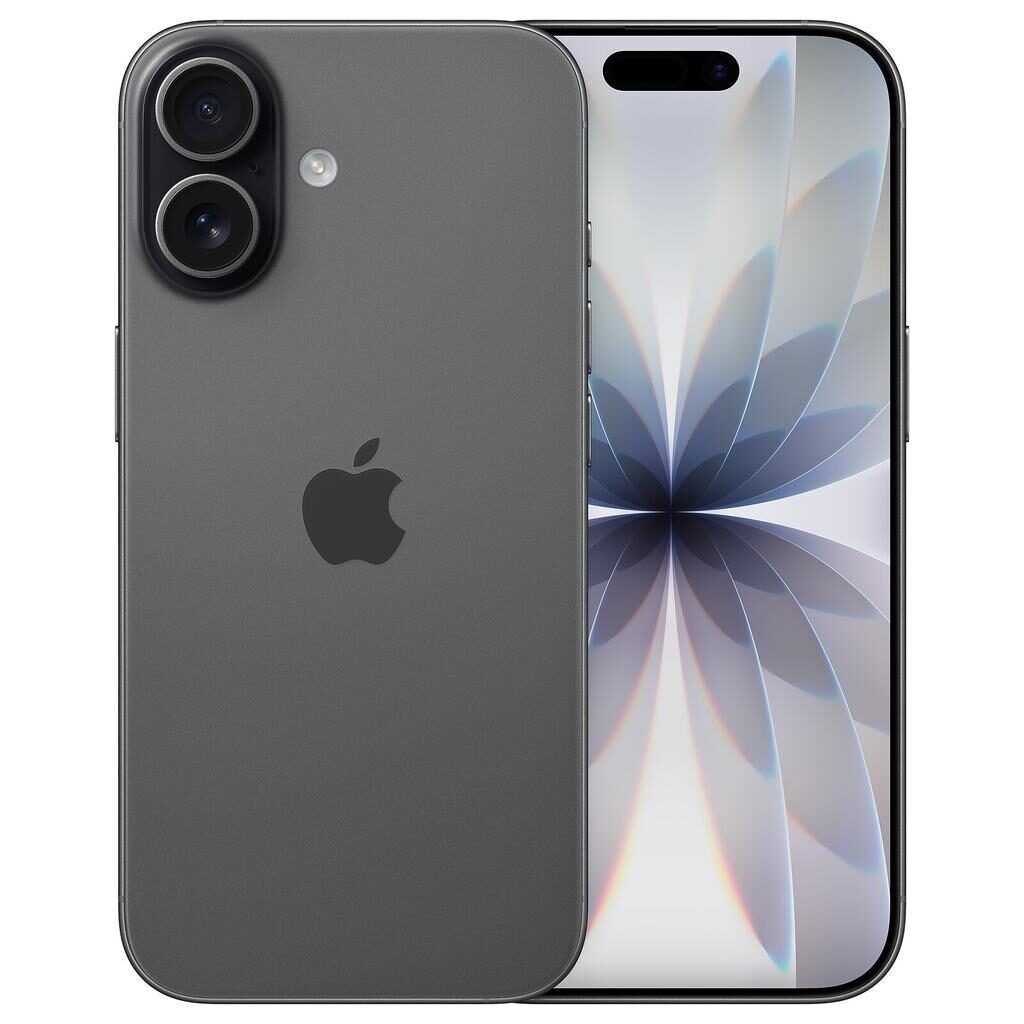
Google Pixel 9a vs iPhone 16 Pro Max
Shop Google Pixel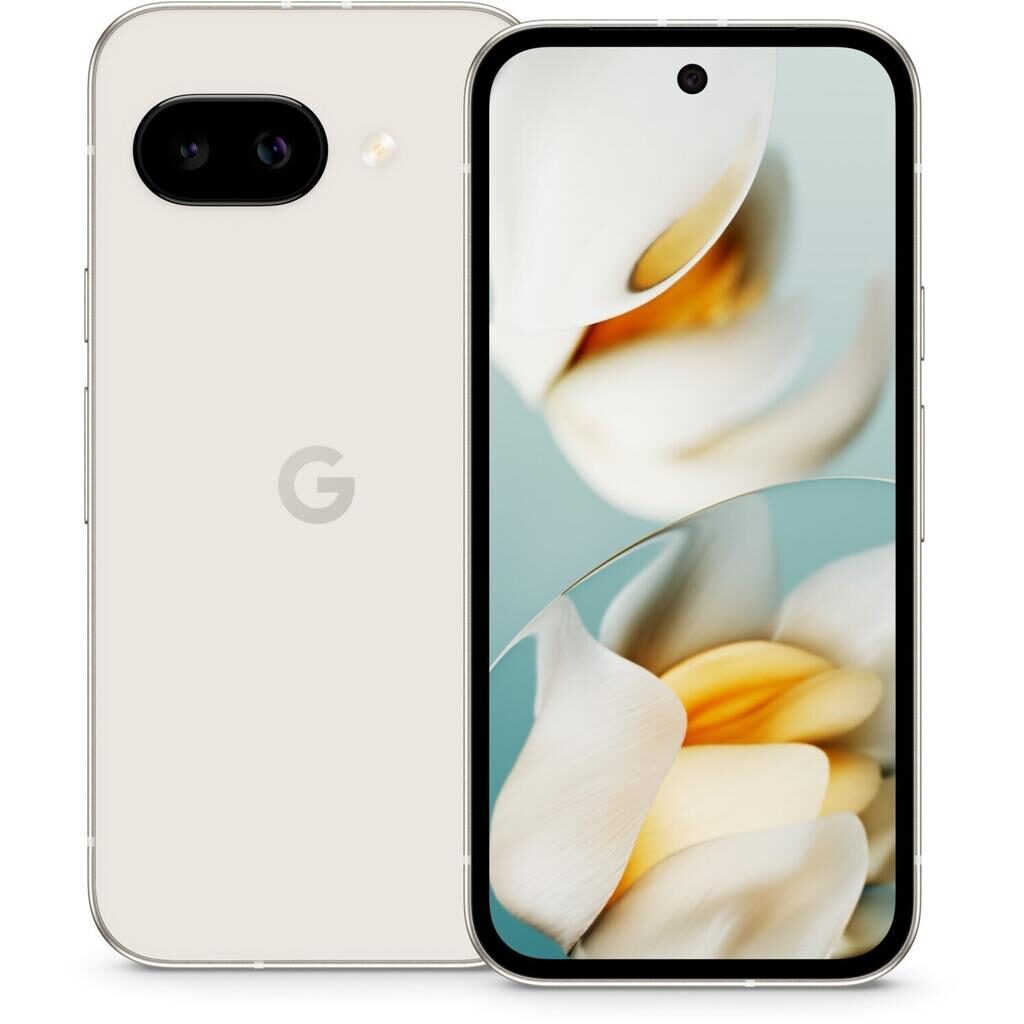
Google Pixel 9a
Starting at
£265.00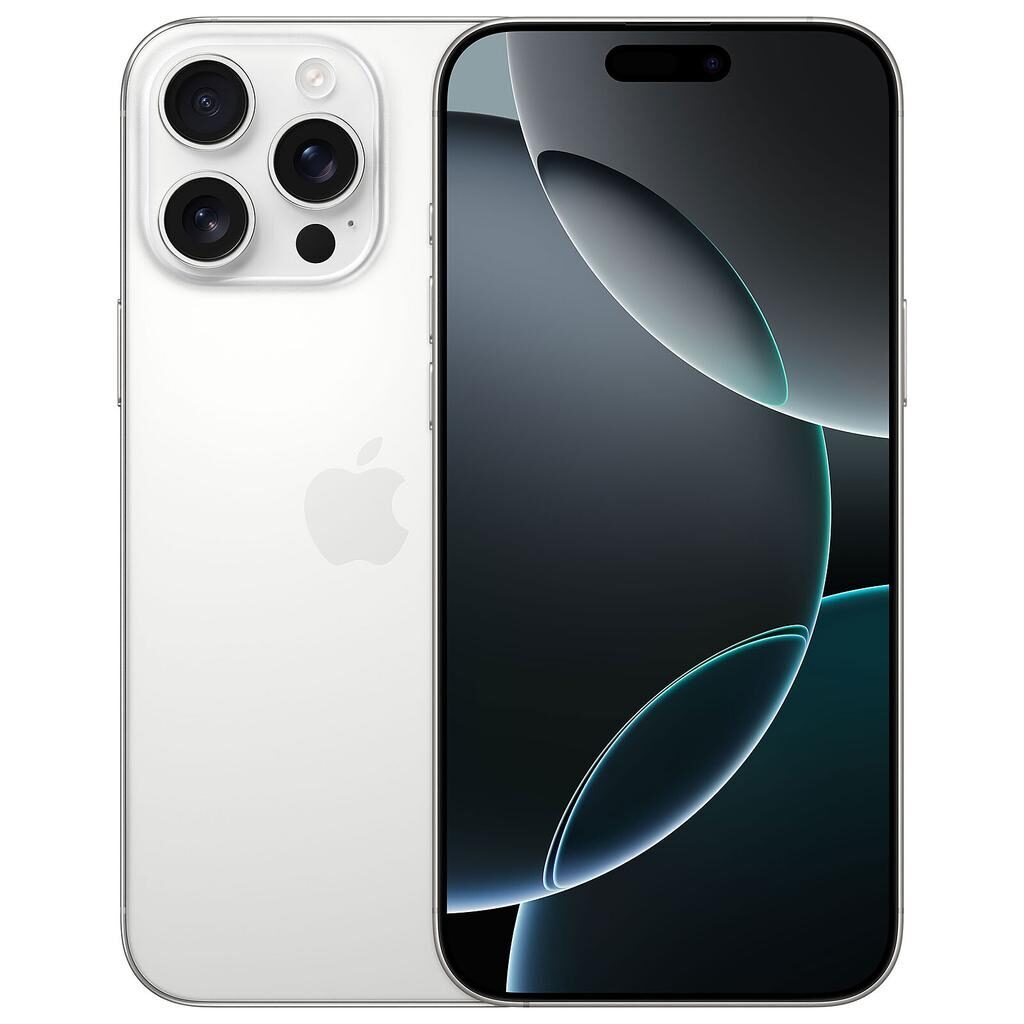
iPhone 16 Pro Max
Starting at
£840.13£1,399.00 newWhat's the difference between the Google Pixel 9a and iPhone 16 Pro Max?
Google Pixel 9a vs iPhone 16 Pro Max comes down to the chipset, battery and screen size. Refurbished, the Google Pixel 9a starts at £265, £575.13 less than the iPhone 16 Pro Max. The Google Pixel 9a is the newer model, released in 2025.
Refurbished from
Chipset
Battery
Screen size
Screen type
Front camera
- Chipset: Google Tensor G4 (4 nm) on the Google Pixel 9a, Apple A18 Pro on the iPhone 16 Pro Max.
- The Google Pixel 9a has a bigger battery: 5100 mAh vs 4685 mAh.
- The iPhone 16 Pro Max has a bigger screen: 6.9 inch vs 6.3 inch.
Google Pixel 9a vs iPhone 16 Pro Max specs
The Google Pixel 9a and iPhone 16 Pro Max both offer unlocked 5G phones with good performance and modern features, but they suit different needs. The Pixel 9a runs Android and has a smaller 6.3 inch screen with a higher battery capacity, making it a good fit for those who value longer battery life and a compact design. The iPhone 16 Pro Max runs iOS 18 with a larger 6.9 inch display that offers higher resolution and a more advanced screen type, catering to users who want a premium viewing experience and more storage options.
Google Pixel 9a vs iPhone 16 Pro Max price
Colour
- BlackSold out
- BlueSold out
- BeigeSold out
Storage
Google Pixel 9a vs iPhone 16 Pro Max battery life and software updates
Durability covers battery size, software support, and physical design. These factors influence daily use, how long the phone lasts on a charge, and how it feels in hand.
Battery Capacity
The Google Pixel 9a has a 5100 mAh battery, which is larger than the 4685 mAh battery in the iPhone 16 Pro Max. This means the Pixel 9a is better suited for users who want longer battery life between charges. The iPhone 16 Pro Max's battery is still substantial but may require more frequent charging under heavy use.
Operating System
The Pixel 9a runs Android, offering a different app ecosystem and customisation options compared to the iPhone 16 Pro Max, which runs iOS 18. Your preference between Android and iOS will affect the user experience and available apps.
Software Updates
This ensures you have access to current features and security improvements regardless of your choice.
Battery
Fast charging
Foldable
Ip rating
OS at launch
Software updates
Wireless charging
Year of release
Google Pixel 9a vs iPhone 16 Pro Max performance
Performance depends on the chipset, memory, and storage, which determine speed, multitasking ability, and how much data you can keep on the device.
Chipset and RAM
The Google Pixel 9a uses the Google Tensor G4 chipset with 8 GB of RAM, while the iPhone 16 Pro Max features the Apple A18 Pro chipset also with 8 GB RAM. Both devices support everyday apps and multitasking smoothly, but the chipsets reflect their different operating systems and optimisation.
Storage Options
The Pixel 9a is stocked with 128GB of storage, suitable for users with moderate data and app needs. The iPhone 16 Pro Max comes in larger options: 256GB, 512GB, and 1TB, catering to those who store extensive media, apps, or work files.
Chipset
RAM
Google Pixel 9a vs iPhone 16 Pro Max screen
Screen quality impacts how much you see, how sharp images appear, and overall viewing comfort. Size, resolution, and screen technology all play a role.
Screen Size and Resolution
The Google Pixel 9a has a 6.3 inch screen with a resolution of 1080 by 2424 pixels, making it easier to handle with one hand and suitable for everyday use. The iPhone 16 Pro Max sports a larger 6.9 inch screen at 1320 by 2868 pixels, offering a roomier display for video, gaming, or multitasking.
Screen Technology
The Pixel 9a uses a P-OLED screen, which delivers vibrant colours and good contrast. The iPhone 16 Pro Max features an LTPO Super Retina XDR OLED screen, which offers advanced brightness control and potentially smoother visuals for media consumption and reading.
Refresh rate
Resolution
Screen size
Screen type
Google Pixel 9a vs iPhone 16 Pro Max camera
Audiovisual features include cameras and front-facing cameras, which affect photo quality and video calls.
Camera Setup
Both phones have a triple rear camera system, suitable for a range of photography needs including wide, ultra-wide, and telephoto shots. This allows you to capture diverse scenes with flexibility.
Front Camera Resolution
The Google Pixel 9a has a 13 megapixel front camera, which is higher resolution than the 12 megapixel front camera on the iPhone 16 Pro Max. This may benefit those who prioritise detailed selfies or video calls.
Camera type
Front camera
Main camera
Google Pixel 9a vs iPhone 16 Pro Max size and design
Other features include connectivity, size, and physical design, influencing compatibility with networks and accessories as well as the phone's feel in your hand.
Mobile Connectivity
Both phones support 5G networks, providing fast internet speeds. The Pixel 9a accepts a physical SIM plus eSIM, offering flexibility for users who want to use multiple SIMs. The iPhone 16 Pro Max uses eSIM only, which may suit those comfortable managing digital SIM profiles.
Size and Weight
The Pixel 9a measures 154.7 mm in height, 73.3 mm in width, and 8.9 mm in depth, weighing 186 g. The iPhone 16 Pro Max is larger at 163 mm height, 77.6 mm width, and slimmer at 8.3 mm depth, but heavier at 227 g. The Pixel 9a suits users who prefer a more compact and lighter device, while the iPhone offers a larger screen but with added bulk.
Carrier compatibility
Connector
Depth
Height
Mobile network
Release date
SD card slot
SIM card
Weight
Width
Google Pixel 9a or iPhone 16 Pro Max: which should you buy?
Buy the Google Pixel 9a if
- you want to spend less: it starts at £265, £575.13 less than the iPhone 16 Pro Max
- you want a bigger battery (5100 mAh vs 4685 mAh)
- you want a higher-resolution front camera (13 megapixels vs 12 megapixels)
Buy the iPhone 16 Pro Max if
- you want a bigger screen (6.9 inch vs 6.3 inch)
What our customers say
Customers who chose the Google Pixel 9a generally appreciate its condition, reporting that it looks like new and performs well. Many highlight the battery life as very good, with some saying it lasts longer than previous phones. Users find the phone smooth for everyday use and like the Android experience, though a few mention initial setup quirks like language defaults and SIM card switching. The Pixel 9a is seen as a solid choice for those who want a capable phone with good battery life and value.
For the iPhone 16 Pro Max, customers praise its premium condition and near-new battery health. They enjoy the responsive touchscreen, smooth performance, and the phone's appearance that feels almost brand new. Many reports mention excellent battery health with low charge cycles and a great viewing experience. Customers note the phone works perfectly for daily tasks and feel confident buying a refurbished one. The iPhone suits those looking for a large, high-quality screen with ample storage.
Overall, the Pixel 9a appeals to those who want a lighter, smaller Android phone with extended battery capacity, while the iPhone 16 Pro Max fits users who prioritise a large, high-resolution display, iOS features, and higher storage options.
Google Pixel 9a vs iPhone 16 Pro Max FAQs
Google Pixel 9a vs iPhone 16 Pro Max comes down to the chipset, battery and screen size. Chipset: Google Tensor G4 (4 nm) on the Google Pixel 9a, Apple A18 Pro on the iPhone 16 Pro Max. The Google Pixel 9a has a bigger battery: 5100 mAh vs 4685 mAh.
The Google Pixel 9a is cheaper refurbished, from £265 compared with £840.13 for the iPhone 16 Pro Max.
The Google Pixel 9a has a bigger battery: 5100 mAh vs 4685 mAh.
Both have the same main camera: 48 megapixels.
The Google Pixel 9a gets updates until Apr 2032. The iPhone 16 Pro Max is still supported and can run iOS 27.
Refurbished, the Google Pixel 9a comes in 128GB, and the iPhone 16 Pro Max in 256GB, 512GB and 1TB.