Galaxy A13 vs Google Pixel 8
Shop Samsung Galaxy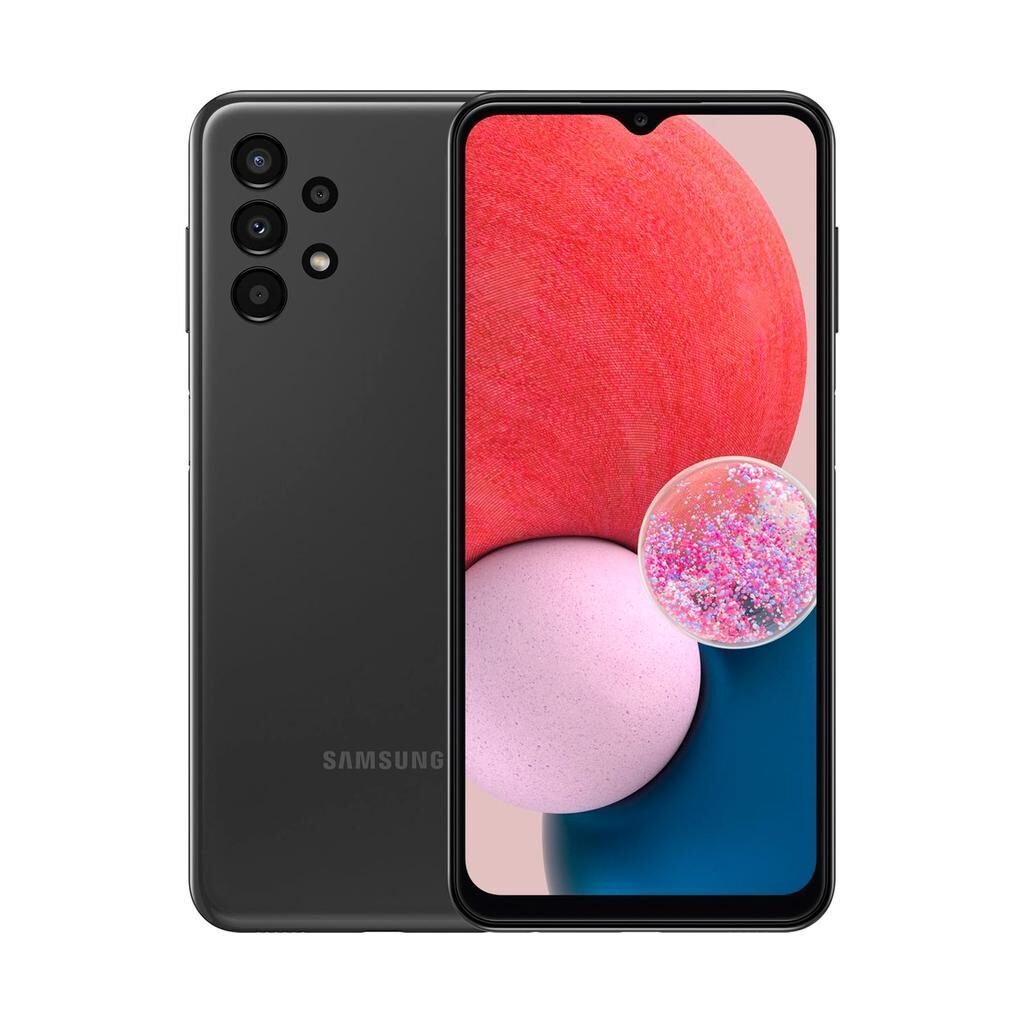
Galaxy A13
Starting at
£89.01£248.00 new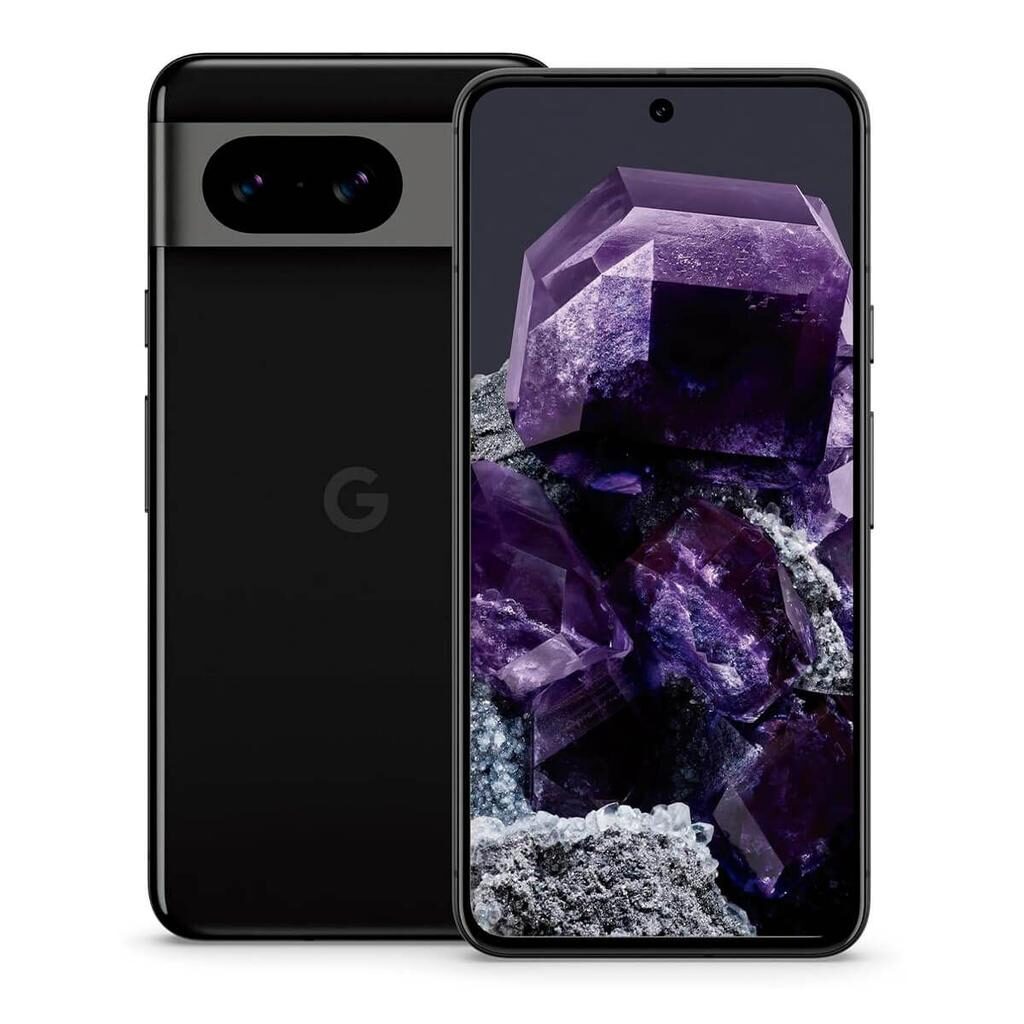
Google Pixel 8
Starting at
£205.00What's the difference between the Galaxy A13 and Google Pixel 8?
Galaxy A13 vs Google Pixel 8 comes down to the chipset, RAM and battery. Refurbished, the Galaxy A13 starts at £89.01, £115.99 less than the Google Pixel 8. The Google Pixel 8 is the newer model, released in 2023.
Refurbished from
Chipset
RAM
Battery
Screen size
Screen type
- Chipset: Exynos 850 on the Galaxy A13, Google Tensor G3 (4 nm) on the Google Pixel 8.
- The Google Pixel 8 has more RAM: 8 GB vs 4 GB.
- The Galaxy A13 has a bigger battery: 5000 mAh vs 4575 mAh.
Galaxy A13 vs Google Pixel 8 specs
The Galaxy A13 and Google Pixel 8 differ in key areas that suit different users. The Galaxy A13 offers a larger 6.6 inch screen with a 5000 mAh battery and a microSDXC slot for storage expansion, making it a practical choice for those who want longer battery life and more storage options. The Pixel 8 features a more powerful Google Tensor G3 chipset with 8 GB RAM, a 6.2 inch OLED screen with a 120 Hz refresh rate, and 5G connectivity, ideal for users who prioritise speed, smoother visuals, and faster networks. Camera capabilities are similar for the main camera but the Pixel 8 has a higher resolution front camera. Connectivity options and SIM setups also differ, reflecting different preferences for audio ports and SIM card use.
Galaxy A13 vs Google Pixel 8 price
Colour
- BlackSold out
- GreySold out
- Rose GoldSold out
- GreenSold out
Storage
- 128GBSold out
- 256GBSold out
Galaxy A13 vs Google Pixel 8 battery life and software updates
Durability covers battery capacity, operating system, and release year. These affect how long the phone lasts in daily use and what system updates you can expect.
Battery Capacity
The Galaxy A13 has a 5000 mAh battery, which provides more capacity for longer use between charges. The Google Pixel 8 has a 4575 mAh battery, which is slightly smaller but still offers solid battery life for everyday tasks.
Battery
Fast charging
Foldable
Ip rating
OS at launch
Software updates
Wireless charging
Year of release
Galaxy A13 vs Google Pixel 8 performance
Performance depends on the chipset, RAM, and storage options. These determine how smoothly the phone runs apps and handles multitasking.
Chipset Power
The Galaxy A13 uses the Exynos 850 chipset, which supports everyday tasks and basic apps. The Pixel 8 features the Google Tensor G3 built on a 4 nm process, offering more processing power that benefits users who run demanding apps or multitask frequently.
Memory Size
With 4 GB of RAM, the Galaxy A13 suits users who mainly use standard apps and basic multitasking. The Pixel 8 has 8 GB of RAM, allowing it to keep more apps open and handle more intensive use smoothly.
Storage Choices
The Galaxy A13 is available in 32GB, 64GB, and 128GB options, giving flexibility for different budgets and needs. The Pixel 8 comes with 128GB or 256GB, suited for users who want larger internal storage for apps, photos, and files.
Chipset
RAM
Galaxy A13 vs Google Pixel 8 screen
Screen quality affects how you see content, from sharpness and size to smoothness and colour richness.
Screen Size and Type
The Galaxy A13 has a 6.6 inch PLS LCD screen, providing a larger viewing area that works well for watching videos or browsing. The Pixel 8 has a 6.2 inch OLED screen, which offers deeper colours and better contrast, preferred by users who want vibrant visuals in a more compact phone.
Refresh Rate
The Galaxy A13 refreshes at 60 Hz, standard for everyday use. The Pixel 8 doubles this to 120 Hz, making animations and scrolling smoother, which benefits anyone who values a more responsive and fluid screen experience.
Resolution
Both phones provide similar Full HD resolution around 1080 pixels wide. This means both offer clear and detailed images suitable for typical daily use.
Refresh rate
Resolution
Screen size
Screen type
Galaxy A13 vs Google Pixel 8 camera
Audiovisual features focus on cameras and front-facing camera quality, important for photos, video calls, and selfies.
Main Camera
Both phones have a 50 megapixel main camera, capable of capturing detailed photos. This makes either phone suitable for everyday photography.
Front Camera
The Galaxy A13 has an 8 megapixel front camera, suitable for standard selfies and video calls. The Pixel 8 raises this to 10.5 megapixels, offering sharper front-facing images for users who prioritise selfie quality.
Front camera
Main camera
Galaxy A13 vs Google Pixel 8 size and design
Miscellaneous differences include network connectivity, ports, SIM options, and weight. These impact how you connect and use the phone day to day.
Mobile Network
The Galaxy A13 supports 4G networks, fitting for users who do not require the fastest mobile data speeds. The Pixel 8 includes 5G, ideal for those wanting quicker downloads and streaming where 5G is available.
Connector Options
The Galaxy A13 features both USB-C and a 3.5mm headphone jack, useful if you want to use wired headphones without an adapter. The Pixel 8 has a USB Type-C port only, which suits users who prefer wireless audio or USB-C headphones.
SIM Card Setup
The Galaxy A13 supports dual physical SIM cards, allowing two separate phone numbers or networks. The Pixel 8 offers one physical SIM plus an eSIM, which may appeal to users who want to manage multiple numbers without a second physical SIM card.
Weight
The Galaxy A13 weighs 195 g, slightly heavier than the Pixel 8 at 187 g. Users preferring a lighter phone may notice this difference in daily carry.
Storage Expansion
The Galaxy A13 includes a microSDXC slot for adding extra storage. This suits users who want to expand their storage beyond what is built in.
Carrier compatibility
Connector
Depth
Height
Mobile network
Release date
SD card slot
SIM card
Weight
Width
Galaxy A13 or Google Pixel 8: which should you buy?
Buy the Galaxy A13 if
- you want to spend less: it starts at £89.01, £115.99 less than the Google Pixel 8
- you want a bigger battery (5000 mAh vs 4575 mAh)
- you want a bigger screen (6.6 inch vs 6.2 inch)
Buy the Google Pixel 8 if
- you want more RAM (8 GB vs 4 GB)
- you want an OLED screen
- you want a smoother screen (120 Hz vs 60 Hz)
What our customers say
Customers using the Galaxy A13 praise its battery life and overall reliability. Several mention that the phone looks very clean with hardly any signs of use, even in fair condition. People find it easy to set up and suitable for everyday tasks. The larger screen and good battery capacity are appreciated, making it a solid choice for users who value a practical and straightforward phone.
Pixel 8 customers highlight the phone's performance and condition, often noting it looks and feels like a new phone. The camera quality, especially the front camera, receives compliments for producing great pictures. Users enjoy the smooth and fast experience thanks to the more powerful chipset and higher RAM. The size and weight are also mentioned positively, along with good battery life and screen quality. Some report minor issues like occasional sensitivity on the fingerprint sensor but overall satisfaction is high.
Both phones attract users with different priorities: the Galaxy A13 suits those who want a larger screen, longer battery, and expandable storage for everyday use. The Google Pixel 8 appeals to those who want faster performance, better screen quality, 5G connectivity, and a sharper front camera for a more responsive and refined experience.
Galaxy A13 vs Google Pixel 8 FAQs
Galaxy A13 vs Google Pixel 8 comes down to the chipset, RAM and battery. Chipset: Exynos 850 on the Galaxy A13, Google Tensor G3 (4 nm) on the Google Pixel 8. The Google Pixel 8 has more RAM: 8 GB vs 4 GB.
The Galaxy A13 is cheaper refurbished, from £89.01 compared with £205 for the Google Pixel 8.
The Galaxy A13 has a bigger battery: 5000 mAh vs 4575 mAh.
Both have the same main camera: 50 megapixels.
Updates for the Galaxy A13 ended in May 2026. The Google Pixel 8 gets updates until Oct 2030.
Refurbished, the Galaxy A13 comes in 32GB, 64GB and 128GB, and the Google Pixel 8 in 128GB and 256GB.