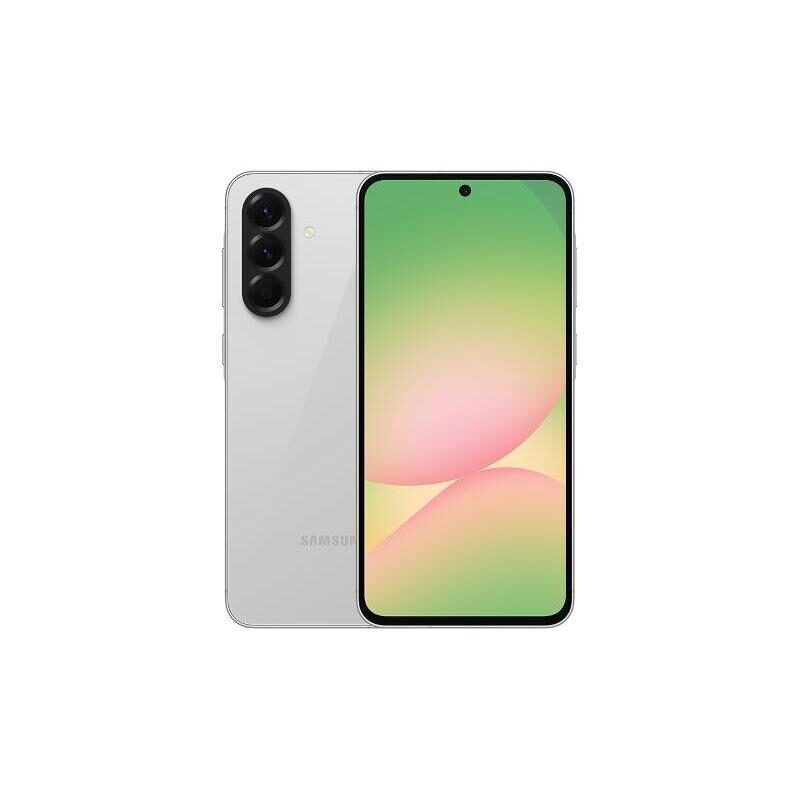
Xiaomi Poco C71 vs Xiaomi Redmi 14C
Shop Android Smartphones
Xiaomi Poco C71
Starting at
£146.00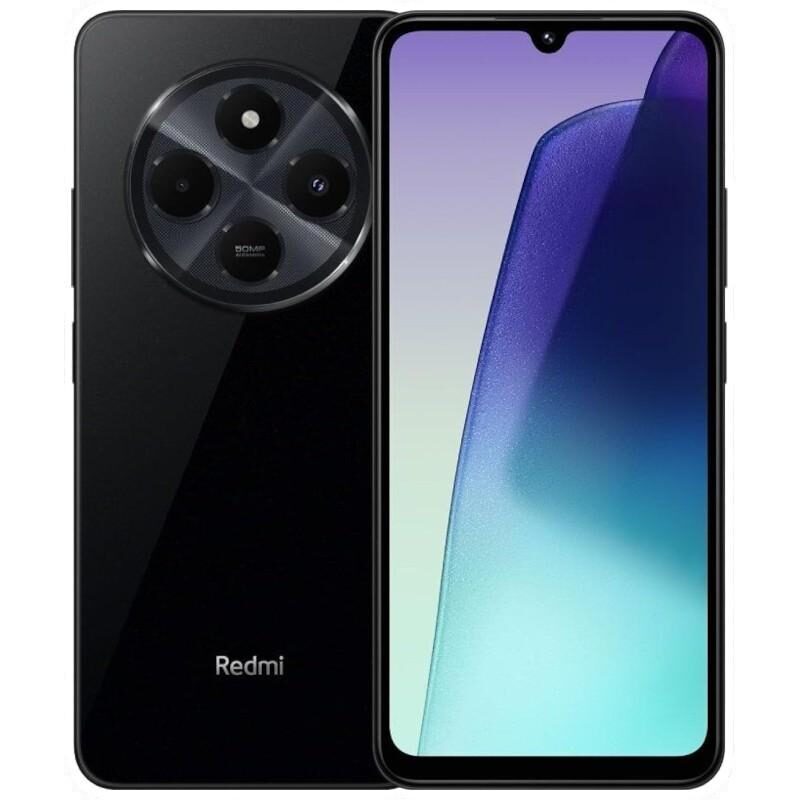
Xiaomi Redmi 14C
Starting at
£128.00What's the difference between the Xiaomi Poco C71 and Xiaomi Redmi 14C?
Xiaomi Poco C71 vs Redmi 14C comes down to the main camera, front camera and weight. Refurbished, the Xiaomi Redmi 14C starts at £128, £18 less than the Xiaomi Poco C71. The Xiaomi Poco C71 is the newer model, released in 2025.
Refurbished from
Main camera
Front camera
Weight
Connector
SD card slot
- The Xiaomi Redmi 14C has a higher-resolution main camera: 50 megapixels vs 32 megapixels.
- The Xiaomi Redmi 14C has a higher-resolution front camera: 13 megapixels vs 8 megapixels.
- The Xiaomi Poco C71 has a lighter build: 193 g vs 207 g.
Xiaomi Poco C71 vs Xiaomi Redmi 14C specs
The Xiaomi Poco C71 and Xiaomi Redmi 14C both offer large 6.88 inch IPS LCD screens and 4 GB of RAM, making them suitable for everyday tasks and media consumption. The Poco C71 features a 32 megapixel main camera and an 8 megapixel front camera, which suits users who want decent photo quality without prioritising selfie detail. The Redmi 14C offers higher resolution cameras with a 50 megapixel main and 13 megapixel front camera, ideal for those who value sharper images and selfies. The Poco C71 includes a 3.5mm headphone jack alongside USB-C, while the Redmi 14C uses USB-C alone. Both support dual physical SIM cards and 4G connectivity. The Poco C71 is lighter and supports microSDXC cards, while the Redmi 14C is slightly heavier with microSD support. Your choice depends on whether you prioritise camera resolution, audio options, or device weight.
Xiaomi Poco C71 vs Xiaomi Redmi 14C price
Colour
- GoldSold out
- BlackSold out
- GreenSold out
Storage
- 128GBSold out
- 128GBSold out
Xiaomi Poco C71 vs Xiaomi Redmi 14C battery life and software updates
Durability covers the operating system, release year, and physical build features that affect daily use. Both devices run Android and are not foldable.
Operating System
Both the Xiaomi Poco C71 and Xiaomi Redmi 14C run Android, providing a familiar and widely supported platform for apps and updates. This means you can expect comparable software experiences across both devices.
Release Year
The Xiaomi Poco C71 was released in 2025, while the Xiaomi Redmi 14C came out in 2024.
Battery
Foldable
Year of release
Xiaomi Poco C71 vs Xiaomi Redmi 14C performance
Chipset
RAM
Xiaomi Poco C71 vs Xiaomi Redmi 14C screen
Screen quality influences how you view content such as videos, photos, and apps. Both phones share the same screen size, resolution, and type, which means their displays offer similar visual experiences.
Screen Size and Resolution
Both devices have a 6.88 inch IPS LCD screen with a resolution of 720 x 1640. This large screen size offers ample room for watching videos and browsing, while the resolution provides clear detail for everyday use.
Screen Technology
The IPS LCD technology used in both devices delivers consistent colours and wide viewing angles. This makes both the Xiaomi Poco C71 and Xiaomi Redmi 14C suitable for media consumption and general smartphone tasks.
Refresh rate
Resolution
Screen size
Screen type
Xiaomi Poco C71 vs Xiaomi Redmi 14C camera
Audiovisual features affect photo quality and front camera performance, which are important for capturing moments and video calls. The two phones differ in camera megapixels, influencing image detail.
Main Camera Megapixels
The Xiaomi Poco C71 has a 32 megapixel main camera, suitable for capturing detailed photos in everyday scenarios. The Xiaomi Redmi 14C offers a higher 50 megapixel main camera, ideal for users who want more detail and clarity in their pictures.
Front Camera Megapixels
For selfies and video calls, the Xiaomi Poco C71 uses an 8 megapixel front camera, which is enough for clear video chats and casual selfies. The Xiaomi Redmi 14C provides a 13 megapixel front camera, offering sharper selfie images and better detail for video conversations.
Front camera
Main camera
Xiaomi Poco C71 vs Xiaomi Redmi 14C size and design
Miscellaneous features include connectivity, storage expansion, weight, and SIM card support, which impact device convenience and everyday handling.
Connector Types
The Xiaomi Poco C71 includes both USB-C and a 3.5mm headphone jack, which suits users who prefer using wired headphones without needing an adapter. The Xiaomi Redmi 14C has USB-C only, so wireless or USB-C headphones are necessary.
Storage Expansion
The Poco C71 supports microSDXC cards, allowing for a wide range of expandable storage options. The Redmi 14C supports microSD cards, which also adds flexibility for storing more files, photos, and videos.
SIM and Network Compatibility
Both phones support dual physical SIM cards and operate on 4G networks, making them suitable for users who need to manage two phone numbers or travel with multiple SIMs.
Weight Differences
The Xiaomi Poco C71 weighs 193 g, making it lighter to hold and carry for extended periods. The Xiaomi Redmi 14C weighs 207 g, which is slightly heavier but still comfortable for daily use.
Carrier compatibility
Connector
Depth
Height
Mobile network
SD card slot
SIM card
Weight
Width
Xiaomi Poco C71 or Xiaomi Redmi 14C: which should you buy?
Buy the Xiaomi Poco C71 if
- you want a lighter build (193 g vs 207 g)
- you want a headphone jack
Buy the Xiaomi Redmi 14C if
- you want to spend less: it starts at £128, £18 less than the Xiaomi Poco C71
- you want a higher-resolution main camera (50 megapixels vs 32 megapixels)
- you want a higher-resolution front camera (13 megapixels vs 8 megapixels)
Xiaomi Poco C71 vs Xiaomi Redmi 14C FAQs
Xiaomi Poco C71 vs Redmi 14C comes down to the main camera, front camera and weight. The Xiaomi Redmi 14C has a higher-resolution main camera: 50 megapixels vs 32 megapixels. The Xiaomi Redmi 14C has a higher-resolution front camera: 13 megapixels vs 8 megapixels.
The Xiaomi Redmi 14C is cheaper refurbished, from £128 compared with £146 for the Xiaomi Poco C71.
The Xiaomi Redmi 14C has a higher-resolution main camera: 50 megapixels vs 32 megapixels.
The Xiaomi Poco C71 adds a lighter build (193 g vs 207 g) and a headphone jack. Refurbished, it costs £18 more (from £146 vs £128).
Both come in 128GB refurbished.