Xiaomi Pad 5 (11.0", 2021) vs Xiaomi Redmi Pad Pro (12.1", 2024)
Shop Android Tablet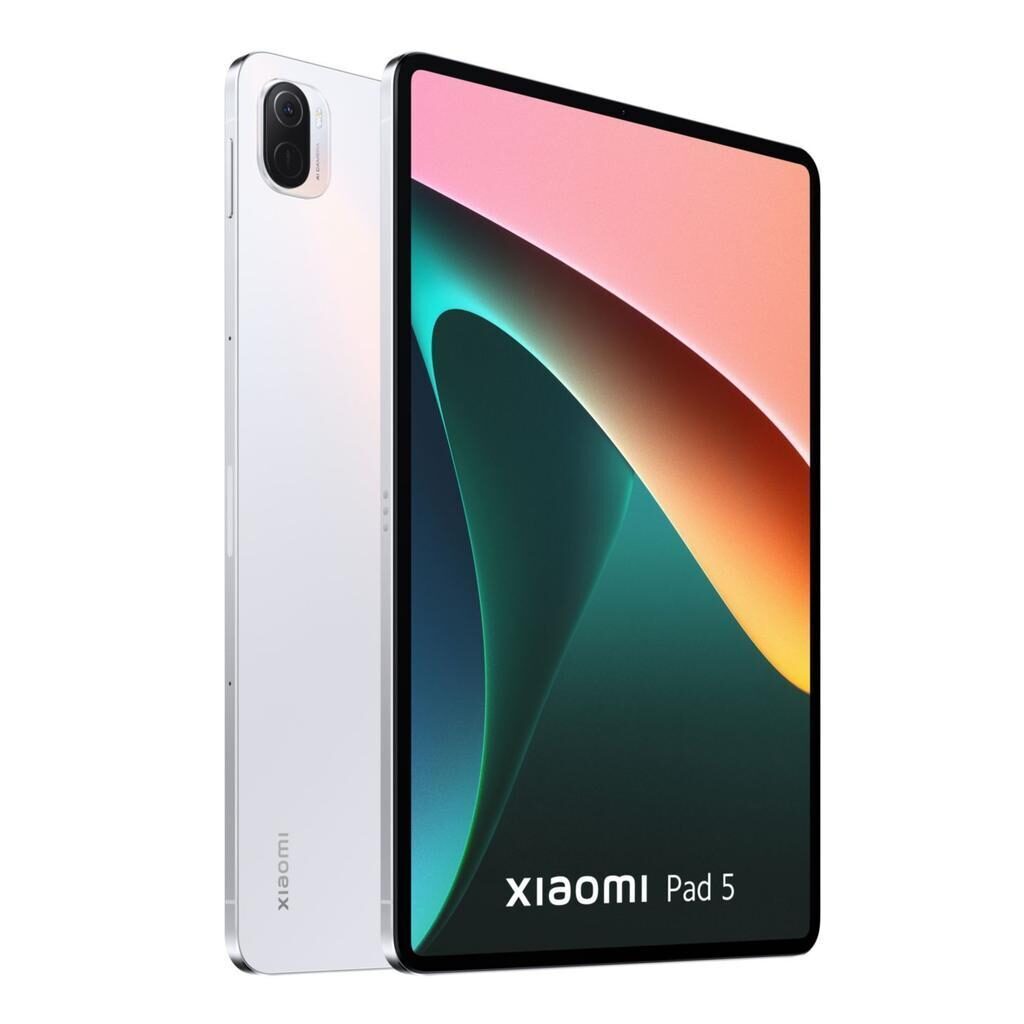
Xiaomi Pad 5 (11.0", 2021)
Starting at
£198.00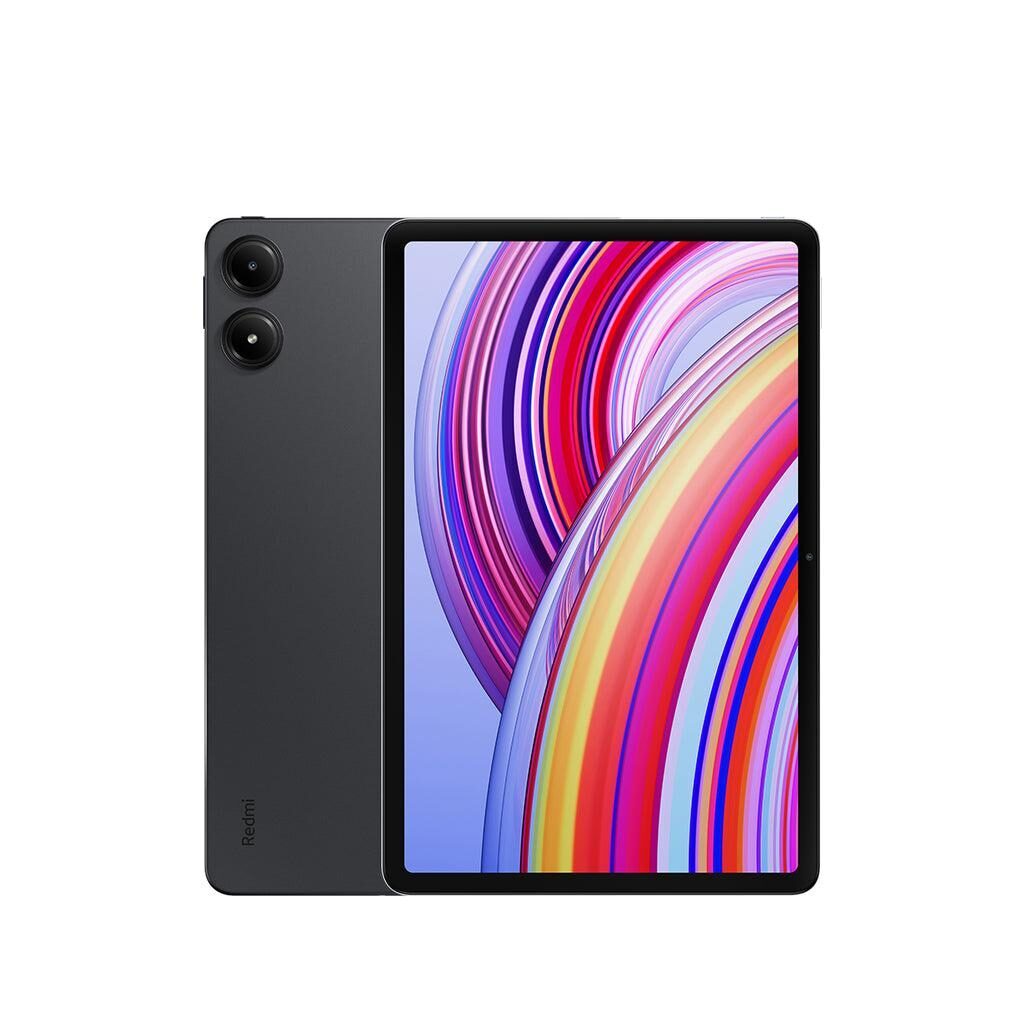
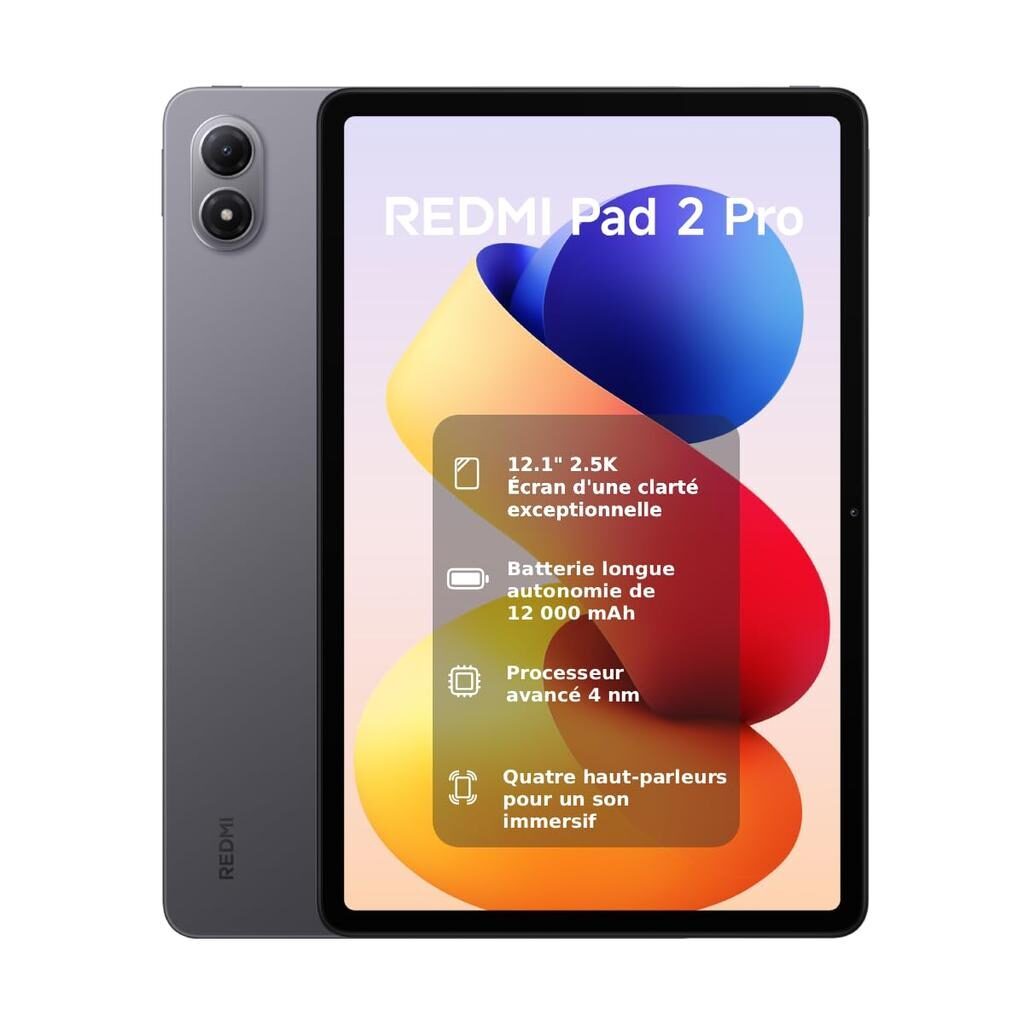
Xiaomi Redmi Pad Pro (12.1", 2024)
Starting at
£275.00What's the difference between the Xiaomi Pad 5 (11.0", 2021) and Xiaomi Redmi Pad Pro (12.1", 2024)?
Xiaomi Pad 5 (11.0", 2021) vs Xiaomi Redmi Pad Pro (12.1", 2024) comes down to the chipset, battery and screen size. Refurbished, the Xiaomi Pad 5 (11.0", 2021) starts at £198, £77 less than the Xiaomi Redmi Pad Pro (12.1", 2024). The Xiaomi Redmi Pad Pro (12.1", 2024) is the newer model, released in 2024.
Refurbished from
Chipset
Battery
Screen size
Main camera
Weight
- Chipset: Qualcomm Snapdragon 860 on the Xiaomi Pad 5 (11.0", 2021), Qualcomm SM7435-AB Snapdragon 7s Gen 2 (4 nm) on the Xiaomi Redmi Pad Pro (12.1", 2024).
- The Xiaomi Redmi Pad Pro (12.1", 2024) has a bigger battery: 10000 mAh vs 8720 mAh.
- The Xiaomi Redmi Pad Pro (12.1", 2024) has a bigger screen: 12.1 inch vs 11.0 inch.
Xiaomi Pad 5 (11.0", 2021) vs Xiaomi Redmi Pad Pro (12.1", 2024) specs
The Xiaomi Pad 5 and Xiaomi Redmi Pad Pro differ mainly in size, battery capacity, processing power, and some camera and connectivity features. The Redmi Pad Pro has a larger 12.1 inch screen, a bigger 10000 mAh battery, and supports 5G connectivity. It also runs Android 14 and uses a Snapdragon 7s Gen 2 chipset, suited for lighter multitasking and modern apps. The Xiaomi Pad 5 has a faster 2.96 GHz Snapdragon 860 processor, a sharper 13 megapixel main camera, and includes a stylus pencil for note-taking or drawing. Both tablets offer 6 GB RAM, 128 GB storage, and a smooth 120 Hz IPS LCD screen, making each suitable depending on whether you prioritise screen size and connectivity or processing speed and camera detail.
Xiaomi Pad 5 (11.0", 2021) vs Xiaomi Redmi Pad Pro (12.1", 2024) price
Colour
- WhiteSold out
- Dark GraySold out
Storage
- 128GBSold out
- 128GBSold out
Xiaomi Pad 5 (11.0", 2021) vs Xiaomi Redmi Pad Pro (12.1", 2024) battery life and software updates
Durability covers battery size, operating system support, and the year each device was released. These factors influence how long you can use the tablet between charges and the software features available.
Battery Capacity
The Xiaomi Redmi Pad Pro has a larger 10000 mAh battery compared to the Xiaomi Pad 5's 8720 mAh. This means the Redmi Pad Pro can last longer on a single charge, making it a good choice if you need extended use away from power sources.
Operating System Support
The Xiaomi Redmi Pad Pro supports Android 14, while the Xiaomi Pad 5 supports Android 13.
Battery
Maximum operating system supported
Year of release
Xiaomi Pad 5 (11.0", 2021) vs Xiaomi Redmi Pad Pro (12.1", 2024) performance
Performance differences revolve around chipset, processor speed, RAM, and storage options. These determine how smoothly the tablet runs apps, multitasks, and handles demanding tasks.
Processor and Chipset
The Xiaomi Pad 5 features a Qualcomm Snapdragon 860 processor running at 2.96 GHz, delivering speed for gaming or intensive apps. The Xiaomi Redmi Pad Pro uses the Qualcomm SM7435-AB Snapdragon 7s Gen 2 chipset at 2.40 GHz, which is built on a 4 nm process, providing efficient performance suited to everyday apps and modern Android features.
Memory and Storage
Both tablets come with 6 GB of RAM and 128 GB of storage, offering ample space and memory for general multitasking, media, and app use. This supports smooth operation for most users.
Chipset
Processor
Processor brand
Processor speed ghz
RAM
Xiaomi Pad 5 (11.0", 2021) vs Xiaomi Redmi Pad Pro (12.1", 2024) screen
Screen quality affects your viewing experience for videos, games, and productivity. Both tablets share some features but differ in screen size.
Screen Size and Resolution
The Xiaomi Redmi Pad Pro offers a larger 12.1 inch IPS LCD screen compared to the Xiaomi Pad 5's 11.0 inch IPS LCD. Both share the same resolution of 1600 x 2560 pixels, so the Redmi Pad Pro provides more viewing space, ideal for watching videos or working on documents.
Refresh Rate
Both tablets have a 120 Hz refresh rate, which means smooth scrolling and fluid animations. This makes either device well suited for gaming and general navigation.
Pixel density
Refresh rate
Resolution
Screen size
Screen type
Xiaomi Pad 5 (11.0", 2021) vs Xiaomi Redmi Pad Pro (12.1", 2024) camera
Audiovisual features like cameras and speakers affect calls, video recording, and media playback.
Main Camera Megapixels
The Xiaomi Pad 5 has a 13 megapixel main camera, while the Xiaomi Redmi Pad Pro has an 8 megapixel main camera. The higher megapixel count on the Pad 5 may capture more detail in photos, which is useful if you often use your tablet for photography or scanning documents.
Front Camera and Speakers
Both tablets feature an 8 megapixel front camera and four stereo speakers. This setup supports clear video calls and rich sound, making either tablet suitable for video conferencing and media consumption.
Front camera
Main camera
Speakers
Webcam
Xiaomi Pad 5 (11.0", 2021) vs Xiaomi Redmi Pad Pro (12.1", 2024) size and design
This section highlights other important features such as network options, size, weight, and included accessories.
Network Connectivity
The Xiaomi Redmi Pad Pro supports Wi-Fi and 5G, offering mobile data connectivity for on-the-go use. The Xiaomi Pad 5 is Wi-Fi only. If you need internet access outside Wi-Fi zones, the Redmi Pad Pro is the better fit.
Device Dimensions and Weight
The Xiaomi Redmi Pad Pro is larger and heavier, measuring 280 mm in height and 181.9 mm in width with a weight of 571 g. The Xiaomi Pad 5 is smaller at 254.7 mm by 166.3 mm and lighter at 511 g. The larger size suits users wanting more screen space, while the smaller device is easier to hold and carry.
Stylus Support
The Xiaomi Pad 5 includes support for a stylus pencil, which is useful for note-taking, drawing, or precise input. The Xiaomi Redmi Pad Pro does not include stylus support, making the Pad 5 a better option if you use stylus features.
Connector and SIM Options
Both tablets use USB Type-C connectors. The Xiaomi Pad 5 does not have a SIM port, while the Xiaomi Redmi Pad Pro is unlocked for use with SIM cards, complementing its 5G capability.
120hz
Carrier compatibility
Connector
Depth
Double sim
Height
Megapixels
Network
Weight
Width
With stylus pencil
Xiaomi Pad 5 (11.0", 2021) or Xiaomi Redmi Pad Pro (12.1", 2024): which should you buy?
Buy the Xiaomi Pad 5 (11.0", 2021) if
- you want to spend less: it starts at £198, £77 less than the Xiaomi Redmi Pad Pro (12.1", 2024)
- you want a higher-resolution main camera (13 megapixels vs 8 megapixels)
- you want a lighter build (511 g vs 571 g)
Buy the Xiaomi Redmi Pad Pro (12.1", 2024) if
- you want a bigger battery (10000 mAh vs 8720 mAh)
- you want a bigger screen (12.1 inch vs 11.0 inch)
Xiaomi Pad 5 (11.0", 2021) vs Xiaomi Redmi Pad Pro (12.1", 2024) FAQs
Xiaomi Pad 5 (11.0", 2021) vs Xiaomi Redmi Pad Pro (12.1", 2024) comes down to the chipset, battery and screen size. Chipset: Qualcomm Snapdragon 860 on the Xiaomi Pad 5 (11.0", 2021), Qualcomm SM7435-AB Snapdragon 7s Gen 2 (4 nm) on the Xiaomi Redmi Pad Pro (12.1", 2024). The Xiaomi Redmi Pad Pro (12.1", 2024) has a bigger battery: 10000 mAh vs 8720 mAh.
The Xiaomi Pad 5 (11.0", 2021) is cheaper refurbished, from £198 compared with £275 for the Xiaomi Redmi Pad Pro (12.1", 2024).
The Xiaomi Redmi Pad Pro (12.1", 2024) has a bigger battery: 10000 mAh vs 8720 mAh.
The Xiaomi Pad 5 (11.0", 2021) has a higher-resolution main camera: 13 megapixels vs 8 megapixels.
The Xiaomi Redmi Pad Pro (12.1", 2024) adds a bigger battery (10000 mAh vs 8720 mAh) and a bigger screen (12.1 inch vs 11.0 inch). Refurbished, it costs £77 more (from £275 vs £198).
Both come in 128GB refurbished.