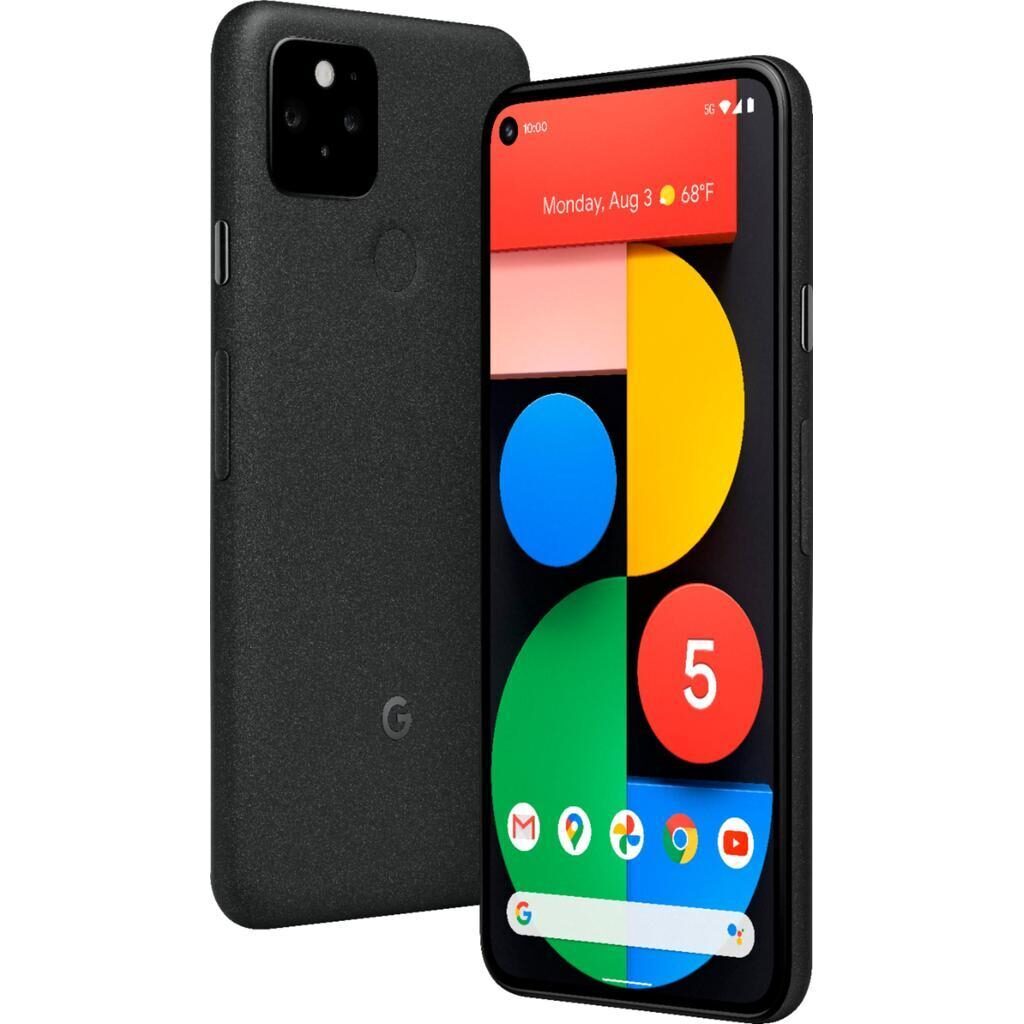
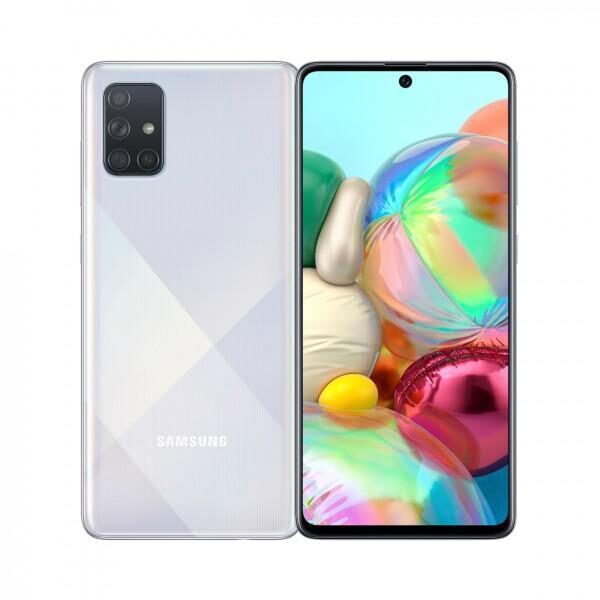
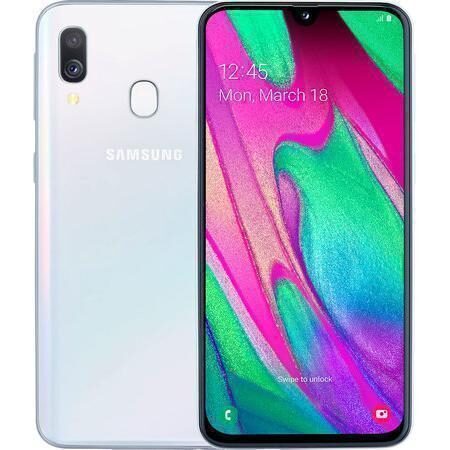
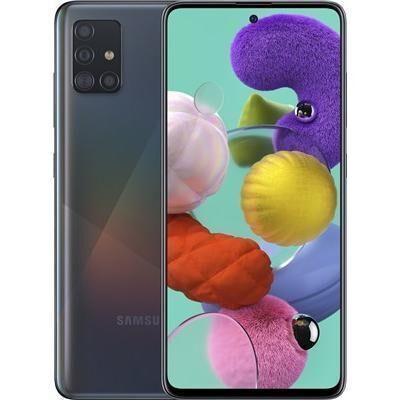
Nokia 3.4 vs Xiaomi Redmi 9C NFC
Shop Android Smartphones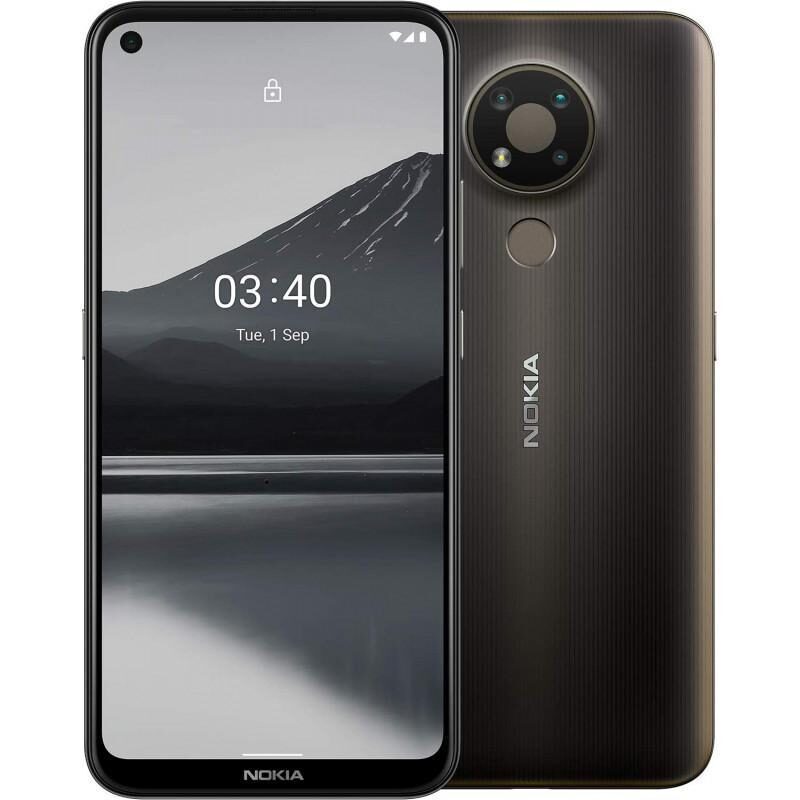
Nokia 3.4
Starting at
£103.00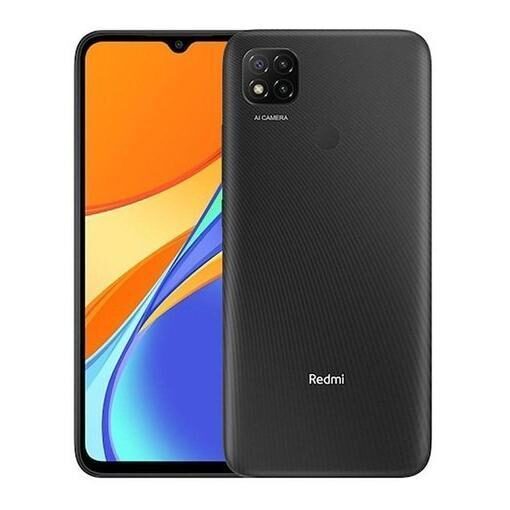
Xiaomi Redmi 9C NFC
Starting at
£105.00What's the difference between the Nokia 3.4 and Xiaomi Redmi 9C NFC?
Nokia 3.4 vs Xiaomi Redmi 9C NFC comes down to the chipset, RAM and battery. Refurbished, the Nokia 3.4 starts at £103, £2 less than the Xiaomi Redmi 9C NFC.
Refurbished from
Chipset
RAM
Battery
Screen size
Front camera
- Chipset: Qualcomm SM4250 Snapdragon 460 (11 nm) on the Nokia 3.4, Mediatek MT6765G Helio G35 (12 nm) on the Xiaomi Redmi 9C NFC.
- The Nokia 3.4 has more RAM: 4 GB vs 2 GB.
- The Xiaomi Redmi 9C NFC has a bigger battery: 5000 mAh vs 4000 mAh.
Nokia 3.4 vs Xiaomi Redmi 9C NFC specs
The Nokia 3.4 and the Xiaomi Redmi 9C NFC are both Android smartphones released in 2020 with similar overall features but distinct differences that suit different users. The Nokia 3.4 offers more RAM and a slightly faster chipset, making it better for running multiple apps smoothly. It also has a USB-C connector and a higher resolution front camera, which helps capture sharper selfies. The Xiaomi Redmi 9C NFC has a larger battery for longer use and a bigger screen, which is good if you want more viewing space for videos or reading. It also supports two physical SIM cards and uses a micro USB connector. Both phones have the same main camera resolution and storage size, so camera detail and space for apps or files are comparable. Choose Nokia 3.4 for performance and selfie quality, and Xiaomi Redmi 9C NFC for battery life and screen size.
Nokia 3.4 vs Xiaomi Redmi 9C NFC price
Colour
- CharcoalSold out
- GreySold out
Storage
- 32GBSold out
- 32GBSold out
Nokia 3.4 vs Xiaomi Redmi 9C NFC battery life and software updates
Battery capacity and software updates affect how long each phone can keep up with daily use.
Battery Capacity
The Xiaomi Redmi 9C NFC has a 5000 mAh battery, which provides longer usage between charges. This suits users who spend more time away from power sources or use their phone heavily throughout the day. The Nokia 3.4 offers a 4000 mAh battery, which still supports typical daily use but may need charging sooner for power users.
Battery
Foldable
Year of release
Nokia 3.4 vs Xiaomi Redmi 9C NFC performance
Performance depends on the processor and memory. These affect how well your phone handles apps, multitasking, and general responsiveness.
Processor Type
The Nokia 3.4 uses a Qualcomm SM4250 Snapdragon 460 chipset built on an 11 nm process, while the Xiaomi Redmi 9C NFC has a Mediatek MT6765G Helio G35 chipset on a 12 nm process. The difference in chipset technology may influence efficiency and speed in everyday use.
RAM Size
With 4 GB of RAM, the Nokia 3.4 can keep more apps running smoothly in the background. This suits users who multitask frequently or use more demanding apps. The Xiaomi Redmi 9C NFC has 2 GB of RAM, which supports everyday tasks and simpler app use.
Storage Capacity
Both devices offer 32 GB of storage in the versions stocked. This provides space for apps, photos, and files suitable for average daily use.
Chipset
RAM
Nokia 3.4 vs Xiaomi Redmi 9C NFC screen
The screen affects how you see videos, photos, and apps. Size and resolution are key factors in comfort and clarity.
Screen Size
The Xiaomi Redmi 9C NFC has a larger 6.53 inch screen, which gives more room for watching videos and browsing. The Nokia 3.4 has a 6.39 inch screen, which is slightly smaller and easier to handle with one hand.
Resolution
Both phones have similar screen resolution close to HD, with Xiaomi Redmi 9C NFC at 720 x 1600 and Nokia 3.4 at 720 x 1560. This means both display images and text with similar clarity.
Screen Type
Both use IPS LCD screens, providing good colour reproduction and viewing angles for everyday use.
Resolution
Screen size
Screen type
Nokia 3.4 vs Xiaomi Redmi 9C NFC camera
Camera quality and front-facing camera resolution influence your photo and video experience, including selfies.
Front Camera Resolution
The Nokia 3.4 has an 8 megapixel front camera, which captures more detail and clarity in selfies and video calls. The Xiaomi Redmi 9C NFC has a 5 megapixel front camera, suitable for basic selfie needs.
Main Camera Resolution
Both phones have a 13 megapixel main camera, providing comparable image detail for everyday photos.
Front camera
Main camera
Nokia 3.4 vs Xiaomi Redmi 9C NFC size and design
Additional features like connectors, SIM options, and physical dimensions affect how you use and carry the phone.
Connector Type
The Nokia 3.4 uses USB-C and retains a 3.5mm headphone jack, which supports modern charging and audio accessories. The Xiaomi Redmi 9C NFC uses micro USB along with a 3.5mm jack, which works with many existing accessories but is less common on newer devices.
SIM Card Support
The Xiaomi Redmi 9C NFC supports dual physical SIM cards, which is helpful if you use two phone numbers or travel internationally. The Nokia 3.4 supports a single physical SIM card.
Size and Weight
The Xiaomi Redmi 9C NFC is slightly larger and heavier at 164.9 mm height, 77.1 mm width, and 196 g weight, offering a bigger screen but less pocket-friendly size. The Nokia 3.4 is 161 mm tall, 76 mm wide, and weighs 180 g, making it more compact and lighter to carry.
Carrier compatibility
Connector
Depth
Height
Mobile network
SD card slot
SIM card
Weight
Width
Nokia 3.4 or Xiaomi Redmi 9C NFC: which should you buy?
Buy the Nokia 3.4 if
- you want to spend less: it starts at £103, £2 less than the Xiaomi Redmi 9C NFC
- you want more RAM (4 GB vs 2 GB)
- you want a higher-resolution front camera (8 megapixels vs 5 megapixels)
Buy the Xiaomi Redmi 9C NFC if
- you want a bigger battery (5000 mAh vs 4000 mAh)
Nokia 3.4 vs Xiaomi Redmi 9C NFC FAQs
Nokia 3.4 vs Xiaomi Redmi 9C NFC comes down to the chipset, RAM and battery. Chipset: Qualcomm SM4250 Snapdragon 460 (11 nm) on the Nokia 3.4, Mediatek MT6765G Helio G35 (12 nm) on the Xiaomi Redmi 9C NFC. The Nokia 3.4 has more RAM: 4 GB vs 2 GB.
The Nokia 3.4 is cheaper refurbished, from £103 compared with £105 for the Xiaomi Redmi 9C NFC.
The Xiaomi Redmi 9C NFC has a bigger battery: 5000 mAh vs 4000 mAh.
Both have the same main camera: 13 megapixels.
Both come in 32GB refurbished.