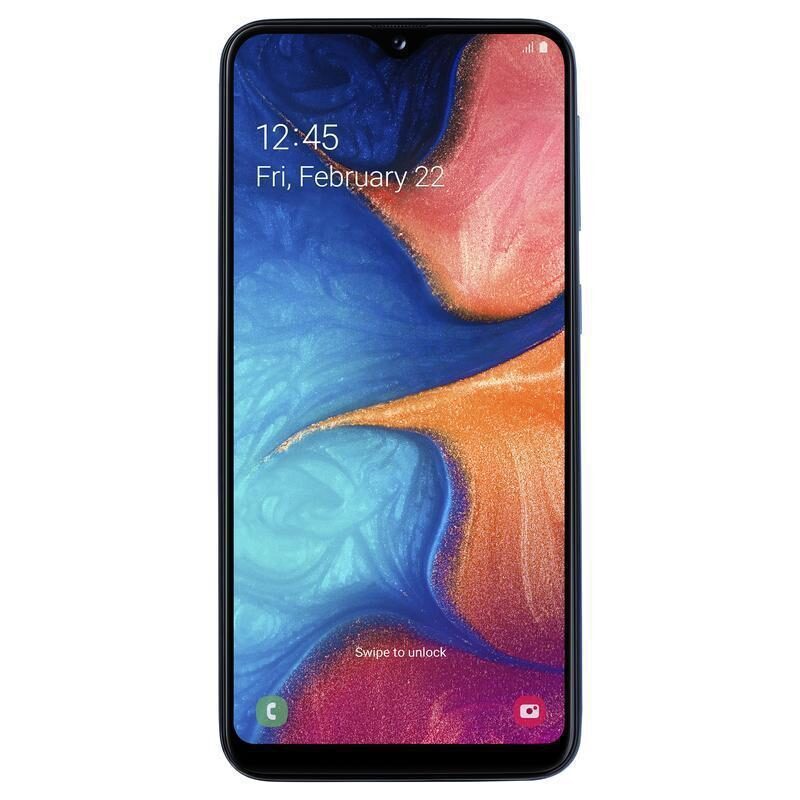
Nokia 3.4 vs Xiaomi Redmi 9AT
Shop Android Smartphones
Nokia 3.4
Starting at
£103.00
Xiaomi Redmi 9AT
Starting at
£89.00What's the difference between the Nokia 3.4 and Xiaomi Redmi 9AT?
Nokia 3.4 vs Xiaomi Redmi 9AT comes down to the chipset, RAM and battery. Refurbished, the Xiaomi Redmi 9AT starts at £89, £14 less than the Nokia 3.4.
Refurbished from
Chipset
RAM
Battery
Screen size
Front camera
- Chipset: Qualcomm SM4250 Snapdragon 460 (11 nm) on the Nokia 3.4, Mediatek MT6762G Helio G25 (12 nm) on the Xiaomi Redmi 9AT.
- The Nokia 3.4 has more RAM: 4 GB vs 2 GB.
- The Xiaomi Redmi 9AT has a bigger battery: 5000 mAh vs 4000 mAh.
Nokia 3.4 vs Xiaomi Redmi 9AT specs
The Nokia 3.4 and Xiaomi Redmi 9AT both come from 2020 and offer solid options for everyday use, but they suit different needs. The Nokia 3.4 has more RAM, which helps keep more apps open smoothly, and a sharper front camera for clearer selfies. The Xiaomi Redmi 9AT has a bigger screen and a larger battery, making it better for extended video watching and longer time between charges. It also supports two physical SIM cards, useful if you manage personal and work numbers on one phone. Both run Android and have similar main cameras and storage options, so your choice depends on whether you prefer more memory and a sharper front camera or a bigger screen and longer battery life.
Nokia 3.4 vs Xiaomi Redmi 9AT price
Colour
- CharcoalSold out
- BlueSold out
- GreySold out
Storage
- 32GBSold out
- 32GBSold out
Nokia 3.4 vs Xiaomi Redmi 9AT battery life and software updates
Durability covers battery capacity, system updates, and basic design features. Both phones run Android but neither supports the latest version. Battery life and physical robustness vary slightly between them.
Battery Capacity
The Xiaomi Redmi 9AT features a 5000 mAh battery, which suits users who need longer usage between charges, such as for extended browsing or media playback. The Nokia 3.4 has a 4000 mAh battery, which is still sufficient for daily use but may require more frequent charging.
Battery
Foldable
Year of release
Nokia 3.4 vs Xiaomi Redmi 9AT performance
Performance depends on the processor and RAM, which affect how smoothly apps run and multitask. Both phones offer 32GB of storage, enough for typical apps and media.
Processor Types
The Nokia 3.4 is powered by a Qualcomm Snapdragon 460 chipset built on 11 nm technology. This suits users who want a balance of efficiency and everyday performance. The Xiaomi Redmi 9AT uses a Mediatek Helio G25 chipset on 12 nm, designed for basic tasks and simple apps.
RAM Amount
Nokia 3.4 has 4 GB of RAM, which helps keep more apps open and running smoothly at the same time. Xiaomi Redmi 9AT offers 2 GB of RAM, fitting for users who mostly run a few apps and basic functions without heavy multitasking.
Chipset
RAM
Nokia 3.4 vs Xiaomi Redmi 9AT screen
Screen quality is about size, resolution, and panel type, which affect how you view content and interact with the phone.
Screen Size
The Xiaomi Redmi 9AT has a larger 6.53 inch screen, which gives more room for watching videos or browsing. The Nokia 3.4's screen is 6.39 inches, making it slightly more compact and easier to handle for one-handed use.
Resolution and Display
Both phones use IPS LCD screens with similar HD resolutions around 720 pixels wide. The Xiaomi Redmi 9AT has a resolution of 720 by 1600 pixels, which offers a bit more vertical space compared to the Nokia 3.4's 720 by 1560 pixels. Both deliver clear and bright displays suitable for everyday use.
Resolution
Screen size
Screen type
Nokia 3.4 vs Xiaomi Redmi 9AT camera
Audiovisual features include cameras and how well you can capture photos or video calls.
Front Camera
The Nokia 3.4 has an 8 megapixel front camera, which is better for sharper and more detailed selfies or video calls. The Xiaomi Redmi 9AT's front camera has 5 megapixels, suited for basic selfie needs and video chatting.
Main Camera
Both phones use a 13 megapixel main camera. This resolution is good for general photography, capturing everyday moments with decent detail and colour.
Front camera
Main camera
Nokia 3.4 vs Xiaomi Redmi 9AT size and design
Miscellaneous features include physical size, SIM card options, and storage expandability, which influence how you carry and use the device daily.
SIM Card Options
The Xiaomi Redmi 9AT supports dual physical SIM cards, which is helpful if you use separate numbers for work and personal life. The Nokia 3.4 comes with a single physical SIM card slot, suitable for users with one number.
Physical Size and Weight
The Xiaomi Redmi 9AT is larger at 164.9 mm tall, 77 mm wide, and 9 mm deep, weighing 194 g. This size supports its bigger screen and battery but may feel heavier in hand. The Nokia 3.4 is smaller and lighter, measuring 161 mm by 76 mm by 8.7 mm and weighing 180 g, making it easier to carry and handle.
Storage Expansion
Both phones support microSDXC cards to expand storage beyond their 32GB internal memory. This is useful for storing more photos, videos, or apps without worrying about space.
Carrier compatibility
Connector
Depth
Height
Mobile network
SD card slot
SIM card
Weight
Width
Nokia 3.4 or Xiaomi Redmi 9AT: which should you buy?
Buy the Nokia 3.4 if
- you want more RAM (4 GB vs 2 GB)
- you want a higher-resolution front camera (8 megapixels vs 5 megapixels)
- you want a lighter build (180 g vs 194 g)
Buy the Xiaomi Redmi 9AT if
- you want to spend less: it starts at £89, £14 less than the Nokia 3.4
- you want a bigger battery (5000 mAh vs 4000 mAh)
Nokia 3.4 vs Xiaomi Redmi 9AT FAQs
Nokia 3.4 vs Xiaomi Redmi 9AT comes down to the chipset, RAM and battery. Chipset: Qualcomm SM4250 Snapdragon 460 (11 nm) on the Nokia 3.4, Mediatek MT6762G Helio G25 (12 nm) on the Xiaomi Redmi 9AT. The Nokia 3.4 has more RAM: 4 GB vs 2 GB.
The Xiaomi Redmi 9AT is cheaper refurbished, from £89 compared with £103 for the Nokia 3.4.
The Xiaomi Redmi 9AT has a bigger battery: 5000 mAh vs 4000 mAh.
Both have the same main camera: 13 megapixels.
Both come in 32GB refurbished.