Motorola Moto G85 vs Xiaomi Redmi Note 13 Pro 4G
Shop Android Smartphones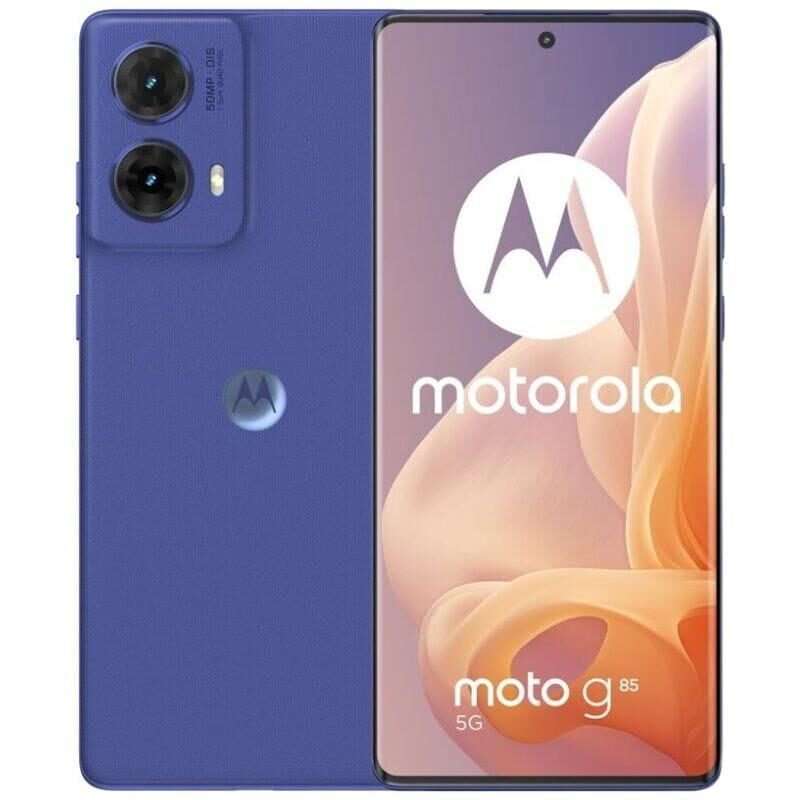
Motorola Moto G85
Starting at
£251.99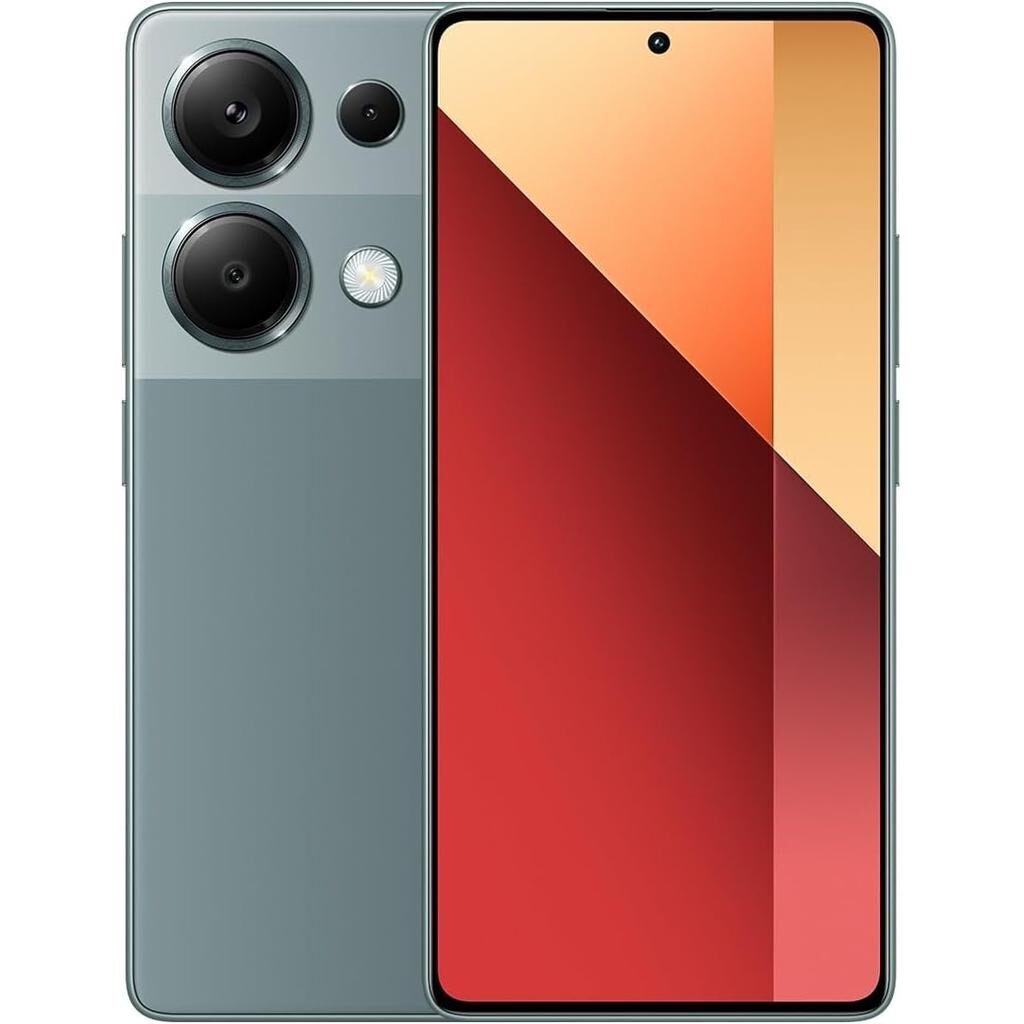
Xiaomi Redmi Note 13 Pro 4G
Starting at
£241.00What's the difference between the Motorola Moto G85 and Xiaomi Redmi Note 13 Pro 4G?
Motorola Moto G85 vs Xiaomi Redmi Note 13 Pro 4G comes down to the chipset, RAM and screen size. Refurbished, the Xiaomi Redmi Note 13 Pro 4G starts at £241, £10.99 less than the Motorola Moto G85.
Refurbished from
Chipset
RAM
Screen size
Screen type
Main camera
- Chipset: Qualcomm SM6375 Snapdragon 6s Gen 3 (6 nm) on the Motorola Moto G85, Mediatek Helio G99 Ultra on the Xiaomi Redmi Note 13 Pro 4G.
- The Motorola Moto G85 has more RAM: 12 GB vs 8 GB.
- Screen size: 6,67 inch on the Motorola Moto G85, 6.67 inch on the Xiaomi Redmi Note 13 Pro 4G.
Motorola Moto G85 vs Xiaomi Redmi Note 13 Pro 4G specs
The Motorola Moto G85 and Xiaomi Redmi Note 13 Pro 4G are both Android smartphones released in 2024 with 5000 mAh batteries and 6.67-inch screens. The Moto G85 offers 5G connectivity, more RAM at 12 GB, and a Qualcomm Snapdragon chipset, which suits users wanting faster network speeds and more multitasking ability. The Redmi Note 13 Pro 4G provides a higher 512 GB storage option and a 200-megapixel main camera for detailed photos, ideal for users prioritising storage and photography. The Redmi Note is slightly heavier and thicker, with dual physical SIMs, while the Moto G85 has a lighter, slimmer build and supports an eSIM alongside a physical SIM. Both have 120 Hz refresh rates but differ in screen type and other features, making each suitable for different needs.
Motorola Moto G85 vs Xiaomi Redmi Note 13 Pro 4G price
Colour
- BlueSold out
- GreenSold out
- BlackSold out
Storage
- 256GBSold out
- 512GBSold out
Motorola Moto G85 vs Xiaomi Redmi Note 13 Pro 4G battery life and software updates
Durability covers battery capacity, operating system, and basic physical features that affect daily use. Both phones share some key durability specs but differ in network compatibility and SIM options, which affect how you connect and use your device.
Battery Capacity and OS
Both the Motorola Moto G85 and Xiaomi Redmi Note 13 Pro 4G have a 5000 mAh battery, which supports extended use without frequent charging. They both run on Android, offering a familiar and flexible operating system for a wide range of apps and customisation.
Network and SIM Options
The Moto G85 supports 5G networks, which can provide faster mobile internet where available, making it suitable for users wanting the latest mobile connectivity. It also offers a combination of a physical SIM and an eSIM, giving flexibility for dual lines without needing two physical cards. The Redmi Note 13 Pro 4G works on 4G networks and uses two physical SIM cards, which suits users who prefer managing two separate SIMs without eSIM technology.
Battery
Foldable
Year of release
Motorola Moto G85 vs Xiaomi Redmi Note 13 Pro 4G performance
Performance focuses on the processor, RAM, and storage that determine speed, multitasking, and capacity for apps and files. The two devices have different chipsets, RAM amounts, and storage options, shaping who each phone fits best.
Processor Differences
The Motorola Moto G85 runs on the Qualcomm SM6375 Snapdragon 6s Gen 3 chipset built on a 6 nm process, which is designed to handle daily tasks smoothly and efficiently. The Xiaomi Redmi Note 13 Pro 4G uses the Mediatek Helio G99 Ultra chipset, which is also built for capable performance in typical smartphone use. Choice between these chipsets may come down to personal preference or specific app compatibility.
RAM and Multitasking
With 12 GB of RAM, the Motorola Moto G85 offers more memory for running multiple apps at once, which benefits users who keep many apps open or work with heavier software. The Redmi Note 13 Pro 4G has 8 GB of RAM, which manages everyday apps well and suits users with standard multitasking needs.
Storage Capacity
The Redmi Note 13 Pro 4G comes with 512 GB of storage, providing ample space for large files, apps, and media, fitting users who store a lot on their device. The Moto G85 offers 256 GB, which is still generous for most users but may require more regular management of stored content.
Chipset
RAM
Motorola Moto G85 vs Xiaomi Redmi Note 13 Pro 4G screen
Screen quality impacts how you see content, with factors like refresh rate, resolution, size, and screen type influencing clarity and smoothness. Both phones share many screen specs but use different panel technology.
Refresh Rate and Resolution
Both devices feature a 120 Hz refresh rate, which results in smooth scrolling and animations, enhancing the experience when browsing or gaming. Their shared 1080 x 2400 pixel resolution on 6.67-inch screens delivers sharp, detailed images suitable for video and reading.
Screen Panel Type
The Moto G85 uses an OLED screen, which typically offers good contrast and deep blacks. The Redmi Note 13 Pro 4G features an AMOLED screen, known for vibrant colours and energy efficiency. Your choice here may influence how colours and brightness appear during use.
Refresh rate
Resolution
Screen size
Screen type
Motorola Moto G85 vs Xiaomi Redmi Note 13 Pro 4G camera
Camera type
Front camera
Main camera
Motorola Moto G85 vs Xiaomi Redmi Note 13 Pro 4G size and design
Miscellaneous features include dimensions, weight, connectivity, and expandability, which affect comfort, compatibility, and daily convenience.
Physical Size and Weight
The Motorola Moto G85 is slightly slimmer at 7.6 mm depth and lighter at 173 g, making it easier to hold for long periods. The Xiaomi Redmi Note 13 Pro 4G is 8 mm thick and weighs 188 g, which may feel more substantial in the hand.
SIM and Network Support
The Moto G85 supports both a physical SIM and an eSIM, offering flexible options for managing mobile plans. It also supports 5G networks, which can provide faster internet speeds where available. In contrast, the Redmi Note 13 Pro 4G uses dual physical SIM cards and connects to 4G networks, suitable for users who prefer two separate SIM cards without eSIM.
Expandable Storage and Connector
Both phones support microSDXC cards, allowing you to add more storage beyond the built-in capacity.
Dimensions in Detail
The Moto G85 measures 161.9 mm in height and 73.1 mm in width, while the Redmi Note 13 Pro 4G is slightly shorter at 161.1 mm and wider at 75 mm. These subtle differences may influence how each phone fits in your pocket or hand.
Carrier compatibility
Connector
Depth
Height
Mobile network
SD card slot
SIM card
Weight
Width
Motorola Moto G85 or Xiaomi Redmi Note 13 Pro 4G: which should you buy?
Buy the Motorola Moto G85 if
- you want more RAM (12 GB vs 8 GB)
- you want 5G
- you want a lighter build (173 g vs 188 g)
Buy the Xiaomi Redmi Note 13 Pro 4G if
- you want to spend less: it starts at £241, £10.99 less than the Motorola Moto G85
- you want a higher-resolution main camera (200 megapixels vs 50 megapixels)
Motorola Moto G85 vs Xiaomi Redmi Note 13 Pro 4G FAQs
Motorola Moto G85 vs Xiaomi Redmi Note 13 Pro 4G comes down to the chipset, RAM and screen size. Chipset: Qualcomm SM6375 Snapdragon 6s Gen 3 (6 nm) on the Motorola Moto G85, Mediatek Helio G99 Ultra on the Xiaomi Redmi Note 13 Pro 4G. The Motorola Moto G85 has more RAM: 12 GB vs 8 GB.
The Xiaomi Redmi Note 13 Pro 4G is cheaper refurbished, from £241 compared with £251.99 for the Motorola Moto G85.
Both have the same battery: 5000 mAh.
The Xiaomi Redmi Note 13 Pro 4G has a higher-resolution main camera: 200 megapixels vs 50 megapixels.
Refurbished, the Motorola Moto G85 comes in 256GB, and the Xiaomi Redmi Note 13 Pro 4G in 512GB.