Motorola Edge 20 vs Xiaomi Poco X3 Pro
Shop Android Smartphones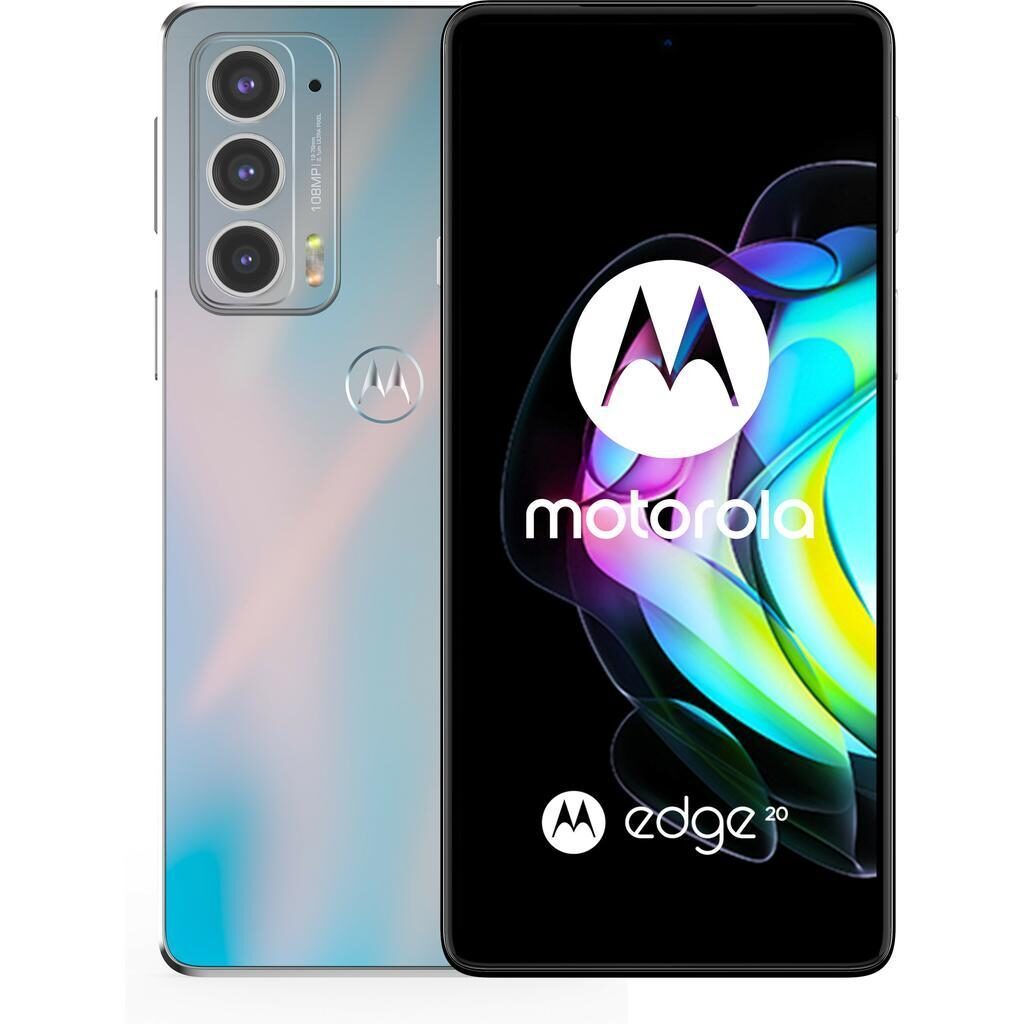
Motorola Edge 20
Starting at
£160.00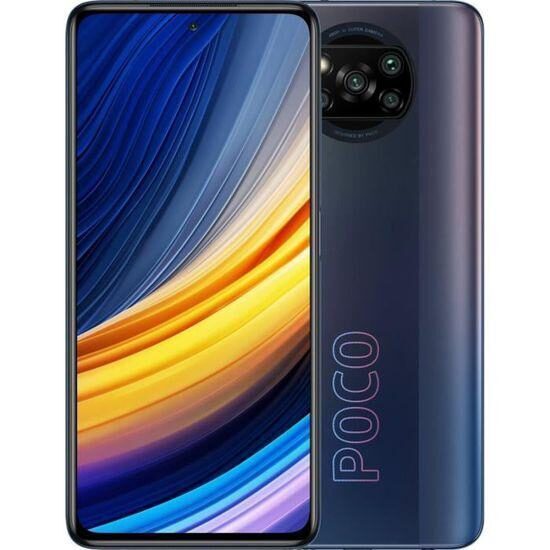
Xiaomi Poco X3 Pro
Starting at
£170.00What's the difference between the Motorola Edge 20 and Xiaomi Poco X3 Pro?
Motorola Edge 20 vs Xiaomi Poco X3 Pro comes down to the chipset, RAM and battery. Refurbished, the Motorola Edge 20 starts at £160, £10 less than the Xiaomi Poco X3 Pro.
Refurbished from
Chipset
RAM
Battery
Screen size
Screen type
- Chipset: Qualcomm SM7325 Snapdragon 778G 5G (6 nm) on the Motorola Edge 20, Snapdragon 860 SM8150-AC (7 nm) on the Xiaomi Poco X3 Pro.
- The Motorola Edge 20 has more RAM: 8 GB vs 6 GB.
- The Xiaomi Poco X3 Pro has a bigger battery: 5160 mAh vs 4000 mAh.
Motorola Edge 20 vs Xiaomi Poco X3 Pro specs
The Motorola Edge 20 and Xiaomi Poco X3 Pro both came out in 2021 and offer different strengths for different users. The Motorola Edge 20 suits those who want a lighter phone with a bright OLED screen, a higher refresh rate, and strong cameras with more megapixels. It also supports 5G networks and has more RAM at 8 GB for smoother multitasking. The Xiaomi Poco X3 Pro fits buyers who prefer a larger battery capacity for longer use, a microSDXC slot for storage expansion, and a headphone jack for wired audio. It also has a slightly thicker and heavier build and offers more storage options, including 256GB. Both are unlocked and support dual SIM cards, so they adapt well to different network needs.
Motorola Edge 20 vs Xiaomi Poco X3 Pro price
Colour
- GreySold out
- WhiteSold out
- BlackSold out
- BlueSold out
Storage
- 128GBSold out
- 128GBSold out
- 256GBSold out
Motorola Edge 20 vs Xiaomi Poco X3 Pro battery life and software updates
Battery capacity and software updates affect how long a phone lasts between charges and how current it stays.
Battery Capacity
The Xiaomi Poco X3 Pro has a 5160 mAh battery, which suits users who want longer use between charges. The Motorola Edge 20 has a 4000 mAh battery, which is smaller and may require more frequent charging for heavy users.
Battery
Fast charging
Foldable
Ip rating
Year of release
Motorola Edge 20 vs Xiaomi Poco X3 Pro performance
Performance depends on the chipset, RAM, and storage options. Each device has a different focus that suits various user needs.
Chipset Differences
The Motorola Edge 20 uses a Qualcomm SM7325 Snapdragon 778G 5G chipset built on a 6 nm process, which combines good efficiency with 5G connectivity. The Xiaomi Poco X3 Pro has a Snapdragon 860 SM8150-AC chipset built on a 7 nm process, designed for strong performance but without 5G support.
RAM Capacity
Motorola Edge 20 comes with 8 GB of RAM, which helps keep more apps open and running smoothly. Xiaomi Poco X3 Pro offers 6 GB of RAM, suitable for everyday use and multitasking with fewer simultaneous apps.
Storage Options
The Motorola Edge 20 is stocked with 128GB of storage. The Xiaomi Poco X3 Pro provides a choice between 128GB and 256GB, allowing users needing more space to select a larger option.
Chipset
RAM
Motorola Edge 20 vs Xiaomi Poco X3 Pro screen
Screen quality affects how content looks and feels when you use your phone. Differences in screen type and refresh rate influence colour vibrancy and smoothness.
Screen Type
The Motorola Edge 20 features an OLED screen, which provides deeper blacks and more vibrant colours. The Xiaomi Poco X3 Pro has an IPS LCD screen, which offers consistent brightness but less contrast compared to OLED.
Refresh Rate
Motorola Edge 20 supports a 144 Hz refresh rate, which makes animations and scrolling appear very smooth. Xiaomi Poco X3 Pro has a 120 Hz refresh rate, still fluid but slightly less so than 144 Hz.
Screen Size and Resolution
Both phones have screens around 6.7 inches with the same resolution of 1080 by 2400 pixels, offering plenty of space and sharpness for watching videos and browsing.
Refresh rate
Resolution
Screen size
Screen type
Motorola Edge 20 vs Xiaomi Poco X3 Pro camera
Camera and front camera resolution matter for photo and video quality, especially if you often take pictures or video calls.
Main Camera Megapixels
The Motorola Edge 20 offers a 108 megapixel main camera, which suits users wanting to capture high-detail photos. The Xiaomi Poco X3 Pro has a 48 megapixel main camera, good for everyday photography with fewer megapixels.
Front Camera Resolution
Motorola Edge 20 includes a 32 megapixel front camera, which is well suited for detailed selfies and video calls. The Xiaomi Poco X3 Pro has a 20 megapixel front camera, offering solid quality for video chats and self-portraits.
Camera type
Front camera
Main camera
Motorola Edge 20 vs Xiaomi Poco X3 Pro size and design
Other features like network compatibility, ports, and physical size may affect your daily use depending on your preferences and needs.
Network Compatibility
Motorola Edge 20 supports 5G networks, which suits those planning to use faster mobile data where 5G is available. Xiaomi Poco X3 Pro supports 4G networks.
Storage Expansion
Xiaomi Poco X3 Pro includes a microSDXC slot, allowing you to add extra storage with a memory card. The Motorola Edge 20 does not have a microSD slot.
Audio Connectivity
The Xiaomi Poco X3 Pro has both USB-C and a 3.5mm headphone jack, making it easy to use wired headphones without an adapter. The Motorola Edge 20 has only a USB Type-C connector.
Physical Dimensions and Weight
Motorola Edge 20 is slimmer at 7 mm depth and lighter at 163 g, which may suit those wanting a more compact and lighter phone. Xiaomi Poco X3 Pro is thicker at 9.4 mm and heavier at 215 g, offering a more substantial feel.
SIM Cards
Both phones support dual physical SIM cards, making them flexible for users who manage two numbers or travel frequently.
Carrier compatibility
Connector
Depth
Height
Mobile network
SD card slot
SIM card
Weight
Width
Motorola Edge 20 or Xiaomi Poco X3 Pro: which should you buy?
Buy the Motorola Edge 20 if
- you want to spend less: it starts at £160, £10 less than the Xiaomi Poco X3 Pro
- you want more RAM (8 GB vs 6 GB)
- you want an OLED screen
Buy the Xiaomi Poco X3 Pro if
- you want a bigger battery (5160 mAh vs 4000 mAh)
- you want a headphone jack
- you want a memory card slot
Motorola Edge 20 vs Xiaomi Poco X3 Pro FAQs
Motorola Edge 20 vs Xiaomi Poco X3 Pro comes down to the chipset, RAM and battery. Chipset: Qualcomm SM7325 Snapdragon 778G 5G (6 nm) on the Motorola Edge 20, Snapdragon 860 SM8150-AC (7 nm) on the Xiaomi Poco X3 Pro. The Motorola Edge 20 has more RAM: 8 GB vs 6 GB.
The Motorola Edge 20 is cheaper refurbished, from £160 compared with £170 for the Xiaomi Poco X3 Pro.
The Xiaomi Poco X3 Pro has a bigger battery: 5160 mAh vs 4000 mAh.
The Motorola Edge 20 has a higher-resolution main camera: 108 megapixels vs 48 megapixels.
Refurbished, the Motorola Edge 20 comes in 128GB, and the Xiaomi Poco X3 Pro in 128GB and 256GB.