Motorola Edge 20 vs Xiaomi Mi 11x Pro
Shop Android Smartphones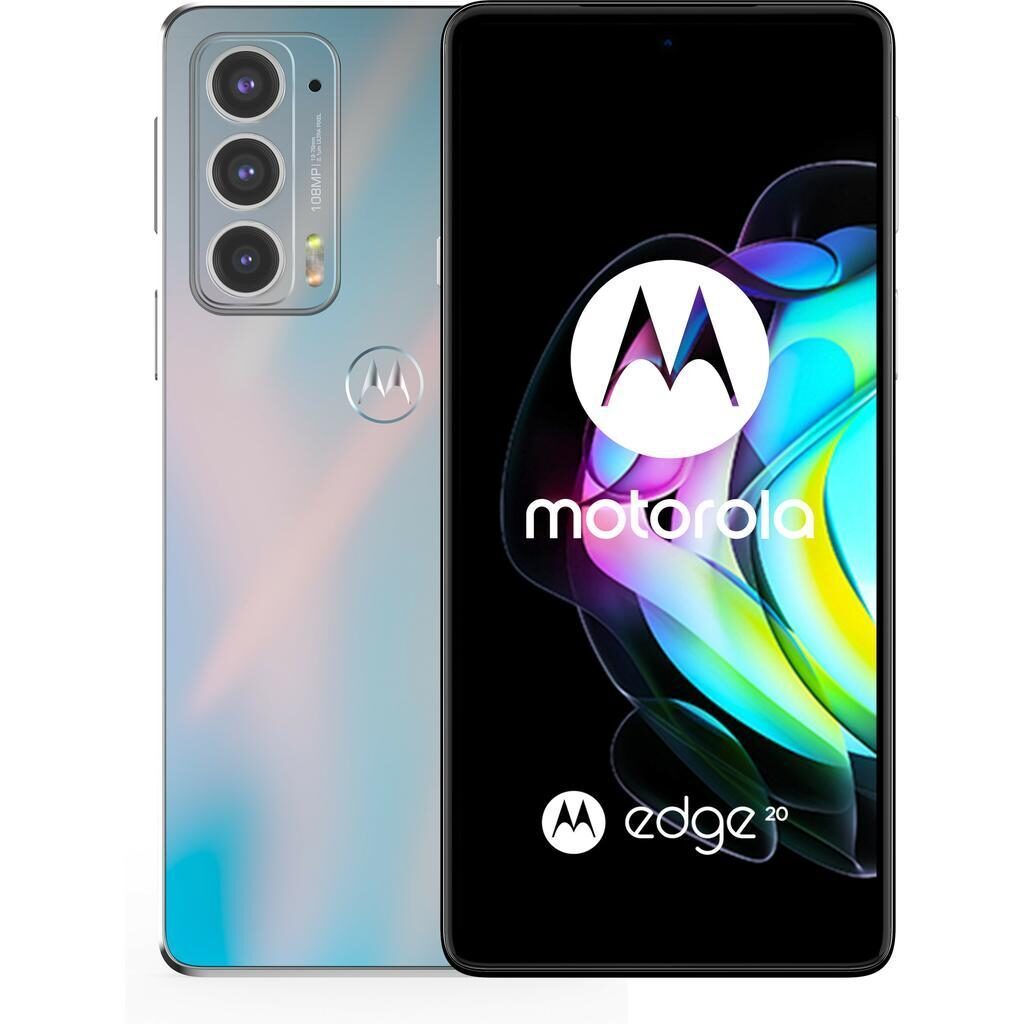
Motorola Edge 20
Starting at
£160.00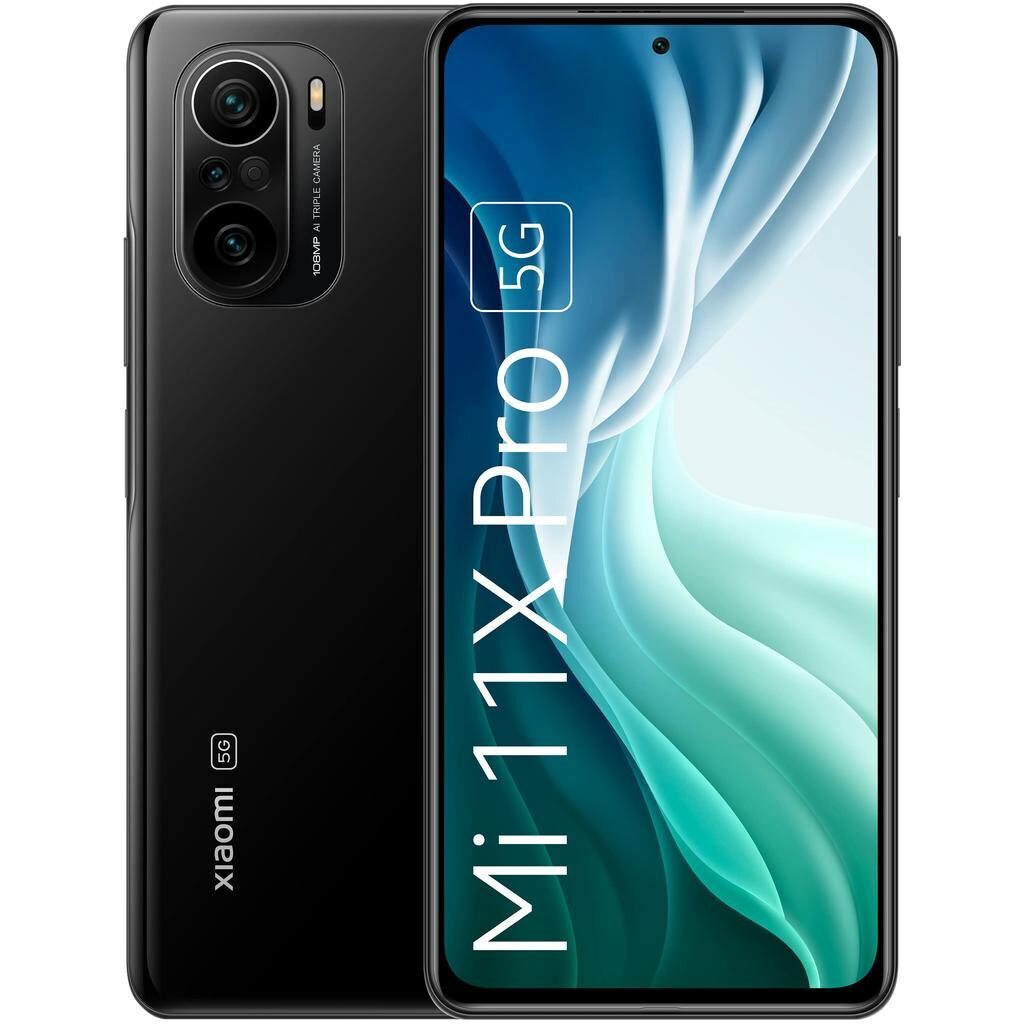
Xiaomi Mi 11x Pro
Starting at
£156.00What's the difference between the Motorola Edge 20 and Xiaomi Mi 11x Pro?
Motorola Edge 20 vs Xiaomi Mi 11x Pro comes down to the chipset, battery and screen size. Refurbished, the Xiaomi Mi 11x Pro starts at £156, £4 less than the Motorola Edge 20.
Refurbished from
Chipset
Battery
Screen size
Screen type
Main camera
- Chipset: Qualcomm SM7325 Snapdragon 778G 5G (6 nm) on the Motorola Edge 20, Qualcomm SM8350 Snapdragon 888 5G (5 nm) on the Xiaomi Mi 11x Pro.
- The Xiaomi Mi 11x Pro has a bigger battery: 4520 mAh vs 4000 mAh.
- Screen size: 6,7 inch on the Motorola Edge 20, 6.67 inch on the Xiaomi Mi 11x Pro.
Motorola Edge 20 vs Xiaomi Mi 11x Pro specs
The Motorola Edge 20 and Xiaomi Mi 11x Pro are both Android smartphones from 2021 that suit different preferences. The Motorola Edge 20 offers a lighter and slimmer design with a larger front camera and a very high resolution main camera, making it a good choice for those who prioritise photography and a sleek feel. The Xiaomi Mi 11x Pro features a more powerful chipset and a slightly bigger battery, which suits users who want faster performance and longer battery life. Both have 8 GB RAM and 128 GB storage, so they handle everyday tasks and storage needs comfortably.
Motorola Edge 20 vs Xiaomi Mi 11x Pro price
Colour
- GreySold out
- WhiteSold out
- BlackSold out
Storage
- 128GBSold out
- 128GBSold out
Motorola Edge 20 vs Xiaomi Mi 11x Pro battery life and software updates
Durability matters for how long a phone supports your daily use, including battery capacity and software updates.
Battery Capacity
The Xiaomi Mi 11x Pro has a 4520 mAh battery, which offers a longer runtime between charges for users who need more endurance. The Motorola Edge 20 comes with a 4000 mAh battery, suitable for users with moderate daily use who value a lighter device.
Battery
Foldable
Year of release
Motorola Edge 20 vs Xiaomi Mi 11x Pro performance
Performance is defined by chipset and RAM, affecting speed and multitasking. Both phones offer 8 GB RAM, keeping everyday apps running smoothly, but differ in their chipsets.
Processor Power
The Xiaomi Mi 11x Pro uses the Qualcomm SM8350 Snapdragon 888 5G (5 nm), offering faster processing suitable for demanding apps and games. The Motorola Edge 20 runs on the Qualcomm SM7325 Snapdragon 778G 5G (6 nm), which provides solid performance for everyday use and multitasking.
Memory and Storage
Both phones come with 8 GB of RAM and 128 GB of storage, enough for keeping multiple apps open and storing a good amount of media and files without concern.
Chipset
RAM
Motorola Edge 20 vs Xiaomi Mi 11x Pro screen
The screen affects how you view content, with both devices sharing many features but differing in screen technology and size.
Screen Size
The Motorola Edge 20 has a 6,7 inch screen, offering a slightly larger display area for watching videos and browsing. The Xiaomi Mi 11x Pro comes with a 6.67 inch screen, just a fraction smaller but still very comfortable for media.
Screen Technology
Motorola Edge 20 features an OLED screen, providing good contrast and colour quality. Xiaomi Mi 11x Pro offers a Super AMOLED screen, known for vibrant colours and deep blacks, which may appeal to users wanting a richer viewing experience.
Refresh rate
Resolution
Screen size
Screen type
Motorola Edge 20 vs Xiaomi Mi 11x Pro camera
Camera quality is important for photos and video calls. The two phones have notable differences in front and main camera megapixels, which affect image detail.
Front Camera Megapixels
The Motorola Edge 20 has a 32 megapixels front camera, suitable for high-resolution selfies and clear video calls. The Xiaomi Mi 11x Pro has a 20 megapixels front camera, delivering good quality images for everyday use.
Main Camera Resolution
The Motorola Edge 20 offers a 108 megapixels main camera, which captures more detail and suits photography enthusiasts. Xiaomi Mi 11x Pro's 48 megapixels main camera is well suited for general photography needs with balanced detail and file size.
Camera type
Front camera
Main camera
Motorola Edge 20 vs Xiaomi Mi 11x Pro size and design
Other features such as size, weight, and network compatibility affect daily use and comfort. Both phones offer dual physical SIM support and 5G connectivity.
Dimensions and Weight
The Motorola Edge 20 is slimmer and lighter at 7 mm depth and 163 g weight, making it easier to hold for long periods. The Xiaomi Mi 11x Pro measures slightly larger at 7.8 mm depth and weighs 196 g, offering a more substantial feel.
SIM and Network
Both phones support dual physical SIM cards and 5G networks, providing flexibility for multiple carriers and fast mobile data connections.
Connector Type
The Motorola Edge 20 uses a USB Type-C connector, while the Xiaomi Mi 11x Pro uses USB-C. Both support modern charging and data transfer standards.
Carrier compatibility
Connector
Depth
Height
Mobile network
SD card slot
SIM card
Weight
Width
Motorola Edge 20 or Xiaomi Mi 11x Pro: which should you buy?
Buy the Motorola Edge 20 if
- you want a higher-resolution main camera (108 megapixels vs 48 megapixels)
- you want a higher-resolution front camera (32 megapixels vs 20 megapixels)
- you want a lighter build (163 g vs 196 g)
Buy the Xiaomi Mi 11x Pro if
- you want to spend less: it starts at £156, £4 less than the Motorola Edge 20
- you want a bigger battery (4520 mAh vs 4000 mAh)
Motorola Edge 20 vs Xiaomi Mi 11x Pro FAQs
Motorola Edge 20 vs Xiaomi Mi 11x Pro comes down to the chipset, battery and screen size. Chipset: Qualcomm SM7325 Snapdragon 778G 5G (6 nm) on the Motorola Edge 20, Qualcomm SM8350 Snapdragon 888 5G (5 nm) on the Xiaomi Mi 11x Pro. The Xiaomi Mi 11x Pro has a bigger battery: 4520 mAh vs 4000 mAh.
The Xiaomi Mi 11x Pro is cheaper refurbished, from £156 compared with £160 for the Motorola Edge 20.
The Xiaomi Mi 11x Pro has a bigger battery: 4520 mAh vs 4000 mAh.
The Motorola Edge 20 has a higher-resolution main camera: 108 megapixels vs 48 megapixels.
Both come in 128GB refurbished.