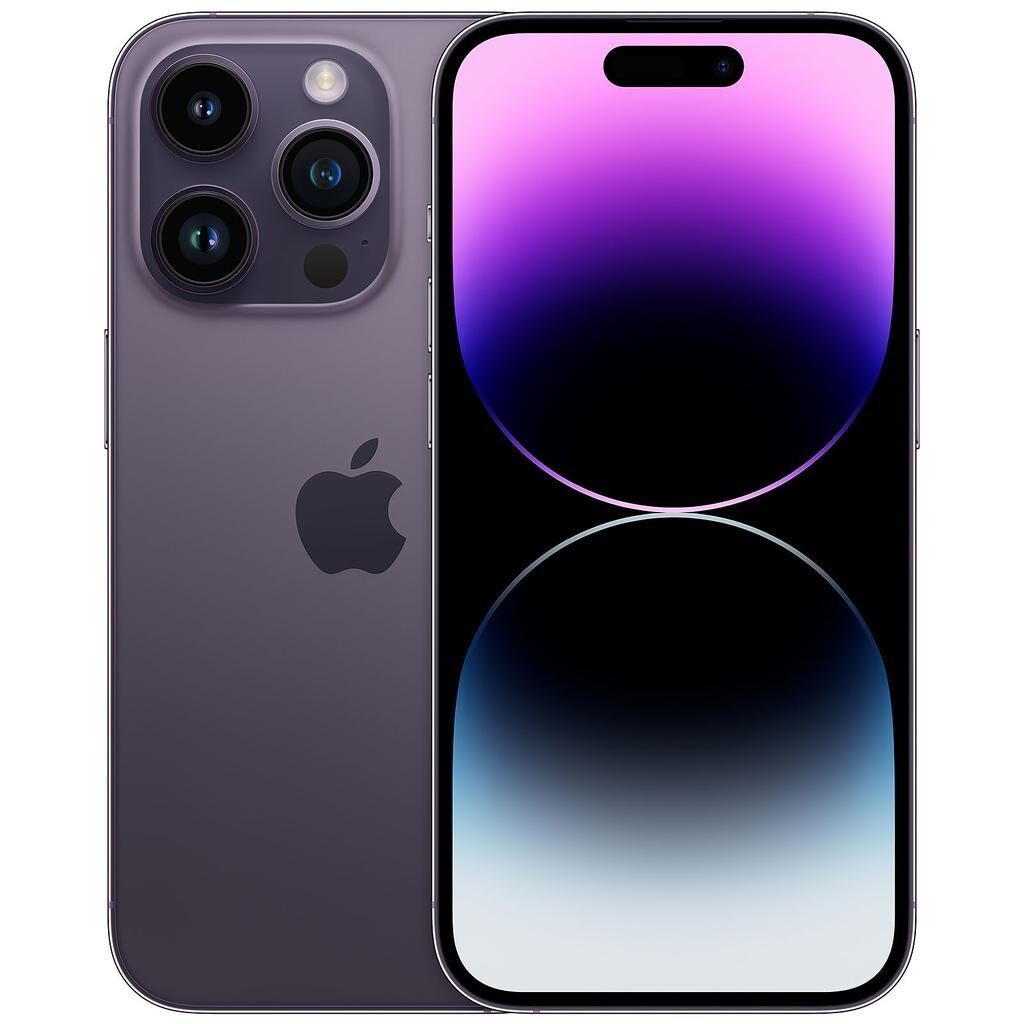
iPhone 8 vs iPhone SE (2022)
Shop iPhone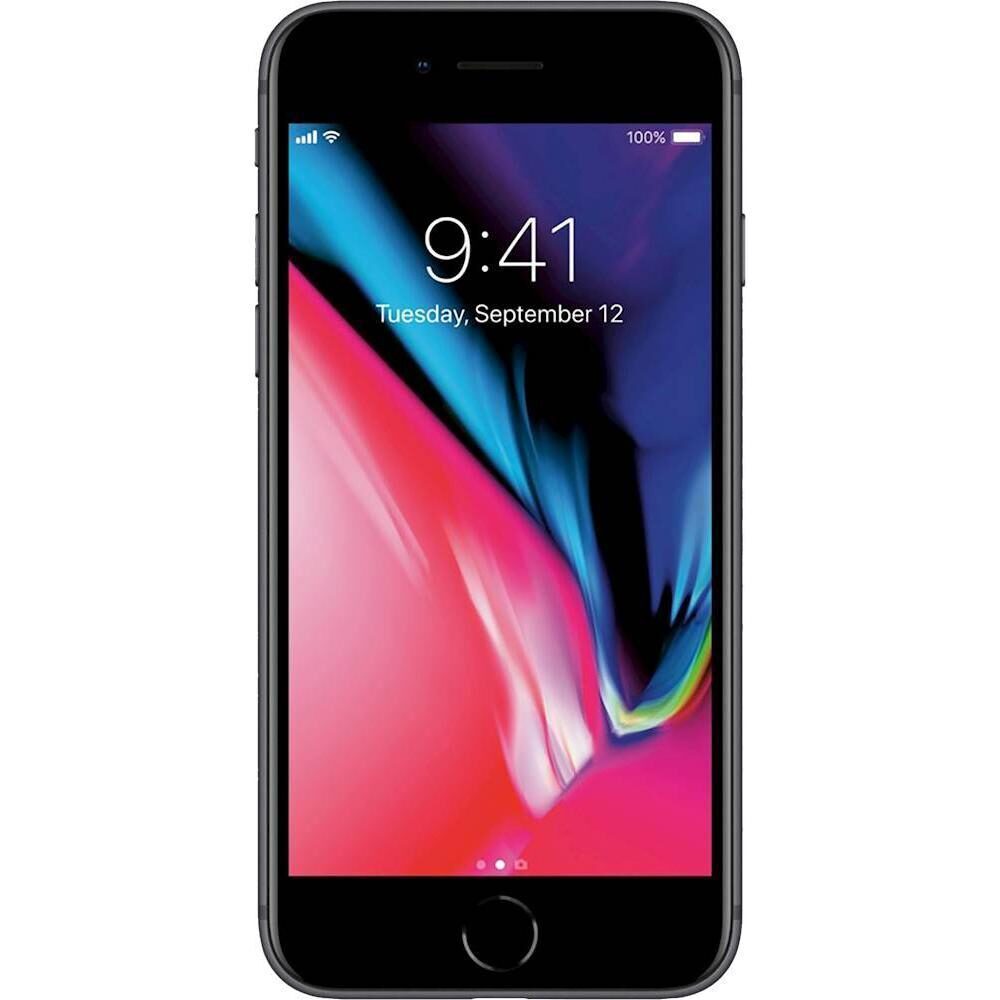
iPhone 8
Starting at
£90.00£399.00 new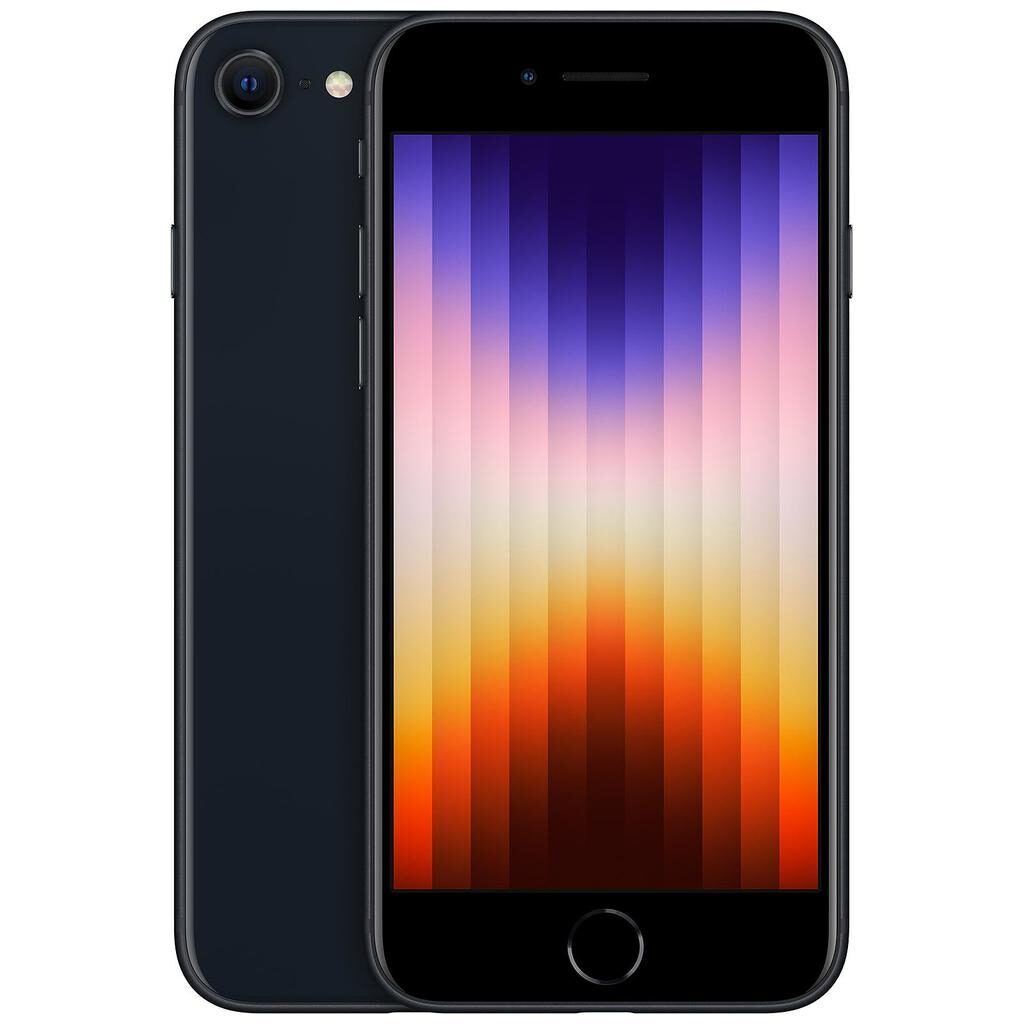
iPhone SE (2022)
Starting at
£113.85£429.00 newWhat's the difference between the iPhone 8 and iPhone SE (2022)?
iPhone 8 vs iPhone SE (2022) comes down to the chipset, RAM and software updates. Refurbished, the iPhone 8 starts at £90, £23.85 less than the iPhone SE (2022). The iPhone SE (2022) is the newer model, released in 2022.
Refurbished from
Chipset
RAM
Software updates
Mobile network
Weight
- Chipset: Apple A11 Bionic on the iPhone 8, Apple A15 Bionic on the iPhone SE (2022).
- The iPhone SE (2022) has more RAM: 4 GB vs 2 GB.
- The iPhone SE (2022) has longer software support: supported, up to iOS 27 vs ended Mar 2025, last iOS 16.
iPhone 8 vs iPhone SE (2022) specs
The iPhone 8 and iPhone SE (2022) share similar screen sizes, camera resolutions and connectors, making both suitable for everyday use. It also supports 5G networks and includes both a physical SIM and eSIM, making it a good fit for those wanting faster mobile data and flexible SIM options. The iPhone 8 has multiple storage options, including 256GB, which suits users who need more space. Overall, the iPhone 8 is suitable for users looking for a familiar design with more storage options, while the iPhone SE (2022) suits those who want updated software support, more memory and 5G connectivity.
iPhone 8 vs iPhone SE (2022) price
Colour
iPhone 8 vs iPhone SE (2022) battery life and software updates
Durability covers software updates and the operating system compatibility that affect device longevity and security.
Operating System
Both the iPhone 8 and iPhone SE (2022) run on iOS, providing a familiar environment for users comfortable with Apple's operating system.
Battery
Foldable
Ip rating
Software updates
Wireless charging
Year of release
iPhone 8 vs iPhone SE (2022) performance
Chipset
RAM
iPhone 8 vs iPhone SE (2022) screen
Screen quality affects how you view photos, videos and apps. Both devices have the same screen size and resolution, so the display experience is very similar.
Screen Size and Resolution
Both devices have a 4.7 inch Retina IPS LCD screen with a resolution of 750 x 1334. This provides clear visuals in a compact size, suitable for users who prefer smaller phones that fit comfortably in the hand and pocket.
Resolution
Screen size
Screen type
iPhone 8 vs iPhone SE (2022) camera
Camera quality and front-facing features are important for photos, video calls and selfies. Both devices have the same camera specifications, so their photo and video capabilities are alike.
Camera Megapixels
Both phones feature a 12 megapixel main camera and a 7 megapixel front camera. This ensures you can capture detailed photos and clear selfies with either device.
Front camera
Main camera
iPhone 8 vs iPhone SE (2022) size and design
Other features can affect how you use the phone daily, including network options, size, weight and SIM card compatibility. These details show how the devices fit different usage habits.
Mobile Network Support
The iPhone SE (2022) supports 5G networks, which enables faster mobile data speeds where available. This suits users who want quicker browsing and streaming on compatible networks. The iPhone 8 supports 4G, which still provides reliable mobile internet but at lower speeds.
SIM Card Options
The iPhone SE (2022) supports both a physical SIM and eSIM, giving more flexibility to use multiple mobile plans or switch carriers without changing SIM cards. The iPhone 8 uses a physical SIM only.
Physical Size and Weight
The iPhone SE (2022) is slightly smaller and lighter, measuring 130 mm by 60 mm and weighing 144 g. The iPhone 8 is 138.4 mm by 67.3 mm and weighs 148 g. This means the SE (2022) fits a little more comfortably in smaller pockets and hands.
Storage Options
The iPhone 8 is available in 64GB, 128GB and 256GB storage options, suiting users who need more space for apps, photos and media. The iPhone SE (2022) is stocked here only in 64GB, which works well for everyday use with moderate storage needs.
Carrier compatibility
Connector
Depth
Height
Mobile network
Release date
SD card slot
SIM card
Weight
Width
iPhone 8 or iPhone SE (2022): which should you buy?
Buy the iPhone 8 if
- you want to spend less: it starts at £90, £23.85 less than the iPhone SE (2022)
Buy the iPhone SE (2022) if
- you want more RAM (4 GB vs 2 GB)
- you want longer software support (supported, up to iOS 27 vs ended Mar 2025, last iOS 16)
- you want 5G
What our customers say
Customers who bought the iPhone 8 describe it as looking nearly new with good battery health and appreciate its solid build and storage options. Many find it suitable for work or as a gift, noting it runs well and transfers data easily. Some mention minor marks but generally feel it performs well for everyday tasks.
For the iPhone SE (2022), customers highlight smooth performance and ease of setup, often upgrading from older models. The 5G capability and newer iOS support are welcomed by buyers wanting a phone that lasts longer with modern features. The phone is noted as being in very good condition, with some minor cosmetic marks typical of refurbished devices. Battery health is generally good but a few customers raise concerns about accuracy of battery indicators.
Both devices suit users looking for a compact phone with reliable cameras and solid software experience. The iPhone 8 appeals to those valuing multiple storage choices and a familiar size, while the iPhone SE (2022) fits buyers who want newer software support, 5G connectivity and a slightly smaller, lighter device.
iPhone 8 vs iPhone SE (2022) FAQs
iPhone 8 vs iPhone SE (2022) comes down to the chipset, RAM and software updates. Chipset: Apple A11 Bionic on the iPhone 8, Apple A15 Bionic on the iPhone SE (2022). The iPhone SE (2022) has more RAM: 4 GB vs 2 GB.
The iPhone 8 is cheaper refurbished, from £90 compared with £113.85 for the iPhone SE (2022).
Both have the same main camera: 12 megapixels.
Updates for the iPhone 8 ended in Mar 2025. Its last version is iOS 16. The iPhone SE (2022) is still supported and can run iOS 27.
The iPhone SE (2022) adds more RAM (4 GB vs 2 GB), longer software support (supported, up to iOS 27 vs ended Mar 2025, last iOS 16) and 5G. Refurbished, it costs £23.85 more (from £113.85 vs £90).
Refurbished, the iPhone 8 comes in 64GB, 128GB and 256GB, and the iPhone SE (2022) in 64GB.