iPhone 7 Plus vs iPhone XR
Shop iPhone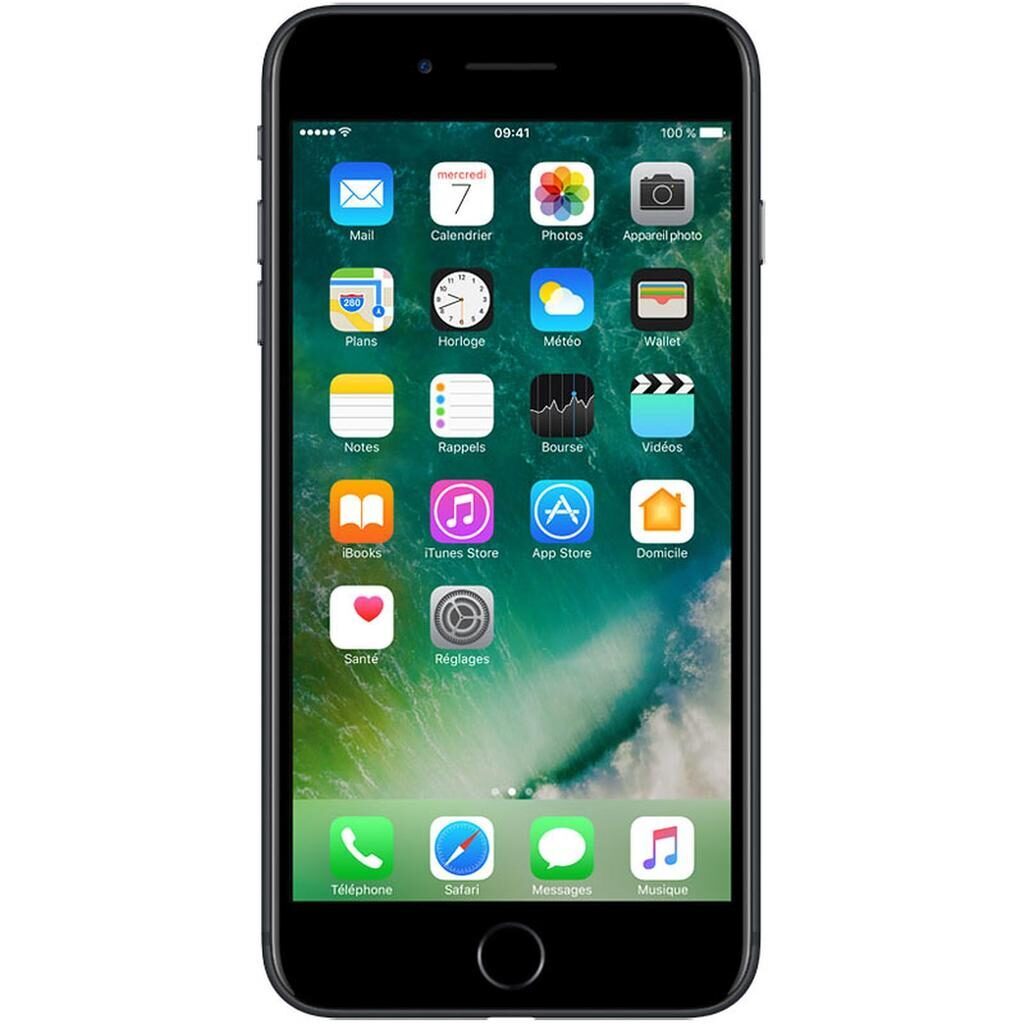
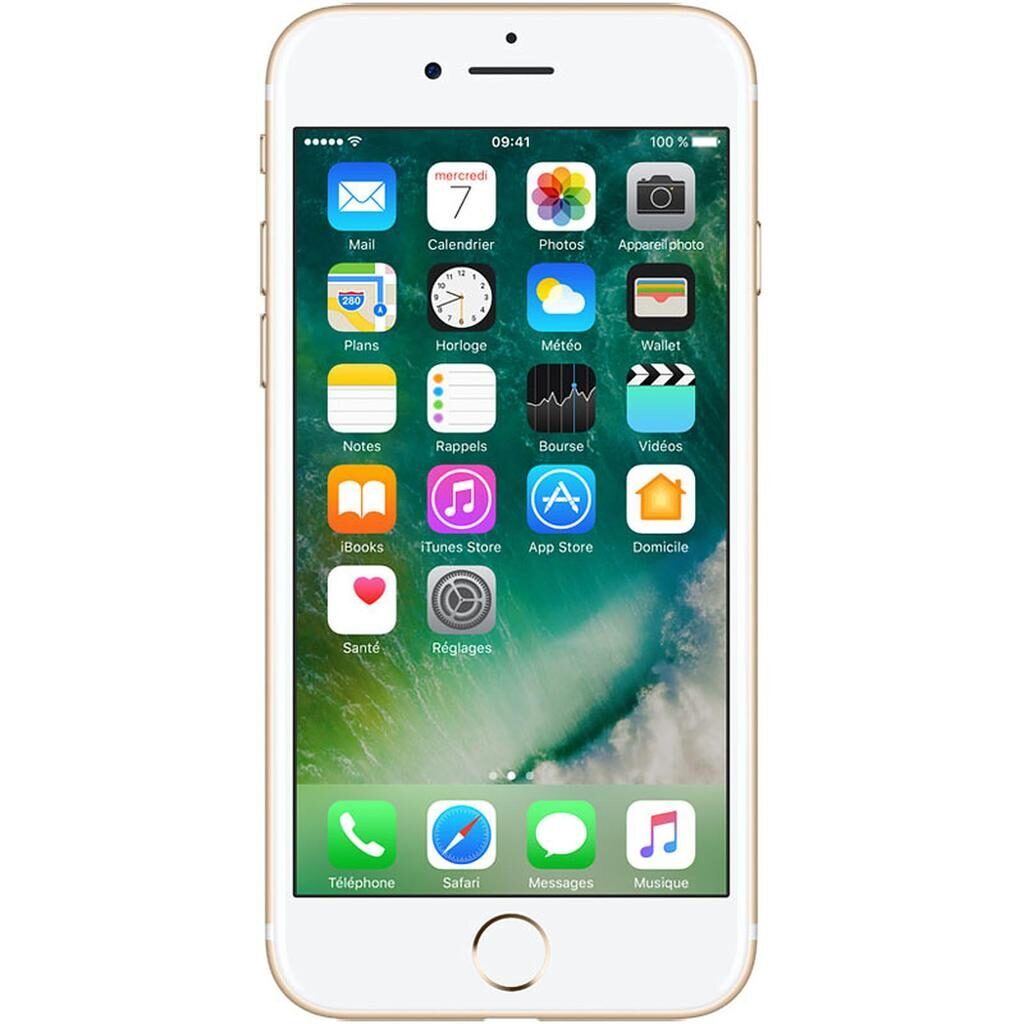
iPhone 7 Plus
Starting at
£106.15£139.00 new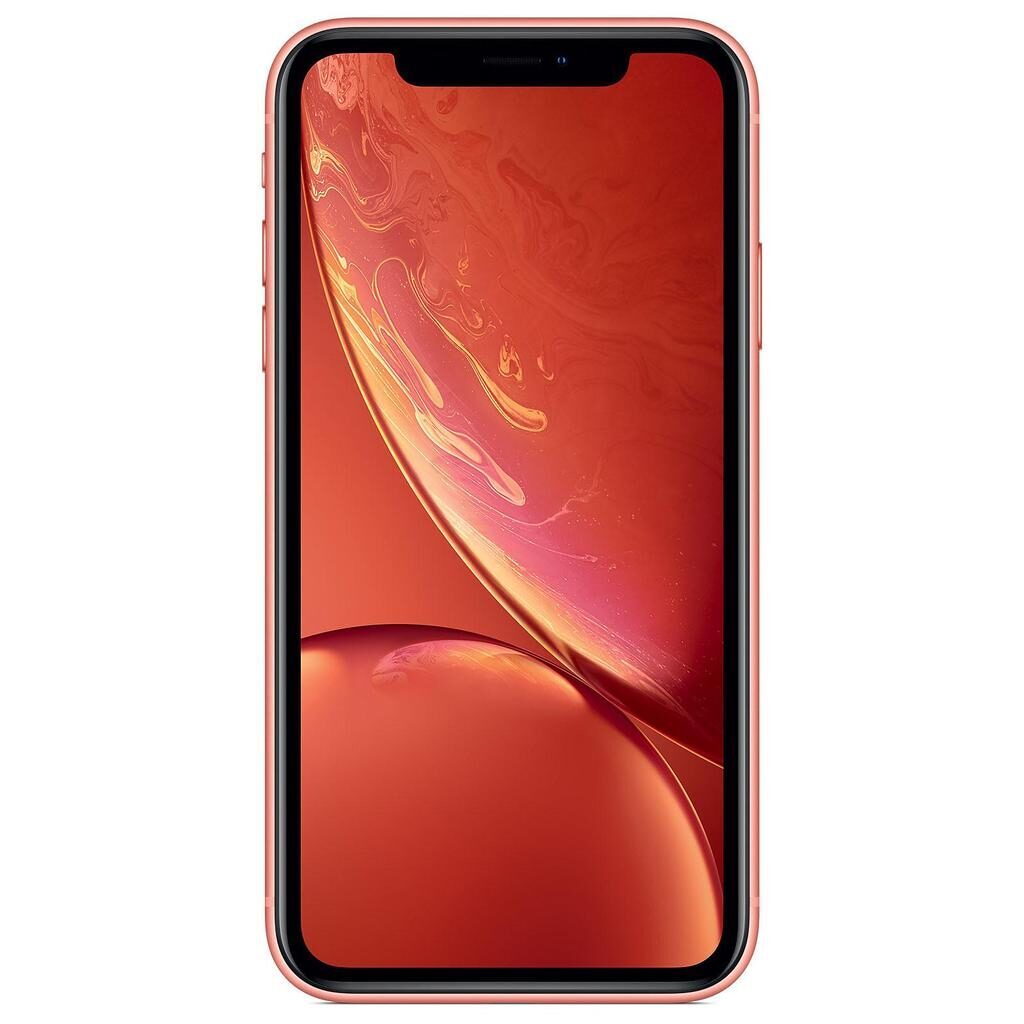
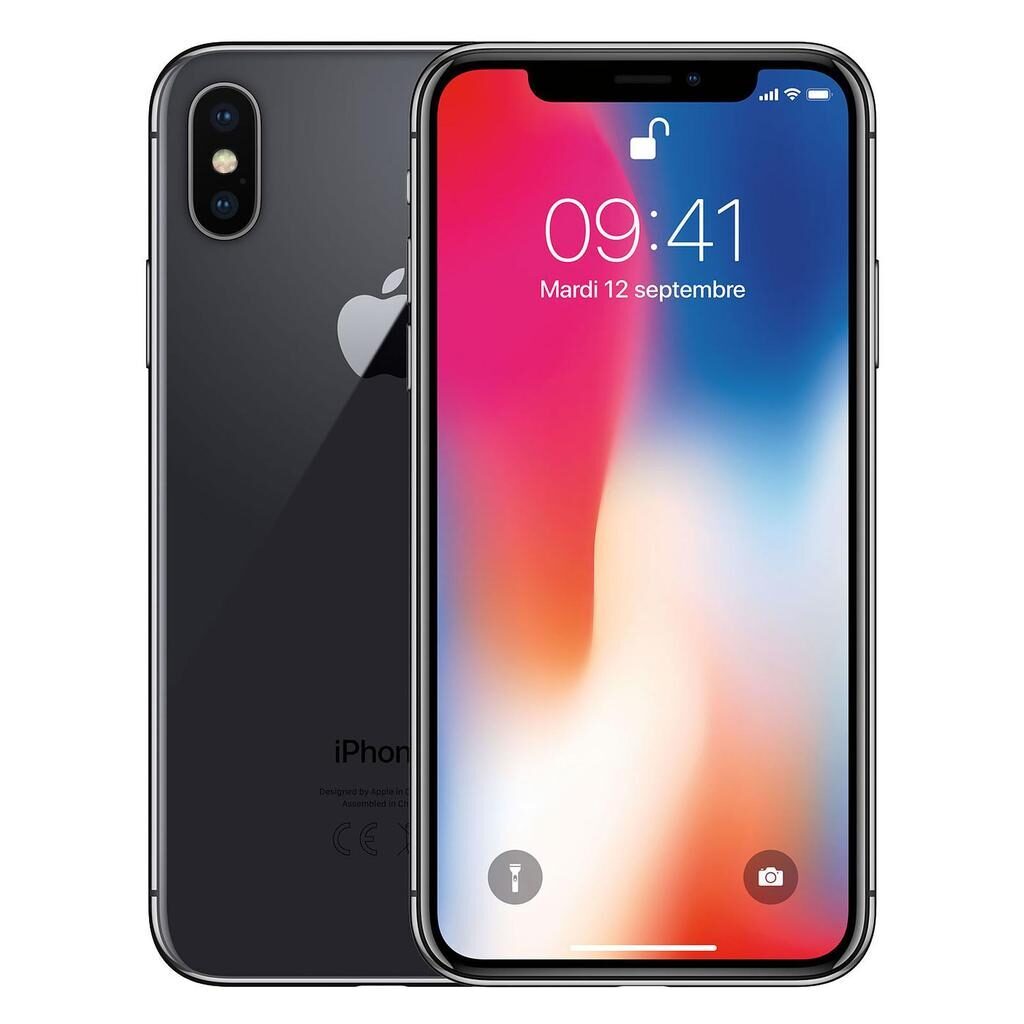
iPhone XR
Starting at
£130.30£399.00 newWhat's the difference between the iPhone 7 Plus and iPhone XR?
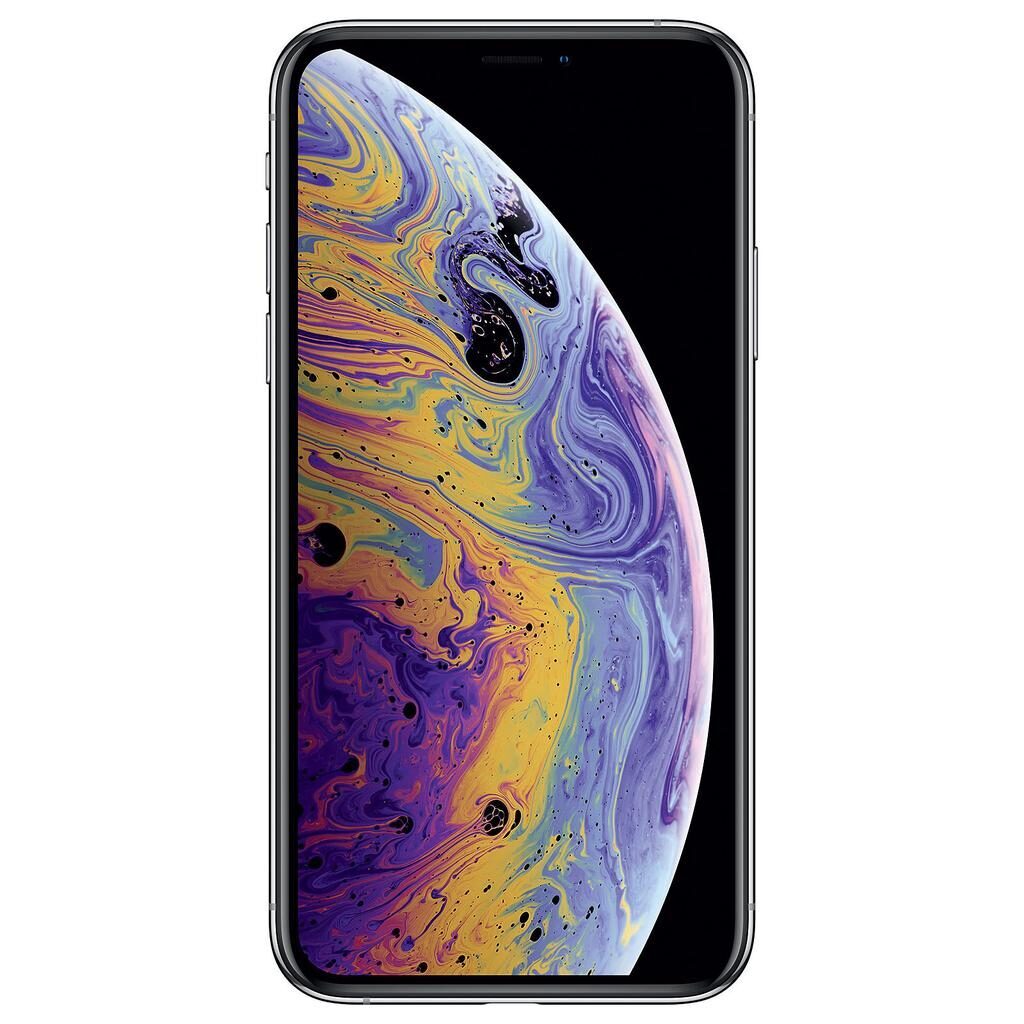
iPhone 7 Plus vs XR comes down to the chipset, battery and screen size. Refurbished, the iPhone 7 Plus starts at £106.15, £24.15 less than the iPhone XR. The iPhone XR is the newer model, released in 2018.
Refurbished from
Chipset
Battery
Screen size
Screen type
Software updates
- Chipset: Apple A10 Fusion (16 nm) on the iPhone 7 Plus, Apple A12 Bionic (7 nm) on the iPhone XR.
- Battery: 2900 mAh on the iPhone 7 Plus, 2942 mAh on the iPhone XR.
- The iPhone XR has a bigger screen: 6.1 inch vs 5.5 inch.
iPhone 7 Plus vs iPhone XR specs
The iPhone 7 Plus and iPhone XR differ in several key areas that suit different users. The XR offers a larger screen with a Liquid Retina display, ideal if you prefer more viewing space. The 7 Plus has a higher screen resolution and a dual main camera setup, which benefits photography enthusiasts. The XR features a more advanced chipset and larger storage options, supporting smoother performance and more space for apps and media. Battery capacities are similar, but the iPhone XR includes eSIM support for flexible SIM options. Both remain solid choices depending on your priorities like screen size, camera features, or software support.
iPhone 7 Plus vs iPhone XR price
Colour
iPhone 7 Plus vs iPhone XR battery life and software updates
Durability covers battery size, software updates, and physical design. These affect how long the phone lasts daily and over the years, plus what software it can run.
Battery Capacity
The iPhone XR has a battery capacity of 2942 mAh, slightly larger than the iPhone 7 Plus's 2900 mAh. This means the XR may offer a bit more screen-on time, especially with its newer chipset and screen technology. Both batteries provide solid endurance for everyday use.
Physical Design Dimensions
The iPhone 7 Plus measures 158.2 mm in height, 77.9 mm in width, and 7.3 mm in depth, weighing 188 g. The iPhone XR is slightly shorter and narrower at 150.9 mm tall and 75.7 mm wide but a bit thicker at 8.3 mm, and it weighs 194 g. These dimensions influence how the phone feels in your hand or pocket.
Battery
Foldable
Ip rating
Software updates
Wireless charging
Year of release
iPhone 7 Plus vs iPhone XR performance
Performance depends on the chipset, memory, and storage. These affect how smoothly apps run, how many you can keep open, and how much content you can store.
Chipset Technology
The iPhone XR uses the Apple A12 Bionic chipset built on a 7 nm process, which is more advanced than the iPhone 7 Plus's Apple A10 Fusion chipset at 16 nm. This difference means the XR handles tasks and apps more efficiently and quickly, suiting users who want strong performance for everyday use or heavier apps.
Memory and Storage Options
Both devices have 3 GB of RAM, which supports multitasking and app performance for everyday use. The iPhone 7 Plus is stocked in 32GB and 128GB storage options, while the iPhone XR offers 64GB, 128GB, and 256GB. The XR's larger storage choices are suitable if you need more space for photos, videos, and apps.
Chipset
RAM
iPhone 7 Plus vs iPhone XR screen
Screen quality involves resolution, size, and display type. These affect how sharp images appear and how much space you have for viewing or working.
Screen Size and Type
The iPhone XR has a 6.1 inch Liquid Retina IPS LCD display, which is larger than the iPhone 7 Plus's 5.5 inch Retina IPS LCD. The XR's larger screen suits users who prefer more room for watching videos, browsing, or reading. Both use IPS LCD technology for colour accuracy and viewing angles.
Screen Resolution
The iPhone 7 Plus offers a resolution of 1080 by 1920 pixels, providing a sharper image due to higher pixel density. The iPhone XR has a resolution of 828 by 1792 pixels, which is less sharp but still clear and vibrant on its larger screen. This suits users who may prioritise crisp detail over screen size or vice versa.
Resolution
Screen size
Screen type
iPhone 7 Plus vs iPhone XR camera
Audiovisual features include cameras and front-facing camera resolution. These matter for photography, video calls, and selfies.
Main Camera Setup
The iPhone 7 Plus has a dual main camera setup with two 12 megapixel lenses. This allows for effects like optical zoom and portrait mode with depth control. The iPhone XR has a single 12 megapixel main camera, offering solid photo quality for everyday shots. Photographers who value extra camera features may prefer the 7 Plus.
Front Camera Resolution
Both phones have a 7 megapixel front camera, which suits video calls and selfies with similar detail. This means either device will perform well for your front-facing camera needs.
Camera type
Front camera
Main camera
iPhone 7 Plus vs iPhone XR size and design
Miscellaneous differences include carrier compatibility, SIM options, connectors, and physical dimensions that affect usability and flexibility.
SIM Card Options
The iPhone 7 Plus uses a physical SIM card only. The iPhone XR supports both a physical SIM and an eSIM. This gives XR users more flexibility with mobile networks, such as using two numbers or switching carriers without changing the physical SIM.
Connector Type
Both devices use the Lightning connector for charging and accessories. This is a familiar and widely supported port for iPhones.
Weight and Size
The iPhone 7 Plus weighs 188 g and is slightly wider and taller than the iPhone XR, which weighs 194 g. These subtle differences may influence comfort depending on your hand size or pocket space.
Carrier compatibility
Connector
Depth
Height
Mobile network
SD card slot
SIM card
Weight
Width
iPhone 7 Plus or iPhone XR: which should you buy?
Buy the iPhone 7 Plus if
- you want to spend less: it starts at £106.15, £24.15 less than the iPhone XR
- you want a lighter build (188 g vs 194 g)
Buy the iPhone XR if
- you want a bigger screen (6.1 inch vs 5.5 inch)
- you want the newer model (2018)
What our customers say
Customers who chose the iPhone 7 Plus often praise its condition and value. Many say it looks spotless and works perfectly, with some noting the battery lasts well compared to their previous phones. The dual camera is appreciated, and several users mention the phone suits their needs just right. Some highlight that setup was easy and the device performs well for everyday use. However, a few note the phone does not support the latest iOS updates, which affects its longevity for those wanting the newest features.
Buyers of the iPhone XR frequently comment on its excellent condition and near-new appearance. They appreciate the larger screen size as comfortable for viewing and everyday tasks. Many remark on the smooth performance thanks to its chipset and the convenience of the eSIM option. Some mention the replacement batteries are not official Apple parts, but this does not detract from the overall satisfaction. The available storage sizes and easy setup are also noted as positives.
Both phones attract customers who want a reliable refurbished iPhone. The iPhone 7 Plus suits those who prioritise a dual-camera system and higher screen resolution, while the iPhone XR appeals to users seeking a larger screen, longer software support, and flexible SIM options.
iPhone 7 Plus vs iPhone XR FAQs
iPhone 7 Plus vs XR comes down to the chipset, battery and screen size. Chipset: Apple A10 Fusion (16 nm) on the iPhone 7 Plus, Apple A12 Bionic (7 nm) on the iPhone XR. Battery: 2900 mAh on the iPhone 7 Plus, 2942 mAh on the iPhone XR.
The iPhone 7 Plus is cheaper refurbished, from £106.15 compared with £130.30 for the iPhone XR.
The iPhone 7 Plus has 2900 mAh and the iPhone XR has 2942 mAh.
Both have the same main camera: 12 megapixels.
Updates for the iPhone 7 Plus ended in Mar 2025. Its last version is iOS 15. Updates for the iPhone XR ended in Apr 2026. Its last version is iOS 18.
The iPhone XR adds a bigger screen (6.1 inch vs 5.5 inch). Refurbished, it costs £24.15 more (from £130.30 vs £106.15).
Refurbished, the iPhone 7 Plus comes in 32GB and 128GB, and the iPhone XR in 64GB, 128GB and 256GB.