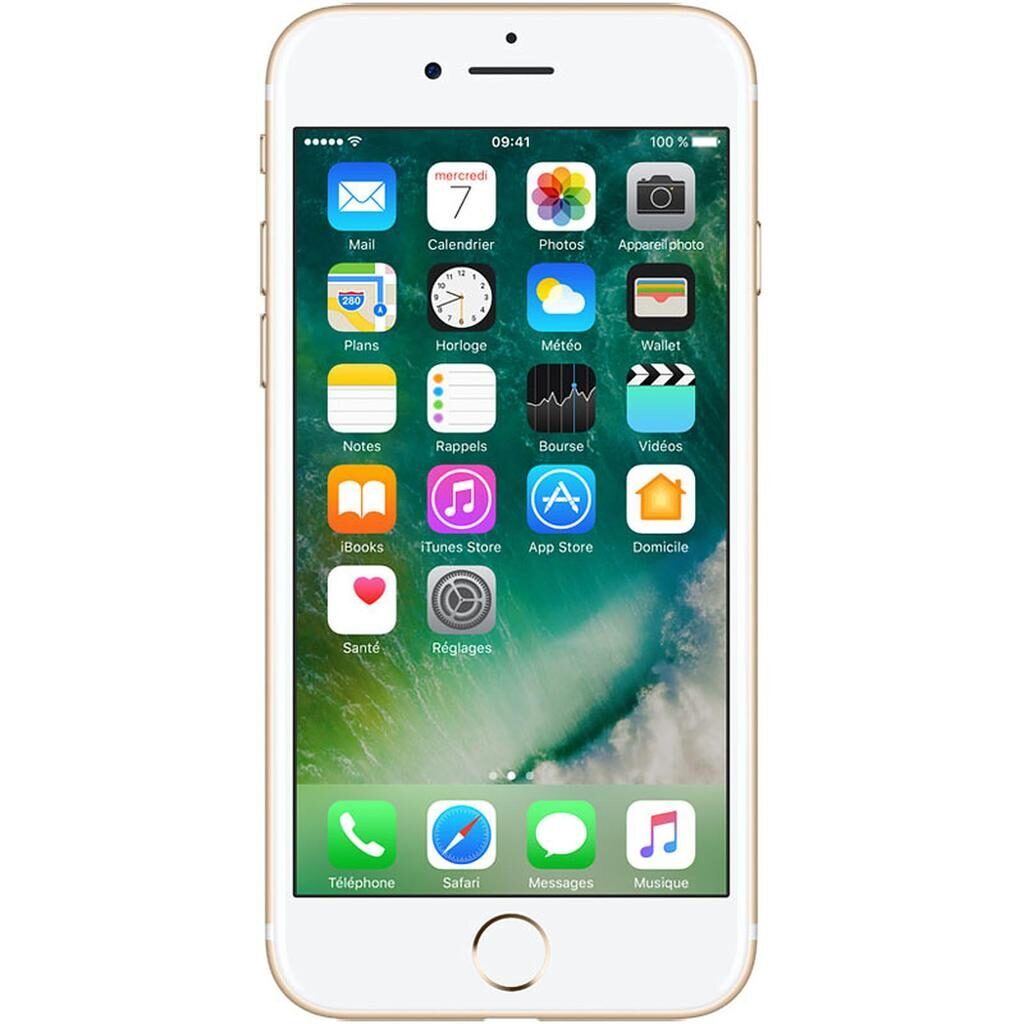
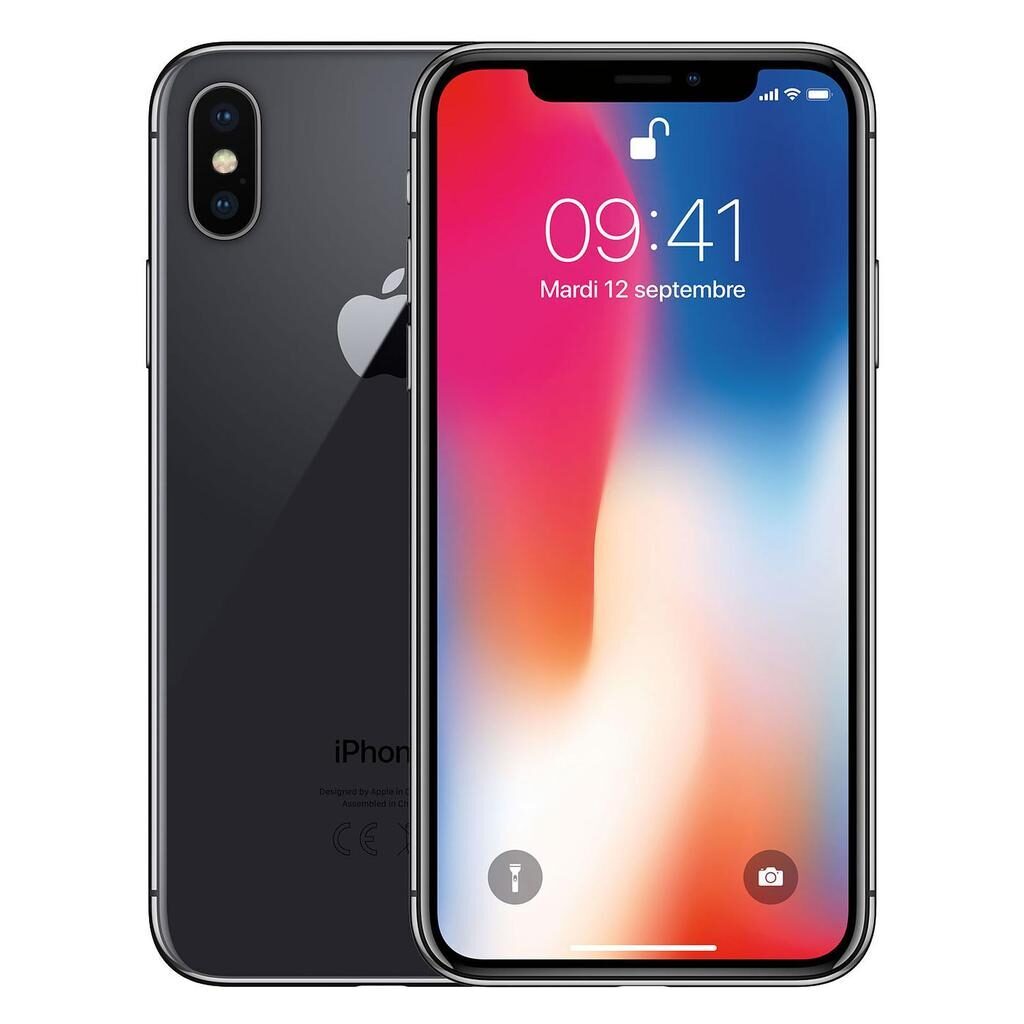
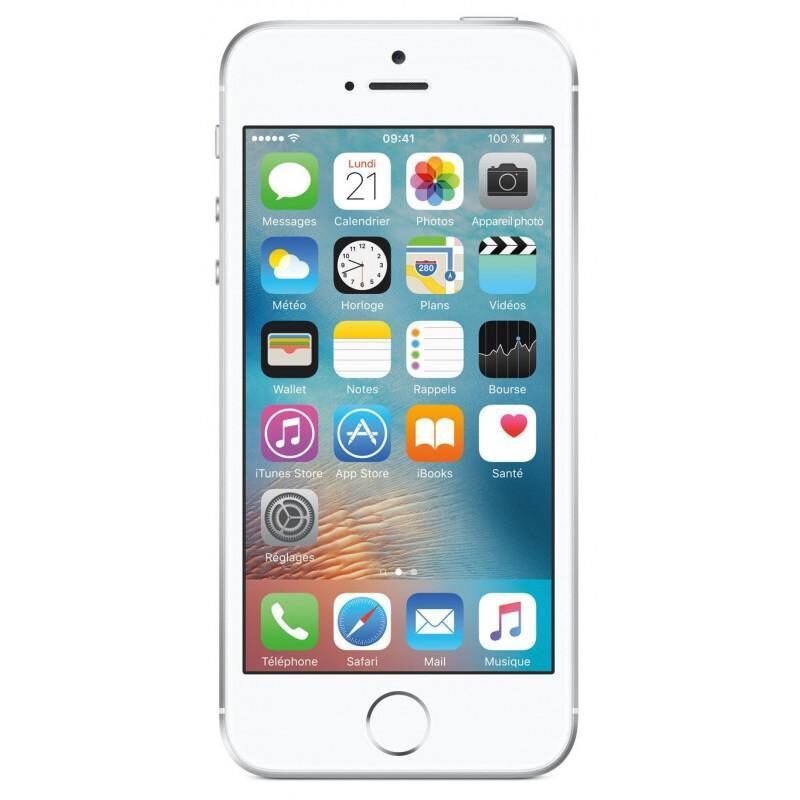
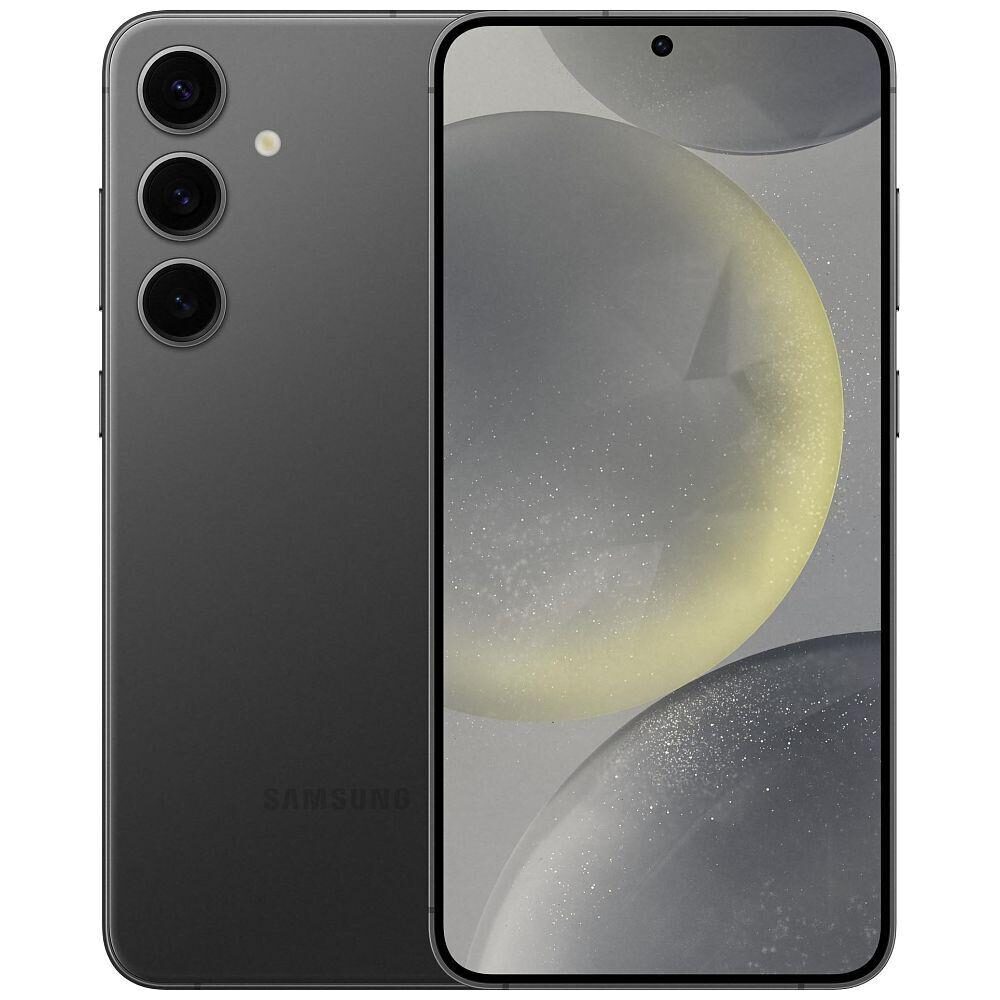
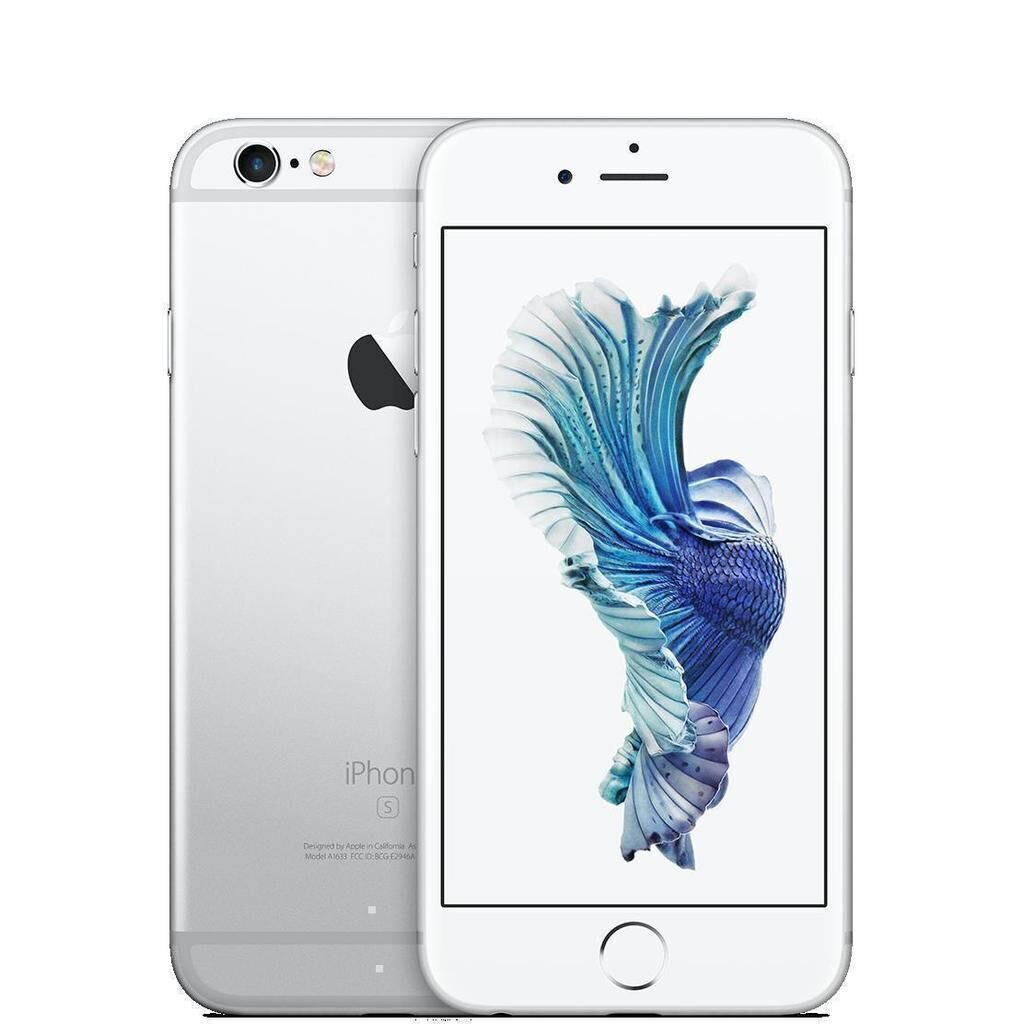
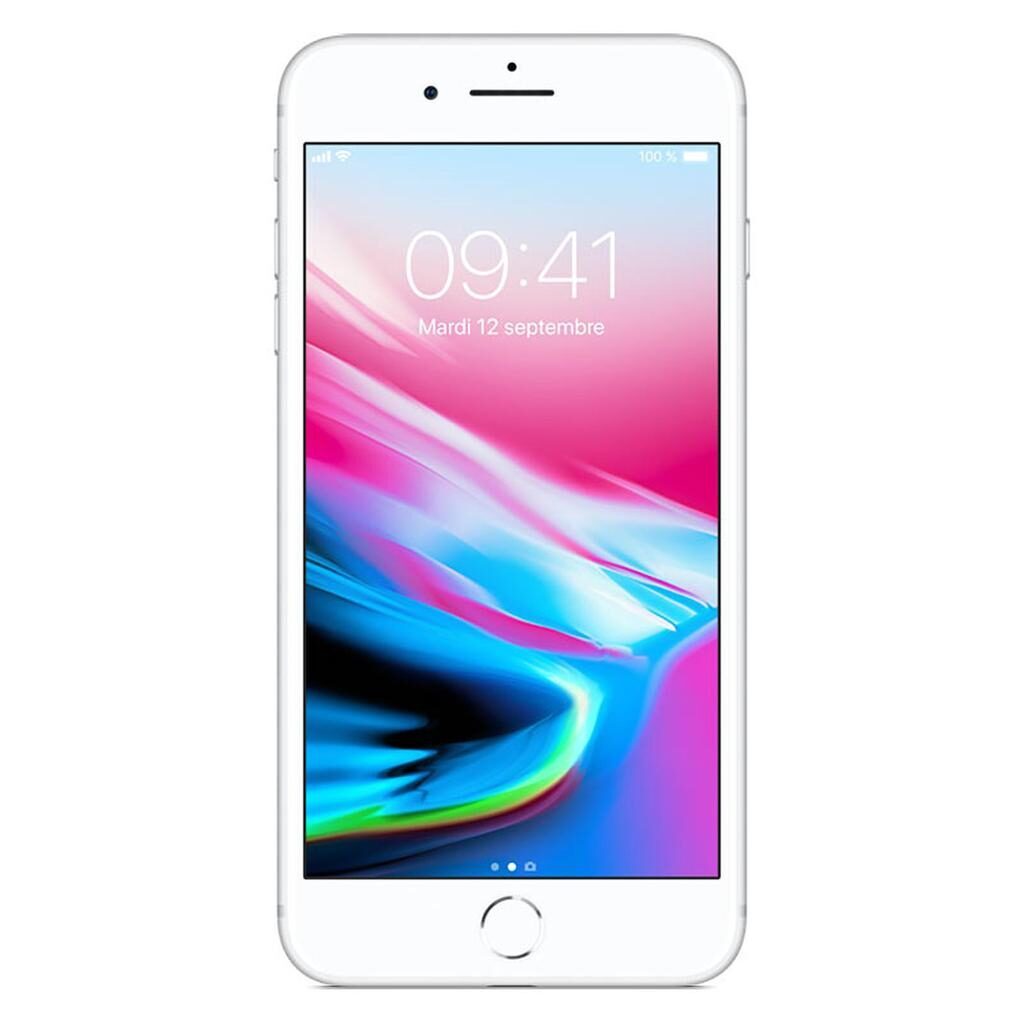
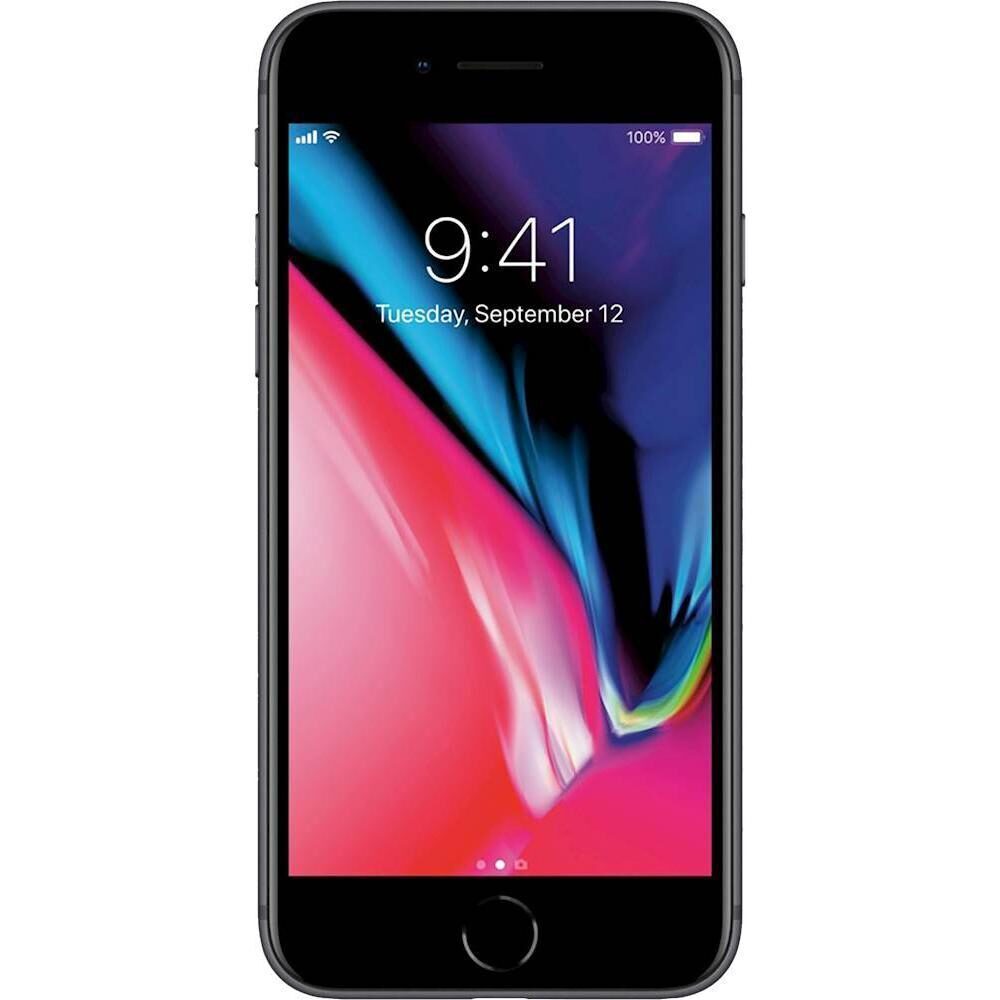
iPhone 16e vs iPhone 7 Plus
Shop iPhone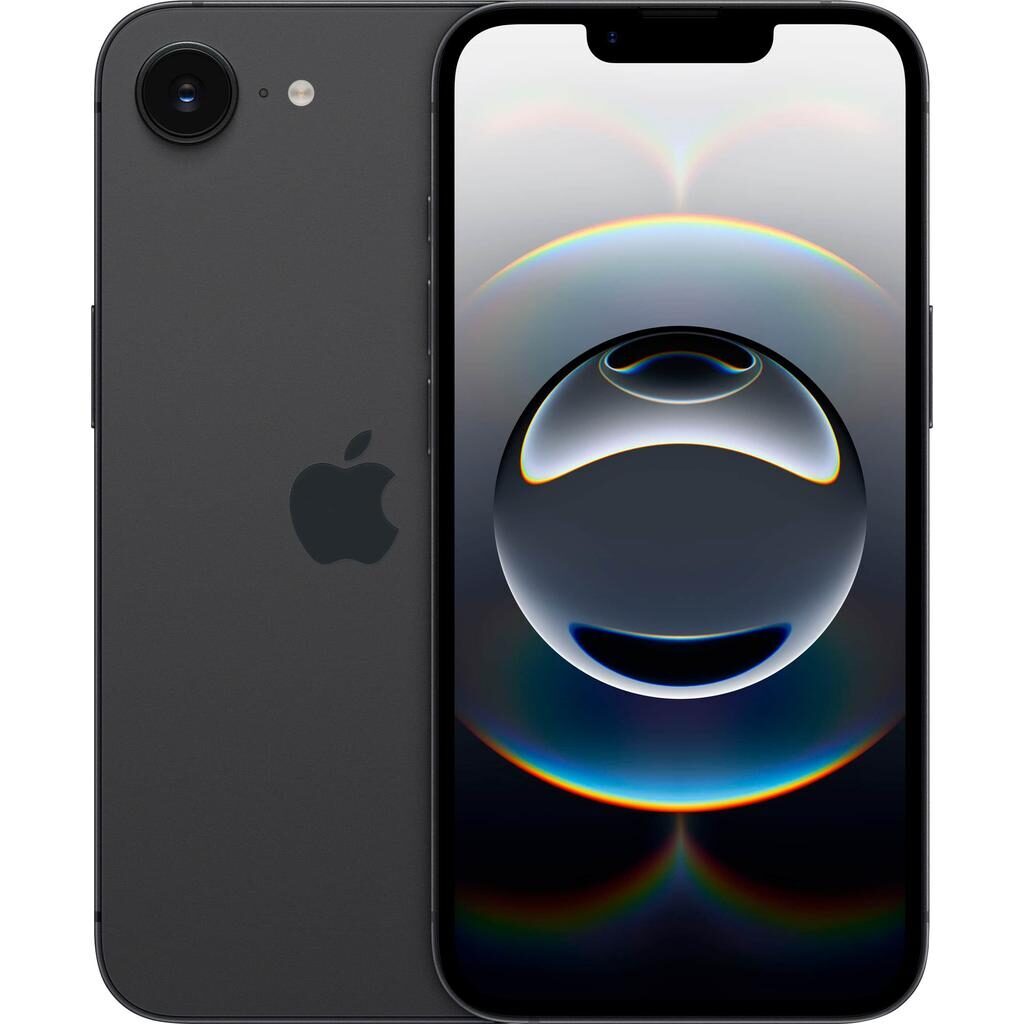
iPhone 16e
Starting at
£478.75£599.00 new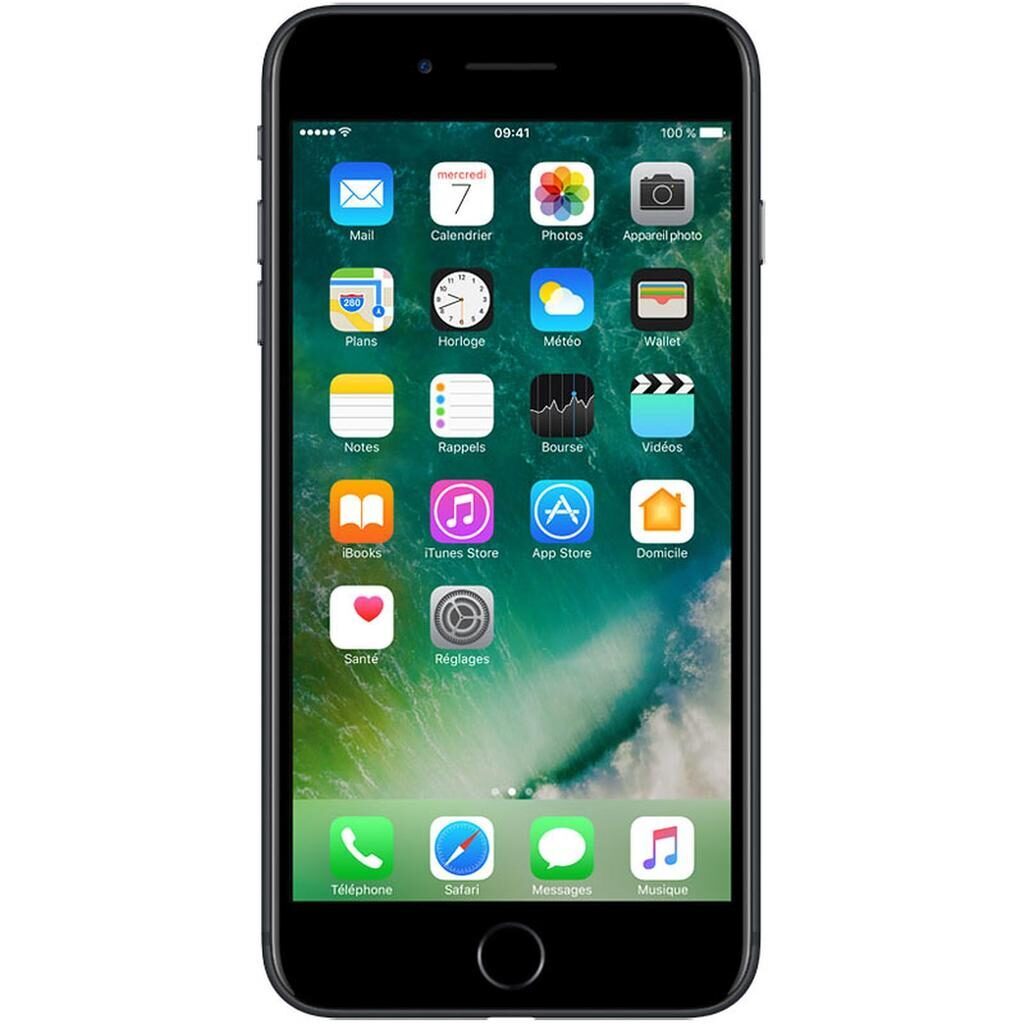
iPhone 7 Plus
Starting at
£106.15£139.00 newWhat's the difference between the iPhone 16e and iPhone 7 Plus?
iPhone 16e vs 7 Plus comes down to the chipset, RAM and battery. Refurbished, the iPhone 7 Plus starts at £106.15, £372.60 less than the iPhone 16e. The iPhone 16e is the newer model, released in 2025.
Refurbished from
Chipset
RAM
Battery
Screen size
Screen type
- Chipset: Apple A18 (3 nm) on the iPhone 16e, Apple A10 Fusion (16 nm) on the iPhone 7 Plus.
- The iPhone 16e has more RAM: 8 GB vs 3 GB.
- The iPhone 16e has a bigger battery: 4005 mAh vs 2900 mAh.
iPhone 16e vs iPhone 7 Plus specs
The iPhone 16e and iPhone 7 Plus differ in several key areas that suit different users. The iPhone 16e offers a larger battery, more memory, and faster 5G connectivity, making it suitable for those who want longer daily use and smoother multitasking. Its screen is sharper with OLED technology, ideal for vibrant visuals. The iPhone 7 Plus has a bigger screen and a simpler setup with physical SIM only, which may appeal if you prefer a larger display and a familiar connector. Storage options also vary, with the iPhone 16e offering more choices. Both devices run iOS and are unlocked for use on any network.
iPhone 16e vs iPhone 7 Plus price
Colour
iPhone 16e vs iPhone 7 Plus battery life and software updates
Durability covers the battery capacity and operating system, which affect how long each phone lasts and how you interact with it. Both devices run iOS, but their battery sizes differ significantly.
Battery Capacity
The iPhone 16e has a 4005 mAh battery, which supports longer use between charges. This suits users who need extended battery life for all-day activities. The iPhone 7 Plus has a 2900 mAh battery, fitting for everyday use with regular charging. If you often use your phone heavily, the iPhone 16e's larger battery may be more convenient.
Operating System
Both models run iOS, so you can expect a similar software experience on either device. This ensures compatibility with apps and updates designed for Apple phones.
Battery
Foldable
Ip rating
Software updates
Wireless charging
Year of release
iPhone 16e vs iPhone 7 Plus performance
Performance depends on the chipset, RAM, and storage options. These affect how smoothly your phone runs apps and manages files.
Processor Technology
The iPhone 16e uses the Apple A18 chipset built on a 3 nm process, providing efficient and modern performance. The iPhone 7 Plus has the Apple A10 Fusion chipset with a 16 nm process, delivering reliable performance for everyday tasks. If you use demanding apps or multitask, the iPhone 16e's newer chipset is better suited.
Memory Capacity
With 8 GB of RAM, the iPhone 16e keeps more apps open and running smoothly in the background. The iPhone 7 Plus has 3 GB RAM, which supports multitasking and everyday use. Users who want to switch between apps frequently will notice the iPhone 16e handles this more easily.
Storage Options
The iPhone 16e comes in 128GB, 256GB, and 512GB storage sizes, fitting a range of needs from moderate to heavy file storage. The iPhone 7 Plus offers 32GB and 128GB options, suitable for everyday use but with less room for large files or many apps.
Chipset
RAM
iPhone 16e vs iPhone 7 Plus screen
Screen quality influences how you see photos, videos, and apps. The two phones have different sizes, resolutions, and display technologies.
Screen Size
The iPhone 7 Plus has a 5.5 inch screen, offering a larger viewing area that suits users who prefer more space for videos and reading. The iPhone 16e has a 6.1 inch screen, which is slightly bigger but paired with a different aspect ratio affecting the shape of the display.
Resolution and Display Type
The iPhone 16e features a Super Retina XDR OLED screen with a resolution of 2532x1170 pixels. This means sharper images and deeper colours, ideal if you value vivid visuals. The iPhone 7 Plus uses a Retina IPS LCD with 1080 x 1920 resolution, which is clear and bright but less sharp and with different colour depth. Users who watch a lot of video or appreciate detailed screens will prefer the iPhone 16e.
Resolution
Screen size
Screen type
iPhone 16e vs iPhone 7 Plus camera
Camera type
Front camera
Main camera
iPhone 16e vs iPhone 7 Plus size and design
Other features include network compatibility, connectors, physical size, SIM options, and weight. These impact how you connect and carry your phone daily.
Network and SIM Support
The iPhone 16e supports 5G networks and offers both a physical SIM and eSIM, giving you flexible options for mobile plans. The iPhone 7 Plus works on 4G and only uses a physical SIM, which may suit those who prefer a single SIM card without eSIM technology.
Connector Type
Charging and data transfer use USB-C for the iPhone 16e, which is common in many modern devices. The iPhone 7 Plus uses the Lightning connector, standard for many older Apple devices. Your choice depends on your existing accessories and preferences.
Size and Weight
The iPhone 16e measures 146.7 mm in height, 71.5 mm in width, and 7.8 mm in depth, weighing 167 g. The iPhone 7 Plus is taller and wider at 158.2 mm height, 77.9 mm width, 7.3 mm depth, and heavier at 188 g. If you want a lighter, more compact phone, the iPhone 16e fits that need. The larger size of the iPhone 7 Plus may be better if you prefer a bigger handset.
Carrier compatibility
Connector
Depth
Height
Mobile network
Release date
SD card slot
SIM card
Weight
Width
iPhone 16e or iPhone 7 Plus: which should you buy?
Buy the iPhone 16e if
- you want more RAM (8 GB vs 3 GB)
- you want a bigger battery (4005 mAh vs 2900 mAh)
- you want a bigger screen (6.1 inch vs 5.5 inch)
Buy the iPhone 7 Plus if
- you want to spend less: it starts at £106.15, £372.60 less than the iPhone 16e
What our customers say
Customers buying the iPhone 16e frequently mention that the device looks and works like new, with many praising the battery life and screen quality. Several note easy data transfer from older iPhones, though some experienced minor issues with Android to iPhone transfers or specific apps. The larger RAM and newer chipset are appreciated for smooth performance, especially by those upgrading from earlier models. Many highlight the inclusion of eSIM as convenient, while a few mention model variations affecting SIM options. Overall, users find the iPhone 16e a reliable and well-functioning phone with a premium feel.
Reviews for the iPhone 7 Plus show satisfaction with the condition and value of the device. Customers find it performs well for everyday use, with a screen size that suits those preferring a larger display. The battery life is often described as better than expected for the model. Some users note the phone handles tasks smoothly and appreciate its familiar features. A few mention it does not support the latest upgrades, making it better suited for simpler use. The 7 Plus is seen as a solid choice for those who want a straightforward iPhone experience.
Overall, the iPhone 16e is recommended for users who want more memory, faster performance, and modern connectivity, while the iPhone 7 Plus is well suited for those looking for a larger screen and a dependable phone for everyday use.
iPhone 16e vs iPhone 7 Plus FAQs
iPhone 16e vs 7 Plus comes down to the chipset, RAM and battery. Chipset: Apple A18 (3 nm) on the iPhone 16e, Apple A10 Fusion (16 nm) on the iPhone 7 Plus. The iPhone 16e has more RAM: 8 GB vs 3 GB.
The iPhone 7 Plus is cheaper refurbished, from £106.15 compared with £478.75 for the iPhone 16e.
The iPhone 16e has a bigger battery: 4005 mAh vs 2900 mAh.
The iPhone 16e has a higher-resolution main camera: 48 megapixels vs 12 megapixels.
The iPhone 16e is still supported and can run iOS 27. Updates for the iPhone 7 Plus ended in Mar 2025. Its last version is iOS 15.
The iPhone 16e adds more RAM (8 GB vs 3 GB), a bigger battery (4005 mAh vs 2900 mAh) and a bigger screen (6.1 inch vs 5.5 inch). Refurbished, it costs £372.60 more (from £478.75 vs £106.15).
Refurbished, the iPhone 16e comes in 128GB, 256GB and 512GB, and the iPhone 7 Plus in 32GB and 128GB.